
Aquazone: Chipata-Zambia
About Aquazone: Chipata-Zambia
Key Features
More Details
Updated September 16, 2025
Aquazone in Chipata, Zambia is a family-friendly water park featuring multiple slides, a lazy river, and a splash pool designed for all ages. The facility operates year-round with lifeguards on duty, on-site snack stalls, and shaded seating areas that make it convenient for full-day visits. Located near the city center, Aquazone offers affordable entry fees and regular weekend events that attract both locals and regional visitors.
Table of Contents
Key Highlights
Practical training environment: Aquazone focuses on real-world skills: pond design, stocking densities, feeding schedules, and routine checks that keep fish healthy.
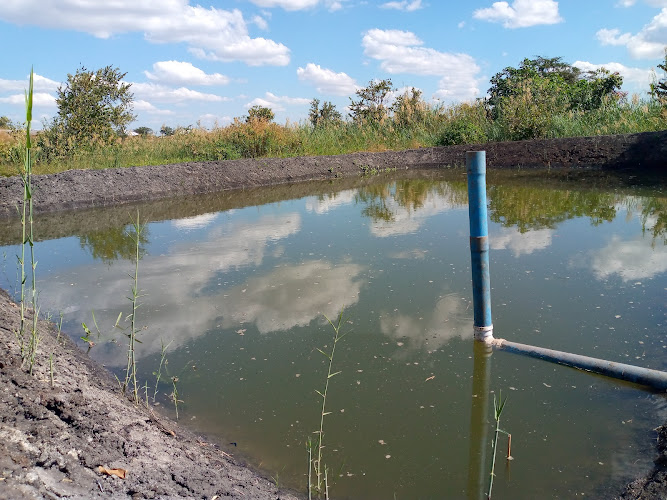
Pond construction guidance: Learn how to site a pond, test soil, line edges, and plan for inflow and outflow. Seeing the ponds on the ground brings design principles to life.
Water quality management: Step-by-step explanations of pH, turbidity, temperature, and dissolved oxygen, and how each factor changes with weather and time of day.
Fish feeding program: How to choose feed types and pellet sizes, set daily rations, observe feeding response, and adjust to keep growth up and waste down.
Fish disease management: Prevention-first protocols, early warning signs to watch for, and safe responses to common issues under local conditions.
Harvesting practices: From partial harvests to complete drain-downs, you’ll learn why timing matters and how to plan for market days in Chipata.
Local context: The farm is firmly rooted in the realities of Eastern Province—seasonal water, labor, feed availability, and transport logistics.
Meet the founder: When he’s available, Prince Mwanza shares insights from years of aquaculture work in Zambia, with simple explanations and plenty of field examples.
Appointment-based visits: It’s a working farm, so visits are by arrangement. Expect a focused, informative experience rather than a crowds-and-souvenirs scene.
Great learning stop for travelers: If you’re interested in sustainability, food systems, or rural enterprise, Aquazone is one of the most educational stops in Chipata, Zambia.
Location
Places to Stay Near Aquazone: Chipata-Zambia
Find and Book a Tour
Explore More Travel Guides
No reviews found! Be the first to review!
Description
I went to Aquazone in Hollywood, Chipata because I was curious about how fish farming works in Zambia’s Eastern Province. It’s not a theme-park kind of place; it’s a working aquaculture farm in Chipata where people come to learn real skills. The founder, Prince Mwanza, is a trained aquaculturist with a simple motto—“Let’s Grow Fish”—and you feel that practical, can-do energy the moment you step in. Expect earth ponds, water-testing kits, feed trays, and the steady rhythm of day-to-day farm work rather than a polished visitor center.
What makes Aquazone Chipata different is its focus on training and hands-on guidance. When I visited, Prince walked me through the basics of pond design, why soil type matters, and how water quality can make or break a crop. He talked about seasonal strategies in Chipata’s climate—what changes during the hot months of September and October, or how the rainy season affects water clarity and dissolved oxygen. It’s a working classroom, tailored for farmers, students, and anyone curious about sustainable aquaculture in Zambia.
Aquazone sits in the Hollywood area of Chipata, not far from the Great East Road. The neighborhood itself is full of everyday life: small shops, local markets, earth roads that change character after the rains. That’s part of the experience. You’re seeing how fish farming actually fits into the local economy. If you’re traveling through Eastern Province—maybe on your way to South Luangwa or the Malawi border—this is a worthwhile stop to learn about a sector that’s quietly shaping food security here.
Prince’s approach is methodical. He’s all about data and routine: monitoring pH, tracking feeding rates, watching fish behavior during different times of day, and having a plan for fish disease management before problems start. The result is a place where new and seasoned farmers alike can pick up actionable ideas. I left with notes on pond construction methods, costs to expect in the first season, and why harvesting isn’t just about pulling fish out—it’s about planning markets, timing, and post-harvest handling.
If you’re simply traveling, Aquazone still makes for a memorable visit. You’ll see what goes into raising tilapia and catfish here, how a rural water source is managed, and how a small team keeps a farm running efficiently. And if you’re the kind of traveler who likes to learn, you’ll enjoy the chance to ask questions and get clear, grounded answers.
Key Features
- Practical training environment: Aquazone focuses on real-world skills: pond design, stocking densities, feeding schedules, and routine checks that keep fish healthy.
- Pond construction guidance: Learn how to site a pond, test soil, line edges, and plan for inflow and outflow. Seeing the ponds on the ground brings design principles to life.
- Water quality management: Step-by-step explanations of pH, turbidity, temperature, and dissolved oxygen, and how each factor changes with weather and time of day.
- Fish feeding program: How to choose feed types and pellet sizes, set daily rations, observe feeding response, and adjust to keep growth up and waste down.
- Fish disease management: Prevention-first protocols, early warning signs to watch for, and safe responses to common issues under local conditions.
- Harvesting practices: From partial harvests to complete drain-downs, you’ll learn why timing matters and how to plan for market days in Chipata.
- Local context: The farm is firmly rooted in the realities of Eastern Province—seasonal water, labor, feed availability, and transport logistics.
- Meet the founder: When he’s available, Prince Mwanza shares insights from years of aquaculture work in Zambia, with simple explanations and plenty of field examples.
- Appointment-based visits: It’s a working farm, so visits are by arrangement. Expect a focused, informative experience rather than a crowds-and-souvenirs scene.
- Great learning stop for travelers: If you’re interested in sustainability, food systems, or rural enterprise, Aquazone is one of the most educational stops in Chipata, Zambia.
Best Time to Visit
Chipata’s climate cycles are key to understanding farm life here. The rainy season runs roughly from November to March. Ponds fill, water becomes more turbid, and access roads can get muddy after storms. If you want to see water management strategies in action—like how inflows are managed or how staff respond after heavy rainfall—this is an interesting time. Just plan for slower travel on dirt roads and quick changes in the weather.
April to August is generally dry and comfortable. I like this window best for visits and learning sessions. The mornings are crisp, the afternoons warm, and the farm cadence is steady. You can spend time at the ponds without the intense midday heat, and roads are usually easier to navigate. If you’re primarily coming for aquaculture training, this is an ideal time.
September and October are the hottest months. The farm is very active in the mornings and late afternoons because fish feed differently at higher temperatures, and water quality parameters shift faster. If you don’t mind the heat, you’ll learn a lot by observing these adjustments. Bring extra water and a hat; you’ll be glad you did.
Whatever month you choose, early mornings are best for visiting. You’ll catch feeding time, see water quality checks, and have time to talk before midday tasks pick up. Harvests happen according to the farm’s production cycle, so if you’re hoping to watch a harvest, mention it when arranging your visit.
How to Get There
Aquazone is located in Hollywood, Chipata, not far from the Great East Road. Chipata itself is the main hub of Eastern Province and sits close to the Malawi border. Most travelers arrive by road from Lusaka or by air into Chipata Airport, then use a local taxi.
- From Chipata town center: It’s usually a 10–20 minute taxi ride depending on traffic and road conditions. Tell the driver you’re going to the Hollywood area near the fish farm; locals know the neighborhood. Roads are a mix of paved and dirt. After rains, the last stretch may be rutted but generally passable.
- From Chipata Airport: Expect 20–30 minutes by taxi, a bit longer in the wet season. Airport taxis are familiar with Hollywood; confirm the fare before you set off.
- From Lusaka by road: The Great East Road (T4) is the main route. It’s a full day’s drive with scenic stretches and service stations along the way. If you’re arriving by long-distance bus, get off at the Chipata bus station and switch to a local taxi.
- From Malawi (Mwami/Mchinji border): Once you cross into Zambia, Chipata is a short drive. Taxis and minibuses run frequently. From town, proceed to Hollywood by local taxi.
There’s no large signboard when you arrive—this is a working site. If you’re unsure, ask at Hollywood Market or a nearby shop for directions to the “fish farm” or “Aquazone.” People are helpful and will point you down the correct road. Because it’s a farm, it’s best to arrange your visit in advance so someone can meet you at the entrance.
Tips for Visiting
- Book ahead: Aquazone is not a drop-in attraction. Coordinate your visit in advance, especially if you want to sit in on a training session or observe specific farm activities like feeding, grading, or harvesting.
- Go early: Mornings are when water quality checks and feeding usually happen. You’ll get more out of your time and avoid the midday sun.
- Wear practical shoes: Paths can be uneven or muddy. Closed-toe shoes or boots are a must. Bring a hat, sunscreen, and drinking water—Chipata’s sun can be intense.
- Ask before taking photos: Staff are usually fine with pictures, but it’s courteous to ask. If trainees are present, they might prefer not to be photographed.
- Bring cash or mobile money: If you’re buying fingerlings, feed samples, or paying for a training session, cash is straightforward. Mobile money is increasingly common, but don’t assume card payments.
- Focus on learning: The value here is knowledge. Prepare a few questions—about stocking densities, feed conversion ratios, or how water quality management changes across seasons. You’ll get honest, locally grounded answers.
- Mind the ponds: Stay clear of pond edges and follow instructions. The team is careful about biosecurity; you might be asked to rinse footwear or avoid certain areas.
- Think beyond the tour: If you’re a farmer, consider a short consultation on pond construction for your site or help building a fish feeding program tailored to your budget. If you’re a traveler, ask about how fish reach local markets and restaurants in Chipata—great context for what you’ll see on menus later.
- Seasonal realities: After heavy rains, access can be slow and the ground slippery. In the hot season, plan for shorter, more focused visits with breaks in the shade.
- Local add-ons: Combine your Aquazone stop with a walk through Hollywood Market or a quick run into Chipata town for fresh produce. If you’re heading to South Luangwa, visiting the farm first gives you a fuller picture of local livelihoods beyond tourism.
What I appreciated most about Aquazone Chipata Zambia was how grounded it is. You’re not getting abstract lectures—you’re standing by the ponds, looking at the color of the water, feeling the breeze that pushes oxygen into the surface layer, and talking about how that changes feeding behavior. Prince’s style is straightforward: start with the pond, make a plan, measure what matters, and adjust as you go. That mindset is useful whether you run a farm or you’re just an inquisitive traveler passing through.
If you care about sustainable food systems in Zambia, this visit is eye-opening. It shows how small aquaculture farms contribute to protein supply, local employment, and resilience when maize prices shift or rainfall patterns change. It’s one thing to read about sustainable aquaculture in Zambia; it’s another to see the routine that makes it work: daily checks, careful feeding, a clean inflow, and a smart harvest plan. For me, Aquazone made those ideas tangible.
In short, add Aquazone to your Chipata itinerary if you want an experience with substance. Come early, bring sturdy shoes, and be ready to learn. Whether you’re exploring Eastern Province, researching fish farming, or just curious about how people are building livelihoods here, a morning at Aquazone delivers practical insight you’ll remember long after you’ve left Hollywood, Chipata.
Traveler Reviews for Aquazone: Chipata-Zambia
There are no reviews yet. Be the first one to write one.
Have you visited Aquazone: Chipata-Zambia? Help other travelers by sharing your review.
You Might Also Like

Shoprite Chipata

CHIPATA DWA

Kauzu Game Ranch
Find Accommodations Nearby
Recommended Tours & Activities
Visitor Reviews
There are no reviews yet. Be the first one to write one.
Share Your Experience
Have you visited Aquazone: Chipata-Zambia? Help other travelers by leaving a review.