
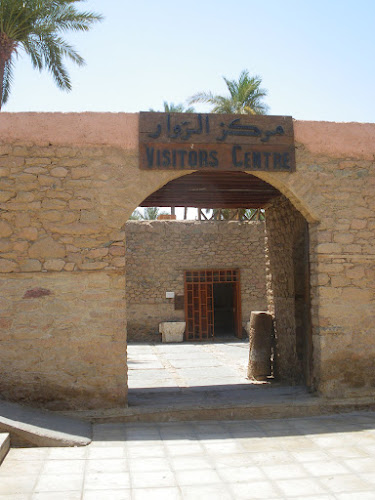
Aqaba Museum
About Aqaba Museum
The Aqaba Museum is one of those places that quietly surprises you. At first glance, it might not look like the grand museums you’d find in big cities, but once you step inside, you realize it’s got its own charm and depth. This isn’t a museum that tries to overwhelm with flashy displays—it’s more about telling the story of Aqaba’s long history as a port city and its role in connecting cultures. You’ll find artifacts that go back centuries, including stone tablets from the 7th century that feel almost surreal to stand in front of. Personally, I found myself lingering longer than I expected, just imagining the hands that carved those inscriptions and the lives they touched.
It’s not a massive building where you’ll get lost for hours, but that’s kind of the beauty of it. You can take your time, move at your own pace, and really soak up the details. Some travelers might say it’s a bit modest, but others (myself included) would argue that’s exactly what makes it worth visiting. The museum has a certain authenticity that makes you feel connected to Aqaba’s past without needing to sift through endless exhibits. It’s informative, approachable, and honestly, quite beautiful in its simplicity.
Accessibility is clearly considered here too. The entrance, parking, and restrooms are wheelchair-friendly, which makes it a lot easier for families and travelers with mobility needs. And yes, it’s kid-friendly as well—I saw a few children wandering around with their parents, and they seemed genuinely curious about the artifacts. It’s not the kind of museum where kids will get bored within five minutes, which is always a win if you’re traveling as a family. Plus, with restrooms and even a restaurant available, it’s practical for a longer stop during your day exploring Aqaba.
Key Features
- Collection of archaeological artifacts that highlight Aqaba’s history as a port city
- 7th-century stone tablets that showcase early Islamic inscriptions
- Wheelchair accessible entrance, parking, and restrooms for ease of access
- Kid-friendly environment suitable for families
- On-site amenities including restrooms and a restaurant
- Manageable size that allows for a relaxed, unhurried visit
Best Time to Visit
If you’re wondering when to go, I’d say mornings are the sweet spot. The museum isn’t typically crowded, but going earlier in the day means you’ll have more space to wander without bumping into too many tour groups. Aqaba itself can get pretty hot, especially in summer, and trust me, walking around in the midday heat before or after a museum visit isn’t always fun. Spring and autumn are generally the most comfortable seasons to travel in Jordan, and that applies here too. The weather is pleasant, and you’ll enjoy exploring the city around the museum without feeling drained by the sun.
That said, if you’re someone who enjoys quieter, reflective visits, late afternoons can also be a great time. There’s something about the golden light filtering through the windows that adds to the atmosphere. Just make sure you double-check the opening hours so you don’t cut your visit short.
How to Get There
Getting to the Aqaba Museum is quite straightforward since it’s located in the heart of the city. If you’re staying in Aqaba, you can probably walk there from many of the main hotels or take a short taxi ride. The city itself isn’t too sprawling, so you’re not going to spend ages stuck in traffic. For those coming from further afield, like Wadi Rum or Petra, Aqaba is usually part of a broader travel itinerary, and the museum makes for a nice cultural stop once you’re in town.
I’ve personally walked there from the waterfront area, and it took maybe 10 minutes at a leisurely pace. And honestly, walking through Aqaba’s streets is part of the fun—you get a feel for the city’s rhythm, the shops, the food stalls, and the general buzz. If you’re not up for walking, taxis are plentiful and affordable, and most drivers will know exactly where to take you if you just say "the museum."
Tips for Visiting
Here are a few things I’ve learned from my own visit and from chatting with other travelers:
- Don’t rush it: Even though the museum isn’t huge, give yourself at least an hour to wander, read, and reflect. The artifacts deserve more than a quick glance.
- Bring water: Aqaba can be warm year-round, and you’ll want to stay hydrated, especially if you’re walking to and from the museum.
- Pair it with nearby attractions: The museum is close to other cultural and historical sites, so it makes sense to plan a half-day exploring the area.
- Ask questions: The staff are usually quite friendly and knowledgeable. If you’re curious about an artifact, don’t hesitate to ask—they often share details you won’t find on the placards.
- Be realistic with expectations: This is not a massive, high-tech museum. It’s more intimate and focused, and that’s part of its charm. If you go in expecting that, you’ll enjoy it much more.
- Photography: Always check the rules before snapping photos. Some exhibits may not allow it, and you don’t want to get caught off guard.
One last thing I’d say is to keep an open mind. Some people breeze through and say it’s too small, but I think that misses the point. The Aqaba Museum isn’t trying to compete with the Louvre or the British Museum—it’s telling the story of a city that has been a crossroads of trade and culture for centuries. And when you look at it through that lens, it becomes a much richer experience. If you’re the kind of traveler who enjoys connecting with the history of the places you visit, you’ll find a lot to appreciate here.
Key Features
- Collection of archaeological artifacts that highlight Aqaba’s history as a port city
- 7th-century stone tablets that showcase early Islamic inscriptions
- Wheelchair accessible entrance, parking, and restrooms for ease of access
- Kid-friendly environment suitable for families
- On-site amenities including restrooms and a restaurant
- Manageable size that allows for a relaxed, unhurried visit
You Might Also Like

#HeartJerash Sign
Abu Darwish Mosque

Ajloun Tourist Park
Tours & Activities
GetYourGuide provides this tour inventory. We may earn a commission if you book through it; verify current availability, prices, and terms with the provider.
Visitor Reviews
There are no reviews yet. Be the first one to write one.
Share Your Experience
Have you visited Aqaba Museum? Help other travelers by leaving a review.