
Amarillo Railroad Museum, Inc.
About Amarillo Railroad Museum, Inc.
Description
The Amarillo Railroad Museum, Inc. is a compact, hands-on museum that doubles as a model railroad showcase and a local-history trove. Currently closed to the public due to the public health emergency, the museum preserves and interprets the railroad story of the Amarillo area and holds an interesting collection of Department of Energy artifacts tied to regional rail logistics. It bills itself as veteran-owned, and that sense of caretaking—quiet, steady, no-nonsense—shows through in the displays and in the volunteers who keep the place alive.
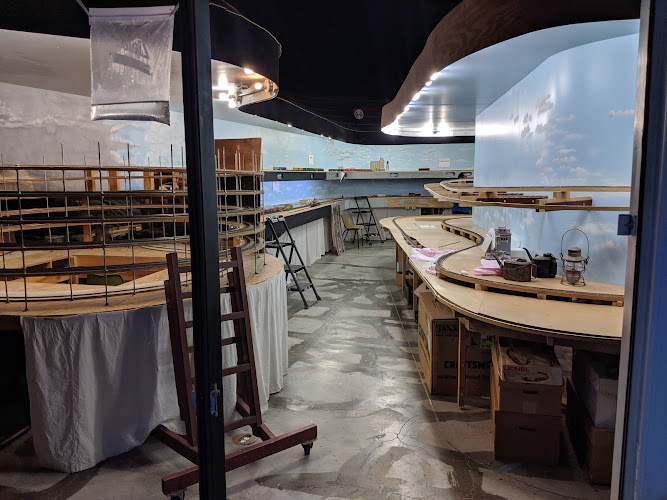
Visitors who have seen the museum in better days often remember the model layout first. It’s not some flashy, overscaled tourist spectacle; it’s a lovingly detailed miniature landscape that captures the feel of northern Texas railroading: grain elevators, long freight consists, and little human vignettes that make you lean in. And yes, if one person can get unexpectedly sentimental about balletically timed freight movements, it’s this writer. The model railroad runs on a schedule during open hours—when it’s open—and the mechanical clack and hum of locomotives threading through tiny towns is the kind of simple wonder that hooks kids and old-timers alike.
Beyond the dioramas, the museum’s collection emphasizes local operations and equipment. There are interpretive panels, preserved artefacts, and a handful of rolling-stock elements that tell the story of Amarillo as a rail junction and service point. A notable thread in the museum’s narrative is the role rail played in Department of Energy activities—logistics, transport, and regional impacts—which is a less-common angle than the usual steam-and-diesel storyline. For those curious about Cold War logistics or industrial rail functions, that emphasis feels fresh and a bit unexpectedly thoughtful.
The site caters to families and kids, and practical things are covered: the museum lists wheelchair accessible entrance, parking, and restroom facilities, and a gift shop for the small souvenirs people love to take home. Tours are offered by volunteers when operations permit, and those guided walkthroughs are often where the museum’s personality shines brightest—stories, local anecdotes, and the kind of context that makes the exhibits mean something. The whole operation has a volunteer-run charm: it’s earnest, occasionally rustic, and intentionally modest. People who expect a polished, big-budget experience may be surprised; those who enjoy grassroots, community-driven collections usually leave satisfied.
Because the museum is currently closed for public health reasons, the best-laid plans should include a web or phone check (once public operations resume) before heading out. The closure is a temporary, practical measure; the staff and volunteers are using the pause to maintain exhibits and plan for safe, phased reopenings. When it reopens, visitors can expect an intimate museum visit rather than an all-day destination—perfect if a traveler wants a focused, meaningful stop that complements other Amarillo attractions.
Key Features
- Combined model railroad exhibit and local railroad history museum—an engaging mix of scenes and artifacts
- Focus on Amarillo-area railroad history plus Department of Energy-related rail items
- Veteran-owned with a volunteer-driven operational model that emphasizes community stewardship
- Wheelchair accessible entrance, parking, and restroom—designed to welcome mobility-impaired visitors
- On-site parking for easy drop-off and short walks from the lot to the entrance
- Guided tours available from knowledgeable volunteers when open
- Family-friendly layout and kid-oriented details in the model railroad displays
- Small gift shop with railroad-themed keepsakes and local mementos
- Restroom facilities on site for convenience during visits
- An intimate, low-key museum experience—best for visitors who appreciate authenticity over spectacle
Best Time to Visit
Timing matters for the Amarillo Railroad Museum, and not just because of the weather. The museum tends to feel most relaxed and informative on weekday mornings, when volunteer docents can give more personal attention and the model railroad runs with fewer interruptions. But right now the single most important timing consideration is the closure. Check reopening notices carefully—once reopened, off-peak hours will still be the sweet spot.
Seasonally, spring and fall are the friendliest times to visit Amarillo at large. The heat of high summer can be draining if plans involve outdoor walking before or after the museum, and winter can bring unpredictability. If a traveler is building an itinerary that pairs the museum with other regional stops—museums, parks, or restaurants—aim for a mid-morning slot to leave room for a relaxed lunch and an afternoon activity.
Special events, like model-railroad running days or veteran appreciation events, usually draw extra crowds but also deliver the richest experience. Those are the days when volunteers fire up additional displays, run longer demonstration schedules, and tell longer stories. If a traveler wants the full, small-town railroad festival vibe, seek out those event dates—just expect a busier room and more kids with wide eyes.
How to Get There
The Amarillo Railroad Museum is reached most conveniently by car. Amarillo’s layout and road network make driving the straightforward choice for out-of-town visitors. The museum sits in an area with on-site parking, so arriving by personal vehicle or rental car usually means minimal walking from car to entrance—handy if you’ve got kids, camera gear, or mobility considerations.
Rideshare and taxi services can drop visitors close to the entry, and the museum’s accessible parking lot simplifies drop-offs for those who need a short walk. Public transit options in Amarillo exist but are less convenient for museum trips; travelers relying on buses should plan for a longer walk or a short local taxi ride from the nearest stop.
Parking is on-site and typically straightforward. Because the museum is compact, navigation within the property is simple—no sprawling campuses or long shuttles. If a traveler is building a day around rail-related or historical stops, it’s easy to plot a route that includes this museum and other Amarillo attractions without wasting much time on transfers or complicated logistics.
Tips for Visiting
Plan ahead: the single best tip is to confirm reopening status and hours before leaving. The museum’s closure for public health reasons means schedules can change, and volunteer staffing sometimes affects tour availability. A quick call or update check can save an unnecessary trip.
Bring a camera and an appetite for small details. The model railroad rewards close inspection: tiny signs, scaled-out food trucks, and time-of-day lighting effects that make scenes pop. The writer remembers crouching at a corner of the layout and laughing out loud at a miniature diner with a full parking lot—it’s the kind of moment that sticks with you longer than a glossy exhibit hall.
Expect an intimate visit. Give the museum about an hour to 90 minutes to see the layout, read the panels, and take in the rolling-stock pieces. That’s usually enough for a relaxed tour and a stop in the gift shop. If a guided volunteer tour is running, tack on extra time—those talks often add context and local color that the displays alone don’t convey.
Keep accessibility in mind. The museum lists a wheelchair accessible entrance and restroom, and parking is designed for easy access. But some historic train cars and older rolling stock may have steps or narrow doorways; if full interior access to specific cars is important, ask ahead. Volunteers are generally helpful and will explain what is and isn’t physically accessible.
Children respond well here. The model railroad is a magnet for young visitors, and docents often tailor explanations to curious kids. Bring a small snack or plan a post-visit treat—kids can tire quickly, and a short break helps everyone enjoy the experience. And yes, this place sparks curiosity; the writer once watched a kid map an imaginary freight route across the table with a toy truck and felt exactly what the museum hopes to inspire.
Support the museum if you can. It’s largely volunteer-run and benefits from donations, purchases at the gift shop, and word-of-mouth. Even small contributions help preserve the exhibits and fund maintenance. If someone in your travel party has railroad knowledge, consider asking if they’d like to volunteer time; local museums like this often rely on community expertise to stay vibrant.
Combine the visit thoughtfully. Because the museum is small and focused, it pairs well with other nearby stops—historic downtown sites, parks, or eateries that serve local flavors. Use the museum as a deliberate cultural pause in the day, not the whole day’s plan, and you’ll leave satisfied rather than rushed.
Watch for special programming. The museum’s running days, demonstration schedules, and special presentations offer a livelier experience than a quiet weekday visit. Those events are also the best time to ask detailed questions: volunteers enjoy sharing stories about local railroad lore, restoration challenges, and the oddities of Department of Energy logistics that intersected with rail operations.
Finally, be patient and bring curiosity. The Amarillo Railroad Museum is not a flashy megaplex—it’s a community-minded spot that rewards slow looking and a willingness to listen. When the doors are open again, visitors who approach it with interest and a relaxed schedule will find more than model trains; they’ll find stories, hands-on detail, and a slice of Amarillo history that lingers after the trip home.
Key Features
- Authentic U.S. Department of Energy “White Train” car on outdoor display
- Historic ATSF (Santa Fe) rolling stock and restoration projects
- Large indoor HO-scale model railroad recreating the Panhandle route
- Phillip Pratt Memorial Garden Railway for family-friendly viewing
- Volunteer-run, community-focused exhibits with local railroad artifacts
More Details
Updated August 30, 2025
Table of Contents
Description
The Amarillo Railroad Museum, Inc. is a compact, hands-on museum that doubles as a model railroad showcase and a local-history trove. Currently closed to the public due to the public health emergency, the museum preserves and interprets the railroad story of the Amarillo area and holds an interesting collection of Department of Energy artifacts tied to regional rail logistics. It bills itself as veteran-owned, and that sense of caretaking—quiet, steady, no-nonsense—shows through in the displays and in the volunteers who keep the place alive.
Visitors who have seen the museum in better days often remember the model layout first. It’s not some flashy, overscaled tourist spectacle; it’s a lovingly detailed miniature landscape that captures the feel of northern Texas railroading: grain elevators, long freight consists, and little human vignettes that make you lean in. And yes, if one person can get unexpectedly sentimental about balletically timed freight movements, it’s this writer. The model railroad runs on a schedule during open hours—when it’s open—and the mechanical clack and hum of locomotives threading through tiny towns is the kind of simple wonder that hooks kids and old-timers alike.
Beyond the dioramas, the museum’s collection emphasizes local operations and equipment. There are interpretive panels, preserved artefacts, and a handful of rolling-stock elements that tell the story of Amarillo as a rail junction and service point. A notable thread in the museum’s narrative is the role rail played in Department of Energy activities—logistics, transport, and regional impacts—which is a less-common angle than the usual steam-and-diesel storyline. For those curious about Cold War logistics or industrial rail functions, that emphasis feels fresh and a bit unexpectedly thoughtful.
The site caters to families and kids, and practical things are covered: the museum lists wheelchair accessible entrance, parking, and restroom facilities, and a gift shop for the small souvenirs people love to take home. Tours are offered by volunteers when operations permit, and those guided walkthroughs are often where the museum’s personality shines brightest—stories, local anecdotes, and the kind of context that makes the exhibits mean something. The whole operation has a volunteer-run charm: it’s earnest, occasionally rustic, and intentionally modest. People who expect a polished, big-budget experience may be surprised; those who enjoy grassroots, community-driven collections usually leave satisfied.
Because the museum is currently closed for public health reasons, the best-laid plans should include a web or phone check (once public operations resume) before heading out. The closure is a temporary, practical measure; the staff and volunteers are using the pause to maintain exhibits and plan for safe, phased reopenings. When it reopens, visitors can expect an intimate museum visit rather than an all-day destination—perfect if a traveler wants a focused, meaningful stop that complements other Amarillo attractions.
Key Features
- Combined model railroad exhibit and local railroad history museum—an engaging mix of scenes and artifacts
- Focus on Amarillo-area railroad history plus Department of Energy-related rail items
- Veteran-owned with a volunteer-driven operational model that emphasizes community stewardship
- Wheelchair accessible entrance, parking, and restroom—designed to welcome mobility-impaired visitors
- On-site parking for easy drop-off and short walks from the lot to the entrance
- Guided tours available from knowledgeable volunteers when open
- Family-friendly layout and kid-oriented details in the model railroad displays
- Small gift shop with railroad-themed keepsakes and local mementos
- Restroom facilities on site for convenience during visits
- An intimate, low-key museum experience—best for visitors who appreciate authenticity over spectacle
Best Time to Visit
Timing matters for the Amarillo Railroad Museum, and not just because of the weather. The museum tends to feel most relaxed and informative on weekday mornings, when volunteer docents can give more personal attention and the model railroad runs with fewer interruptions. But right now the single most important timing consideration is the closure. Check reopening notices carefully—once reopened, off-peak hours will still be the sweet spot.
Seasonally, spring and fall are the friendliest times to visit Amarillo at large. The heat of high summer can be draining if plans involve outdoor walking before or after the museum, and winter can bring unpredictability. If a traveler is building an itinerary that pairs the museum with other regional stops—museums, parks, or restaurants—aim for a mid-morning slot to leave room for a relaxed lunch and an afternoon activity.
Special events, like model-railroad running days or veteran appreciation events, usually draw extra crowds but also deliver the richest experience. Those are the days when volunteers fire up additional displays, run longer demonstration schedules, and tell longer stories. If a traveler wants the full, small-town railroad festival vibe, seek out those event dates—just expect a busier room and more kids with wide eyes.
How to Get There
The Amarillo Railroad Museum is reached most conveniently by car. Amarillo’s layout and road network make driving the straightforward choice for out-of-town visitors. The museum sits in an area with on-site parking, so arriving by personal vehicle or rental car usually means minimal walking from car to entrance—handy if you’ve got kids, camera gear, or mobility considerations.
Rideshare and taxi services can drop visitors close to the entry, and the museum’s accessible parking lot simplifies drop-offs for those who need a short walk. Public transit options in Amarillo exist but are less convenient for museum trips; travelers relying on buses should plan for a longer walk or a short local taxi ride from the nearest stop.
Parking is on-site and typically straightforward. Because the museum is compact, navigation within the property is simple—no sprawling campuses or long shuttles. If a traveler is building a day around rail-related or historical stops, it’s easy to plot a route that includes this museum and other Amarillo attractions without wasting much time on transfers or complicated logistics.
Tips for Visiting
Plan ahead: the single best tip is to confirm reopening status and hours before leaving. The museum’s closure for public health reasons means schedules can change, and volunteer staffing sometimes affects tour availability. A quick call or update check can save an unnecessary trip.
Bring a camera and an appetite for small details. The model railroad rewards close inspection: tiny signs, scaled-out food trucks, and time-of-day lighting effects that make scenes pop. The writer remembers crouching at a corner of the layout and laughing out loud at a miniature diner with a full parking lot—it’s the kind of moment that sticks with you longer than a glossy exhibit hall.
Expect an intimate visit. Give the museum about an hour to 90 minutes to see the layout, read the panels, and take in the rolling-stock pieces. That’s usually enough for a relaxed tour and a stop in the gift shop. If a guided volunteer tour is running, tack on extra time—those talks often add context and local color that the displays alone don’t convey.
Keep accessibility in mind. The museum lists a wheelchair accessible entrance and restroom, and parking is designed for easy access. But some historic train cars and older rolling stock may have steps or narrow doorways; if full interior access to specific cars is important, ask ahead. Volunteers are generally helpful and will explain what is and isn’t physically accessible.
Children respond well here. The model railroad is a magnet for young visitors, and docents often tailor explanations to curious kids. Bring a small snack or plan a post-visit treat—kids can tire quickly, and a short break helps everyone enjoy the experience. And yes, this place sparks curiosity; the writer once watched a kid map an imaginary freight route across the table with a toy truck and felt exactly what the museum hopes to inspire.
Support the museum if you can. It’s largely volunteer-run and benefits from donations, purchases at the gift shop, and word-of-mouth. Even small contributions help preserve the exhibits and fund maintenance. If someone in your travel party has railroad knowledge, consider asking if they’d like to volunteer time; local museums like this often rely on community expertise to stay vibrant.
Combine the visit thoughtfully. Because the museum is small and focused, it pairs well with other nearby stops—historic downtown sites, parks, or eateries that serve local flavors. Use the museum as a deliberate cultural pause in the day, not the whole day’s plan, and you’ll leave satisfied rather than rushed.
Watch for special programming. The museum’s running days, demonstration schedules, and special presentations offer a livelier experience than a quiet weekday visit. Those events are also the best time to ask detailed questions: volunteers enjoy sharing stories about local railroad lore, restoration challenges, and the oddities of Department of Energy logistics that intersected with rail operations.
Finally, be patient and bring curiosity. The Amarillo Railroad Museum is not a flashy megaplex—it’s a community-minded spot that rewards slow looking and a willingness to listen. When the doors are open again, visitors who approach it with interest and a relaxed schedule will find more than model trains; they’ll find stories, hands-on detail, and a slice of Amarillo history that lingers after the trip home.
Key Highlights
- Authentic U.S. Department of Energy “White Train” car on outdoor display
- Historic ATSF (Santa Fe) rolling stock and restoration projects
- Large indoor HO-scale model railroad recreating the Panhandle route
- Phillip Pratt Memorial Garden Railway for family-friendly viewing
- Volunteer-run, community-focused exhibits with local railroad artifacts
Location
Places to Stay Near Amarillo Railroad Museum, Inc.
Find and Book a Tour
Explore More Travel Guides
No reviews found! Be the first to review!
Traveler Reviews for Amarillo Railroad Museum, Inc.
There are no reviews yet. Be the first one to write one.
Have you visited Amarillo Railroad Museum, Inc.? Help other travelers by sharing your review.
Nearby Attractions
You Might Also Like
Harrington House Historic Home
Cadillac Ranch

Kwahadi Museum of the American Indian
Find Accommodations Nearby
Recommended Tours & Activities
Visitor Reviews
There are no reviews yet. Be the first one to write one.
Share Your Experience
Have you visited Amarillo Railroad Museum, Inc.? Help other travelers by leaving a review.