About Amalienborg Museum

Description

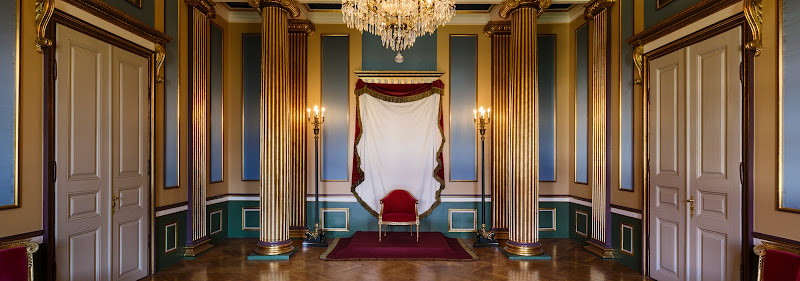
Amalienborg Museum feels like stepping into a living piece of Danish royal history. It sits right in the heart of Copenhagen, tucked inside the elegant Christian VIII’s Palace. The moment one walks through those grand doors, there’s this quiet sense of reverence — like the walls themselves have stories to whisper. The museum gives travelers a rare peek into the private lives of the Danish royal family, past and present. It’s not one of those sterile, overly polished museums either; it’s intimate, personal, and, honestly, a little awe-inspiring. Visitors can wander through beautifully preserved rooms filled with portraits, antiques, and royal heirlooms that look as though someone just stepped out for tea. The detailing — from the chandeliers to the gilded mirrors — reminds you this was (and still is) a royal residence. And if you time it right, you’ll catch the changing of the guard outside, which adds a touch of ceremony and pomp to the experience. Not every visitor walks away equally enchanted, though. Some find it smaller than expected, while others are completely taken by its authenticity. Personally, I think that’s part of its charm. It’s not about grandeur for grandeur’s sake — it’s about the human side of royalty. You see family photos, personal objects, and even the rooms where modern monarchs have lived and worked. It’s the kind of place that makes history feel tangible, not distant. And let’s be honest — there’s something quietly thrilling about standing in the same halls where centuries of kings and queens have walked. Whether you’re a history buff, an architecture lover, or just someone curious about royal life, Amalienborg Museum has this understated magic that lingers long after you’ve stepped back out into the square.

Key Features

  • Authentic royal interiors showcasing centuries of Danish monarchy
  • Live performances and ceremonial events, including the daily changing of the guard
  • Wheelchair accessible entrance and restrooms for inclusive access
  • Gender-neutral restrooms and a welcoming, family-friendly environment
  • Wi-Fi available throughout the museum for easy sharing of your visit
  • Engaging exhibits that blend personal royal artifacts with historical storytelling
  • Interactive displays that bring Denmark’s royal heritage to life
  • Located within an active royal palace still used by the Danish royal family

Best Time to Visit

If you ask me, Copenhagen has its own rhythm, and Amalienborg Museum fits right into it. The best time to visit really depends on what kind of experience you’re after. Spring and early summer (April through June) are lovely — the weather’s mild, the gardens nearby are in bloom, and the city feels alive without being too crowded. I once visited in May, and the light that poured through the palace windows gave everything this golden glow that felt straight out of a painting. Winter visits, though, have their own quiet charm. Fewer crowds mean you can take your time in each room, soaking in the details. Plus, the royal square blanketed in a bit of snow? It’s postcard-perfect. Just be prepared for shorter daylight hours and bundle up — Copenhagen can get chilly. If you’re keen on catching the changing of the guard, plan to arrive before noon. It’s one of those little rituals that’s worth seeing at least once. And if you prefer fewer tourists, aim for weekday mornings. There’s something special about having those opulent halls almost to yourself.

How to Get There

Reaching Amalienborg Museum is straightforward, and part of the fun is the journey itself. Most travelers stay somewhere central in Copenhagen, and from there, it’s an easy walk or short bus ride. If you’re like me and enjoy wandering, stroll along the harbor from Nyhavn — it’s a scenic route that makes you feel like you’re walking through a postcard. Public transportation in Copenhagen is efficient and reliable. The nearest metro stop is just a few minutes away, and buses stop close to the palace square. If you prefer biking (because, let’s face it, that’s the Copenhagen way), there are plenty of bike rental options around the city. Taxis and rideshares are also available, though honestly, walking gives you the best sense of the area. The approach to the palace — with its symmetrical architecture and open square — feels grander on foot. It’s one of those moments where you can’t help but slow down and take it all in.

Tips for Visiting

Here’s the thing about Amalienborg Museum — it rewards curiosity. The more you look, the more you notice. So, take your time. Don’t rush from room to room. Peek at the tiny details: the embroidery on a chair, the brushstrokes in a portrait, the way light plays off a gilded frame. If you’re planning your visit, here are a few tips from experience:

  • Arrive early: It’s quieter in the morning, and you’ll have a better view of the guard ceremony if you get there before the crowds.
  • Check the schedule: The museum sometimes hosts special exhibits or performances — worth timing your visit for.
  • Bring a light jacket: Even in summer, Copenhagen breezes can be cool, especially if you linger outside after your visit.
  • Photography: You can take photos in most areas, but always check signage. Some rooms are off-limits for flash photography.
  • Accessibility: The museum is wheelchair accessible, though the cobblestone square outside can be a bit uneven.
  • Combine your visit: Pair it with nearby attractions like the Marble Church or the harbor area — everything’s within walking distance.
  • Take a moment outside: After your visit, stand in the square and just look around. The symmetry of the four palaces and the sense of history in the air — it’s quietly breathtaking.

Visiting Amalienborg Museum isn’t just about ticking off another attraction. It’s about feeling, for a brief moment, like you’re part of Denmark’s ongoing royal story. It’s the kind of place that lingers in your memory — not because it’s flashy or overwhelming, but because it feels real. You walk away with a deeper appreciation for how history and modern life intertwine in this beautiful corner of Copenhagen.

Key Features

  • Authentic royal interiors showcasing centuries of Danish monarchy
  • Live performances and ceremonial events, including the daily changing of the guard
  • Wheelchair accessible entrance and restrooms for inclusive access
  • Gender-neutral restrooms and a welcoming, family-friendly environment
  • Wi-Fi available throughout the museum for easy sharing of your visit
  • Engaging exhibits that blend personal royal artifacts with historical storytelling
  • Interactive displays that bring Denmark’s royal heritage to life
  • Located within an active royal palace still used by the Danish royal family

More Details

Updated October 10, 2025


Description

Amalienborg Museum feels like stepping into a living piece of Danish royal history. It sits right in the heart of Copenhagen, tucked inside the elegant Christian VIII’s Palace. The moment one walks through those grand doors, there’s this quiet sense of reverence — like the walls themselves have stories to whisper. The museum gives travelers a rare peek into the private lives of the Danish royal family, past and present. It’s not one of those sterile, overly polished museums either; it’s intimate, personal, and, honestly, a little awe-inspiring.

Visitors can wander through beautifully preserved rooms filled with portraits, antiques, and royal heirlooms that look as though someone just stepped out for tea. The detailing — from the chandeliers to the gilded mirrors — reminds you this was (and still is) a royal residence. And if you time it right, you’ll catch the changing of the guard outside, which adds a touch of ceremony and pomp to the experience.

Not every visitor walks away equally enchanted, though. Some find it smaller than expected, while others are completely taken by its authenticity. Personally, I think that’s part of its charm. It’s not about grandeur for grandeur’s sake — it’s about the human side of royalty. You see family photos, personal objects, and even the rooms where modern monarchs have lived and worked. It’s the kind of place that makes history feel tangible, not distant.

And let’s be honest — there’s something quietly thrilling about standing in the same halls where centuries of kings and queens have walked. Whether you’re a history buff, an architecture lover, or just someone curious about royal life, Amalienborg Museum has this understated magic that lingers long after you’ve stepped back out into the square.

Key Features

  • Authentic royal interiors showcasing centuries of Danish monarchy
  • Live performances and ceremonial events, including the daily changing of the guard
  • Wheelchair accessible entrance and restrooms for inclusive access
  • Gender-neutral restrooms and a welcoming, family-friendly environment
  • Wi-Fi available throughout the museum for easy sharing of your visit
  • Engaging exhibits that blend personal royal artifacts with historical storytelling
  • Interactive displays that bring Denmark’s royal heritage to life
  • Located within an active royal palace still used by the Danish royal family

Best Time to Visit

If you ask me, Copenhagen has its own rhythm, and Amalienborg Museum fits right into it. The best time to visit really depends on what kind of experience you’re after. Spring and early summer (April through June) are lovely — the weather’s mild, the gardens nearby are in bloom, and the city feels alive without being too crowded. I once visited in May, and the light that poured through the palace windows gave everything this golden glow that felt straight out of a painting.

Winter visits, though, have their own quiet charm. Fewer crowds mean you can take your time in each room, soaking in the details. Plus, the royal square blanketed in a bit of snow? It’s postcard-perfect. Just be prepared for shorter daylight hours and bundle up — Copenhagen can get chilly.

If you’re keen on catching the changing of the guard, plan to arrive before noon. It’s one of those little rituals that’s worth seeing at least once. And if you prefer fewer tourists, aim for weekday mornings. There’s something special about having those opulent halls almost to yourself.

How to Get There

Reaching Amalienborg Museum is straightforward, and part of the fun is the journey itself. Most travelers stay somewhere central in Copenhagen, and from there, it’s an easy walk or short bus ride. If you’re like me and enjoy wandering, stroll along the harbor from Nyhavn — it’s a scenic route that makes you feel like you’re walking through a postcard.

Public transportation in Copenhagen is efficient and reliable. The nearest metro stop is just a few minutes away, and buses stop close to the palace square. If you prefer biking (because, let’s face it, that’s the Copenhagen way), there are plenty of bike rental options around the city.

Taxis and rideshares are also available, though honestly, walking gives you the best sense of the area. The approach to the palace — with its symmetrical architecture and open square — feels grander on foot. It’s one of those moments where you can’t help but slow down and take it all in.

Tips for Visiting

Here’s the thing about Amalienborg Museum — it rewards curiosity. The more you look, the more you notice. So, take your time. Don’t rush from room to room. Peek at the tiny details: the embroidery on a chair, the brushstrokes in a portrait, the way light plays off a gilded frame.

If you’re planning your visit, here are a few tips from experience:

  • Arrive early: It’s quieter in the morning, and you’ll have a better view of the guard ceremony if you get there before the crowds.
  • Check the schedule: The museum sometimes hosts special exhibits or performances — worth timing your visit for.
  • Bring a light jacket: Even in summer, Copenhagen breezes can be cool, especially if you linger outside after your visit.
  • Photography: You can take photos in most areas, but always check signage. Some rooms are off-limits for flash photography.
  • Accessibility: The museum is wheelchair accessible, though the cobblestone square outside can be a bit uneven.
  • Combine your visit: Pair it with nearby attractions like the Marble Church or the harbor area — everything’s within walking distance.
  • Take a moment outside: After your visit, stand in the square and just look around. The symmetry of the four palaces and the sense of history in the air — it’s quietly breathtaking.

Visiting Amalienborg Museum isn’t just about ticking off another attraction. It’s about feeling, for a brief moment, like you’re part of Denmark’s ongoing royal story. It’s the kind of place that lingers in your memory — not because it’s flashy or overwhelming, but because it feels real. You walk away with a deeper appreciation for how history and modern life intertwine in this beautiful corner of Copenhagen.

Key Highlights

  • Authentic royal interiors showcasing centuries of Danish monarchy
  • Live performances and ceremonial events, including the daily changing of the guard
  • Wheelchair accessible entrance and restrooms for inclusive access
  • Gender-neutral restrooms and a welcoming, family-friendly environment
  • Wi-Fi available throughout the museum for easy sharing of your visit
  • Engaging exhibits that blend personal royal artifacts with historical storytelling
  • Interactive displays that bring Denmark’s royal heritage to life
  • Located within an active royal palace still used by the Danish royal family

Location

Places to Stay Near Amalienborg Museum

Find and Book a Tour

Explore More Travel Guides

No reviews found! Be the first to review!

Traveler Reviews for Amalienborg Museum

There are no reviews yet. Be the first one to write one.

Share Your Experience

Have you visited Amalienborg Museum? Help other travelers by sharing your review.

Find Accommodations Nearby

Recommended Tours & Activities

Visitor Reviews

There are no reviews yet. Be the first one to write one.

Share Your Experience

Have you visited Amalienborg Museum? Help other travelers by leaving a review.