
Albacete Museum
About Albacete Museum
Description
The Albacete Museum sits amid the leafy expanse of Parque de Abelardo Sánchez and serves as a compact but surprisingly rich window into the province’s past and creative present. It presents local history, regional art and a solid archaeological collection under one roof, so the traveler who expects silos will be pleasantly surprised: archaeology and contemporary art chat across the same galleries. The museum’s design is unpretentious; galleries are laid out for easy circulation, with clear signage and pauses that invite close looking rather than rushed glances.
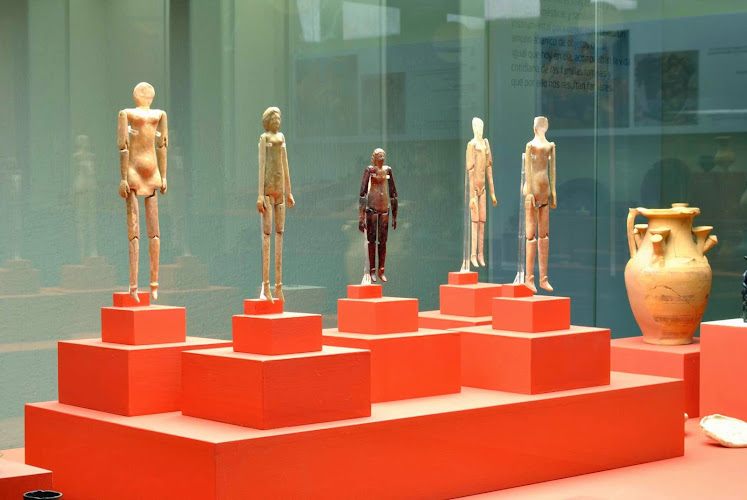
For those keen on archaeology, the displays trace human activity in Albacete province from prehistoric times through the Roman era and into the medieval period. Stone tools, ceramics, and funerary items are shown alongside explanatory panels that do a good job explaining why a shard of pottery matters — often the most mundane object tells the biggest story about how people lived. The art rooms complement the archaeological sections by focusing on local painters and sculptors, some familiar at a regional level and others who are quietly brilliant but under the radar. It’s a nice balance: material culture and aesthetic expression side by side.
Accessibility is a practical strength. The entrance is wheelchair accessible and there are accessible restrooms — details that matter more than they seem until one needs them. Facilities include clean restrooms, and while there is no on-site restaurant, the surrounding park and nearby cafes make for easy options when hunger strikes. Families find the museum accommodating; it’s flagged as good for kids, with exhibits laid out in readable chunks and enough variety to hold shorter attention spans. Many visitors spend between 60 and 120 minutes here, though curious types who read every label could easily linger longer.
There’s a rhythm to a visit that travelers tend to appreciate: start with archaeology to get a chronological sense of the land, then drift into the art spaces where contemporary or regional voices offer a modern response to the past. And the museum’s location inside Parque de Abelardo Sánchez is a genuine perk — after a gallery walk, the park invites a slow-down: bench, ice cream, and people-watching are all part of the experience. It’s not a blockbuster museum, nor does it aim to be. Instead it offers focused collections, approachable interpretation, and a clear sense of place: Albacete Spain, its history and its creative life.
Less obvious points that seasoned visitors mention: temporary exhibitions often bring in themes that contrast with the permanent collection, educational workshops appear with some regularity, and small curatorial touches — a well-placed timeline, a tactile replica here and there — help the content land. It’s also one of those museums where local volunteers or guides can add an extra layer of storytelling; ask politely and they’ll often fill in histories that don’t make it onto placards. That kind of human context is, frankly, the best part of visiting smaller regional museums.
Key Features
- Multi-disciplinary collections: local history, archaeology, and regional art displayed together for context-driven visits
- Accessible facilities: wheelchair accessible entrance and restroom for ease of movement
- Family-friendly layout: exhibits suitable for children with short, engaging galleries
- Clear interpretation: concise labels and timelines help non-specialists follow complex histories
- Location advantage: set inside Parque de Abelardo Sánchez, offering easy green-space breaks before or after the visit
- No on-site restaurant, but nearby cafes and park picnic spots provide food options
- Temporary exhibitions and educational programs rotate regularly, adding fresh reasons to return
- Restroom facilities on-site for visitor convenience
Best Time to Visit
The best months to plan a visit are spring and autumn when Albacete Spain has the most agreeable temperatures for mixing city sightseeing with park time. Summers can be quite hot inland, so early morning visits during July and August are recommended to avoid both crowds and heat. Late morning — right after opening — tends to be pleasantly quiet, giving the visitor space to absorb displays without rush. Weekdays are generally less crowded than weekends; if someone wants to snap photos or linger over label text, a weekday slot mid-morning is ideal.
Seasonal programming also matters. Many museums in the region time temporary exhibitions or educational workshops to school calendars and cultural festivals; checking the museum’s schedule before a trip can reveal special events that make a visit unexpectedly memorable. For those who like to pair green space with galleries, a midweek picnic in the park after the museum visit is a low-effort but high-reward plan.
For photographers and casual sightseers, golden hour in the park after an early-afternoon museum stop is a lovely bonus — shadows lengthen, the light warms, and the city feels more intimate. But if the objective is to see a temporary exhibition that’s limited-run, aim to go sooner rather than later: these shows can close without much notice.
How to Get There
The museum’s position inside Parque de Abelardo Sánchez makes it quite easy to reach from the central parts of Albacete. Many visitors find it straightforward to walk from the city center, especially if they’re staying nearby; it’s one of those pleasant urban strolls that includes cafes and small shops en route. For those arriving by public transport, local buses serve routes that stop near the park; bus stops are usually a short walk from the museum gates.
Taxis and rideshare services drop visitors off conveniently at the park’s perimeter. Drivers generally know the park well, so a simple instruction mentioning the park and the museum name usually does the trick. If arriving by car, drivers should be prepared that parking options vary; on busy days parking near the park can be limited, so allow a few extra minutes to find a space or consider parking slightly further away and walking in.
Cyclists are also catered for: the park offers pleasant paths and some bike racks nearby, making a combined bike-and-walk day attractive. And for train travelers, Albacete’s main station is not an enormous distance away — plano in hand and a short bus or taxi ride can connect the dots quickly. Overall it’s a museum that rewards slow arrival: stroll, notice a shop window, sip a coffee, then go inside ready to absorb.
Tips for Visiting
Plan for 1–2 hours but allow extra time if the current exhibition sounds intriguing. The museum’s mix of archaeology and art invites slow reading, so leaving wiggle room in the schedule is wise. The visitor who rushes through will miss the small, narrative moments that make the collection memorable.
Check opening hours before setting out. Galleries and temporary shows can have varying schedules and some services may close on certain weekdays or holidays. And because there’s no on-site restaurant, visitors should either eat beforehand, bring a snack, or plan to enjoy one of the nearby cafes or a park bench afterward. A small bottle of water will be appreciated, especially on warmer days.
Photography is often permitted for personal use, but flash and tripods are usually not allowed — typical museum rules. If in doubt, ask at reception; staff are helpful and can point out photography-friendly exhibits. Likewise, if the visitor has mobility needs, the accessible entrance and restroom are real conveniences; it’s still sensible to notify the museum ahead of time for any specialized assistance or to confirm availability of resources.
Families: children respond well to short, theme-based exploration. Try picking one object type—ceramics, for example—and make a slow circuit comparing styles and ages. That kind of focus turns a museum into a game and keeps kids engaged. Also, plan a break in the park after the visit to let everyone stretch and process what they’ve seen.
Bring curiosity more than expertise. The Albacete Museum rewards readers who ask questions and linger near objects — the small details often carry the biggest stories. And while it’s not a major metropolitan museum, its regional soul is precisely what gives it character: intimate exhibits, local voices, and an approachable scale. For the traveler who enjoys understanding place — how people lived, made art, and adapted to changing times — it’s one of those pleasantly surprising stops that enriches a visit to Albacete Spain.
Finally, consider combining the museum with other local attractions in a single day. The park setting makes for easy transitions: gallery, green walk, tapas stop. It’s an efficient, pleasant way to spend a day exploring the city without feeling rushed. Enjoyment often comes from the small, quiet discoveries — a labeled tile that reveals a local trade, an overlooked painting that suddenly speaks — and the Albacete Museum has those moments in spades.
Key Features
- Multi-disciplinary collections: local history, archaeology, and regional art displayed together for context-driven visits
- Accessible facilities: wheelchair accessible entrance and restroom for ease of movement
- Family-friendly layout: exhibits suitable for children with short, engaging galleries
- Clear interpretation: concise labels and timelines help non-specialists follow complex histories
- Location advantage: set inside Parque de Abelardo Sánchez, offering easy green-space breaks before or after the visit
- No on-site restaurant, but nearby cafes and park picnic spots provide food options
- Temporary exhibitions and educational programs rotate regularly, adding fresh reasons to return
- Restroom facilities on-site for visitor convenience
More Details
Updated August 30, 2025
Table of Contents
Description
The Albacete Museum sits amid the leafy expanse of Parque de Abelardo Sánchez and serves as a compact but surprisingly rich window into the province’s past and creative present. It presents local history, regional art and a solid archaeological collection under one roof, so the traveler who expects silos will be pleasantly surprised: archaeology and contemporary art chat across the same galleries. The museum’s design is unpretentious; galleries are laid out for easy circulation, with clear signage and pauses that invite close looking rather than rushed glances.
For those keen on archaeology, the displays trace human activity in Albacete province from prehistoric times through the Roman era and into the medieval period. Stone tools, ceramics, and funerary items are shown alongside explanatory panels that do a good job explaining why a shard of pottery matters — often the most mundane object tells the biggest story about how people lived. The art rooms complement the archaeological sections by focusing on local painters and sculptors, some familiar at a regional level and others who are quietly brilliant but under the radar. It’s a nice balance: material culture and aesthetic expression side by side.
Accessibility is a practical strength. The entrance is wheelchair accessible and there are accessible restrooms — details that matter more than they seem until one needs them. Facilities include clean restrooms, and while there is no on-site restaurant, the surrounding park and nearby cafes make for easy options when hunger strikes. Families find the museum accommodating; it’s flagged as good for kids, with exhibits laid out in readable chunks and enough variety to hold shorter attention spans. Many visitors spend between 60 and 120 minutes here, though curious types who read every label could easily linger longer.
There’s a rhythm to a visit that travelers tend to appreciate: start with archaeology to get a chronological sense of the land, then drift into the art spaces where contemporary or regional voices offer a modern response to the past. And the museum’s location inside Parque de Abelardo Sánchez is a genuine perk — after a gallery walk, the park invites a slow-down: bench, ice cream, and people-watching are all part of the experience. It’s not a blockbuster museum, nor does it aim to be. Instead it offers focused collections, approachable interpretation, and a clear sense of place: Albacete Spain, its history and its creative life.
Less obvious points that seasoned visitors mention: temporary exhibitions often bring in themes that contrast with the permanent collection, educational workshops appear with some regularity, and small curatorial touches — a well-placed timeline, a tactile replica here and there — help the content land. It’s also one of those museums where local volunteers or guides can add an extra layer of storytelling; ask politely and they’ll often fill in histories that don’t make it onto placards. That kind of human context is, frankly, the best part of visiting smaller regional museums.
Key Features
- Multi-disciplinary collections: local history, archaeology, and regional art displayed together for context-driven visits
- Accessible facilities: wheelchair accessible entrance and restroom for ease of movement
- Family-friendly layout: exhibits suitable for children with short, engaging galleries
- Clear interpretation: concise labels and timelines help non-specialists follow complex histories
- Location advantage: set inside Parque de Abelardo Sánchez, offering easy green-space breaks before or after the visit
- No on-site restaurant, but nearby cafes and park picnic spots provide food options
- Temporary exhibitions and educational programs rotate regularly, adding fresh reasons to return
- Restroom facilities on-site for visitor convenience
Best Time to Visit
The best months to plan a visit are spring and autumn when Albacete Spain has the most agreeable temperatures for mixing city sightseeing with park time. Summers can be quite hot inland, so early morning visits during July and August are recommended to avoid both crowds and heat. Late morning — right after opening — tends to be pleasantly quiet, giving the visitor space to absorb displays without rush. Weekdays are generally less crowded than weekends; if someone wants to snap photos or linger over label text, a weekday slot mid-morning is ideal.
Seasonal programming also matters. Many museums in the region time temporary exhibitions or educational workshops to school calendars and cultural festivals; checking the museum’s schedule before a trip can reveal special events that make a visit unexpectedly memorable. For those who like to pair green space with galleries, a midweek picnic in the park after the museum visit is a low-effort but high-reward plan.
For photographers and casual sightseers, golden hour in the park after an early-afternoon museum stop is a lovely bonus — shadows lengthen, the light warms, and the city feels more intimate. But if the objective is to see a temporary exhibition that’s limited-run, aim to go sooner rather than later: these shows can close without much notice.
How to Get There
The museum’s position inside Parque de Abelardo Sánchez makes it quite easy to reach from the central parts of Albacete. Many visitors find it straightforward to walk from the city center, especially if they’re staying nearby; it’s one of those pleasant urban strolls that includes cafes and small shops en route. For those arriving by public transport, local buses serve routes that stop near the park; bus stops are usually a short walk from the museum gates.
Taxis and rideshare services drop visitors off conveniently at the park’s perimeter. Drivers generally know the park well, so a simple instruction mentioning the park and the museum name usually does the trick. If arriving by car, drivers should be prepared that parking options vary; on busy days parking near the park can be limited, so allow a few extra minutes to find a space or consider parking slightly further away and walking in.
Cyclists are also catered for: the park offers pleasant paths and some bike racks nearby, making a combined bike-and-walk day attractive. And for train travelers, Albacete’s main station is not an enormous distance away — plano in hand and a short bus or taxi ride can connect the dots quickly. Overall it’s a museum that rewards slow arrival: stroll, notice a shop window, sip a coffee, then go inside ready to absorb.
Tips for Visiting
Plan for 1–2 hours but allow extra time if the current exhibition sounds intriguing. The museum’s mix of archaeology and art invites slow reading, so leaving wiggle room in the schedule is wise. The visitor who rushes through will miss the small, narrative moments that make the collection memorable.
Check opening hours before setting out. Galleries and temporary shows can have varying schedules and some services may close on certain weekdays or holidays. And because there’s no on-site restaurant, visitors should either eat beforehand, bring a snack, or plan to enjoy one of the nearby cafes or a park bench afterward. A small bottle of water will be appreciated, especially on warmer days.
Photography is often permitted for personal use, but flash and tripods are usually not allowed — typical museum rules. If in doubt, ask at reception; staff are helpful and can point out photography-friendly exhibits. Likewise, if the visitor has mobility needs, the accessible entrance and restroom are real conveniences; it’s still sensible to notify the museum ahead of time for any specialized assistance or to confirm availability of resources.
Families: children respond well to short, theme-based exploration. Try picking one object type—ceramics, for example—and make a slow circuit comparing styles and ages. That kind of focus turns a museum into a game and keeps kids engaged. Also, plan a break in the park after the visit to let everyone stretch and process what they’ve seen.
Bring curiosity more than expertise. The Albacete Museum rewards readers who ask questions and linger near objects — the small details often carry the biggest stories. And while it’s not a major metropolitan museum, its regional soul is precisely what gives it character: intimate exhibits, local voices, and an approachable scale. For the traveler who enjoys understanding place — how people lived, made art, and adapted to changing times — it’s one of those pleasantly surprising stops that enriches a visit to Albacete Spain.
Finally, consider combining the museum with other local attractions in a single day. The park setting makes for easy transitions: gallery, green walk, tapas stop. It’s an efficient, pleasant way to spend a day exploring the city without feeling rushed. Enjoyment often comes from the small, quiet discoveries — a labeled tile that reveals a local trade, an overlooked painting that suddenly speaks — and the Albacete Museum has those moments in spades.
Key Highlights
- Multi-disciplinary collections: local history, archaeology, and regional art displayed together for context-driven visits
- Accessible facilities: wheelchair accessible entrance and restroom for ease of movement
- Family-friendly layout: exhibits suitable for children with short, engaging galleries
- Clear interpretation: concise labels and timelines help non-specialists follow complex histories
- Location advantage: set inside Parque de Abelardo Sánchez, offering easy green-space breaks before or after the visit
- No on-site restaurant, but nearby cafes and park picnic spots provide food options
- Temporary exhibitions and educational programs rotate regularly, adding fresh reasons to return
- Restroom facilities on-site for visitor convenience
Location
Places to Stay Near Albacete Museum
Find and Book a Tour
Explore More Travel Guides
No reviews found! Be the first to review!
Traveler Reviews for Albacete Museum
There are no reviews yet. Be the first one to write one.
Have you visited Albacete Museum? Help other travelers by sharing your review.
You Might Also Like

Parque de los Jardinillos
La Fiesta del Árbol
Fuente del Generalife
Find Accommodations Nearby
Recommended Tours & Activities
Visitor Reviews
There are no reviews yet. Be the first one to write one.
Share Your Experience
Have you visited Albacete Museum? Help other travelers by leaving a review.