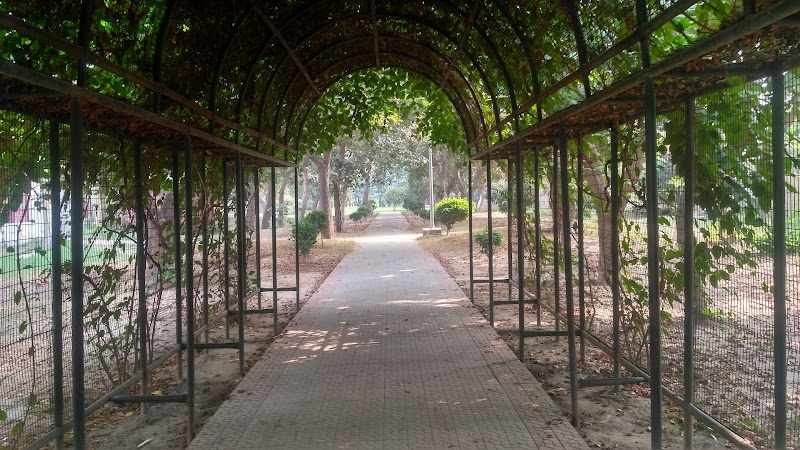
About Akbar Fort, Prayagraj

## Akbar Fort (Allahabad/Prayagraj Fort): A Practical Guide to the Mughal Stronghold at the Sangam Location: Fort, Prayagraj, Uttar Pradesh 211001, India (25.4295385, 81.8768168) Rating: 4.3 (tourist attraction) ### Why this fort matters Commanding the bank of the Yamuna at its confluence with the Ganga—the famed Triveni Sangam—Akbar’s Allahabad (Prayagraj) Fort is one of the Mughal empire’s most strategically sited works. Contemporary and scholarly sources agree it was commissioned by Emperor Akbar in 1583, with the site chosen for both spiritual and logistical reasons tied to the Sangam and the river trade lanes it controlled. The Archaeological Survey of India lists it as a monument of national importance. > Note on city name: the city officially changed from Allahabad to Prayagraj in 2018; both names still appear in signage and older guides. Jazeera --- ## What you’ll actually see (and what you won’t) A critical planning reality: large portions of the fort remain under Indian Army control, and general visitors have limited access. Expect to see outer ramparts and permitted precincts; interior barracks and several historic structures are off-limits. Multiple independent visitor and guide sources note these restrictions, and even photography can be limited in certain zones—especially near sacred sites and army areas. Always follow posted rules and security directions. ### Key highlights within or associated with the fort - Ashoka Pillar (Allahabad Pillar). A sandstone column carrying Mauryan (3rd century BCE) edicts of Emperor Ashoka, later Gupta inscriptions (4th c. CE) and Mughal-era additions (Jahangir). Access has historically required special permission because of army control within the fort; availability varies. - Patalpuri Temple & Akshayavat (“Akshaya Vat”). The underground Patalpuri Temple and the revered Akshayavat fig tree sit within the fort complex near the Sangam side. Access patterns have changed over time; at times they’ve been available through dedicated entry arrangements (notably around Kumbh gatherings). Recent reports ahead of Maha Kumbh 2025 describe corridor and access improvements connecting Akshayavat–Patalpuri–Saraswati Koop, intended to streamline pilgrim and visitor flow. Even with such works, hours and permissions can remain event-dependent; verify locally. Times - Sangam vantage and riverfront context. The fort’s massing forms the backdrop to the Triveni Sangam, traditionally revered as the meeting of Ganga, Yamuna and the (mythic) Saraswati. Understanding this sacred geography enriches any visit—even if your movement inside the fort is limited. --- ## Short history you can trust - Foundation (1583). Akbar’s court chronicles (e.g., references in Akbarnama) and modern syntheses place the fort’s construction in 1583, enclosing the Akshayavat precinct and dominating the Sangam. It is widely cited as Akbar’s largest fort. - Mughal turbulence. Prince Salim (Jahangir) briefly rebelled from here around 1600, underscoring the fort’s political heft. - Company & Crown. Following the Treaty of Allahabad (1765), the East India Company garrisoned the fort; British military logistics revolved around it through the 18th–19th centuries. - Modern status. Post-independence, the cantonment presence and military control have kept much of the interior closed; the ASI recognizes and lists the protected components (including the Ashoka Pillar and Zanana Palace) as part of the fort’s notified monument ensemble. --- ## Planning your visit (the part guides usually get wrong) ### Access & permissions - Expect partial access. Most mainstream travel pages agree that only select areas are open to the public; permits or event-linked windows (e.g., during Kumbh) influence what you can see. Don’t plan on “full fort” touring. - Photography restrictions are real. Multiple visitor reports note no-photography or restricted-photography rules in army-managed or sacred sections. Bring ID and be ready to stow cameras if asked. - Corridor updates (context for 2025). Government and media briefings in 2023–2024 discussed completing Akshayavat access corridors ahead of Maha Kumbh 2025. That improves flow to Patalpuri/Akshayavat, but doesn’t imply open access to the entire fort. Verify current entry points on the ground. Times of India ### Hours & fees You’ll see conflicting timings online (some state 07:00–18:00; others 10:00–18:00; some claim donations only). Because the army manages significant sections and religious sites operate on their own schedules, treat hours and entry costs as variable and confirm that morning with local authorities or the gate posted notices near Bade Hanuman Temple/Sangam-side entry. ### What to pair it with Even if interior access is constrained, you can meaningfully combine: - Triveni Sangam boat ride for fort panoramas and context of the confluence. - Allahabad (Prayagraj) Museum / Anand Bhavan for Mughal-to-modern continuity in a single day, both commonly included in city heritage circuits. --- ## On-site: a focused route that works 1. Sangam-side arrival. Start at the Sangam in the early morning for clarity and context. Shortlisted photography: outer walls/ramparts across the Yamuna. 2. Gate check & ID. Proceed to the current permitted entry (check locally—it’s shifted over the years with corridor work). Carry government ID; be ready for security screening. 3. Patalpuri & Akshayavat (if open). Move efficiently; queues can build on festival days. Observe any no-photo rules at the enclosure. 4. Ashoka Pillar (if permitted). Availability varies; special permission may apply. Don’t build an itinerary solely around this unless you’ve pre-verified access. --- ## Accessibility, inclusivity, and respectful visiting - Mobility. Expect uneven paving and stairs/low-lit passages around underground Patalpuri; not all areas are wheelchair-friendly. Seek staff guidance before committing to stairwells. Setu - Dress & conduct. Modest attire is appropriate for temple spaces; follow queues and priest/security instructions. Photography is sometimes restricted in sacred/army zones—ask before you shoot. Setu - Crowds & events. During major festivals (e.g., Kumbh 2025 cycle), Prayagraj scales crowd control with corridors and special routes; expect detours and managed lines even if you’re visiting primarily for history. Times --- ## Factual quick sheet - Built: 1583 (Akbar). - Setting: Bank of Yamuna near the Triveni Sangam. - Inside/linked sites: Ashoka Pillar, Patalpuri Temple, Akshayavat. Access varies; many areas restricted. - Management: Monument elements under ASI; Indian Army controls significant portions of the complex. - City name update: Allahabad → Prayagraj (2018). Jazeera --- ## Outdated/variable data to double-check before you go - Opening hours & ticketing (temple vs. fort precincts; donation vs. free). Published hours and fee notes conflict online; confirm locally at the gate. - Akshayavat/Patalpuri entry route. Access corridors announced for 2024–2025 changed the approach path; signage and flows can differ from older blogs. Times of India - Photography rules. Policies differ by zone and event; when in doubt, ask the posted guard or priest. --- ### Final take Akbar Fort in Prayagraj is worth your time even with limited interior access. Treat it as a dual visit: the Sangam landscape and outer fort massing for context, plus targeted entry to Patalpuri/Akshayavat when open. If you plan around what’s reliably available—and verify the day’s access—you’ll leave with a coherent picture of how the Mughal state anchored itself at India’s most storied confluence. Sources used include the fort’s historical synthesis and coordinates, epigraphic details on the Ashoka pillar, ASI listings, and recent coverage of corridor works affecting access; where hours/fees vary online, this guide flags them for on-the-ground verification.

Key Features

Ashoka Pillar (Allahabad Pillar). A sandstone column carrying Mauryan (3rd century BCE) edicts of Emperor Ashoka, later Gupta inscriptions (4th c. CE) and Mughal-era additions (Jahangir). Access has historically required special permission because of army control within the fort; availability varies. oai_citation:3‡Wikipedia Patalpuri Temple & Akshayavat (“Akshaya Vat”). The underground Patalpuri Temple and the revered Akshayavat fig tree sit within the fort complex near the Sangam side. Access patterns have changed over time; at times they’ve been available through dedicated entry arrangements (notably around Kumbh gatherings). Recent reports ahead of Maha Kumbh 2025 describe corridor and access improvements connecting Akshayavat–Patalpuri–Saraswati Koop, intended to streamline pilgrim and visitor flow. Even with such works, hours and permissions can remain event-dependent; verify locally. oai_citation:4‡Hindustan Times Sangam vantage and riverfront context. The fort’s massing forms the backdrop to the Triveni Sangam, traditionally revered as the meeting of Ganga, Yamuna and the (mythic) Saraswati. Understanding this sacred geography enriches any visit—even if your movement inside the fort is limited. oai_citation:5‡Wikipedia

More Details

Updated October 31, 2025

## Akbar Fort (Allahabad/Prayagraj Fort): A Practical Guide to the Mughal Stronghold at the Sangam

Location: Fort, Prayagraj, Uttar Pradesh 211001, India (25.4295385, 81.8768168)
Rating: 4.3 (tourist attraction)

### Why this fort matters
Commanding the bank of the Yamuna at its confluence with the Ganga—the famed Triveni Sangam—Akbar’s Allahabad (Prayagraj) Fort is one of the Mughal empire’s most strategically sited works. Contemporary and scholarly sources agree it was commissioned by Emperor Akbar in 1583, with the site chosen for both spiritual and logistical reasons tied to the Sangam and the river trade lanes it controlled. The Archaeological Survey of India lists it as a monument of national importance.

> Note on city name: the city officially changed from Allahabad to Prayagraj in 2018; both names still appear in signage and older guides. Jazeera

## What you’ll actually see (and what you won’t)

A critical planning reality: large portions of the fort remain under Indian Army control, and general visitors have limited access. Expect to see outer ramparts and permitted precincts; interior barracks and several historic structures are off-limits. Multiple independent visitor and guide sources note these restrictions, and even photography can be limited in certain zones—especially near sacred sites and army areas. Always follow posted rules and security directions.

### Key highlights within or associated with the fort

– Ashoka Pillar (Allahabad Pillar).
A sandstone column carrying Mauryan (3rd century BCE) edicts of Emperor Ashoka, later Gupta inscriptions (4th c. CE) and Mughal-era additions (Jahangir). Access has historically required special permission because of army control within the fort; availability varies.

– Patalpuri Temple & Akshayavat (“Akshaya Vat”).
The underground Patalpuri Temple and the revered Akshayavat fig tree sit within the fort complex near the Sangam side. Access patterns have changed over time; at times they’ve been available through dedicated entry arrangements (notably around Kumbh gatherings). Recent reports ahead of Maha Kumbh 2025 describe corridor and access improvements connecting Akshayavat–Patalpuri–Saraswati Koop, intended to streamline pilgrim and visitor flow. Even with such works, hours and permissions can remain event-dependent; verify locally. Times

– Sangam vantage and riverfront context.
The fort’s massing forms the backdrop to the Triveni Sangam, traditionally revered as the meeting of Ganga, Yamuna and the (mythic) Saraswati. Understanding this sacred geography enriches any visit—even if your movement inside the fort is limited.

## Short history you can trust

– Foundation (1583). Akbar’s court chronicles (e.g., references in Akbarnama) and modern syntheses place the fort’s construction in 1583, enclosing the Akshayavat precinct and dominating the Sangam. It is widely cited as Akbar’s largest fort.
– Mughal turbulence. Prince Salim (Jahangir) briefly rebelled from here around 1600, underscoring the fort’s political heft.
– Company & Crown. Following the Treaty of Allahabad (1765), the East India Company garrisoned the fort; British military logistics revolved around it through the 18th–19th centuries.
– Modern status. Post-independence, the cantonment presence and military control have kept much of the interior closed; the ASI recognizes and lists the protected components (including the Ashoka Pillar and Zanana Palace) as part of the fort’s notified monument ensemble.

## Planning your visit (the part guides usually get wrong)

### Access & permissions
– Expect partial access. Most mainstream travel pages agree that only select areas are open to the public; permits or event-linked windows (e.g., during Kumbh) influence what you can see. Don’t plan on “full fort” touring.
– Photography restrictions are real. Multiple visitor reports note no-photography or restricted-photography rules in army-managed or sacred sections. Bring ID and be ready to stow cameras if asked.
– Corridor updates (context for 2025). Government and media briefings in 2023–2024 discussed completing Akshayavat access corridors ahead of Maha Kumbh 2025. That improves flow to Patalpuri/Akshayavat, but doesn’t imply open access to the entire fort. Verify current entry points on the ground. Times of India

### Hours & fees
You’ll see conflicting timings online (some state 07:00–18:00; others 10:00–18:00; some claim donations only). Because the army manages significant sections and religious sites operate on their own schedules, treat hours and entry costs as variable and confirm that morning with local authorities or the gate posted notices near Bade Hanuman Temple/Sangam-side entry.

### What to pair it with
Even if interior access is constrained, you can meaningfully combine:
– Triveni Sangam boat ride for fort panoramas and context of the confluence.
– Allahabad (Prayagraj) Museum / Anand Bhavan for Mughal-to-modern continuity in a single day, both commonly included in city heritage circuits.

## On-site: a focused route that works

1. Sangam-side arrival. Start at the Sangam in the early morning for clarity and context. Shortlisted photography: outer walls/ramparts across the Yamuna.
2. Gate check & ID. Proceed to the current permitted entry (check locally—it’s shifted over the years with corridor work). Carry government ID; be ready for security screening.
3. Patalpuri & Akshayavat (if open). Move efficiently; queues can build on festival days. Observe any no-photo rules at the enclosure.
4. Ashoka Pillar (if permitted). Availability varies; special permission may apply. Don’t build an itinerary solely around this unless you’ve pre-verified access.

## Accessibility, inclusivity, and respectful visiting

– Mobility. Expect uneven paving and stairs/low-lit passages around underground Patalpuri; not all areas are wheelchair-friendly. Seek staff guidance before committing to stairwells. Setu
– Dress & conduct. Modest attire is appropriate for temple spaces; follow queues and priest/security instructions. Photography is sometimes restricted in sacred/army zones—ask before you shoot. Setu
– Crowds & events. During major festivals (e.g., Kumbh 2025 cycle), Prayagraj scales crowd control with corridors and special routes; expect detours and managed lines even if you’re visiting primarily for history. Times

## Factual quick sheet

– Built: 1583 (Akbar).
– Setting: Bank of Yamuna near the Triveni Sangam.
– Inside/linked sites: Ashoka Pillar, Patalpuri Temple, Akshayavat. Access varies; many areas restricted.
– Management: Monument elements under ASI; Indian Army controls significant portions of the complex.
– City name update: Allahabad → Prayagraj (2018). Jazeera

## Outdated/variable data to double-check before you go
– Opening hours & ticketing (temple vs. fort precincts; donation vs. free). Published hours and fee notes conflict online; confirm locally at the gate.
– Akshayavat/Patalpuri entry route. Access corridors announced for 2024–2025 changed the approach path; signage and flows can differ from older blogs. Times of India
– Photography rules. Policies differ by zone and event; when in doubt, ask the posted guard or priest.

### Final take
Akbar Fort in Prayagraj is worth your time even with limited interior access. Treat it as a dual visit: the Sangam landscape and outer fort massing for context, plus targeted entry to Patalpuri/Akshayavat when open. If you plan around what’s reliably available—and verify the day’s access—you’ll leave with a coherent picture of how the Mughal state anchored itself at India’s most storied confluence.

Sources used include the fort’s historical synthesis and coordinates, epigraphic details on the Ashoka pillar, ASI listings, and recent coverage of corridor works affecting access; where hours/fees vary online, this guide flags them for on-the-ground verification.

Key Highlights

Ashoka Pillar (Allahabad Pillar).
A sandstone column carrying Mauryan (3rd century BCE) edicts of Emperor Ashoka, later Gupta inscriptions (4th c. CE) and Mughal-era additions (Jahangir). Access has historically required special permission because of army control within the fort; availability varies. oai_citation:3‡Wikipedia
Patalpuri Temple & Akshayavat (“Akshaya Vat”).
The underground Patalpuri Temple and the revered Akshayavat fig tree sit within the fort complex near the Sangam side. Access patterns have changed over time; at times they’ve been available through dedicated entry arrangements (notably around Kumbh gatherings). Recent reports ahead of Maha Kumbh 2025 describe corridor and access improvements connecting Akshayavat–Patalpuri–Saraswati Koop, intended to streamline pilgrim and visitor flow. Even with such works, hours and permissions can remain event-dependent; verify locally. oai_citation:4‡Hindustan Times
Sangam vantage and riverfront context.
The fort’s massing forms the backdrop to the Triveni Sangam, traditionally revered as the meeting of Ganga, Yamuna and the (mythic) Saraswati. Understanding this sacred geography enriches any visit—even if your movement inside the fort is limited. oai_citation:5‡Wikipedia

Location

Places to Stay Near Akbar Fort, Prayagraj"Lot of ancient things you will see."

Find and Book a Tour

Explore More Travel Guides

No reviews found! Be the first to review!

Akbar Fort (Allahabad/Prayagraj Fort): A Practical Guide to the Mughal Stronghold at the Sangam

Location: Fort, Prayagraj, Uttar Pradesh 211001, India (25.4295385, 81.8768168)
Rating: 4.3 (tourist attraction)

Why this fort matters

Commanding the bank of the Yamuna at its confluence with the Ganga—the famed Triveni Sangam—Akbar’s Allahabad (Prayagraj) Fort is one of the Mughal empire’s most strategically sited works. Contemporary and scholarly sources agree it was commissioned by Emperor Akbar in 1583, with the site chosen for both spiritual and logistical reasons tied to the Sangam and the river trade lanes it controlled. The Archaeological Survey of India lists it as a monument of national importance. oai_citation:0‡Wikipedia

Note on city name: the city officially changed from Allahabad to Prayagraj in 2018; both names still appear in signage and older guides. oai_citation:1‡Al Jazeera


What you’ll actually see (and what you won’t)

A critical planning reality: large portions of the fort remain under Indian Army control, and general visitors have limited access. Expect to see outer ramparts and permitted precincts; interior barracks and several historic structures are off-limits. Multiple independent visitor and guide sources note these restrictions, and even photography can be limited in certain zones—especially near sacred sites and army areas. Always follow posted rules and security directions. oai_citation:2‡Tripadvisor

Key highlights within or associated with the fort

  • Ashoka Pillar (Allahabad Pillar).
    A sandstone column carrying Mauryan (3rd century BCE) edicts of Emperor Ashoka, later Gupta inscriptions (4th c. CE) and Mughal-era additions (Jahangir). Access has historically required special permission because of army control within the fort; availability varies. oai_citation:3‡Wikipedia

  • Patalpuri Temple & Akshayavat (“Akshaya Vat”).
    The underground Patalpuri Temple and the revered Akshayavat fig tree sit within the fort complex near the Sangam side. Access patterns have changed over time; at times they’ve been available through dedicated entry arrangements (notably around Kumbh gatherings). Recent reports ahead of Maha Kumbh 2025 describe corridor and access improvements connecting Akshayavat–Patalpuri–Saraswati Koop, intended to streamline pilgrim and visitor flow. Even with such works, hours and permissions can remain event-dependent; verify locally. oai_citation:4‡Hindustan Times

  • Sangam vantage and riverfront context.
    The fort’s massing forms the backdrop to the Triveni Sangam, traditionally revered as the meeting of Ganga, Yamuna and the (mythic) Saraswati. Understanding this sacred geography enriches any visit—even if your movement inside the fort is limited. oai_citation:5‡Wikipedia


Short history you can trust

  • Foundation (1583). Akbar’s court chronicles (e.g., references in Akbarnama) and modern syntheses place the fort’s construction in 1583, enclosing the Akshayavat precinct and dominating the Sangam. It is widely cited as Akbar’s largest fort. oai_citation:6‡Wikipedia
  • Mughal turbulence. Prince Salim (Jahangir) briefly rebelled from here around 1600, underscoring the fort’s political heft. oai_citation:7‡Wikipedia
  • Company & Crown. Following the Treaty of Allahabad (1765), the East India Company garrisoned the fort; British military logistics revolved around it through the 18th–19th centuries. oai_citation:8‡Wikipedia
  • Modern status. Post-independence, the cantonment presence and military control have kept much of the interior closed; the ASI recognizes and lists the protected components (including the Ashoka Pillar and Zanana Palace) as part of the fort’s notified monument ensemble. oai_citation:9‡theallahabadmuseum.com

Planning your visit (the part guides usually get wrong)

Access & permissions

  • Expect partial access. Most mainstream travel pages agree that only select areas are open to the public; permits or event-linked windows (e.g., during Kumbh) influence what you can see. Don’t plan on “full fort” touring. oai_citation:10‡MakeMyTrip
  • Photography restrictions are real. Multiple visitor reports note no-photography or restricted-photography rules in army-managed or sacred sections. Bring ID and be ready to stow cameras if asked. oai_citation:11‡Tripadvisor
  • Corridor updates (context for 2025). Government and media briefings in 2023–2024 discussed completing Akshayavat access corridors ahead of Maha Kumbh 2025. That improves flow to Patalpuri/Akshayavat, but doesn’t imply open access to the entire fort. Verify current entry points on the ground. oai_citation:12‡The Times of India

Hours & fees

You’ll see conflicting timings online (some state 07:00–18:00; others 10:00–18:00; some claim donations only). Because the army manages significant sections and religious sites operate on their own schedules, treat hours and entry costs as variable and confirm that morning with local authorities or the gate posted notices near Bade Hanuman Temple/Sangam-side entry. oai_citation:13‡optimatravels.com

What to pair it with

Even if interior access is constrained, you can meaningfully combine:
– Triveni Sangam boat ride for fort panoramas and context of the confluence. oai_citation:14‡Wikipedia
– Allahabad (Prayagraj) Museum / Anand Bhavan for Mughal-to-modern continuity in a single day, both commonly included in city heritage circuits. oai_citation:15‡Wikipedia


On-site: a focused route that works

  1. Sangam-side arrival. Start at the Sangam in the early morning for clarity and context. Shortlisted photography: outer walls/ramparts across the Yamuna. oai_citation:16‡Wikipedia
  2. Gate check & ID. Proceed to the current permitted entry (check locally—it’s shifted over the years with corridor work). Carry government ID; be ready for security screening. oai_citation:17‡MakeMyTrip
  3. Patalpuri & Akshayavat (if open). Move efficiently; queues can build on festival days. Observe any no-photo rules at the enclosure. oai_citation:18‡Wanderlog
  4. Ashoka Pillar (if permitted). Availability varies; special permission may apply. Don’t build an itinerary solely around this unless you’ve pre-verified access. oai_citation:19‡Wikipedia

Accessibility, inclusivity, and respectful visiting

  • Mobility. Expect uneven paving and stairs/low-lit passages around underground Patalpuri; not all areas are wheelchair-friendly. Seek staff guidance before committing to stairwells. oai_citation:20‡Travel Setu
  • Dress & conduct. Modest attire is appropriate for temple spaces; follow queues and priest/security instructions. Photography is sometimes restricted in sacred/army zones—ask before you shoot. oai_citation:21‡Travel Setu
  • Crowds & events. During major festivals (e.g., Kumbh 2025 cycle), Prayagraj scales crowd control with corridors and special routes; expect detours and managed lines even if you’re visiting primarily for history. oai_citation:22‡Hindustan Times

Factual quick sheet

  • Built: 1583 (Akbar). oai_citation:23‡Wikipedia
  • Setting: Bank of Yamuna near the Triveni Sangam. oai_citation:24‡Wikipedia
  • Inside/linked sites: Ashoka Pillar, Patalpuri Temple, Akshayavat. Access varies; many areas restricted. oai_citation:25‡Wikipedia
  • Management: Monument elements under ASI; Indian Army controls significant portions of the complex. oai_citation:26‡theallahabadmuseum.com
  • City name update: Allahabad → Prayagraj (2018). oai_citation:27‡Al Jazeera

Outdated/variable data to double-check before you go

  • Opening hours & ticketing (temple vs. fort precincts; donation vs. free). Published hours and fee notes conflict online; confirm locally at the gate. oai_citation:28‡optimatravels.com
  • Akshayavat/Patalpuri entry route. Access corridors announced for 2024–2025 changed the approach path; signage and flows can differ from older blogs. oai_citation:29‡The Times of India
  • Photography rules. Policies differ by zone and event; when in doubt, ask the posted guard or priest. oai_citation:30‡Tripadvisor

Final take

Akbar Fort in Prayagraj is worth your time even with limited interior access. Treat it as a dual visit: the Sangam landscape and outer fort massing for context, plus targeted entry to Patalpuri/Akshayavat when open. If you plan around what’s reliably available—and verify the day’s access—you’ll leave with a coherent picture of how the Mughal state anchored itself at India’s most storied confluence. oai_citation:31‡Wikipedia

Sources used include the fort’s historical synthesis and coordinates, epigraphic details on the Ashoka pillar, ASI listings, and recent coverage of corridor works affecting access; where hours/fees vary online, this guide flags them for on-the-ground verification. oai_citation:32‡Wikipedia

Traveler Reviews for Akbar Fort, Prayagraj

There are no reviews yet. Be the first one to write one.

Share Your Experience

Have you visited Akbar Fort, Prayagraj? Help other travelers by sharing your review.

Find Accommodations Nearby

Recommended Tours & Activities

Visitor Reviews

There are no reviews yet. Be the first one to write one.

Share Your Experience

Have you visited Akbar Fort, Prayagraj? Help other travelers by leaving a review.