

Ajdir
About Ajdir
Ajdir is one of those places that doesn’t try too hard to impress you, yet somehow leaves a mark. Tucked away in Morocco’s northern Rif region, just a short drive from Al Hoceima, it’s a town with layers—historical, cultural, and personal if you give it the time. Back in the early 1920s, it wasn’t just another quiet settlement; it was the capital of the short-lived Republic of the Rif under Abd el-Krim, a name that still carries weight among locals. You can still feel that sense of resilience in the air, like the hills themselves remember the battles and the speeches. The people here belong largely to the Ait Waryagher tribe, and their traditions are woven into daily life in ways that feel authentic, not staged for visitors. It’s not a flashy tourist hub—there’s no giant billboard telling you where to eat or stay—but that’s exactly the charm. You wander, you talk to people, you notice the little things: the smell of fresh bread from a street corner, the way the light hits the mountains in late afternoon, the quiet pride in a shopkeeper’s voice when they tell you about their town.
Key Features
- Rich historical significance as the former capital of the Republic of the Rif (1922–1926)
- Strong cultural identity tied to the Ait Waryagher tribe
- Proximity to Al Hoceima and the Mediterranean coast
- Mountain views that shift dramatically with the light and weather
- Opportunities for authentic cultural interaction without heavy tourist influence
- Gateway to exploring the Rif Mountains and nearby coastal towns
- Local markets offering traditional goods, produce, and handmade crafts
Best Time to Visit
If you’re anything like me, you’ll want to avoid the extremes. The Rif can get surprisingly warm in midsummer, and in winter, the chill in the air—especially in the evenings—might catch you off guard. Late spring (April to early June) is a sweet spot: the hills are green, the air is fresh, and the light is perfect for photography without sweating through your shirt. Early autumn (September to October) works just as well, with warm days and cooler nights. I once visited in May and found myself lingering outdoors long after sunset, chatting with locals over mint tea while the evening breeze kept things comfortable. Just keep in mind that during Ramadan, daily rhythms shift—shops open later, and the whole town seems to come alive after sunset, which can be a unique experience if you’re open to it.
How to Get There
Reaching Ajdir is straightforward if you’re already in northern Morocco. Most travelers come via Al Hoceima, which has a small airport with domestic flights from Casablanca. From Al Hoceima, it’s about a 10–15 minute drive—taxis are easy to find, and you can even negotiate a round-trip fare if you plan to spend just a few hours. If you’re the adventurous type (and I’ve done this once), you can take a shared grand taxi from nearby towns, though be prepared for a bit of a squeeze. Driving yourself is also an option, and the roads are generally in good condition, winding through scenic mountain landscapes. If you’re coming from further afield like Tangier or Chefchaouen, expect a longer but beautiful journey through the Rif Mountains—worth it if you enjoy road trips with plenty of photo stops.
Tips for Visiting
First off, don’t rush it. Ajdir isn’t the kind of place you “do” in an hour; it’s more about soaking in the atmosphere. Wear comfortable shoes—streets can be uneven, and you might find yourself wandering into hilly areas without realizing it. Learn a few words of Tarifit (the local Berber language) or Moroccan Arabic; even a simple “thank you” can spark a smile and a story. If you’re into history, read up on Abd el-Krim before you go—it’ll add depth to what you see and hear. Markets are best visited in the morning when produce is freshest and the energy is high. And here’s a personal quirk: I always carry a small notebook when I’m in towns like this. You’ll hear snippets of conversation, see little acts of kindness, or catch a view you’ll want to remember. Also, while Ajdir is generally safe, keep your valuables close, especially in busier areas. Lastly, bring an open mind. This isn’t a polished tourist attraction—it’s a living, breathing community with its own pace, and that’s the beauty of it.
Key Features
- Rich historical significance as the former capital of the Republic of the Rif (1922–1926)
- Strong cultural identity tied to the Ait Waryagher tribe
- Proximity to Al Hoceima and the Mediterranean coast
- Mountain views that shift dramatically with the light and weather
- Opportunities for authentic cultural interaction without heavy tourist influence
- Gateway to exploring the Rif Mountains and nearby coastal towns
- Local markets offering traditional goods, produce, and handmade crafts
You Might Also Like
2 ش. القاضي عياض
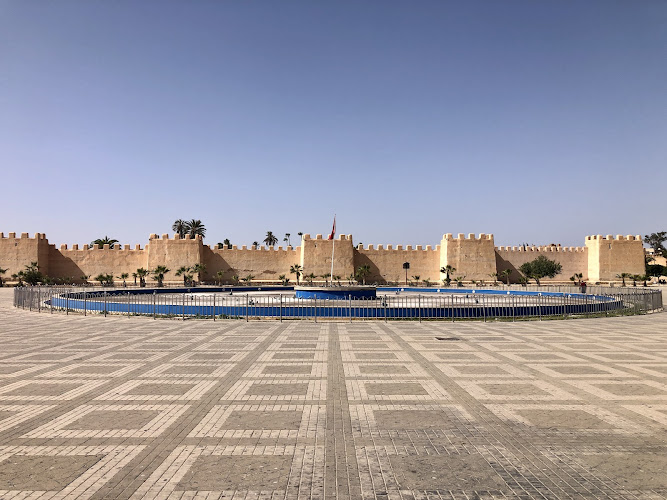
20 August Place
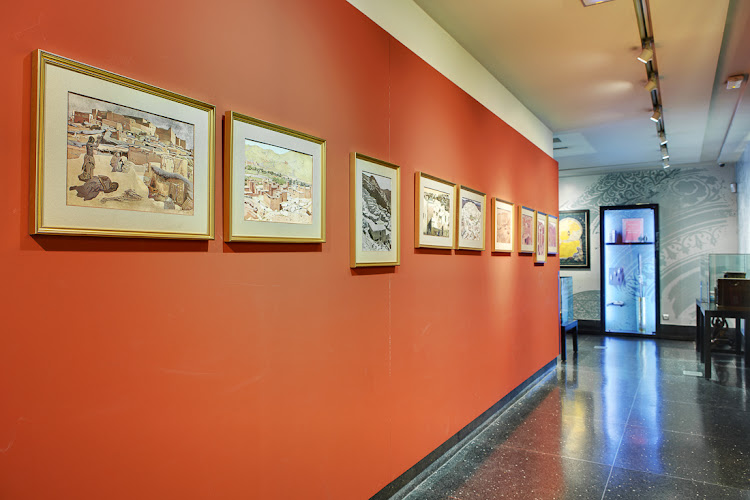
Abderrahman Slaoui Foundation Museum
Tours & Activities
GetYourGuide provides this tour inventory. We may earn a commission if you book through it; verify current availability, prices, and terms with the provider.
Visitor Reviews
There are no reviews yet. Be the first one to write one.
Share Your Experience
Have you visited Ajdir? Help other travelers by leaving a review.