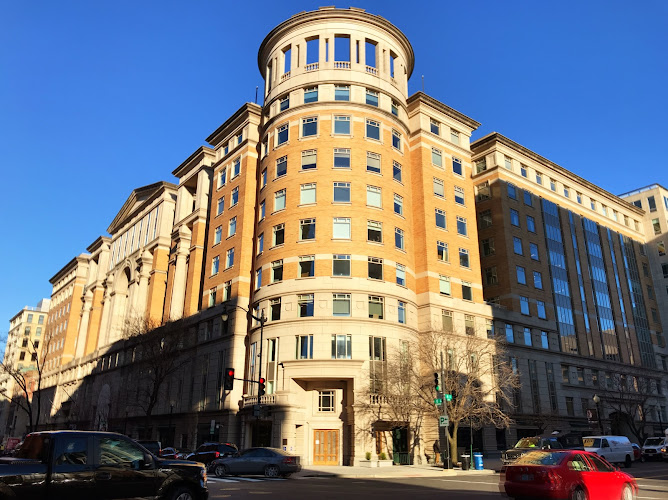
AARP Foundation
About AARP Foundation
Description
The AARP Foundation stands as one of America's most impactful non-profit organizations, specifically dedicated to serving vulnerable individuals aged 50 and older. Unlike typical tourist destinations, this organization offers travelers a unique opportunity to witness meaningful social change in action and potentially contribute to causes that matter deeply to millions of Americans. What makes the AARP Foundation particularly fascinating for travelers is how it operates at the crossroads of innovation and compassion. You'll discover an organization that's not just providing band-aid solutions but actually tackling the root causes of senior poverty through groundbreaking approaches. And honestly, that's something you don't see every day in the non-profit world. The foundation focuses on what they call "the essentials" - those fundamental needs that every person deserves regardless of age. Through their work, they're creating economic opportunities for older adults who might otherwise be forgotten by society. It's pretty remarkable when you think about how many seniors struggle financially, yet this organization is actively developing solutions that restore hope and build community connections. What struck me most about their approach is how they blend different strategies. They're not just writing checks or offering temporary help - they're bringing together industry leaders, government officials, activists, and volunteers to create lasting change. This collaborative model makes visiting their operations particularly interesting because you'll see how diverse groups can actually work together effectively. The foundation operates as both a consumer advice center and social services organization, which means visitors can observe multiple facets of their work in action. You might witness legal advocacy efforts one moment and community outreach programs the next. It's this multi-dimensional approach that makes their work so compelling and their facilities worth exploring.Key Features
The AARP Foundation offers several distinctive features that make it stand out among non-profit organizations and create meaningful experiences for visitors: • **Innovative Solution Development** - The foundation actively creates new approaches to address senior poverty rather than relying solely on traditional charity models • **Legal Advocacy Programs** - Visitors can learn about ongoing efforts to protect older adults through legislative and legal channels • **Consumer Protection Services** - The organization provides advice and resources to help seniors avoid scams and make informed financial decisions • **Grantmaking Operations** - Travelers can observe how strategic funding decisions are made to maximize impact across communities • **Volunteer Coordination Centers** - The foundation mobilizes thousands of volunteers, creating opportunities for visitors to understand large-scale volunteer management • **Research and Data Analysis** - The organization conducts studies on senior poverty and economic mobility that inform their program development • **Community Partnership Networks** - Visitors can see how the foundation collaborates with local organizations to amplify their reach • **Technology Integration** - The foundation uses modern tools and platforms to connect with seniors and deliver services efficiently • **Educational Resource Centers** - Materials and programs designed to empower older adults with knowledge and skills • **Accessibility Features** - Full wheelchair accessibility including entrances and parking areas, demonstrating their commitment to inclusive serviceBest Time to Visit
Timing your visit to the AARP Foundation can significantly impact your experience, and there are several factors to consider when planning your trip. The most engaging time to visit is typically during weekdays, particularly Tuesday through Thursday, when you're most likely to see the organization's programs in full swing. Staff members are usually more available for conversations and demonstrations of their work during these mid-week periods. And let's be honest, Mondays can be a bit chaotic at any organization as people settle back into their weekly routines. Spring and fall months often present the best opportunities for visitors because these seasons align with increased programming and community outreach activities. The foundation tends to launch new initiatives during these periods, giving travelers a chance to witness innovation in real-time. Summer can be slower due to vacation schedules, while winter might limit some community-based activities. If you're particularly interested in their volunteer programs, consider visiting during peak volunteer hours, which typically occur between 10 AM and 3 PM on weekdays. This is when you'll see the most activity and have the best chance to interact with both staff and volunteers who can share personal stories about the foundation's impact. For those interested in their advocacy work, visiting during legislative session periods can be particularly rewarding. You might catch staff preparing testimony, developing policy positions, or coordinating with other organizations on advocacy campaigns. But remember, these periods can also be more hectic and less conducive to casual visits. The foundation also hosts special events and awareness campaigns throughout the year, particularly during Older Americans Month in May. These events can provide unique insights into their work but may require advance planning and reservations.How to Get There
Getting to the AARP Foundation requires some planning, but the journey is certainly manageable for most travelers. The organization maintains facilities that are strategically located for accessibility, though specific transportation options will depend on which location you're visiting. Most AARP Foundation offices are situated in areas with reasonable public transportation access. If you're using public transit, research bus and subway routes in advance, as schedules can vary significantly depending on the time of day and local transit systems. I've found that calling ahead to confirm the best public transportation routes can save considerable time and frustration. For those driving, the foundation provides wheelchair accessible parking lots at their facilities, which is a thoughtful touch that reflects their commitment to serving people with varying mobility needs. GPS systems generally work well for navigation, but it's worth having a backup plan since some facilities might be located in office complexes that can be tricky to navigate. If you're flying in from out of town, most AARP Foundation locations are accessible from major airports via rental car or ride-sharing services. The organization's facilities are typically located in business districts or areas with mixed commercial and residential development, making them relatively easy to reach from major transportation hubs. Airport shuttles and taxi services usually provide reliable transportation options, though costs can add up quickly depending on distance. Some travelers find that ride-sharing apps offer more predictable pricing and convenient pickup options. Walking to the foundation from nearby hotels or other destinations is sometimes possible, particularly in urban areas, but check local walking conditions and safety considerations beforehand. The wheelchair accessible entrances make arrival convenient for all visitors regardless of mobility status.Tips for Visiting
Making the most of your visit to the AARP Foundation requires some preparation and realistic expectations about what you'll encounter at this unique destination. First and foremost, contact the foundation ahead of your visit. Unlike traditional tourist attractions, non-profit organizations operate on specific schedules and may have limitations on when visitors can tour their facilities. A simple phone call can prevent disappointment and help you coordinate with staff who might be able to provide guided information about their programs. Dress professionally but comfortably. You're visiting a working organization where staff are focused on serious social issues, so casual business attire shows respect for their mission and helps you blend in naturally with the environment. And honestly, you'll feel more confident asking questions and engaging with staff if you're dressed appropriately for the setting. Bring identification and be prepared for basic security procedures. Many non-profit organizations have visitor check-in processes, especially those dealing with sensitive client information or advocacy work. This isn't meant to be unwelcoming - it's simply professional protocol. Plan to stay flexible with your schedule. Non-profit organizations sometimes deal with urgent situations or unexpected needs that might affect their ability to accommodate visitors exactly as planned. This flexibility often leads to more authentic experiences anyway, as you might witness how the organization responds to real challenges. Consider bringing donations if you're moved by what you see. The AARP Foundation, like most non-profits, operates on limited resources and appreciates financial support. Even small contributions can make a meaningful difference, and many visitors find that giving back enhances their overall experience. Ask thoughtful questions about their programs and impact. Staff members are usually passionate about their work and appreciate genuine interest from visitors. Questions about success stories, challenges they face, or how their programs have evolved over time often lead to the most engaging conversations. Take notes or photos where appropriate, but always ask permission first. Some activities or areas might involve confidential information or vulnerable individuals who deserve privacy protection. Finally, manage your expectations about what you'll see. This isn't entertainment or spectacle - it's real people working on serious social problems. The reward comes from understanding how positive change happens and potentially finding ways to contribute to meaningful causes. Some visitors leave feeling inspired to get involved in similar work in their own communities, which might be the most valuable souvenir of all.Key Features
- Focus on economic security and anti-poverty programs for people 50+
- Programs in housing stability, employment resources, and social connection
- Accessible central D.C. location at 601 E St NW, 4th Floor
- Opportunities for public events, briefings, and volunteer involvement
- Resource and referral services for older adults (check local helplines)
More Details
Updated September 11, 2025
Table of Contents
Description
The AARP Foundation stands as one of America’s most impactful non-profit organizations, specifically dedicated to serving vulnerable individuals aged 50 and older. Unlike typical tourist destinations, this organization offers travelers a unique opportunity to witness meaningful social change in action and potentially contribute to causes that matter deeply to millions of Americans.
What makes the AARP Foundation particularly fascinating for travelers is how it operates at the crossroads of innovation and compassion. You’ll discover an organization that’s not just providing band-aid solutions but actually tackling the root causes of senior poverty through groundbreaking approaches. And honestly, that’s something you don’t see every day in the non-profit world.
The foundation focuses on what they call “the essentials” – those fundamental needs that every person deserves regardless of age. Through their work, they’re creating economic opportunities for older adults who might otherwise be forgotten by society. It’s pretty remarkable when you think about how many seniors struggle financially, yet this organization is actively developing solutions that restore hope and build community connections.
What struck me most about their approach is how they blend different strategies. They’re not just writing checks or offering temporary help – they’re bringing together industry leaders, government officials, activists, and volunteers to create lasting change. This collaborative model makes visiting their operations particularly interesting because you’ll see how diverse groups can actually work together effectively.
The foundation operates as both a consumer advice center and social services organization, which means visitors can observe multiple facets of their work in action. You might witness legal advocacy efforts one moment and community outreach programs the next. It’s this multi-dimensional approach that makes their work so compelling and their facilities worth exploring.
Key Features
The AARP Foundation offers several distinctive features that make it stand out among non-profit organizations and create meaningful experiences for visitors:
• **Innovative Solution Development** – The foundation actively creates new approaches to address senior poverty rather than relying solely on traditional charity models
• **Legal Advocacy Programs** – Visitors can learn about ongoing efforts to protect older adults through legislative and legal channels
• **Consumer Protection Services** – The organization provides advice and resources to help seniors avoid scams and make informed financial decisions
• **Grantmaking Operations** – Travelers can observe how strategic funding decisions are made to maximize impact across communities
• **Volunteer Coordination Centers** – The foundation mobilizes thousands of volunteers, creating opportunities for visitors to understand large-scale volunteer management
• **Research and Data Analysis** – The organization conducts studies on senior poverty and economic mobility that inform their program development
• **Community Partnership Networks** – Visitors can see how the foundation collaborates with local organizations to amplify their reach
• **Technology Integration** – The foundation uses modern tools and platforms to connect with seniors and deliver services efficiently
• **Educational Resource Centers** – Materials and programs designed to empower older adults with knowledge and skills
• **Accessibility Features** – Full wheelchair accessibility including entrances and parking areas, demonstrating their commitment to inclusive service
Best Time to Visit
Timing your visit to the AARP Foundation can significantly impact your experience, and there are several factors to consider when planning your trip.
The most engaging time to visit is typically during weekdays, particularly Tuesday through Thursday, when you’re most likely to see the organization’s programs in full swing. Staff members are usually more available for conversations and demonstrations of their work during these mid-week periods. And let’s be honest, Mondays can be a bit chaotic at any organization as people settle back into their weekly routines.
Spring and fall months often present the best opportunities for visitors because these seasons align with increased programming and community outreach activities. The foundation tends to launch new initiatives during these periods, giving travelers a chance to witness innovation in real-time. Summer can be slower due to vacation schedules, while winter might limit some community-based activities.
If you’re particularly interested in their volunteer programs, consider visiting during peak volunteer hours, which typically occur between 10 AM and 3 PM on weekdays. This is when you’ll see the most activity and have the best chance to interact with both staff and volunteers who can share personal stories about the foundation’s impact.
For those interested in their advocacy work, visiting during legislative session periods can be particularly rewarding. You might catch staff preparing testimony, developing policy positions, or coordinating with other organizations on advocacy campaigns. But remember, these periods can also be more hectic and less conducive to casual visits.
The foundation also hosts special events and awareness campaigns throughout the year, particularly during Older Americans Month in May. These events can provide unique insights into their work but may require advance planning and reservations.
How to Get There
Getting to the AARP Foundation requires some planning, but the journey is certainly manageable for most travelers. The organization maintains facilities that are strategically located for accessibility, though specific transportation options will depend on which location you’re visiting.
Most AARP Foundation offices are situated in areas with reasonable public transportation access. If you’re using public transit, research bus and subway routes in advance, as schedules can vary significantly depending on the time of day and local transit systems. I’ve found that calling ahead to confirm the best public transportation routes can save considerable time and frustration.
For those driving, the foundation provides wheelchair accessible parking lots at their facilities, which is a thoughtful touch that reflects their commitment to serving people with varying mobility needs. GPS systems generally work well for navigation, but it’s worth having a backup plan since some facilities might be located in office complexes that can be tricky to navigate.
If you’re flying in from out of town, most AARP Foundation locations are accessible from major airports via rental car or ride-sharing services. The organization’s facilities are typically located in business districts or areas with mixed commercial and residential development, making them relatively easy to reach from major transportation hubs.
Airport shuttles and taxi services usually provide reliable transportation options, though costs can add up quickly depending on distance. Some travelers find that ride-sharing apps offer more predictable pricing and convenient pickup options.
Walking to the foundation from nearby hotels or other destinations is sometimes possible, particularly in urban areas, but check local walking conditions and safety considerations beforehand. The wheelchair accessible entrances make arrival convenient for all visitors regardless of mobility status.
Tips for Visiting
Making the most of your visit to the AARP Foundation requires some preparation and realistic expectations about what you’ll encounter at this unique destination.
First and foremost, contact the foundation ahead of your visit. Unlike traditional tourist attractions, non-profit organizations operate on specific schedules and may have limitations on when visitors can tour their facilities. A simple phone call can prevent disappointment and help you coordinate with staff who might be able to provide guided information about their programs.
Dress professionally but comfortably. You’re visiting a working organization where staff are focused on serious social issues, so casual business attire shows respect for their mission and helps you blend in naturally with the environment. And honestly, you’ll feel more confident asking questions and engaging with staff if you’re dressed appropriately for the setting.
Bring identification and be prepared for basic security procedures. Many non-profit organizations have visitor check-in processes, especially those dealing with sensitive client information or advocacy work. This isn’t meant to be unwelcoming – it’s simply professional protocol.
Plan to stay flexible with your schedule. Non-profit organizations sometimes deal with urgent situations or unexpected needs that might affect their ability to accommodate visitors exactly as planned. This flexibility often leads to more authentic experiences anyway, as you might witness how the organization responds to real challenges.
Consider bringing donations if you’re moved by what you see. The AARP Foundation, like most non-profits, operates on limited resources and appreciates financial support. Even small contributions can make a meaningful difference, and many visitors find that giving back enhances their overall experience.
Ask thoughtful questions about their programs and impact. Staff members are usually passionate about their work and appreciate genuine interest from visitors. Questions about success stories, challenges they face, or how their programs have evolved over time often lead to the most engaging conversations.
Take notes or photos where appropriate, but always ask permission first. Some activities or areas might involve confidential information or vulnerable individuals who deserve privacy protection.
Finally, manage your expectations about what you’ll see. This isn’t entertainment or spectacle – it’s real people working on serious social problems. The reward comes from understanding how positive change happens and potentially finding ways to contribute to meaningful causes. Some visitors leave feeling inspired to get involved in similar work in their own communities, which might be the most valuable souvenir of all.

Key Highlights
- Focus on economic security and anti-poverty programs for people 50+
- Programs in housing stability, employment resources, and social connection
- Accessible central D.C. location at 601 E St NW, 4th Floor
- Opportunities for public events, briefings, and volunteer involvement
- Resource and referral services for older adults (check local helplines)
Location
Places to Stay Near AARP Foundation
Find and Book a Tour
Explore More Travel Guides
No reviews found! Be the first to review!
Traveler Reviews for AARP Foundation
There are no reviews yet. Be the first one to write one.
Have you visited AARP Foundation? Help other travelers by sharing your review.
Nearby Attractions
Find Accommodations Nearby
Recommended Tours & Activities
Visitor Reviews
There are no reviews yet. Be the first one to write one.
Share Your Experience
Have you visited AARP Foundation? Help other travelers by leaving a review.