
528031
About 528031
Description
The 528031 postal code area represents a slice of India that many travelers overlook when planning their journeys through the subcontinent. And honestly, that's part of its charm. This region falls within the state of Andhra Pradesh, a territory that's been quietly developing its tourism infrastructure while maintaining authentic cultural roots that haven't been commercialized to death like some of India's more famous destinations. When I first started researching postal code regions for travel purposes, I'll admit it seemed like an odd way to explore a country. But there's something methodical and thorough about understanding places through their administrative divisions – you get a real sense of how locals organize their lives rather than just hitting the standard tourist trail that every guidebook recommends. The 528031 area encompasses parts of communities where daily life continues at its own rhythm, where agricultural traditions still shape the calendar year, and where visitors can witness contemporary India without the filtering lens that comes with heavily touristed areas. You won't find massive hotel chains or tour buses clogging the roads here, which is either a blessing or a challenge depending on your travel style. This region sits in a part of Andhra Pradesh where Telugu culture flourishes in its most genuine forms. The landscape shifts between agricultural fields, small townships, and areas where modernization is gradually making its presence felt without completely overwhelming traditional ways of life. It's the kind of place where you might see someone checking their smartphone while sitting beside a centuries-old temple, which pretty much sums up modern India in a single image.Key Features
The 528031 postal code area offers several distinctive characteristics that make it worth considering for travelers who want something different from their Indian experience:- Authentic Telugu cultural immersion opportunities without the commercialization that affects major tourist centers
- Agricultural landscapes that change dramatically with the seasons, providing different visual experiences throughout the year
- Local markets where bargaining still happens in Telugu first and English second, if at all
- Temple architecture that represents regional styles often overlooked in favor of more famous religious sites
- Traditional cuisine prepared using local ingredients and methods that haven't been adapted for Western palates
- Opportunities to observe rural and semi-urban Indian life as it's actually lived by millions of people
- Lower costs for accommodation and food compared to recognized tourist destinations
- Fewer language barriers than you'd expect, with younger generations increasingly comfortable with English
- Access to regional festivals and celebrations that maintain their local character
- Transportation connections that link to larger cities while maintaining a less hectic atmosphere
Best Time to Visit
Timing your visit to the 528031 area requires understanding Andhra Pradesh's climate patterns, which can be pretty intense if you get it wrong. I learned this the hard way during a trip to southern India when I severely underestimated what "hot season" actually meant in practical terms. The ideal visiting window runs from November through February, when temperatures become manageable for travelers not accustomed to the region's heat. During these months, you're looking at daytime temperatures ranging from 20 to 30 degrees Celsius – warm but not oppressive. The air feels clearer, the skies tend toward brilliant blue, and you can actually walk around during midday without feeling like you're melting into the pavement. October and March serve as shoulder months that can work well if you're flexible. October brings the tail end of monsoon season, which means occasional rainfall but also lush green landscapes and fewer tourists (though let's be honest, there aren't massive tourist crowds here anyway). March starts heating up but remains tolerable, especially if you adjust your schedule to explore during morning and evening hours. April through June constitutes the hot season, and unless you have specific reasons to visit during this period or you genuinely thrive in extreme heat, I'd recommend avoiding these months. Temperatures regularly exceed 40 degrees Celsius, and the humidity can make simple activities exhausting. Local life adapts to this – you'll notice how activity slows during afternoon hours – but as a visitor trying to make the most of limited time, the heat becomes a real constraint. The monsoon season runs from July through September, bringing substantial rainfall that transforms the landscape but also creates transportation challenges. Roads can flood, and outdoor activities become unpredictable. Some travelers love monsoon season in India for its dramatic weather and reduced crowds, but it requires flexibility and patience when plans inevitably need adjusting. Festival timing also matters when planning your visit. The Telugu calendar includes numerous celebrations throughout the year, and experiencing one can significantly enrich your understanding of local culture. Sankranti in January, Ugadi in March or April, and Diwali in October or November each offer unique insights into regional traditions, though they also mean busier conditions and potentially higher accommodation costs.How to Get There
Reaching the 528031 postal code area requires a bit more planning than arriving at India's major tourist destinations, but it's entirely manageable with reasonable preparation. The transportation infrastructure in Andhra Pradesh has improved considerably over recent years, making previously remote areas much more accessible. Your journey likely begins at one of India's major international airports. The nearest significant airport depends on the specific location within the 528031 postal code, but Vijayawada and Visakhapatnam serve as primary air gateways for this region of Andhra Pradesh. Both airports connect to major Indian cities like Delhi, Mumbai, Bangalore, and Hyderabad, with Hyderabad often serving as the most convenient connection point for international travelers. From these airports, you'll need ground transportation to reach the 528031 area. Hiring a private taxi offers the most convenience and flexibility, allowing you to stop along the way and travel on your own schedule. Costs are reasonable by international standards – you're typically looking at a few thousand rupees depending on distance and negotiation skills. Always agree on the fare before departing, and don't be shy about bargaining. Bus services connect most areas of Andhra Pradesh through a network that ranges from comfortable air-conditioned coaches to more basic local services. The state-run APSRTC (Andhra Pradesh State Road Transport Corporation) operates extensive routes, and while buses won't win awards for luxury, they're reliable and economical. Plus, bus travel offers genuine cultural immersion as you share space with locals going about their daily lives. Train travel represents another option worth considering. India's rail network is legendary for good reason, and several railway lines pass through or near areas covered by the 528031 postal code. Checking the Indian Railways website or app allows you to identify nearby stations and plan connections. Booking at least a few weeks in advance for popular routes increases your chances of securing preferred classes and timings. If you're already traveling elsewhere in Andhra Pradesh or neighboring states, road connections make reaching the area straightforward. National and state highways have improved significantly, though driving yourself requires confidence with Indian traffic conditions, which operate according to rules that seem chaotic until you understand their internal logic.Tips for Visiting
Making the most of your time in the 528031 area requires some practical preparation and cultural awareness. These aren't tourist-saturated zones where everything is set up for international visitors, which is part of the appeal but also means you need to be a bit more self-sufficient. Language preparation helps considerably. Telugu dominates as the local language, and while you'll find English speakers, especially among younger and educated populations, don't assume everyone will communicate comfortably in English. Learning basic Telugu phrases – greetings, thank you, numbers, food terms – shows respect and opens doors. Indians generally appreciate when visitors make even small efforts to engage with local languages rather than assuming English will work everywhere. Cash remains king in many transactions throughout this region. While digital payment methods are expanding rapidly across India, smaller establishments, local markets, and rural areas still operate primarily on cash basis. Carrying sufficient rupees in various denominations prevents frustration, though avoid keeping all your money in one place. ATMs exist but aren't as ubiquitous as in major cities, so withdraw cash when you have the opportunity. Dress modestly, especially when visiting religious sites or rural communities. This applies regardless of gender, though women particularly should consider carrying scarves or shawls to cover shoulders and heads when appropriate. Conservative dress isn't just about respect – it also affects how locals interact with you and can determine whether you're welcomed into certain spaces. Food safety deserves attention without becoming paranoid about it. Stick with freshly cooked hot foods, avoid raw vegetables unless you can peel them yourself, and be cautious with water. Bottled water is widely available and inexpensive – just check that seals are intact. Street food can be delicious and safe if you choose vendors who maintain clean stalls and cook food to order, but trust your instincts if something seems off. Accommodation options vary considerably in quality and price. You probably won't find international hotel chains, but local guesthouses, small hotels, and homestays provide alternatives. Reading recent reviews helps set appropriate expectations, and being flexible about amenities makes the experience more enjoyable. Sometimes the places with the friendliest hosts have the most basic facilities. Transportation within the area might require creativity. Auto-rickshaws, local buses, and hired vehicles serve as primary options. Negotiate rickshaw fares before starting your journey, or insist on using the meter if one exists. For longer stays, hiring a driver for a day or multiple days can prove economical and convenient, giving you mobility without navigation stress. Respect photography boundaries, particularly around people and religious sites. Always ask permission before photographing individuals, and understand that not everyone wants to be your exotic travel photo prop. Some temples prohibit cameras or charge photography fees – follow these rules even when they seem arbitrary. Health preparations should include appropriate vaccinations, which you can verify with travel health clinics several months before departure. Carrying a basic medical kit with anti-diarrheal medication, rehydration salts, pain relievers, and any prescription medications you need prevents minor issues from derailing your trip. Know where the nearest decent medical facilities are located, just in case. Finally, embrace the pace of life here. Things don't always happen on schedule, plans change, and efficiency isn't always the priority. Fighting against this creates frustration, while accepting it opens you to unexpected experiences that often become the most memorable parts of any journey through India.Key Features
- Authentic Telugu cultural immersion opportunities without the commercialization that affects major tourist centers
- Agricultural landscapes that change dramatically with the seasons, providing different visual experiences throughout the year
- Local markets where bargaining still happens in Telugu first and English second, if at all
- Temple architecture that represents regional styles often overlooked in favor of more famous religious sites
- Traditional cuisine prepared using local ingredients and methods that haven't been adapted for Western palates
- Opportunities to observe rural and semi-urban Indian life as it's actually lived by millions of people
- Lower costs for accommodation and food compared to recognized tourist destinations
- Fewer language barriers than you'd expect, with younger generations increasingly comfortable with English
More Details
Updated March 30, 2026
Table of Contents
Description
The 528031 postal code area represents a slice of India that many travelers overlook when planning their journeys through the subcontinent. And honestly, that’s part of its charm. This region falls within the state of Andhra Pradesh, a territory that’s been quietly developing its tourism infrastructure while maintaining authentic cultural roots that haven’t been commercialized to death like some of India’s more famous destinations.
When I first started researching postal code regions for travel purposes, I’ll admit it seemed like an odd way to explore a country. But there’s something methodical and thorough about understanding places through their administrative divisions – you get a real sense of how locals organize their lives rather than just hitting the standard tourist trail that every guidebook recommends.
The 528031 area encompasses parts of communities where daily life continues at its own rhythm, where agricultural traditions still shape the calendar year, and where visitors can witness contemporary India without the filtering lens that comes with heavily touristed areas. You won’t find massive hotel chains or tour buses clogging the roads here, which is either a blessing or a challenge depending on your travel style.
This region sits in a part of Andhra Pradesh where Telugu culture flourishes in its most genuine forms. The landscape shifts between agricultural fields, small townships, and areas where modernization is gradually making its presence felt without completely overwhelming traditional ways of life. It’s the kind of place where you might see someone checking their smartphone while sitting beside a centuries-old temple, which pretty much sums up modern India in a single image.
Key Features
The 528031 postal code area offers several distinctive characteristics that make it worth considering for travelers who want something different from their Indian experience:
- Authentic Telugu cultural immersion opportunities without the commercialization that affects major tourist centers
- Agricultural landscapes that change dramatically with the seasons, providing different visual experiences throughout the year
- Local markets where bargaining still happens in Telugu first and English second, if at all
- Temple architecture that represents regional styles often overlooked in favor of more famous religious sites
- Traditional cuisine prepared using local ingredients and methods that haven’t been adapted for Western palates
- Opportunities to observe rural and semi-urban Indian life as it’s actually lived by millions of people
- Lower costs for accommodation and food compared to recognized tourist destinations
- Fewer language barriers than you’d expect, with younger generations increasingly comfortable with English
- Access to regional festivals and celebrations that maintain their local character
- Transportation connections that link to larger cities while maintaining a less hectic atmosphere
Best Time to Visit
Timing your visit to the 528031 area requires understanding Andhra Pradesh’s climate patterns, which can be pretty intense if you get it wrong. I learned this the hard way during a trip to southern India when I severely underestimated what “hot season” actually meant in practical terms.
The ideal visiting window runs from November through February, when temperatures become manageable for travelers not accustomed to the region’s heat. During these months, you’re looking at daytime temperatures ranging from 20 to 30 degrees Celsius – warm but not oppressive. The air feels clearer, the skies tend toward brilliant blue, and you can actually walk around during midday without feeling like you’re melting into the pavement.
October and March serve as shoulder months that can work well if you’re flexible. October brings the tail end of monsoon season, which means occasional rainfall but also lush green landscapes and fewer tourists (though let’s be honest, there aren’t massive tourist crowds here anyway). March starts heating up but remains tolerable, especially if you adjust your schedule to explore during morning and evening hours.
April through June constitutes the hot season, and unless you have specific reasons to visit during this period or you genuinely thrive in extreme heat, I’d recommend avoiding these months. Temperatures regularly exceed 40 degrees Celsius, and the humidity can make simple activities exhausting. Local life adapts to this – you’ll notice how activity slows during afternoon hours – but as a visitor trying to make the most of limited time, the heat becomes a real constraint.
The monsoon season runs from July through September, bringing substantial rainfall that transforms the landscape but also creates transportation challenges. Roads can flood, and outdoor activities become unpredictable. Some travelers love monsoon season in India for its dramatic weather and reduced crowds, but it requires flexibility and patience when plans inevitably need adjusting.
Festival timing also matters when planning your visit. The Telugu calendar includes numerous celebrations throughout the year, and experiencing one can significantly enrich your understanding of local culture. Sankranti in January, Ugadi in March or April, and Diwali in October or November each offer unique insights into regional traditions, though they also mean busier conditions and potentially higher accommodation costs.
How to Get There
Reaching the 528031 postal code area requires a bit more planning than arriving at India’s major tourist destinations, but it’s entirely manageable with reasonable preparation. The transportation infrastructure in Andhra Pradesh has improved considerably over recent years, making previously remote areas much more accessible.
Your journey likely begins at one of India’s major international airports. The nearest significant airport depends on the specific location within the 528031 postal code, but Vijayawada and Visakhapatnam serve as primary air gateways for this region of Andhra Pradesh. Both airports connect to major Indian cities like Delhi, Mumbai, Bangalore, and Hyderabad, with Hyderabad often serving as the most convenient connection point for international travelers.
From these airports, you’ll need ground transportation to reach the 528031 area. Hiring a private taxi offers the most convenience and flexibility, allowing you to stop along the way and travel on your own schedule. Costs are reasonable by international standards – you’re typically looking at a few thousand rupees depending on distance and negotiation skills. Always agree on the fare before departing, and don’t be shy about bargaining.
Bus services connect most areas of Andhra Pradesh through a network that ranges from comfortable air-conditioned coaches to more basic local services. The state-run APSRTC (Andhra Pradesh State Road Transport Corporation) operates extensive routes, and while buses won’t win awards for luxury, they’re reliable and economical. Plus, bus travel offers genuine cultural immersion as you share space with locals going about their daily lives.
Train travel represents another option worth considering. India’s rail network is legendary for good reason, and several railway lines pass through or near areas covered by the 528031 postal code. Checking the Indian Railways website or app allows you to identify nearby stations and plan connections. Booking at least a few weeks in advance for popular routes increases your chances of securing preferred classes and timings.
If you’re already traveling elsewhere in Andhra Pradesh or neighboring states, road connections make reaching the area straightforward. National and state highways have improved significantly, though driving yourself requires confidence with Indian traffic conditions, which operate according to rules that seem chaotic until you understand their internal logic.
Tips for Visiting
Making the most of your time in the 528031 area requires some practical preparation and cultural awareness. These aren’t tourist-saturated zones where everything is set up for international visitors, which is part of the appeal but also means you need to be a bit more self-sufficient.
Language preparation helps considerably. Telugu dominates as the local language, and while you’ll find English speakers, especially among younger and educated populations, don’t assume everyone will communicate comfortably in English. Learning basic Telugu phrases – greetings, thank you, numbers, food terms – shows respect and opens doors. Indians generally appreciate when visitors make even small efforts to engage with local languages rather than assuming English will work everywhere.
Cash remains king in many transactions throughout this region. While digital payment methods are expanding rapidly across India, smaller establishments, local markets, and rural areas still operate primarily on cash basis. Carrying sufficient rupees in various denominations prevents frustration, though avoid keeping all your money in one place. ATMs exist but aren’t as ubiquitous as in major cities, so withdraw cash when you have the opportunity.
Dress modestly, especially when visiting religious sites or rural communities. This applies regardless of gender, though women particularly should consider carrying scarves or shawls to cover shoulders and heads when appropriate. Conservative dress isn’t just about respect – it also affects how locals interact with you and can determine whether you’re welcomed into certain spaces.
Food safety deserves attention without becoming paranoid about it. Stick with freshly cooked hot foods, avoid raw vegetables unless you can peel them yourself, and be cautious with water. Bottled water is widely available and inexpensive – just check that seals are intact. Street food can be delicious and safe if you choose vendors who maintain clean stalls and cook food to order, but trust your instincts if something seems off.
Accommodation options vary considerably in quality and price. You probably won’t find international hotel chains, but local guesthouses, small hotels, and homestays provide alternatives. Reading recent reviews helps set appropriate expectations, and being flexible about amenities makes the experience more enjoyable. Sometimes the places with the friendliest hosts have the most basic facilities.
Transportation within the area might require creativity. Auto-rickshaws, local buses, and hired vehicles serve as primary options. Negotiate rickshaw fares before starting your journey, or insist on using the meter if one exists. For longer stays, hiring a driver for a day or multiple days can prove economical and convenient, giving you mobility without navigation stress.
Respect photography boundaries, particularly around people and religious sites. Always ask permission before photographing individuals, and understand that not everyone wants to be your exotic travel photo prop. Some temples prohibit cameras or charge photography fees – follow these rules even when they seem arbitrary.
Health preparations should include appropriate vaccinations, which you can verify with travel health clinics several months before departure. Carrying a basic medical kit with anti-diarrheal medication, rehydration salts, pain relievers, and any prescription medications you need prevents minor issues from derailing your trip. Know where the nearest decent medical facilities are located, just in case.
Finally, embrace the pace of life here. Things don’t always happen on schedule, plans change, and efficiency isn’t always the priority. Fighting against this creates frustration, while accepting it opens you to unexpected experiences that often become the most memorable parts of any journey through India.
Key Highlights
- Authentic Telugu cultural immersion opportunities without the commercialization that affects major tourist centers
- Agricultural landscapes that change dramatically with the seasons, providing different visual experiences throughout the year
- Local markets where bargaining still happens in Telugu first and English second, if at all
- Temple architecture that represents regional styles often overlooked in favor of more famous religious sites
- Traditional cuisine prepared using local ingredients and methods that haven't been adapted for Western palates
- Opportunities to observe rural and semi-urban Indian life as it's actually lived by millions of people
- Lower costs for accommodation and food compared to recognized tourist destinations
- Fewer language barriers than you'd expect, with younger generations increasingly comfortable with English
Location
Places to Stay Near 南风古灶
Find and Book a Tour
Explore More Travel Guides
No reviews found! Be the first to review!
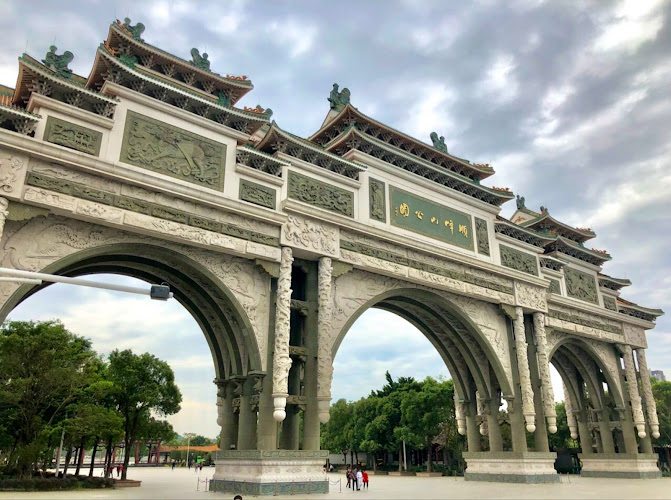
528031 is a prominent Attractions located in Foshan.
Visit us at: China, Guangdong Province, Foshan, Chancheng District, 高庙路 邮政编码: 528031.
Traveler Reviews for 528031
There are no reviews yet. Be the first one to write one.
Have you visited 528031? Help other travelers by sharing your review.
You Might Also Like

Sanshui Forest Park
Shunfengshan Park
佛山市博物馆
Find Accommodations Nearby
Recommended Tours & Activities
Visitor Reviews
There are no reviews yet. Be the first one to write one.
Share Your Experience
Have you visited 528031? Help other travelers by leaving a review.