

21000
About 21000
Description
The 21000 is more than just a number stamped on envelopes; it’s the postal code that covers Dijon, the historic heart of Burgundy in eastern France. And yes, this writer has a soft spot for it. The first time walking through Dijon’s old streets, there was that smell of fresh bread mixed with mustard (real mustard, the kind that clears your sinuses), and it stuck. Travelers coming to the 21000 quickly realize this place lives at a different pace. Not rushed, not sleepy either. Somewhere comfortably in between.
Dijon sits roughly between Paris and Lyon, which makes it a natural pause point for people touring France by train or car. But treating it as a quick stop is a mistake. The 21000 holds layers of history, food culture, and everyday French life that feels unfiltered. You’ll see office workers grabbing lunch at small cafés, students filling the squares in the evening, and older locals who still shop daily, basket in hand. It feels lived-in, which I personally value more than glossy perfection.
Architecturally, the area covered by the 21000 blends medieval half-timbered houses with grand Renaissance mansions and clean modern additions that don’t scream for attention. The former seat of the Dukes of Burgundy still dominates the cityscape, and wandering nearby streets can feel like flipping through a history book that someone spilled coffee on. Messy, real, and fascinating.
Travelers often arrive expecting mustard and wine (fair enough), but what surprises many is how walkable and manageable Dijon feels. The scale is human. You don’t feel bullied by landmarks. You just sort of… drift. And that’s when the 21000 works its magic.
Key Features
- Historic center with preserved medieval and Renaissance buildings
- Gateway to Burgundy wine country, with vineyards just outside the city
- Strong food culture beyond mustard, including cheeses, pastries, and regional dishes
- Well-marked walking trails through the old town, ideal for first-time visitors
- Lively local markets selling seasonal produce and regional specialties
- Compact layout that’s easy to explore on foot or by tram
- Museums and cultural sites that don’t feel overcrowded or overwhelming
Best Time to Visit
The best time to visit the 21000, in this writer’s humble opinion, is late spring or early autumn. May and June bring longer days, mild weather, and fewer tourists than peak summer. September is also excellent, especially if you’re even mildly interested in wine. Harvest season adds a buzz to the air, and you’ll notice it in conversations, menus, and local events.
Summer isn’t terrible, but it can get warm, and some smaller shops slow down in August. That said, evenings are lovely, with people lingering outdoors well past dinner. Winter is quieter, colder, and honestly a bit underrated. The Christmas markets add charm, and museums feel almost private. Just bring a coat and realistic expectations about daylight.
If crowds make you itchy, avoid major French school holidays. The 21000 doesn’t drown in tourists, but it does notice when buses arrive. Timing matters more here than people think.
How to Get There
Getting to the 21000 is refreshingly straightforward. Dijon is well-connected by train, with frequent services from Paris that take around an hour and forty minutes. That ease of access is one reason many travelers end up here almost by accident. And then they stay longer than planned. It happens.
By car, the area is accessible via major highways, making it a common stop for road-trippers exploring Burgundy or heading south. Parking within the central area can be tricky, though. If you’re driving, consider leaving the car on the outskirts and using public transport or walking. Trust me, walking is half the joy.
The local tram and bus system is efficient and clean, without being confusing. Even if you’re directionally challenged (I am), you’ll manage just fine. And once you’re in the 21000 proper, most attractions sit close enough that transportation becomes optional.
Tips for Visiting
First tip: slow down. The 21000 rewards patience. Sit at a café longer than feels productive. Wander without a plan. Some of my best moments here came from getting lost, then finding a small bakery that wasn’t in any guidebook.
Second, eat adventurously. Yes, try the mustard, but don’t stop there. Ask locals what they’re having. Regional dishes can be rich, sometimes heavy, but they tell a story about the land and seasons. And don’t skip dessert. Ever.
Third, learn a few basic French phrases. You don’t need fluency, just effort. A simple bonjour goes a long way. People here are polite, but they appreciate when visitors meet them halfway.
Fourth, wear good shoes. Cobbled streets look romantic until your feet start protesting. This is a city meant to be walked, and you’ll want comfort on your side.
Finally, give the 21000 time. Two days is okay. Three is better. A week? You might start checking rental listings. It’s that kind of place. Not flashy, not loud, but quietly confident in what it offers. And sometimes, those are the destinations that stay with you the longest.
Key Features
- Historic center with preserved medieval and Renaissance buildings
- Gateway to Burgundy wine country, with vineyards just outside the city
- Strong food culture beyond mustard, including cheeses, pastries, and regional dishes
- Well-marked walking trails through the old town, ideal for first-time visitors
- Lively local markets selling seasonal produce and regional specialties
- Compact layout that’s easy to explore on foot or by tram
- Museums and cultural sites that don’t feel overcrowded or overwhelming
More Details
Updated December 31, 2025
Table of Contents
Description
The 21000 is more than just a number stamped on envelopes; it’s the postal code that covers Dijon, the historic heart of Burgundy in eastern France. And yes, this writer has a soft spot for it. The first time walking through Dijon’s old streets, there was that smell of fresh bread mixed with mustard (real mustard, the kind that clears your sinuses), and it stuck. Travelers coming to the 21000 quickly realize this place lives at a different pace. Not rushed, not sleepy either. Somewhere comfortably in between.
Dijon sits roughly between Paris and Lyon, which makes it a natural pause point for people touring France by train or car. But treating it as a quick stop is a mistake. The 21000 holds layers of history, food culture, and everyday French life that feels unfiltered. You’ll see office workers grabbing lunch at small cafés, students filling the squares in the evening, and older locals who still shop daily, basket in hand. It feels lived-in, which I personally value more than glossy perfection.
Architecturally, the area covered by the 21000 blends medieval half-timbered houses with grand Renaissance mansions and clean modern additions that don’t scream for attention. The former seat of the Dukes of Burgundy still dominates the cityscape, and wandering nearby streets can feel like flipping through a history book that someone spilled coffee on. Messy, real, and fascinating.
Travelers often arrive expecting mustard and wine (fair enough), but what surprises many is how walkable and manageable Dijon feels. The scale is human. You don’t feel bullied by landmarks. You just sort of… drift. And that’s when the 21000 works its magic.
Key Features
- Historic center with preserved medieval and Renaissance buildings
- Gateway to Burgundy wine country, with vineyards just outside the city
- Strong food culture beyond mustard, including cheeses, pastries, and regional dishes
- Well-marked walking trails through the old town, ideal for first-time visitors
- Lively local markets selling seasonal produce and regional specialties
- Compact layout that’s easy to explore on foot or by tram
- Museums and cultural sites that don’t feel overcrowded or overwhelming
Best Time to Visit
The best time to visit the 21000, in this writer’s humble opinion, is late spring or early autumn. May and June bring longer days, mild weather, and fewer tourists than peak summer. September is also excellent, especially if you’re even mildly interested in wine. Harvest season adds a buzz to the air, and you’ll notice it in conversations, menus, and local events.
Summer isn’t terrible, but it can get warm, and some smaller shops slow down in August. That said, evenings are lovely, with people lingering outdoors well past dinner. Winter is quieter, colder, and honestly a bit underrated. The Christmas markets add charm, and museums feel almost private. Just bring a coat and realistic expectations about daylight.
If crowds make you itchy, avoid major French school holidays. The 21000 doesn’t drown in tourists, but it does notice when buses arrive. Timing matters more here than people think.
How to Get There
Getting to the 21000 is refreshingly straightforward. Dijon is well-connected by train, with frequent services from Paris that take around an hour and forty minutes. That ease of access is one reason many travelers end up here almost by accident. And then they stay longer than planned. It happens.
By car, the area is accessible via major highways, making it a common stop for road-trippers exploring Burgundy or heading south. Parking within the central area can be tricky, though. If you’re driving, consider leaving the car on the outskirts and using public transport or walking. Trust me, walking is half the joy.
The local tram and bus system is efficient and clean, without being confusing. Even if you’re directionally challenged (I am), you’ll manage just fine. And once you’re in the 21000 proper, most attractions sit close enough that transportation becomes optional.
Tips for Visiting
First tip: slow down. The 21000 rewards patience. Sit at a café longer than feels productive. Wander without a plan. Some of my best moments here came from getting lost, then finding a small bakery that wasn’t in any guidebook.
Second, eat adventurously. Yes, try the mustard, but don’t stop there. Ask locals what they’re having. Regional dishes can be rich, sometimes heavy, but they tell a story about the land and seasons. And don’t skip dessert. Ever.
Third, learn a few basic French phrases. You don’t need fluency, just effort. A simple bonjour goes a long way. People here are polite, but they appreciate when visitors meet them halfway.
Fourth, wear good shoes. Cobbled streets look romantic until your feet start protesting. This is a city meant to be walked, and you’ll want comfort on your side.
Finally, give the 21000 time. Two days is okay. Three is better. A week? You might start checking rental listings. It’s that kind of place. Not flashy, not loud, but quietly confident in what it offers. And sometimes, those are the destinations that stay with you the longest.
Key Highlights
- Historic center with preserved medieval and Renaissance buildings
- Gateway to Burgundy wine country, with vineyards just outside the city
- Strong food culture beyond mustard, including cheeses, pastries, and regional dishes
- Well-marked walking trails through the old town, ideal for first-time visitors
- Lively local markets selling seasonal produce and regional specialties
- Compact layout that’s easy to explore on foot or by tram
- Museums and cultural sites that don’t feel overcrowded or overwhelming
Location
Places to Stay Near 21000
Find and Book a Tour
Explore More Travel Guides
No reviews found! Be the first to review!
Traveler Reviews for 21000
There are no reviews yet. Be the first one to write one.
Have you visited 21000? Help other travelers by sharing your review.
You Might Also Like

Vinnytsia
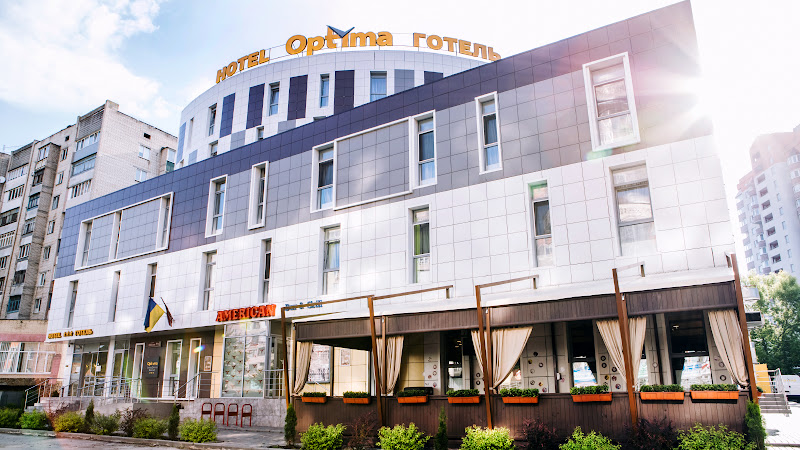
Optima Vinnytsia

Vinnytsia Tramway Museum
Find Accommodations Nearby
Recommended Tours & Activities
Visitor Reviews
There are no reviews yet. Be the first one to write one.
Share Your Experience
Have you visited 21000? Help other travelers by leaving a review.