Kuldīga vs Cēsis: 7 Surprising Differences & Insider Travel Tips
Updated September 3, 2025
Trying to choose between Kuldīga and Cēsis? That’s not just picking one postcard-perfect Latvian town over another. Both spots drip with charm, history, and scenery, but honestly? They hit you differently the minute you set foot in them. If you’re chasing raw medieval vibes, Cēsis is your spot; if you’re after that dreamy, riverside slow-life, Kuldīga might just steal your heart.
You’ll feel it right away. Cēsis pulls you in with its castle ruins and winding cobbles, while Kuldīga charms with its UNESCO-listed old town and the Venta Rapid—Europe’s widest waterfall. I’ve wandered both, and it really comes down to whether you want to run your hands over ancient stones or just melt into a small-town rhythm that seems to pause time.
Getting between the two is a bit of a trek—about 200 km apart—but hey, that’s half the fun. After you’ve been, you’ll realize they’re more like perfect travel companions than rivals.
Table of Contents
- Key Takeaways
- Kuldīga vs Cēsis: Key Differences and Similarities
- Location and Accessibility
- Historical Backgrounds
- Atmosphere and Local Vibe
- Top Attractions in Kuldīga
- Ventās Rumba Waterfall
- Old Town Architecture
- Unique Local Experiences
- Must-See Sights in Cēsis
- Cēsis Castle Complex
- Gauja National Park Access
- Cultural and Art Venues
- Getting Between Kuldīga and Cēsis
- Distance and Travel Time
- Public Transport Options
- Scenic Road Trip Routes
- Local Life and Community Spirit
- Festivals and Events
- Creative Initiatives
- Resident Perspectives
- Nearby Destinations to Explore
- Day Trips from Kuldīga
- Excursions Around Cēsis
- Regional Highlights
- Frequently Asked Questions
- What unique historical sites can be explored in each town?
- How do the culinary experiences differ between the two destinations?
- Can you highlight the natural attractions that set these towns apart?
- What are the hidden gems for local culture enthusiasts in both towns?
- What seasonal events should visitors consider when planning their trip?
- How do the accommodation options vary in terms of charm and comfort?
- Book Your Dream Experience
- More Travel Guides
Key Takeaways
- Each town brings its own unique cultural and historical flavor
- Both have standout sights, so squeeze in both if you can
- Getting between them takes a little effort, but the contrast is worth it
Kuldīga vs Cēsis: Key Differences and Similarities
Both Kuldīga and Cēsis are small Latvian towns that somehow pack centuries of stories into walkable neighborhoods. Kuldīga sits out west, famous for river rapids and that UNESCO badge, while Cēsis is tucked into the Gauja National Park, wrapped in medieval ruins and a proud independence legacy.
Location and Accessibility

Kuldīga sits in western Latvia, in the Courland region, and you’ll need about two hours from Riga by car. No direct trains, so you’re looking at buses or driving yourself. Maybe that’s a hassle, but honestly, the trade-off is quieter streets and fewer crowds.
Cēsis, meanwhile, lives northeast of Riga in Vidzeme. You can hop a train or bus and get there in about 90 minutes—super handy if you’re not keen on renting a car. Plus, it’s right in Gauja National Park, so you can hike and castle-hop in the same afternoon.
If you’re plotting a bigger Latvian road trip, Cēsis links up easily with places like Sigulda and Valka, while Kuldīga feels a bit more like a destination you build your trip around.
Historical Backgrounds

Kuldīga’s roots go back to the 13th century, when the Livonian Order set up shop with a castle on the Venta River. Later, it became a Duchy of Courland capital. The old town, filled with wooden houses and UNESCO-listed streets, makes you feel like you’ve time-traveled. The Venta Rapid—Europe’s widest waterfall—shaped local life and trade for ages.
Cēsis has just as much history, but it’s a different flavor. The town grew around a hillfort and then a stone castle built by the Livonian Brothers of the Sword. Climbing the castle tower with a lantern is one of those quirky experiences you won’t forget. The 1919 Battle of Cēsis, when Latvians and Estonians pushed back German forces, really put the town on the modern map.
Both towns wear their medieval and early modern stories proudly. Cēsis leans into its military and independence past, while Kuldīga shines as a snapshot of 17th–18th century urban life.
Atmosphere and Local Vibe

Kuldīga just feels cozy. The Alekšupīte River hugs the walls of houses, earning it the nickname “Venice of Latvia.” Walking the cobbled lanes, you’ll spot tiled roofs, twisty alleys, and that long brick bridge over the Venta. It’s the kind of place where you can slow down, grab a coffee, and watch the world go by.
Cēsis, on the flip side, has more buzz—thanks to students and its spot as a Gauja region hub. The old town pops with color, there’s a castle park, and events keep things lively. You’ll probably stumble into more cafés, art corners, and a younger crowd than in Kuldīga.
Looking for a quiet, romantic escape? Kuldīga is your place. Want history, nature trails, festivals, and maybe a splash of nightlife? Cēsis has you covered. Both towns feel real, but their daily rhythm couldn’t be more different.
Top Attractions in Kuldīga
Kuldīga pulls you in with natural beauty, historic charm, and small-town traditions that somehow just feel alive. You can wander from centuries-old streets to riverside views in minutes, which is honestly half the magic.
Ventās Rumba Waterfall

The Venta Rapid, or Ventās Rumba, claims the title of Europe’s widest waterfall. It’s not tall, but the sheer width is wild—spanning the whole Venta River. In spring and autumn, you might catch fish leaping the falls, a weirdly mesmerizing local tradition.
I remember one chilly morning, coffee in hand, just watching the mist float up from the water. It wasn’t just the view—it was this sense of calm, like the whole town had hit pause.
You can stroll the red brick bridge nearby, which stretches long over the river and gives you a killer angle on both the water and the falls. If you’re into guided trips, you can book day tours that hit up Ventspils and Kuldīga through travel activities.
Old Town Architecture

Kuldīga’s old town feels like you’ve stepped into a storybook. Narrow cobblestone streets, wooden houses that lean with age, and facades in every shade—some painted bright, others just weathered wood. The town looks lived-in, not staged.
Keep your eyes peeled for carved doors, old shop signs, and hidden courtyards behind creaky gates. If you’re a shutterbug, you’ll lose hours here. Every bend in the lane seems to offer a new surprise.
Unlike bigger Latvian towns, life here moves slow. You can settle in at a café, sip something warm, and just watch the day unfold.
Unique Local Experiences

What really sets Kuldīga apart are the little, human moments. The Alekšupīte River flows so close to the houses, locals started calling it the “Latvian Venice.” It’s not grand, but it’s got a quirky charm.
One afternoon, I watched kids fishing right from the riverbank, laughing like they owned the place. Those are the scenes that stick with you, long after you’ve left.
Food here is a real surprise. For a small town, the café and restaurant scene is lively. You’ll find hearty Latvian classics and some modern twists, and people take real pride in what they serve. It’s comforting, filling, and honestly better than you’d expect.
If you time your visit with a local festival, you’ll get swept up in the community vibe. Music, crafts, and local traditions spill into the streets, making you feel more like an invited guest than a random tourist.
Must-See Sights in Cēsis
Cēsis blends medieval history, natural escapes, and a surprisingly creative local culture. The town feels both ancient and alive—old stone walls just steps from art spaces and forest trails.
Cēsis Castle Complex

The heart of Cēsis is the Cēsis Castle Complex—part crumbling medieval ruins, part 18th-century manor house. You can still see arrow slits and spiral staircases that look straight out of a legend.
I climbed those tight spiral steps with a lantern once—awkward, but memorable. From the top, the view sweeps over red rooftops and endless forest, a proper fairy-tale moment.
The newer manor houses the Cēsis History and Art Museum. It’s compact but well-curated, with exhibits on local life, the Livonian Order, and Latvian independence. If you like hands-on stuff, you can book tours with guides in period dress, which really brings the stories to life.
Gauja National Park Access

Cēsis sits right on the doorstep of Gauja National Park, Latvia’s biggest and most varied nature area. You can literally walk from the center into trails that lead to sandstone cliffs, caves, and peaceful riverbanks.
I’ve biked the Gauja River trail, and it’s just peaceful—pine forests, meadows, and the occasional wooden homestead rolling by. Hikers will find well-marked paths, some leading to valley viewpoints that are especially stunning in autumn.
The park also hides archaeological gems like the Āraiši lake dwelling reconstruction, where you can see how people once lived in wooden huts on the water. It’s a cool way to add context to all that medieval history in town.
Cultural and Art Venues

Cēsis has quietly built a reputation for its artsy side. The Cēsis Concert Hall is sleek and modern, hosting everything from classical to experimental gigs. Even if music isn’t your thing, the building’s worth a look.
Small galleries and studios pop up all over the old town. I once ducked into an art space in a converted warehouse—local artists showing off photography and sculpture, and it felt way more personal than anything in Riga.
Summer is festival season here, with open-air theater and music in the castle courtyard. You can wander out in the evening and just stumble into live jazz or a folk dance under the stars.
Getting Between Kuldīga and Cēsis
Traveling between Kuldīga and Cēsis isn’t rocket science, but you do need to plan a bit. No direct trains connect them, so you’ll pick between buses, transfers, or driving if you want to control your schedule.
Distance and Travel Time
Kuldīga and Cēsis are about 200 km apart by road. If you drive, expect it to take around 2.5 to 3 hours, depending on traffic and how often you stop.
The straight-line distance is about 204 kilometers, but the actual drive winds through smaller highways and rural roads.
Driving’s definitely the fastest. Buses and trains, thanks to transfers, stretch the trip closer to 4–5 hours. If you’re pressed for time, rent a car. But if you’re not in a rush, public transport works just fine.
Public Transport Options

You won’t find a direct train between Kuldīga and Cēsis, so you’ll have to mix it up with buses and trains. Most folks hop on a bus from Kuldīga to Riga, then grab a train from Riga to Cēsis. The Riga–Cēsis train? It’s reliable, scenic, and honestly a bit of a treat, but the bus part does tack on extra time.
Buses from Kuldīga to Riga leave fairly often—usually every couple of hours during the daytime. They’re comfy enough, though don’t expect anything fancy. Once you reach Riga, the train to Cēsis rolls along for about 2 hours.
If you’re the planning type (and hey, who isn’t when it comes to public transport?), check schedules and compare ticket prices on sites like Kayak. Tickets won’t break the bank, but it’s a long stretch, so pack snacks and maybe a good book. It’s not the fastest route, but you’ll catch plenty of Latvian countryside out your window.
Scenic Road Trip Routes

Got a car? This stretch is tailor-made for a road trip. Driving lets you stop in tiny towns and take detours you’d never spot from a bus window. One well-loved route detours through Ventspils on the coast before veering inland toward Cēsis. It adds some time, but the Baltic Sea views are just… wow.
Or, maybe you’d rather cut straight across Zemgale and Vidzeme regions. That way, you’ll get a real taste of Latvia’s rural side—endless fields, quiet villages, and those roadside cafés you can’t resist.
I’ve driven this route myself, and honestly, the freedom to pull over whenever something catches your eye is half the adventure. If you love to wander, rent a car and make it a mini road trip. That’s the best way to link Kuldīga and Cēsis, hands down.
Local Life and Community Spirit
Life in Kuldīga and Cēsis? It’s all about tradition, creativity, and a kind of togetherness you don’t see everywhere. Each town moves to its own beat, but what really jumps out is how culture, events, and local pride shape daily life.
Festivals and Events

If you land in Cēsis in 2025, you’ll feel the buzz. The city, as Latvia’s Cultural Capital, is rolling out a year-long lineup of concerts, exhibitions, and gatherings that put local identity front and center. Events like the Cēsis Cultural Forum pull artists, residents, and visitors together to talk about culture and climate—it’s modern, but you can sense the history in the room.
Kuldīga leans into its old-town charm with festivals that feel more cozy and close-knit. The Kuldīga Town Festival fills the cobbles with music and food, and the Rumba Festival celebrates the waterfall with performances and craft markets. You won’t find as many international acts as in Cēsis, but the vibe is warm and welcoming.
Valka deserves a nod, too. Perched right on the Estonian border, it hosts cross-border events that bring Latvians and Estonians together. It’s not as packed with festivals, but the shared programs give it a special twist.
Creative Initiatives
Cēsis has carved out a reputation for artsy innovation. Local groups restore old buildings and turn them into cultural hangouts. Take the association Cēsis Heritage—they work on preservation projects that double as community spaces. It’s this blend of old and new that makes the town feel like a living gallery.
Kuldīga’s creativity is a bit more personal. Instead of big projects, you’ll spot local artists selling ceramics in courtyards, musicians jamming in the square, and houses with hand-painted signs. Sometimes you’ll wander into a workshop and end up chatting with the artist for ages.
If you’re hauling bags between towns, just know you can stash your stuff with luggage storage nearby. That way, you can actually enjoy poking into these creative corners without feeling weighed down.
Resident Perspectives
Chat with folks in Cēsis and you’ll hear real pride in how they balance tradition and progress. Locals often mention how community groups and businesses step up for cultural projects. Many see the 2025 celebrations as their big chance to show off their town’s identity.
Over in Kuldīga, people like to talk about the slower pace. They’ll mention evenings by the Venta River or how everyone greets the baker by name. That kind of closeness? It’s why so many visitors call it one of Latvia’s friendliest towns.
Valka’s residents usually highlight their cross-border ties. Families and friendships stretch into Estonia, so the town feels more international than you’d expect. It’s a different flavor of community—one shaped as much by geography as by tradition.
Nearby Destinations to Explore
Latvia’s small towns are close enough that you can easily branch out for a quick adventure. Whether you’re after coastal views or medieval castles, there are plenty of side trips to deepen your visit without straying too far.
Day Trips from Kuldīga
If you’re staying in Kuldīga, you can’t skip Venta Rapid, Europe’s widest waterfall. After soaking up the old town, head west to Ventspils—a port city with sandy Blue Flag beaches and a lively promenade. It’s about an hour’s drive, and the sea air is a nice break from cobbled streets.
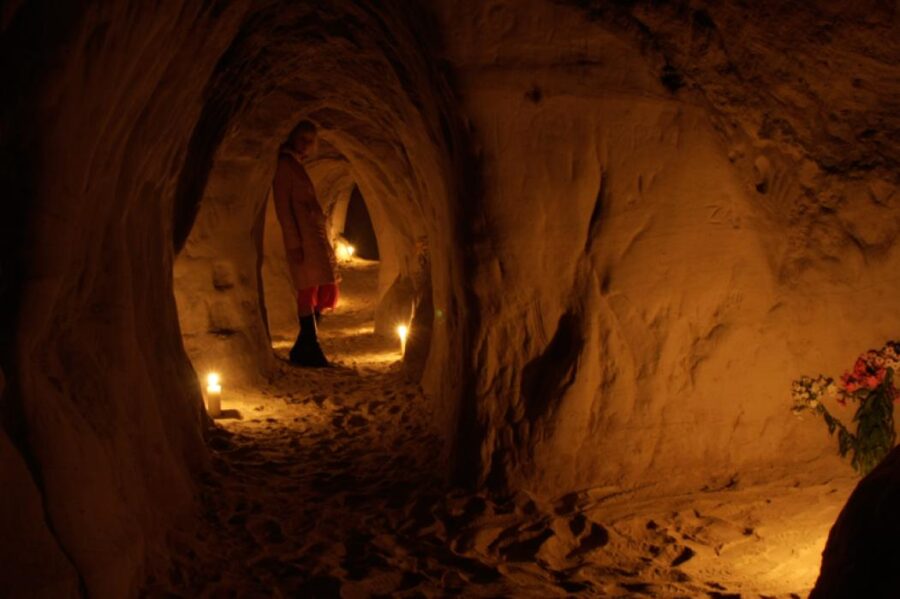
Just outside Kuldīga, the Riežupe Sand Caves are a quirky stop. Hand-dug over a century ago, they’re chilly even in July, so bring a sweater.
If you’ve got wheels, swing by Sabile—a tiny town with Wine Hill and cider traditions. I once timed my visit with apple harvest and ended up sipping fresh cider in a little courtyard. That’s the kind of unexpected memory that sticks with you.
Excursions Around Cēsis

Cēsis is surrounded by Gauja National Park—basically a giant playground for hiking, kayaking, or just wandering under pines. You can walk straight from the medieval castle into trails that feel worlds away.
For a blend of history and landscape, head to Sigulda. It’s nicknamed the “Switzerland of Latvia”—think valleys, castles, and even a cable car over the Gauja River. The Livonian Order Castle ruins are worth exploring, too.
Or, go north to Valka, a border town split between Latvia and Estonia. You can literally walk across the street into another country. It’s not overflowing with sights, but crossing borders on foot? That’s a story.
Regional Highlights

If you’re planning a longer adventure, it pays to think about how these towns connect. Kuldīga pairs well with the Kurzeme coast; Cēsis fits right into the Vidzeme region. The distances are short, but the scenery changes fast—forests, rivers, dunes, and farmland, all within a couple hours.
When you’re flying into Riga (which, let’s face it, most people do), keep an eye out for cheap flights to save some cash. Once you’re on the ground, buses and rental cars cover most routes, but I’ll always vouch for driving. You get to stop in those little villages you’d never see otherwise.
If you can swing it, link a coastal stop like Ventspils with a forest town like Cēsis. The contrast really shows off Latvia’s variety. And honestly, half the fun is the drive—quiet roads, roadside bakeries, and sometimes a stork perched up on a pole, just watching you go by.
Frequently Asked Questions
Both towns in Latvia offer a mix of medieval history, strong food traditions, and landscapes that surprise you once you’re there. Each spot has its own festival rhythm, hidden corners, and unique overnight stays that shape your trip in ways you might not expect.
What unique historical sites can be explored in each town?
Kuldīga’s old brick bridge across the Venta River and the nearby waterfall steal the show for most visitors. The cobbled streets and wooden houses give you a peek at what life looked like centuries ago.
Cēsis draws you right to its medieval castle ruins. The castle park and old town square are perfect for slow wandering, especially if you’re into history layered into every stone.
How do the culinary experiences differ between the two destinations?
Kuldīga goes for hearty, countryside-style food. Expect small bakeries and family-run spots serving up traditional Latvian dishes that taste like home.
Cēsis has a more modern food scene. Cafes play around with local ingredients, mixing old recipes with a fresh twist.
Can you highlight the natural attractions that set these towns apart?
Kuldīga boasts the Venta Rapid, Europe’s widest waterfall—especially striking in spring when fish leap upstream. The forests and rivers nearby make it easy to spend a whole day outside.
Cēsis sits right by Gauja National Park, so hiking trails, sandstone cliffs, and river valleys are all just a stroll away. The nature here feels more rugged and dramatic.
In Kuldīga, you might find tiny art galleries tucked inside old houses. The craft markets here keep things authentic—handmade, not touristy.
Cēsis has a lively arts center and often hosts intimate concerts in unexpected places. Folk traditions are alive and well, with workshops keeping old Latvian crafts going strong.
What seasonal events should visitors consider when planning their trip?
Kuldīga comes alive in summer with open-air concerts and town festivals. The Venta Rapid is at its best then, especially if you like sitting by the water with locals.
Cēsis is famous for its medieval festival, where the whole town leans into its castle roots. Winter brings a cozy vibe, with Christmas markets and snowy walks in the park.
How do the accommodation options vary in terms of charm and comfort?
Kuldīga? Oh, it’s all about those small guesthouses and quirky boutique stays, usually tucked away in beautifully restored wooden homes. You actually feel like you’re living inside a storybook—each spot oozes personality.
Cēsis has a much broader mix. You’ll find everything from rustic countryside lodges where you can almost hear the crickets at night, to sleek, modern hotels if you’re craving a bit more polish. If you’re the type who likes to plan ahead (or just loves window shopping for places to stay), take a peek at these accommodation options—there’s something for every taste and wallet.