

Last modified August 17, 2026
Trying to pick between Batanes and Calaguas? Trust me, it’s a tough call. Both are jaw-dropping, but for totally different reasons. Batanes sweeps you up with its rolling green hills, stone houses, and that almost otherworldly calm. Calaguas? Pure beach fantasy—think powder-soft sand, turquoise water, and a wild, unpolished charm you just don’t get anywhere else. If you’re after dramatic landscapes and deep culture, Batanes is your ticket. Craving beach days and island-hopping? Calaguas is calling.
I’ve wandered both, and wow, the contrast hits you right away. In Batanes, you might find yourself biking past lighthouses, waving to locals in tiny villages that seem frozen in time. Calaguas is all about pitching a tent under the stars, snorkeling in crazy-clear water, and bouncing between hidden coves. Each place has its own beat, so it really comes down to what kind of escape you want.
Key Takeaways
- Batanes: culture, history, epic landscapes
- Calaguas: beaches, island-hopping, simple living
- Your pick depends on your vibe and travel priorities
Batanes vs Calaguas: At a Glance
Both sit in the Philippines, but honestly, they couldn’t feel more different once you step off the plane or boat. One’s windswept and remote, the other’s tropical and barefoot-friendly. Even getting there is a whole different adventure.
Location and Accessibility
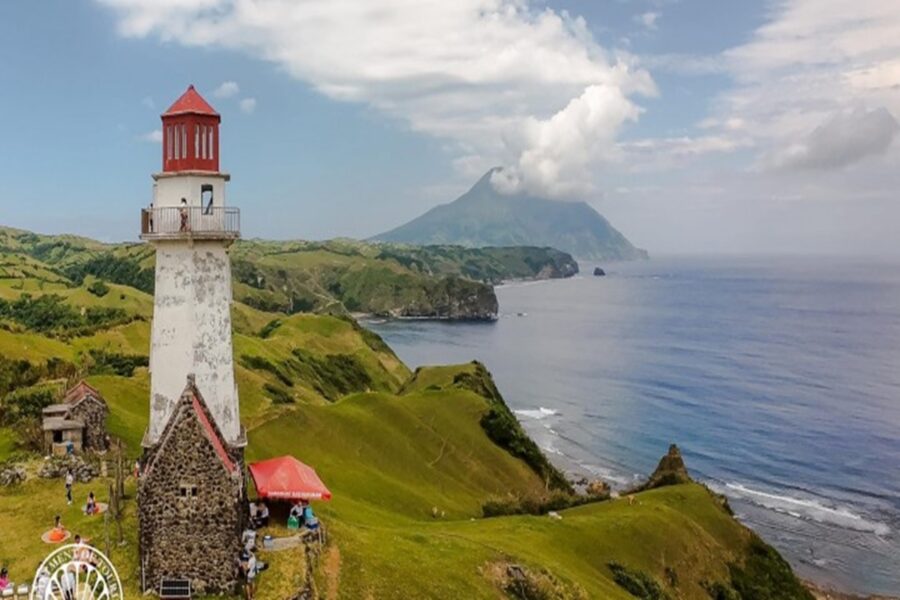
Batanes is way up north, part of the Cagayan Valley. It’s the country’s northernmost province, and you can only get in by plane. Usually, you’ll fly out of Manila or Clark, and it takes about 1 hour and 45 minutes. No boats, no buses—just that one flight over the Luzon Strait.
Calaguas, on the flip side, hides out in Camarines Norte. It’s about an 8-hour bus ride from Manila to Daet or Paracale, then a 2-hour boat ride. It’s a trek, but honestly, that’s part of what makes it special. The nearest airport is in Naga City, and from there it’s a couple hours by van.
Best Time to Visit
Batanes has weather closer to Taiwan than the rest of the Philippines. Winters (December to February) get chilly and windy, so you’ll want to pack a jacket. Summer—March to May—is calmer and sunnier, perfect for exploring those hills without worrying about surprise storms.
Calaguas shines in the dry months, March to June. The sea chills out, which is a big deal since that boat ride from Paracale or Daet can get wild during rainy season. If you push your luck and go July to September, you might run into rough seas and canceled trips.
So, Batanes is a bit more forgiving year-round. Calaguas? Definitely a summer fling.
Unique Features
Batanes is all about those landscapes—endless green, stone houses, and cliffs that crash into wild seas. The Ivatan people’s honesty stores and old churches add this layer of culture you won’t forget. It honestly doesn’t feel like anywhere else in the Philippines.
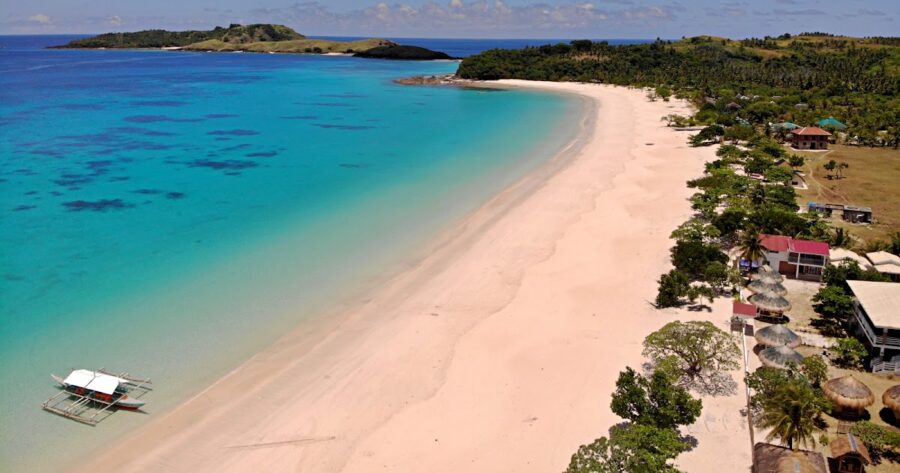
Calaguas keeps it simple: the beach rules everything. Mahabang Buhangin is sometimes called the “little Boracay” for its powdery sand and blue water, but it’s way quieter. Fewer resorts, more tents. You’ll probably cook your own food, maybe even fetch water from a well.
If you’re chasing raw beauty with a side of culture, Batanes is it. If you want to unplug and just exist on a gorgeous beach, Calaguas is your spot.
Natural Landscapes and Scenery
Both give you that untouched vibe, but in their own way. Batanes throws you into windswept hills and dramatic cliffs. Calaguas? It’s all about those white sand beaches and glassy turquoise water. Both spots have killer viewpoints and lighthouses that’ll fill your camera roll fast.
Rolling Hills and Cliffs of Batanes
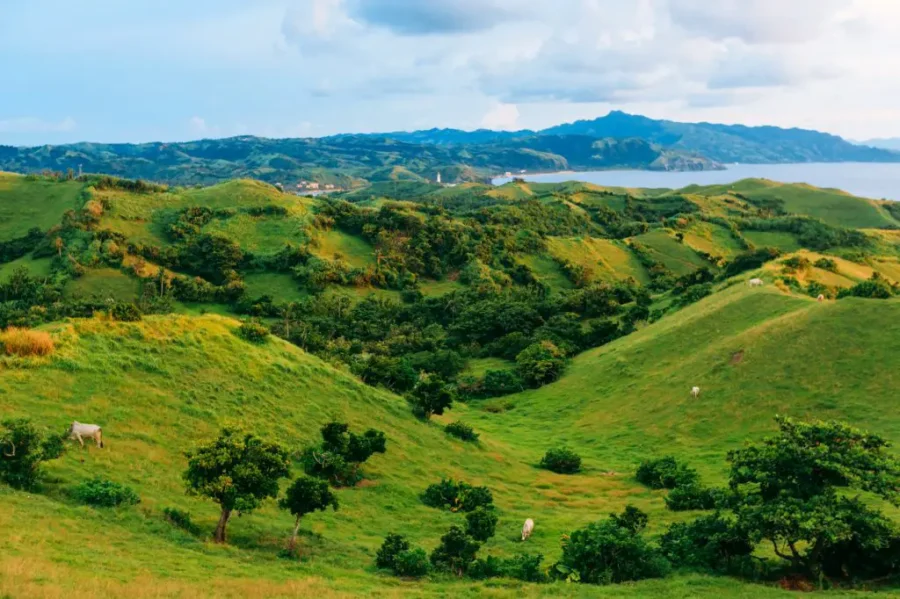
You’ve probably seen Batanes photos of the Vayang Rolling Hills or Rakuh a Payaman (locals call it Marlboro Country). These grasslands, with cows just hanging out, honestly feel like you’ve landed in Ireland—except the Pacific is roaring below.
The cliffs here? Next level. Valugan Boulder Beach has these massive volcanic rocks shaped by wave after wave. Not for swimming, but standing there with the ocean smashing the boulders is something you don’t forget.
For sunrise, Naidi Hills near Basco gives you a sweeping view of Mt. Iraya and the coast. If you want something quieter, the Chawa View Deck lets you spot Sabtang Island off in the distance. The whole place just begs you to slow down and wander.
Beaches and Waters of Calaguas
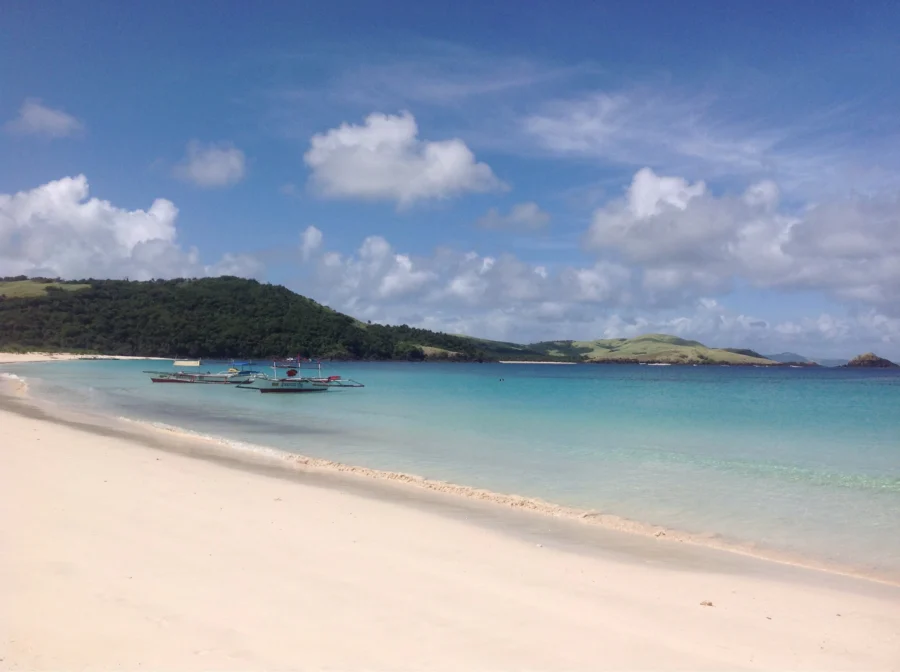
Calaguas tells a different story—it’s all about sand and sea. Calaguas Beach on Tinaga Island is the main draw, stretching out with sand so white it almost hurts your eyes. No crowds, just endless beach.
If you’re feeling curious, Balagbag Island nearby has little coves and snorkeling spots—sometimes you’ll have the whole reef to yourself. Morong Beach is another chill spot, with calm shallows perfect for lazy floating.
A bit more rugged is Diura Beach, right next to a fishing village. It’s rough around the edges, but you get a peek into local life. And for something quirky, Nakabuang Cave on Sabtang Island (usually on Batanes trips, but worth a mention) has this massive stone arch framing the beach. Photographers eat it up.
Lighthouses and Viewpoints
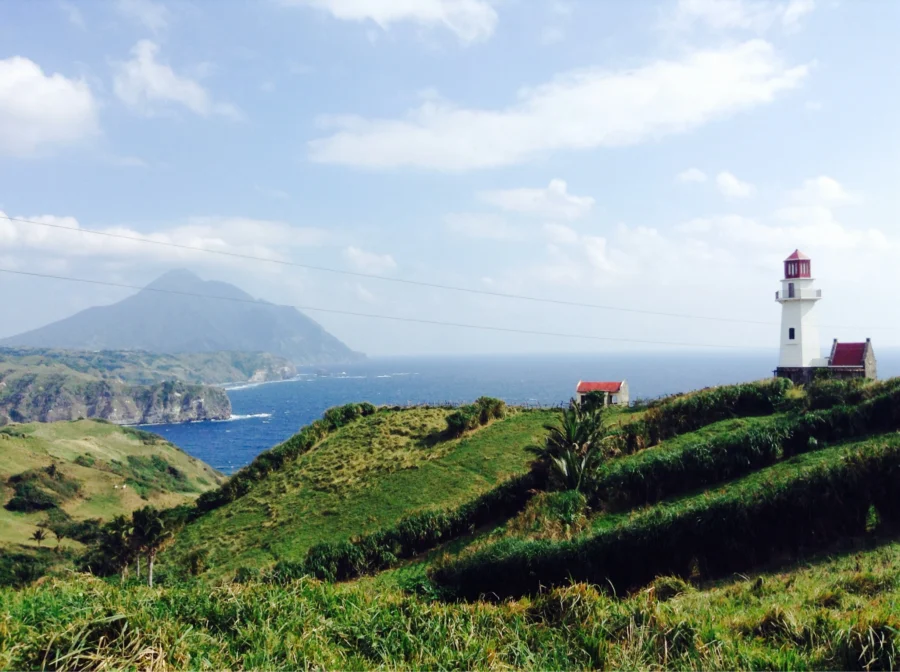
Batanes has these lighthouses that are basically icons. The Basco Lighthouse at Naidi Hills is probably the one you’ve seen a hundred times—especially at sunset when everything glows pink. You can just stroll up from town.
Tayid Lighthouse in Mahatao sits on a hill with nothing but blue sea behind it. I once spent an hour there, just watching boats drift by. Time really slows down in places like that.
Calaguas doesn’t have old lighthouses, but the hill treks behind the beach give you an epic view of the bay and all those scattered islands. It’s not a hard climb, but the view is pure postcard material.
Culture and Local Life
Life on these islands? Couldn’t be more different. In Batanes, traditions and stone houses stand strong against the wind. Calaguas is home to a tiny fishing community that keeps things simple but warm. Both places show you how people shape their lives around isolation and wild nature.
Ivatan Heritage in Batanes
The Ivatan people in Batanes have built their lives around the land and sea. Their homes—like the House of Dakay—use thick stone walls and grass roofs, built to handle typhoons. When you walk around Basco, those houses stand as proof of how tough and creative people can be.
Faith runs deep here. The San Carlos Borromeo Church, from the late 1700s, is a big deal. It’s not flashy, but you can feel the history. Little chapels pop up on hills everywhere, usually with killer cliff and ocean views.
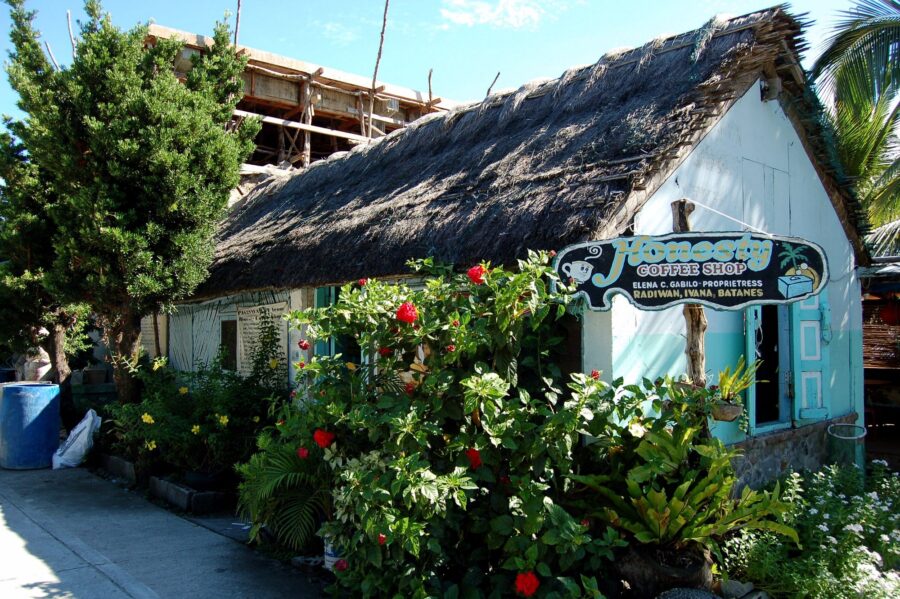
Life moves slow here, and people seem to like it that way. Shops like the Honesty Coffee Shop in Ivana don’t have staff—you just pay and go. It’s not a tourist trick; it’s real trust. If you want a blend of modern comfort and tradition, check out Fundacion Pacita—once an artist’s home, now a lodge perched above the sea.
Even the wind feels like part of the culture. Locals call Batanes the Home of the Winds, and you’ll get it the second you step onto a cliff and nearly lose your hat. It shapes everything, from the landscape to the people themselves.
Community and Traditions in Calaguas
Calaguas doesn’t have ancient stone houses or famous old churches, but its vibe is all about simplicity. Tinaga Island’s fishing community welcomes visitors with a kind of warmth you don’t always find in big tourist spots.
Everything revolves around the sea. Fishermen head out before dawn, and kids help fix nets right on the sand. If you camp overnight, don’t be surprised if someone invites you to share grilled fish and rice. It’s not for show—it’s just life.
Traditions here aren’t about grand buildings or ceremonies. They’re about the tides, the catch, and the little fiestas where everyone brings food and music. It’s low-key, but it feels real.
Tourism is changing things, slowly. You’ll notice more homestays and small stores near Mahabang Buhangin. Still, it hasn’t lost that small-town feel, where people greet you with a smile and a nod.
You won’t find nightlife or fancy shops. What you get instead is a stripped-down life—fishing, family, and a sense of belonging to the island. It’s quiet, but refreshingly honest.
Island Hopping and Adventure Activities
Both islands offer adventure, but the flavor is different. In Batanes, you’ll mix cultural trips with rugged island hopping. Calaguas is all about wild beaches, snorkeling, and sleeping with nothing but stars overhead. Either way, you escape the crowds and find your own slice of paradise.
Popular Tours and Excursions

Most folks in Batanes start with the North Batan Tour—think rolling hills, old stone houses, and lighthouses. Then there’s the Sabtang Island tour, where you hop a small boat across rough waters to see traditional Ivatan villages. If you’re feeling bold, you can head even farther to Itbayat, the northernmost inhabited island. Be warned: that boat ride is not for the faint of heart.
Calaguas keeps things simple but fun. Boatmen from Paracale or Vinzons will take you to Mahabang Buhangin on Tinaga Island, then maybe over to Balagbag Island or Vuhos Island. These side trips usually mean more swimming and beach picnics. If you like things organized, you can book day trips and excursions ahead of time and skip the guesswork.
Snorkeling and Water Sports
Let’s be real—Batanes’ waters? Wild and unpredictable. Snorkeling isn’t really the go-to activity here, unlike in Calaguas. Sometimes you can find a clear patch near Sabtang’s beaches, but honestly, the waves and currents make things tricky.
Most folks end up sticking to sightseeing and soaking up the local culture instead of jumping into the water.
Calaguas is a total flip. This place is all about the water. The reefs around Tinaga and those tiny islets nearby? They’re perfect for snorkeling. You’ll spot a whole cast of colorful fish, corals, and if luck’s on your side, maybe even a sea turtle or two.
Some boatmen bring a few masks and snorkels, but honestly, I’d bring my own if I were you. Kayaking and paddleboarding are possible, though don’t expect a fancy rental shop on every corner. Want something organized? Check out tours and activities that include water sports.
Hiking and Exploration

Batanes isn’t just about beaches—far from it. You can hike the rolling hills on Batan Island, wander through stone villages in Sabtang, or tackle the rugged cliffs of Itbayat.
The landscapes are dramatic—think green slopes crashing into a blue sea. I remember hiking up Marlboro Hills and just sitting there for what felt like forever, not wanting to leave.
Calaguas? It’s simpler, but still lovely. The main hike is up Tinaga Island’s hills. You’ll get panoramic views of Mahabang Buhangin’s long white sand, and it’s not a tough climb—maybe 20 or 30 minutes. The view is worth every step, and hey, you might even get a bit of phone signal up there.
Other than that, exploring Calaguas means wandering the coastline, stumbling into quiet coves, and letting the stillness sink in.
Where to Stay: Accommodations and Amenities
Batanes leans into homestays, small inns, and a few boutique hotels. Calaguas and Paracale? They’re all about simple cottages, camping, and beach resorts. It really depends on whether you want comfort with modern perks or you’re craving a rustic, unplugged getaway.
Places to Stay in Batanes
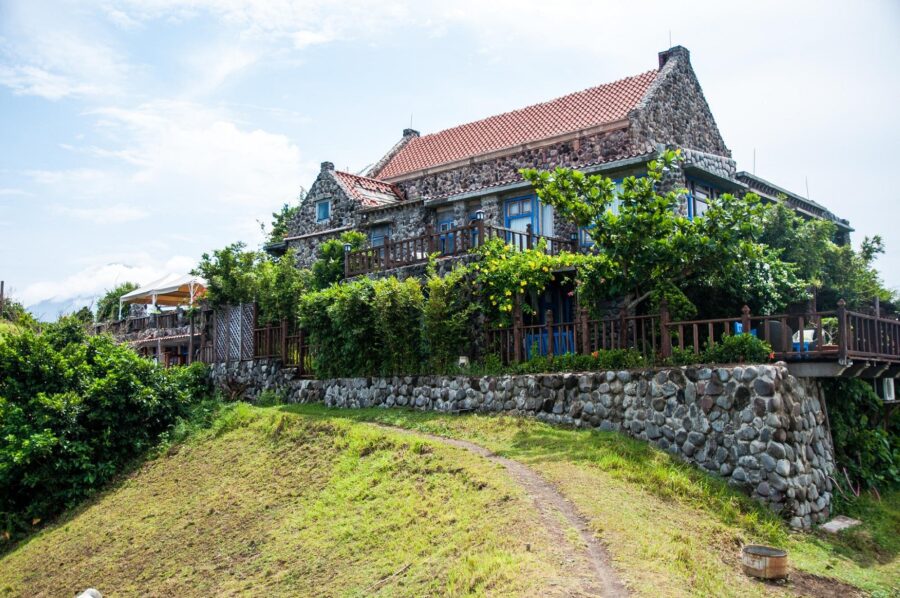
In Batanes, you’ll find a mix of budget-friendly guesthouses and a few boutique gems. If you want comfort with a ton of character, Fundacion Pacita is the one everyone talks about. It sits on a hilltop with sweeping views, and honestly, it feels more like staying at a friend’s gorgeous home than a hotel.
For something mid-range, Villa de Babat has a pool, sun terrace, and modern rooms. It’s one of the rare spots in Basco that blends local charm with a bit of resort feel.
Baletin Hometel is a nice pick if you want a simple guesthouse with a garden and sea views.
Budget travelers usually go for places like Troy’s Lodge or Shanedel’s Inn—basic, clean, and no-frills. Most of these inns can help with tours and airport transfers, which is a real bonus. You can check these out and book on Booking.com, which lists both homestays and hotels across the islands.
Places to Stay in Calaguas and Paracale
Don’t expect luxury in Calaguas—it’s just not that kind of place. Most people stay in beach cottages or pitch tents right on Mahabang Buhangin’s sand. Resorts are usually family-run, offering simple fan rooms, shared bathrooms, and home-cooked meals.
If camping’s not your thing, head to Paracale for more established guesthouses and inns. They’re still basic—think private bathrooms and air-conditioning, but nothing fancy. A lot of travelers use Paracale as a jump-off before hitting Calaguas, so check out the different places to stay in Paracale.
Calaguas charms you with its simplicity. You’ll trade Wi-Fi and hotel perks for quiet nights under the stars and mornings waking up to the sound of waves. If you’re cool with fewer comforts, this is exactly what makes the experience stick with you.
Travel Logistics and Essential Tips
Getting to Batanes and Calaguas isn’t as easy as hopping on a bus. Both spots need a bit of planning—they’re remote, weather-sensitive, and not exactly cheap to reach. Still, the payoff is huge if you know what to expect for travel, budget, and connectivity.
Getting There and Around

Batanes is only accessible by air. Flights land at Basco Airport, right in the capital on Batan Island. You can book tickets from Manila, Clark, or Tuguegarao using KAYAK or Skyscanner to compare prices. It usually takes about 1 hour and 45 minutes from Manila, but flights get canceled a lot because of the weather.
Once you’re in Batanes, you’ll mostly get around by van or tricycle. Tours are usually split into North Batan, South Batan, and Sabtang Island. If you want to visit Sabtang, you’ll need to reach Ivana Port and catch a faluwa boat—it can get rough on windy days.
Calaguas is a bit more of an adventure. First, travel to Daet, Naga City, or Paracale in Camarines Norte. From Paracale or Vinzons, hop on a boat for a ride that can last two hours or more, depending on the waves. Once you set foot on the island, you’ll walk or ride small boats—there are zero cars here.
Budget and Travel Costs
Batanes gets a reputation for being pricey. Regular airfare runs from ₱6,000–₱15,000 one way, but sometimes promos drop it to ₱3,000 if you’re lucky. Tours usually go for ₱1,500–₱2,500 per day, covering transport and guide fees. Accommodation ranges from basic homestays at ₱800 per night to something fancy like Fundacion Pacita at ₱10,000+.
Calaguas is easier on the wallet, but you still need to plan. Buses from Manila to Daet or Paracale cost around ₱600–₱900, and boat transfers add another ₱150–₱300. Camping is the norm, with fees around ₱150 per person, though there are a few homestays and resorts now. Meals are simple and cheap—especially if you bring your own supplies.
If you’re a planner, packing solid travel gear like waterproof bags, portable chargers, and lightweight tents can save you a lot of hassle. Both places get plenty of sun, sudden rain, and humidity—classic tropical weather.
Connectivity and Cash Availability
In Batanes, internet exists, but it’s slow—don’t expect to upload videos or binge Netflix. WiFi is mostly in Basco hotels, and it gets spotty once you head to Sabtang or Itbayat.
You’ll find a few ATMs in Basco, but they sometimes run dry, so bring enough cash. Credit cards? Pretty much useless here.
Calaguas is even more stripped back. Mobile signal is weak or nonexistent in many areas, and there’s no WiFi at all. You need to bring all the cash you’ll spend—no ATMs on the island. Withdraw in Daet or Naga City before you get on the boat.
Both destinations force you to unplug, which is honestly refreshing if you need a break. Just make sure you plan ahead, especially for cash and keeping in touch.
Which Should You Choose? Traveler Profiles and Recommendations
Batanes and Calaguas are worlds apart. One offers windswept cliffs and stone houses that have stood for centuries; the other lures you in with powdery beaches and quiet nights under a sky full of stars. Your choice isn’t really about the price—it’s about what kind of adventure you want and the memories you want to take home.
For Nature Lovers and Photographers
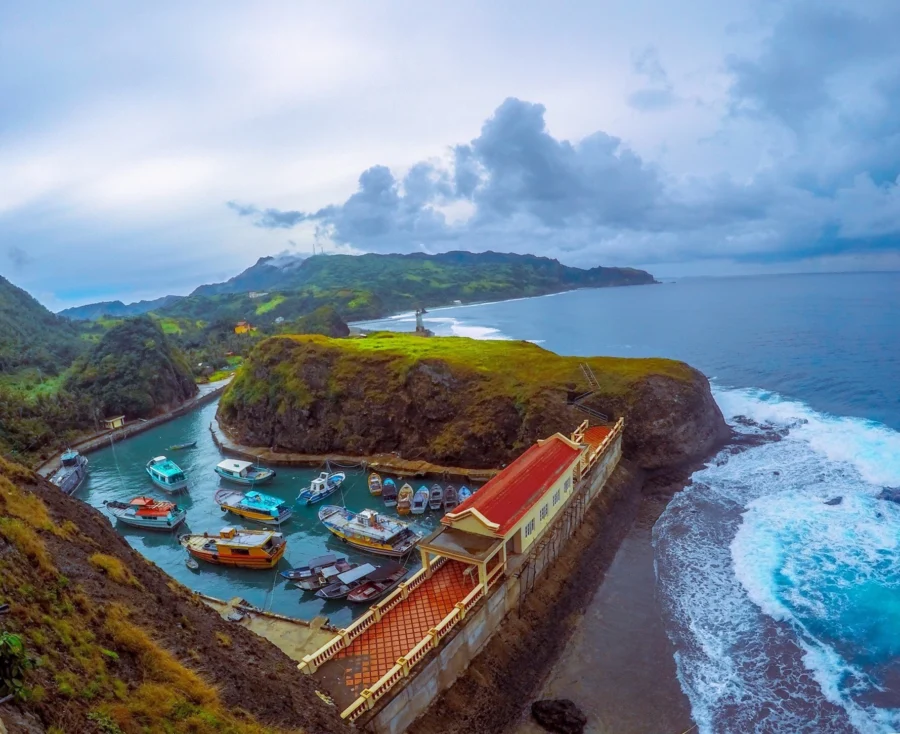
If you’re someone who chases the perfect light, Batanes is tough to beat. It sits closer to Taiwan than Manila, squeezed between the South China Sea and the Pacific Ocean. That mix creates wild skies, rolling hills, and cliffs that look straight out of a painting.
You’ll find places like Marlboro Hills and Vayang Rolling Hills where the world just opens up, and the wind practically sings past you. It’s not just about the scenery—Ivatan stone houses and lighthouses add a human touch that makes photos pop.
Calaguas is gorgeous, but it’s simpler. Think long beaches, turquoise water, and sunsets that seem to last forever. If you’re after pure seascapes or minimalist shots, it’s perfect. But if you crave variety—mountains, villages, dramatic coastlines—Batanes gives you more to play with.
For Beach Seekers and Relaxation
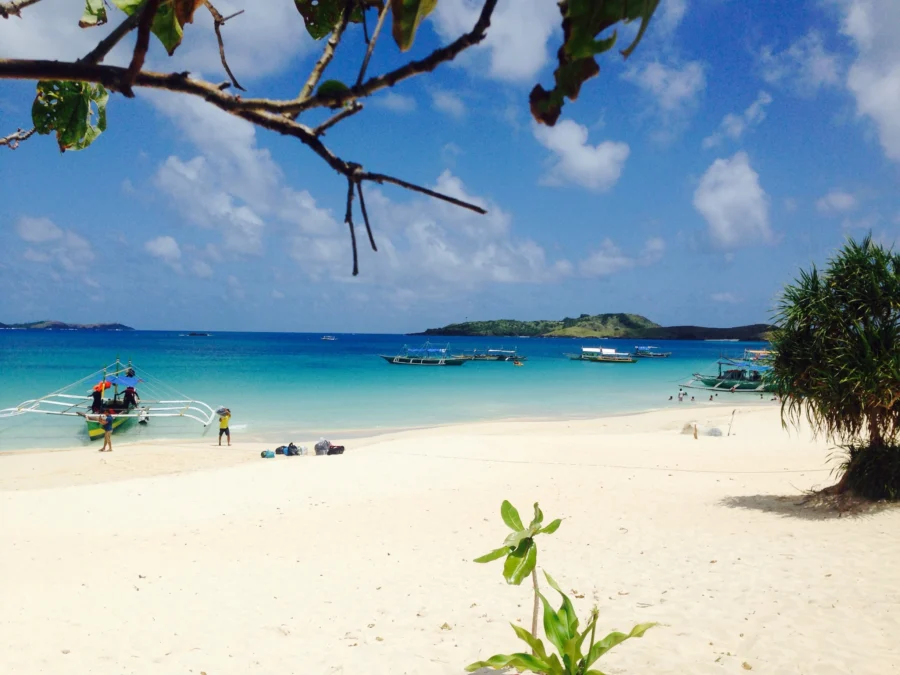
Calaguas is the place if you want that “Boracay before the crowds” feeling. Mahabang Buhangin is a long, powdery stretch with zero big resorts. Chances are, you’ll sleep in a tent or a simple hut, which is honestly part of the magic if you’re chasing a rustic escape.
Days move slow here. Swim, nap, maybe grill some fresh fish with friends. At night, you’ll sit under a sky full of stars—no light pollution, just peace. It’s the kind of spot where doing nothing actually feels like an accomplishment.
Batanes’ beaches are different. They’re rocky, windswept, and better for a walk than a lazy swim. Sure, there’s Morong Beach, but most people don’t come here to sunbathe—they come to explore. If you want to lounge on soft sand all day, Calaguas is the clear winner.
For Culture Enthusiasts
Batanes is soaked in culture, and you’ll notice it as soon as you see the Ivatan homes built from stone and thatch. These houses are made to survive typhoons, and locals still live in them. Walking through villages like Sabtang feels like stepping into a living museum.
The people here are famous for honesty and warmth. There’s even the Honesty Coffee Shop, where no one’s at the counter—you just pay what you owe. The food? Think turmeric rice, flying fish, and dishes made from banana pith.
Calaguas doesn’t really offer that kind of cultural depth. The vibe is more about the beach than the people. Locals are friendly, but you won’t see centuries-old traditions woven into daily life. If culture and community matter to you, Batanes is definitely the richer choice.
Frequently Asked Questions
Batanes and Calaguas—both islands in the Philippines, but honestly, they couldn’t feel more different once you’re standing there. One pulls you in with its wild cliffs and heritage homes; the other tempts you with powdery beaches and that classic “barefoot escape” vibe.
What are the unique attractions to look for when visiting Batanes compared to Calaguas?
In Batanes, you’ll see rolling green hills, lighthouses perched on cliffs, and centuries-old Ivatan stone houses. The landscapes sometimes look unreal, especially when you’re standing at Marlboro Hills or Vayang Rolling Hills.u003cbru003eu003cbru003eCalaguas is all about the beach. Mahabang Buhangin steals the show—long, fine white sand that rivals the country’s best. You won’t see stone houses or lighthouses here, just pure, unspoiled beach.
Can you highlight the differences in the cultural experiences between Batanes and Calaguas?
Batanes is deeply tied to Ivatan culture. You’ll see it in the food, the houses, even in the way locals greet you. Staying in a homestay gives you a real sense of community.u003cbru003eu003cbru003eCalaguas, on the other hand, is more of a beach camping destination. You’re not diving into local traditions as much as you’re soaking in the natural setting.
What should travelers consider regarding weather and climate when choosing between Batanes and Calaguas for their trip?
Batanes is famous for its wild winds and unpredictable weather. I always tell people, if you want the best shot at clear skies and calm seas, aim for March to May—locals swear by it, and this u003ca href=u0022https://guidetothephilippines.ph/articles/ultimate-guides/batanes-travel-guideu0022 target=u0022_blanku0022 rel=u0022noreferrer noopeneru0022u003eBatanes travel guideu003c/au003e backs it up.u003cbru003eu003cbru003eTyphoons roll in every so often, and they can throw your plans out the window, so it pays to stay flexible.u003cbru003eu003cbru003eCalaguas shines during the dry months too, usually from March through June. If you’ve ever tried taking a boat out there in the wet season, you know it can get pretty gnarly—definitely not the adventure most people are looking for on their way to a remote island.
Could you discuss the accessibility and transportation options for reaching Batanes and Calaguas?
You can only reach Batanes by plane, with flights leaving from Manila or Clark and landing in Basco. The trip itself is pretty quick—about an hour and a half—but there aren’t many flights, and tickets can get expensive fast.u003cbru003eu003cbru003eGetting to Calaguas feels like a mini-quest. First, you’ll travel overland to Camarines Norte, then hop on a boat to the islands. Depending on the weather, that boat ride might take one or two hours, so it’s definitely more of an adventure than just hopping on a plane to Batanes.
What are the accommodation options like in Batanes versus those available in Calaguas?
Batanes offers a mix of small hotels, lodges, and homestays, especially around Basco. Some spots, like Fundacion Pacita, even let you wake up to sweeping hill views—honestly, it’s pretty magical.u003cbru003eu003cbru003eBudget inns here feel homey, and you’ll get a real taste of Ivatan hospitality.u003cbru003eCalaguas, on the other hand, keeps things simple. Most folks pitch a tent right on the sand or stay in basic cottages.u003cbru003eu003cbru003eForget about air-conditioning or any fancy extras—it’s all about that back-to-basics vibe, falling asleep to the sound of the waves.
How do the activities for adventure seekers differ between Batanes and Calaguas?
If you’re craving adventure, Batanes has a way of calling your name. Hike up windswept hills, pedal down scenic byways, or wander through charming villages that seem frozen in time. I mean, when was the last time you just biked through a place and felt like you’d discovered a secret? Oh, and don’t skip those boat rides out to Sabtang or Itbayat—each trip feels like a new chapter.u003cbru003eu003cbru003eMeanwhile, Calaguas is basically a love letter to the ocean. You’ll want to dive right into swimming, snorkeling, and kayaking—there’s just something about that water that makes you forget about the rest of the world. Camping on the sand with the stars overhead? Honestly, it’s the kind of night you’ll remember way after you’ve left.