
Last modified April 29, 2025
Belgium offers travelers two enchanting cities that often compete for attention – Bruges and Antwerp. Each has its own distinct charm and character that sets it apart from the other.
Bruges wins for visitors seeking a fairytale medieval atmosphere with picturesque canals and cobblestone streets, while Antwerp attracts those who want a livelier cultural scene mixed with historic architecture.
The choice between these Belgian gems comes down to what kind of experience a traveler wants. Bruges feels frozen in time with its preserved Gothic buildings and peaceful waterways. Antwerp pulses with modern energy, famous for its diamond trade, fashion scene, and stunning mix of old-world charm and contemporary life.
Historical Background and Significance
Both Antwerp and Bruges played key roles in shaping Belgium’s rich history, with each city leaving its mark through trade, art, and architecture from different time periods.
Rich History of Antwerp
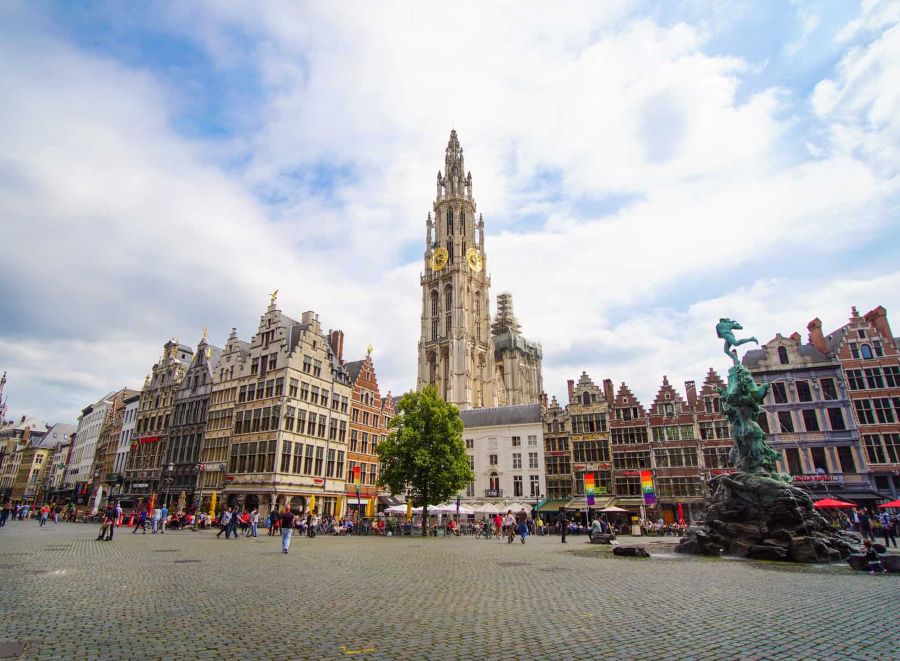
In the 16th century, Antwerp rose to prominence as Europe’s leading trade hub. Its port became the continent’s main gateway for exotic goods, spices, and silver from the New World. The city’s Golden Age brought immense wealth, funding beautiful Renaissance buildings that still stand today.
The city attracted famous artists like Peter Paul Rubens, who painted masterpieces in his Antwerp studio. His home and workshop are now must-see museums. The diamond trade also flourished here – by the 1700s, Antwerp controlled 75% of the world’s rough diamonds.
Bruges’ Medieval Charms
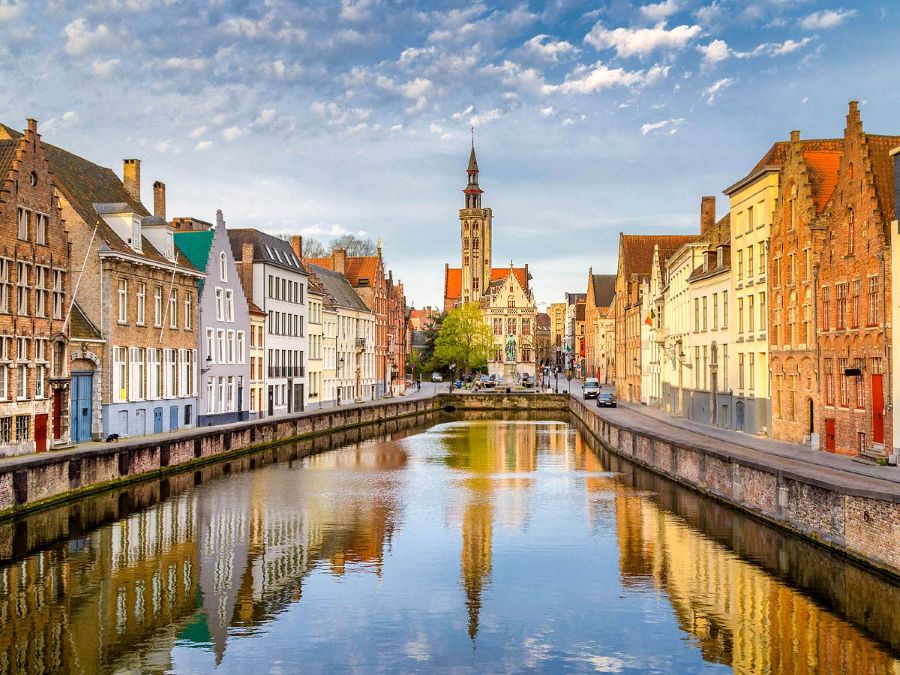
Bruges reached its peak during the Middle Ages as a major cloth-trading center. The city’s network of canals helped merchants transport wool from England to weave into luxury textiles.
The preserved medieval architecture makes Bruges feel like a living museum. The Basilica of the Holy Blood dates back to the 12th century and claims to hold a vial of Christ’s blood.
The cobblestone streets wind past guild houses and churches that look almost exactly as they did 500 years ago. Unlike many European cities, Bruges escaped major damage in both World Wars, keeping its medieval character intact.
City Life Comparison
These two Belgian cities offer distinct urban experiences, from bustling shopping districts to peaceful canal-side spots. Each has its own special rhythm and character that shapes daily life.
Vibrant Streets of Antwerp
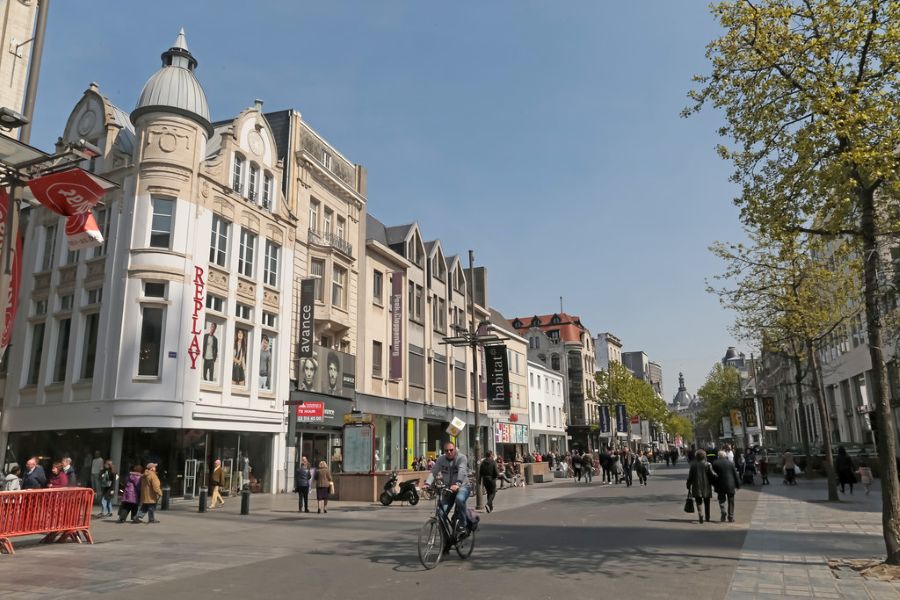
Antwerp buzzes with energy in its fashion district, where designer boutiques line the streets near the famous Meir shopping avenue. The city’s trendy Zuid neighborhood draws crowds to its art galleries and coffee shops.
The nightlife springs to life around the historic harbor area, with dance clubs and cocktail bars staying open till dawn. Young people love hanging out at Het Eilandje, where old warehouses now house cool restaurants and bars.
Street markets pop up throughout the week, like the exotic food stalls at Friday Market. The Diamond District sparkles with activity as traders and tourists mix in its narrow lanes.
Bruges’ Leisure and Tranquility

Life moves at a gentler pace in Bruges. Tourists and locals gather in Markt Square, watching horse-drawn carriages clip-clop past medieval buildings. The aroma of Belgian waffles fills the air from nearby cafes.
Small chocolate shops and lace-making workshops line the cobbled streets. Residents spend afternoons at cozy brown cafes, sipping local beers and chatting with friends.
Canal-side restaurants serve fresh seafood caught that morning. Evening brings a peaceful atmosphere as lights twinkle on the water and couples stroll along the quiet paths.
The Minnewater Park offers a peaceful escape where swans glide past willow trees. Street musicians often play soft melodies that echo off ancient stone walls.
Key Attractions and Activities
Both cities offer unique cultural experiences, from stunning medieval architecture to world-class museums and charming cityscapes that captivate visitors year-round.
Antwerp’s Cultural Landmarks
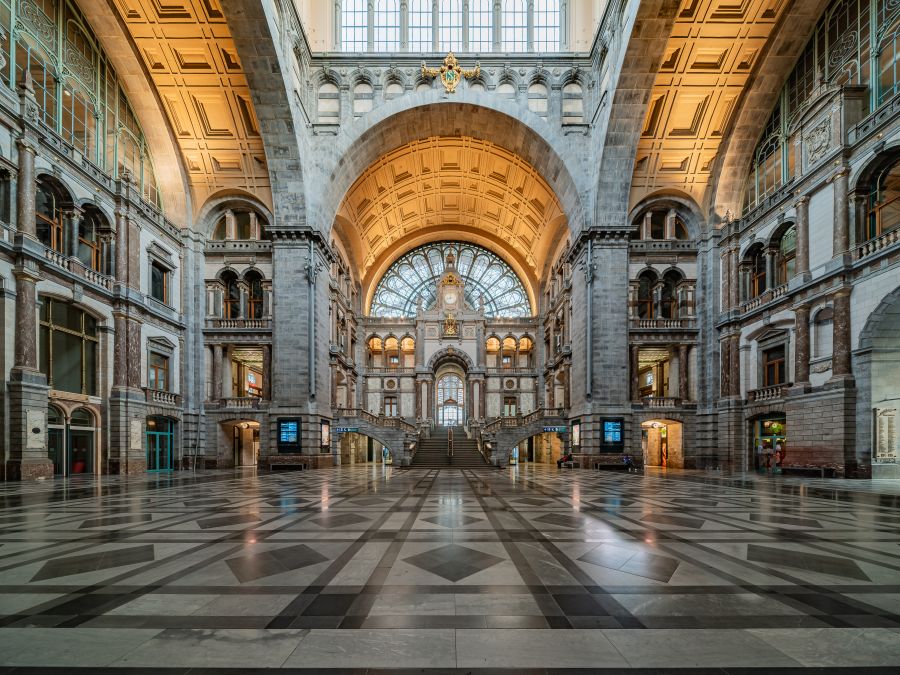
Antwerp Central Station stands as one of Europe’s most beautiful railway stations, with its grand dome and stone facade making it a must-see attraction.
The Cathedral of Our Lady dominates the skyline with its 123-meter spire and houses multiple masterpieces by Peter Paul Rubens.
The Plantin-Moretus Museum showcases the world’s oldest printing press and a stunning collection of medieval manuscripts. Art lovers flock to the Royal Museum of Fine Arts for its extensive collection of Flemish masterpieces.
The Port of Antwerp provides fascinating walks along the waterfront, where visitors can watch massive ships and explore the striking MAS Museum.
Bruges’ Scenic Highlights

The medieval Markt square forms the heart of Bruges, surrounded by colorful guild houses and the iconic Belfry tower.
Canal boat tours glide through the city’s network of waterways, offering unique views of ancient bridges and Medieval architecture.
The Basilica of the Holy Blood attracts visitors with its stunning Gothic architecture and sacred relic.
The Groeningemuseum houses an impressive collection of Flemish primitive art and masterpieces from the 15th to 21st centuries.
Minnewater Park, known as the Lake of Love, offers peaceful walks among swans and historic buildings, making it perfect for photography.
Gastronomy and Local Delights
Belgian cities are famous for their mouthwatering treats and rich culinary traditions. Both cities offer amazing chocolate shops, traditional Belgian waffles, and world-class beer.
Taste of Antwerp

Antwerp’s food scene mixes traditional Belgian flavors with modern twists. The city’s port brings in fresh seafood daily, making it perfect for classics like mussels and fries.
The Grote Markt square hosts many traditional Belgian restaurants serving hearty stews and meat dishes. Local specialties include:
- Antwerpse Handjes – hand-shaped cookies
- Fresh seafood platters
- Belgian fries with dozens of sauce options
Beer lovers can explore countless cafes serving hundreds of Belgian beers. The famous De Koninck brewery offers tours and tastings of their signature amber ale.
Bruges’ Culinary Journey

Bruges stands out for its artisanal chocolate shops and cozy tea rooms. The city has over 50 chocolate makers crafting pralines and truffles by hand.
The medieval center features restaurants in historic buildings serving traditional Flemish dishes. Popular treats include:
- Fresh waffles with whipped cream
- Hot chocolate with speculoos cookies
- Waterzooi – creamy chicken stew
Beer culture thrives at spots like 2be Beer Wall, displaying over 1,600 Belgian beers. Local breweries like De Halve Maan still make beer using centuries-old recipes.
Small family-run cafes serve regional specialties like beef stew cooked in beer and fresh North Sea shrimp croquettes.
Transportation and Mobility
Moving between attractions and exploring city streets requires different approaches in these Belgian cities. Each offers unique ways to get around that shape the visitor experience.
Getting Around Antwerp
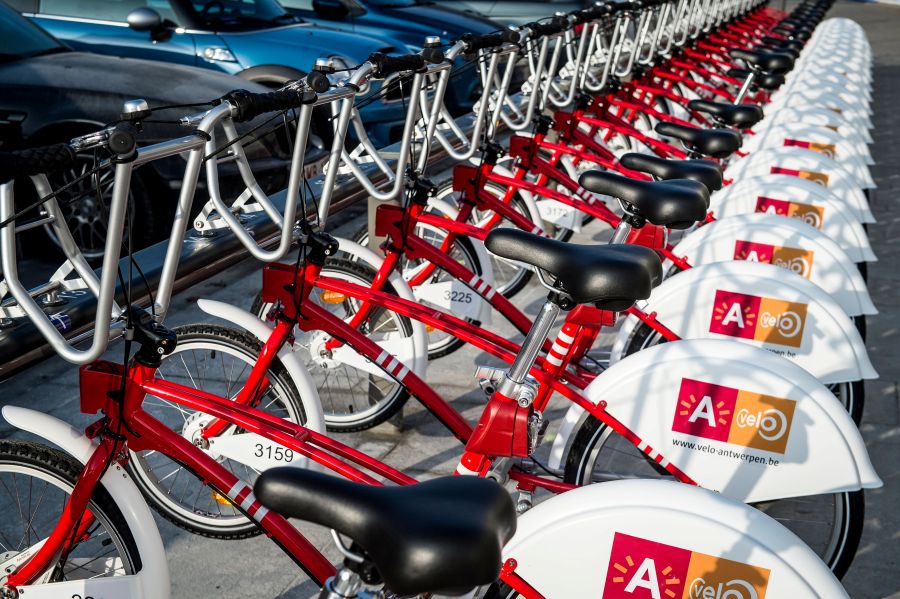
Antwerp’s excellent public transport network makes city exploration simple. The tram system covers major tourist spots and residential areas, while buses fill in the gaps. The stunning Antwerp Central Station serves as the main transport hub.
Metro lines connect the city center to outer districts. Buy a day pass to save money on multiple rides.
Bikes are popular in Antwerp. Many hotels offer bike rentals, and the city has dedicated cycling paths. The flat terrain makes cycling easy for most visitors.
Walking works well in the historic center. Most attractions sit within a 20-minute walk from Central Station.
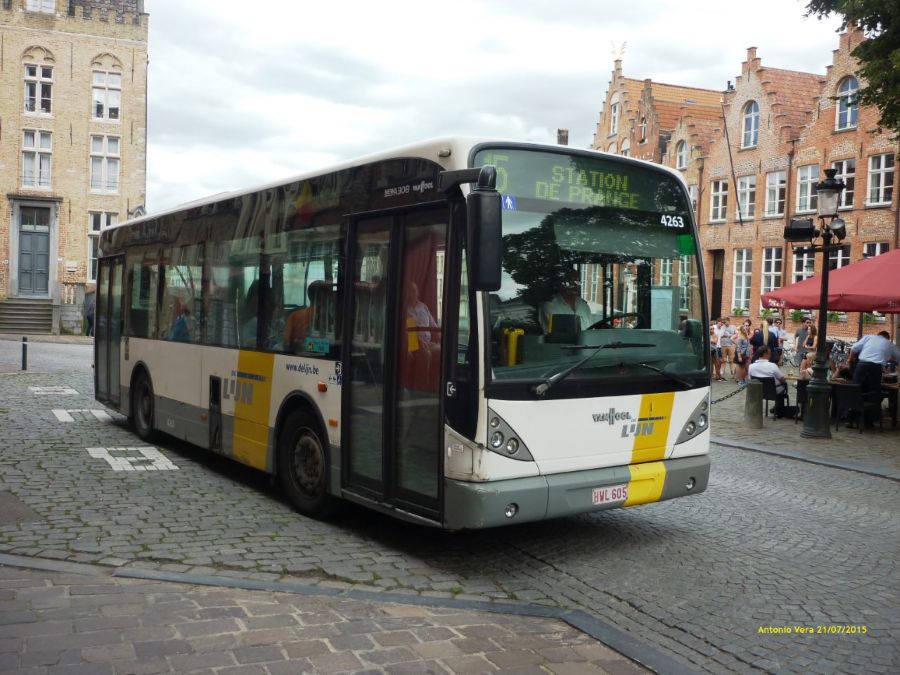
Bruges’s compact size makes it perfect for walking. The medieval center spans just 2 square kilometers, and most sights cluster together.
Canal boats offer a unique way to see the city. Tours last about 30 minutes and show hidden spots you can’t see on foot.
Public buses run throughout Bruges, but most tourists don’t need them. The train station sits a 15-minute walk from the main square.
Free parking exists at the train station, with shuttle buses to the center. Cars aren’t allowed in much of the old town, so it’s best to park outside.
Bike rental shops near Market Square offer daily rentals. The flat landscape and bike lanes make cycling pleasant.
Accommodations and Stays
Both cities offer unique lodging experiences that match their distinct personalities. Antwerp provides modern hotels near shopping areas, while Bruges specializes in cozy bed and breakfasts along peaceful canals.
Hotels in Antwerp
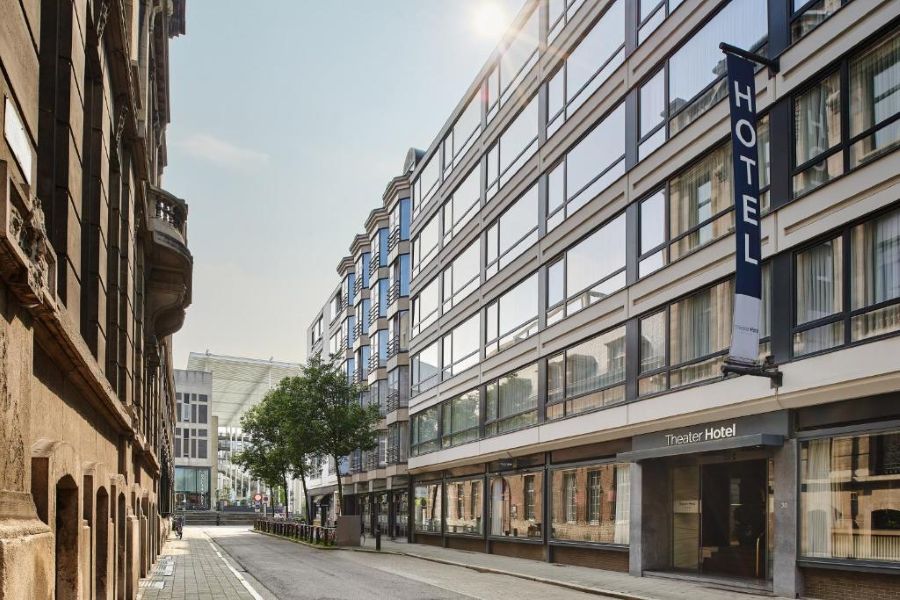
Antwerp’s accommodation options spread across several vibrant neighborhoods. Most hotels cluster around Central Station in the Diamond District, where stunning architecture meets convenient transport links.
The city center holds boutique hotels in restored historic buildings. These mix classic design with modern comforts, perfect for travelers who want style and location.
The trendy Zuid district attracts creative types with its art-focused hotels and design-forward spaces. Many rooms feature local artwork and unique decor that reflects Antwerp’s fashion heritage.
Book your perfect stay early during fashion weeks and major events when rooms fill quickly.
Lodging in Bruges

Bruges excels at intimate stays in historic buildings. The medieval center hosts charming guesthouses in restored merchant homes, many with original features like exposed beams and brick walls.
Canal-side hotels offer picture-perfect views. Wake up to swans gliding past your window and boats drifting along quiet waterways.
Small family-run B&Bs give travelers authentic local experiences. Hosts often share insider tips about hidden spots and quiet times to explore popular areas.
The Markt square area puts visitors steps from main attractions but comes with higher prices. Better deals exist in equally charming spots just 5-10 minutes away by foot.
Quiet spots near the windmills provide peaceful retreats after busy sightseeing days.
Shopping and Souvenirs
Both cities excel in retail therapy, with Antwerp leading in fashion while Bruges shines with traditional markets and artisanal goods.
Antwerp’s Retail Experience
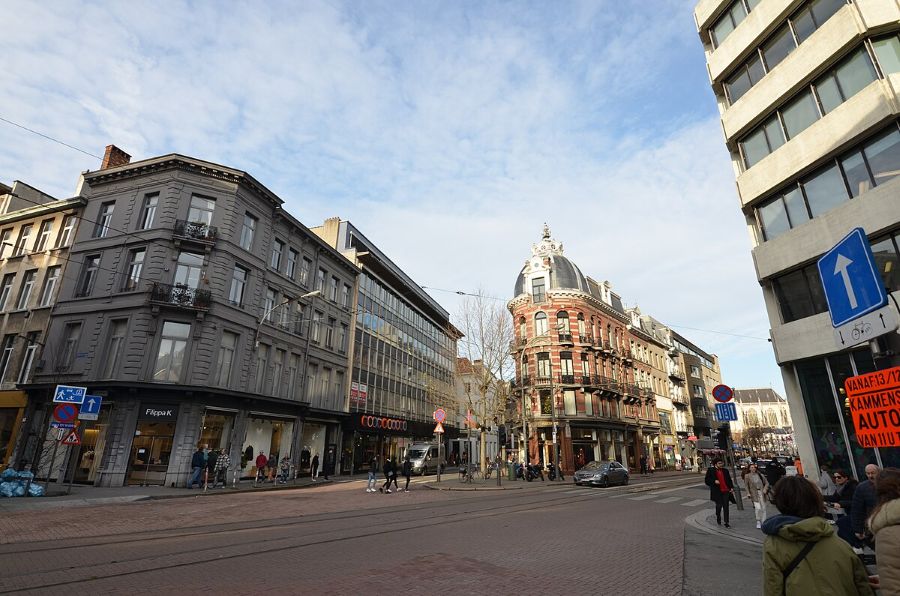
The fashion district around Nationalestraat stands as Antwerp’s shopping crown jewel. Famous Belgian designers like Dries Van Noten and Ann Demeulemeester showcase their latest collections in stunning boutiques.
The Meir, Antwerp’s main shopping street, mixes high-street brands with luxury shops in grand historic buildings. Fashion-conscious shoppers flock to the side streets for unique concept stores and emerging designer studios.
Local chocolatiers dot the city center, offering handmade pralines and truffles. The Diamond District near Central Station features over 380 jewelers in just four blocks.
Markets of Bruges

The Markt square hosts a weekly market each Wednesday, where locals and tourists browse fresh produce, flowers, and handmade crafts. Traditional lace shops line the nearby streets, selling delicate pieces made by skilled artisans.
Small chocolate shops fill the medieval streets with sweet aromas. Many offer free samples and demonstrations of their chocolate-making process.
‘t Zand Square holds a Saturday market with antiques, vintage items, and local specialties. The side streets around Steenstraat feature cozy boutiques selling Belgian beers, handmade soaps, and traditional pottery.
Frequently Asked Questions
Tourists explore these Belgian cities for their distinct characteristics, from medieval architecture to modern art scenes, diamond districts to chocolate shops, and everything in between.
What unique attractions does Antwerp offer compared to Bruges?
Antwerp stands out with its diamond district, where 84% of the world’s rough diamonds pass through. The city’s port, Europe’s second-largest, brings a bustling commercial energy.
The Royal Museum of Fine Arts houses masterpieces from Flemish artists like Rubens and Van Dyck. Meanwhile, the city’s fashion scene thrives with the MoMu Fashion Museum and trendy boutiques in the fashion district.
Can Antwerp and Ghent be comfortably explored in a single day?
A single day split between these cities creates a rushed experience. Each city needs at least a full day to appreciate their unique offerings.
Travel time between the cities takes about 50 minutes by train, which cuts into valuable exploration time.
How do the historical experiences of Bruges and Antwerp differ for travelers?
Bruges preserves its medieval character with cobblestone streets and Gothic architecture frozen in time. The Markt square and Belfry tower transport visitors to the 13th century.
On the other hand, Antwerp mixes time periods, from its Gothic cathedral to Art Nouveau buildings. The city shows how history evolved through different architectural styles.
What motivates tourists to choose Bruges as a travel base over other Belgian cities?
Bruges offers a romantic, fairytale atmosphere with its canals and medieval buildings. The compact size makes it easy to explore on foot.
The city’s famous chocolate shops, Belgian waffle stands, and breweries provide authentic local experiences. Many visitors appreciate the slower pace compared to larger cities.
Which city presents a better experience for art enthusiasts, Antwerp or Bruges?
Antwerp leads in art offerings with multiple world-class museums. The Rubens House shows where the famous painter lived and worked.
Meanwhile, Bruges focuses more on medieval art in the Groeningemuseum. Its collections feature Flemish Primitive masterpieces from the 15th century.
How does the nightlife in Antwerp compare with the charm of Bruges?
Antwerp buzzes with modern bars, clubs, and live music venues. The Zuid district attracts young crowds with its trendy spots.
Meanwhile, Bruges offers quieter evenings in traditional pubs and canal-side restaurants. The city emphasizes cozy atmospheres over loud entertainment.