
Elephant Cove
About Elephant Cove
Key Features
More Details
Updated April 15, 2024
Papaya Island Cove Batangas Day Tour with Lunch & Transfers | Mangrove …
# Elephant Cove (Nasugbu, Batangas) Guide: What It Is, How to Visit, and What to Pair It With
Elephant Cove is a small coastal stop in Nasugbu, Batangas (marker: 6H6R+JJ; coordinates 14.2116185, 120.5915555) that shows up in island-hopping and cove-hopping routes in the area. It’s commonly described as being named for a rock/monolith nearby that resembles an elephant’s trunk. Standard
If you’re building a Nasugbu day (or weekend) around coves, Elephant Cove works best as a quick scenic stop—paired with snorkeling or a longer beach/cove hang elsewhere.
—
## What Elephant Cove is known for
### The “elephant” rock formation
A travel feature describing a sunset cruise near Pico de Loro notes that Elephant Cove is named because a monolith beside it is shaped like an elephant’s trunk. That single detail is the clearest, most verifiable “why” behind the name. Standard
### It’s part of a wider cove circuit
In the Nasugbu area, island/cove-hopping itineraries commonly include multiple named coves in one run—most notably Mother Elephant Cove and Baby Elephant Cove, plus stops like Santelmo Cove and Taytayin Cove. Lets Anywhere
That matters because your experience of “Elephant Cove” often depends on the broader route your boat operator runs that day.
Outdated-data flag: specific stop lists can change because some locations are private or access-dependent; operators may swap stops. Lets Anywhere
—
## How to get to Elephant Cove (practical, route-first)
Elephant Cove itself isn’t described in sources as a stand-alone, walk-up attraction with its own gate or facilities; it’s better approached as a boat-access cove stop in the Nasugbu coastal area.
A commonly described access pattern for nearby cove areas is:
1. Travel by land toward Nasugbu via the Nasugbu–Ternate Highway, passing Kaybiang Tunnel.
2. Continue to a quarry area in Barangay Patungan, then
3. Take a boat ride (about 20 minutes) to Papaya Cove—a staging point for island/cove hopping in the area.
From there, boat operators may include Elephant-named coves among the scenic pass-bys or stops, depending on route and permissions. Lets Anywhere
—
## What to do when you’re there
### 1) Treat Elephant Cove as a “photo + perspective” stop
Because the most consistent detail is the elephant-trunk-shaped rock/monolith, the highest-value move is simple: get angles that actually show the “trunk” effect (wide shot + closer detail), then move on to activity-heavy stops.
### 2) Pair it with snorkeling at Santelmo Cove (if on your route)
Santelmo Cove is described as a marine sanctuary and a snorkeling area where visitors can see schools of fish, plus mentions of giant clams and corals in one firsthand-style account. Lets Anywhere
If your group wants one “real activity” stop, this is the one that’s repeatedly framed that way.
Ethics note (factual + caution): one account mentions fish-feeding happens there and also notes that in many places feeding is discouraged; treat that as a cue to follow local guidance and avoid introducing food unless an organized, locally accepted practice is clearly in place. Lets Anywhere
### 3) If your group wants adrenaline, Taytayin Cove is often used for cliff jumping
Taytayin Cove is described as a popular stop for cliff jumping on some routes.
If you’re traveling with mixed comfort levels, plan a split: swimmers/jumpers do their thing; everyone else treats it as a swim + watch stop.
—
## What to bring (the stuff that saves trips)
– Water shoes: coves and rocky entries can shred feet fast.
– Dry bag for phone + wallet (boat spray is common).
– Mask/snorkel if you have them (don’t assume rentals).
– Reef-safe sun protection + long-sleeve rash guard: easier than reapplying constantly.
– Trash bag: take your waste back out—especially if you’re visiting low-facility areas. (General best practice; not specific to this cove.)
—
## Accessibility, comfort, and inclusivity notes
Cove-hopping here typically involves boat transfers, uneven shorelines, and variable entry points, which can be challenging for:
– travelers with limited mobility,
– anyone who needs step-free access,
– families managing strollers.
If accessibility is a priority, your best control lever is the operator: ask what the boarding looks like, how stable the landing is, and whether the stop is a pass-by vs. a disembark. (This is exactly the kind of detail that can’t be safely assumed from a pin on a map.)
—
## Two internal links to add (contextual placement)
If you have relevant RealJourneyTravels pages, these are the two most natural internal-link placements in this article:
– In the “How to get there” section: Nasugbu, Batangas travel guide
– In the “What to bring” section: Beach & island-hopping safety checklist
(Use your actual slugs—these are suggested placements, not verified live URLs.)
—
## Quick reality check before you publish
– Verified core facts used: location (Nasugbu, Batangas), coordinates/plus code from your dataset; the name explanation via a published travel feature; and the commonly paired cove stops + access method from published guides. Standard
– Outdated-data risks flagged: stop itineraries and access/permissions can change. Lets Anywhere
If you want, paste your site’s existing Nasugbu/Batangas URLs and I’ll weave them in as true internal links without guessing slugs.
Table of Contents
Key Highlights
Elephant Cove
Location
Places to Stay Near Elephant Cove
Find and Book a Tour
Explore More Travel Guides
No reviews found! Be the first to review!
Traveler Reviews for Elephant Cove
There are no reviews yet. Be the first one to write one.
Have you visited Elephant Cove? Help other travelers by sharing your review.
You Might Also Like
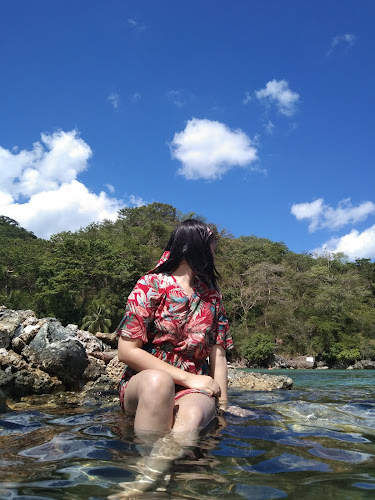
Papaya Cove Beach Resort
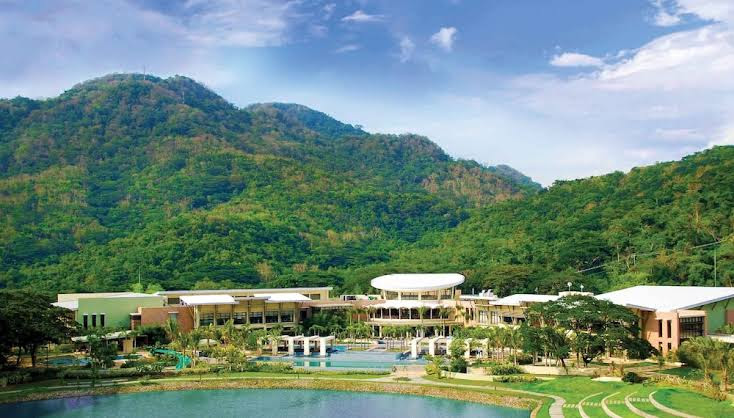
Hamilo Coast
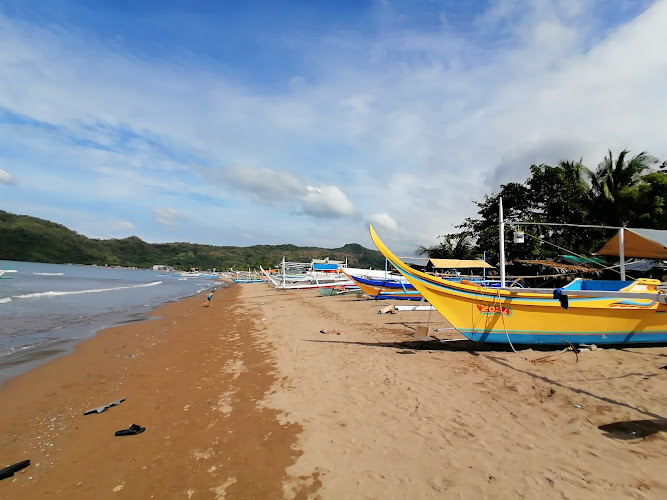
Calayo Beach
Find Accommodations Nearby
Recommended Tours & Activities
Visitor Reviews
There are no reviews yet. Be the first one to write one.
Share Your Experience
Have you visited Elephant Cove? Help other travelers by leaving a review.