
The Lion & Tusk – Museum of the Rhodesian Services Association
About The Lion & Tusk – Museum of the Rhodesian Services Association
Description
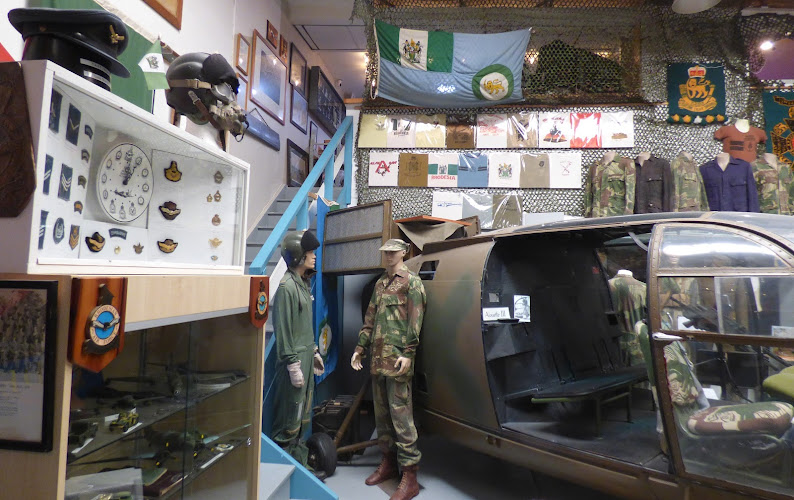
The Lion & Tusk – Museum of the Rhodesian Services Association is not your typical war museum. It’s a place that feels more like a carefully curated memory bank than a sterile hall of artifacts. Travelers who walk through its doors are greeted with a sweeping collection of historical, cultural, artistic, and scientific displays that tell the story of Rhodesia and its people from the late 19th century until the country’s transformation into Zimbabwe in 1980. What makes this museum stand out is that it doesn’t lean into politics or agendas—it’s about people, their lives, their struggles, and their resilience. And honestly, that’s refreshing in a world where history is often presented one-sided.
Inside, you’ll find everything from photographs and uniforms to medals, personal letters, and videos that capture the essence of Rhodesian life. It’s not just about the soldiers or the battles, though those are certainly represented. It’s about the families, the communities, and the everyday stories that often get lost in the bigger historical narrative. The museum’s volunteer team has gone to great lengths to make sure visitors leave with a balanced understanding, and you can feel the heart behind their work. It’s the kind of place where you can spend hours, and still, you’ll walk away feeling like you only scratched the surface.
Key Features
- A vast collection of Rhodesian military medals and memorabilia from the Bush War period
- Interactive displays with videos, photographs, and personal accounts
- Exhibits covering cultural, artistic, and scientific contributions from Rhodesian society
- Accessible facilities including wheelchair-friendly entrances and parking
- Family-friendly environment with restrooms (including gender-neutral options)
- A small CQ store where visitors can purchase memorabilia and books
- Knowledgeable volunteers who are more than happy to share stories and context
Best Time to Visit
There isn’t really a bad time to visit The Lion & Tusk Museum, but if you’re like me and prefer a slower pace, weekday mornings are golden. You’ll often have the exhibits nearly to yourself, which makes it easier to linger at displays without feeling like you’re in someone else’s way. Weekends can be busier, especially when families bring kids, but that can actually add a nice energy to the experience. There’s something about hearing a child ask questions about history that makes the whole visit feel more alive.
If you’re planning your trip around the weather, the museum is indoors and climate-controlled, so rainy days are perfect for a visit. It’s the kind of spot where you can comfortably spend a few hours without worrying about what’s happening outside. And if you’re traveling in peak holiday seasons, just keep in mind that Tauranga tends to be busier overall, so parking and traffic might take a little extra patience.
How to Get There
Reaching the museum is straightforward if you’re already in the Bay of Plenty region. Tauranga serves as a hub for travelers, and the museum is located within the city. If you’re driving, there’s accessible parking available, which is a huge plus if you’re traveling with family or anyone who needs a bit more convenience. Public transport can get you close, but to be honest, having your own car makes the trip smoother and gives you the freedom to explore other nearby attractions afterwards.
For those flying into Tauranga or even Auckland, renting a car is the most practical option. The drive from Auckland takes about three hours, and while that might sound like a stretch, the scenery along the way—rolling hills, farmland, and glimpses of the coast—makes it worth the time. I’ve done that drive myself, and I actually enjoyed the journey almost as much as the destination.
Tips for Visiting
First off, give yourself more time than you think you’ll need. I made the mistake of assuming I’d be in and out in an hour, and three hours later I was still wandering the exhibits, deep in conversation with one of the volunteers. There’s just so much to take in, and the stories behind the displays are what really bring it all to life.
Bring a curious mindset. This isn’t a place where you just glance at artifacts and move on—it rewards you for slowing down and asking questions. The volunteers are a treasure trove of knowledge, and they genuinely enjoy sharing insights with visitors. Don’t be shy about striking up a conversation; it can turn a good visit into a memorable one.
If you’re traveling with kids, know that the museum is surprisingly family-friendly. The displays are engaging enough to hold their attention, and the staff is welcoming. Just be prepared to answer some tough questions from curious young minds—it’s history, after all, and it can stir up big conversations.
Lastly, stop by the CQ store before you leave. It’s not just a gift shop; it’s a chance to take home a tangible piece of history, whether that’s a book, a replica medal, or a small keepsake. I picked up a book on Rhodesian history that I still flip through now and then, and it always reminds me of my visit.
All in all, The Lion & Tusk Museum is more than just a collection of objects—it’s a place where history feels personal and accessible. For travelers who appreciate learning about the past in a thoughtful, balanced way, it’s absolutely worth putting on your itinerary.
Key Features
- A vast collection of Rhodesian military medals and memorabilia from the Bush War period
- Interactive displays with videos, photographs, and personal accounts
- Exhibits covering cultural, artistic, and scientific contributions from Rhodesian society
- Accessible facilities including wheelchair-friendly entrances and parking
- Family-friendly environment with restrooms (including gender-neutral options)
- A small CQ store where visitors can purchase memorabilia and books
- Knowledgeable volunteers who are more than happy to share stories and context
More Details
Updated September 9, 2025
Table of Contents
- Description
- Key Features
- Best Time to Visit
- How to Get There
- Tips for Visiting
- Key Highlights
- Location
- Places to Stay Near The Lion & Tusk - Museum of the Rhodesian Services Association
- Find and Book a Tour
- Explore More Travel Guides
- Nearby Places You Might Like
- Traveler Reviews for The Lion & Tusk – Museum of the Rhodesian Services Association
- Share Your Experience
Description
The Lion & Tusk – Museum of the Rhodesian Services Association is not your typical war museum. It’s a place that feels more like a carefully curated memory bank than a sterile hall of artifacts. Travelers who walk through its doors are greeted with a sweeping collection of historical, cultural, artistic, and scientific displays that tell the story of Rhodesia and its people from the late 19th century until the country’s transformation into Zimbabwe in 1980. What makes this museum stand out is that it doesn’t lean into politics or agendas—it’s about people, their lives, their struggles, and their resilience. And honestly, that’s refreshing in a world where history is often presented one-sided.
Inside, you’ll find everything from photographs and uniforms to medals, personal letters, and videos that capture the essence of Rhodesian life. It’s not just about the soldiers or the battles, though those are certainly represented. It’s about the families, the communities, and the everyday stories that often get lost in the bigger historical narrative. The museum’s volunteer team has gone to great lengths to make sure visitors leave with a balanced understanding, and you can feel the heart behind their work. It’s the kind of place where you can spend hours, and still, you’ll walk away feeling like you only scratched the surface.
Key Features
- A vast collection of Rhodesian military medals and memorabilia from the Bush War period
- Interactive displays with videos, photographs, and personal accounts
- Exhibits covering cultural, artistic, and scientific contributions from Rhodesian society
- Accessible facilities including wheelchair-friendly entrances and parking
- Family-friendly environment with restrooms (including gender-neutral options)
- A small CQ store where visitors can purchase memorabilia and books
- Knowledgeable volunteers who are more than happy to share stories and context
Best Time to Visit
There isn’t really a bad time to visit The Lion & Tusk Museum, but if you’re like me and prefer a slower pace, weekday mornings are golden. You’ll often have the exhibits nearly to yourself, which makes it easier to linger at displays without feeling like you’re in someone else’s way. Weekends can be busier, especially when families bring kids, but that can actually add a nice energy to the experience. There’s something about hearing a child ask questions about history that makes the whole visit feel more alive.
If you’re planning your trip around the weather, the museum is indoors and climate-controlled, so rainy days are perfect for a visit. It’s the kind of spot where you can comfortably spend a few hours without worrying about what’s happening outside. And if you’re traveling in peak holiday seasons, just keep in mind that Tauranga tends to be busier overall, so parking and traffic might take a little extra patience.
How to Get There
Reaching the museum is straightforward if you’re already in the Bay of Plenty region. Tauranga serves as a hub for travelers, and the museum is located within the city. If you’re driving, there’s accessible parking available, which is a huge plus if you’re traveling with family or anyone who needs a bit more convenience. Public transport can get you close, but to be honest, having your own car makes the trip smoother and gives you the freedom to explore other nearby attractions afterwards.
For those flying into Tauranga or even Auckland, renting a car is the most practical option. The drive from Auckland takes about three hours, and while that might sound like a stretch, the scenery along the way—rolling hills, farmland, and glimpses of the coast—makes it worth the time. I’ve done that drive myself, and I actually enjoyed the journey almost as much as the destination.
Tips for Visiting
First off, give yourself more time than you think you’ll need. I made the mistake of assuming I’d be in and out in an hour, and three hours later I was still wandering the exhibits, deep in conversation with one of the volunteers. There’s just so much to take in, and the stories behind the displays are what really bring it all to life.
Bring a curious mindset. This isn’t a place where you just glance at artifacts and move on—it rewards you for slowing down and asking questions. The volunteers are a treasure trove of knowledge, and they genuinely enjoy sharing insights with visitors. Don’t be shy about striking up a conversation; it can turn a good visit into a memorable one.
If you’re traveling with kids, know that the museum is surprisingly family-friendly. The displays are engaging enough to hold their attention, and the staff is welcoming. Just be prepared to answer some tough questions from curious young minds—it’s history, after all, and it can stir up big conversations.
Lastly, stop by the CQ store before you leave. It’s not just a gift shop; it’s a chance to take home a tangible piece of history, whether that’s a book, a replica medal, or a small keepsake. I picked up a book on Rhodesian history that I still flip through now and then, and it always reminds me of my visit.
All in all, The Lion & Tusk Museum is more than just a collection of objects—it’s a place where history feels personal and accessible. For travelers who appreciate learning about the past in a thoughtful, balanced way, it’s absolutely worth putting on your itinerary.
Key Highlights
- A vast collection of Rhodesian military medals and memorabilia from the Bush War period
- Interactive displays with videos, photographs, and personal accounts
- Exhibits covering cultural, artistic, and scientific contributions from Rhodesian society
- Accessible facilities including wheelchair-friendly entrances and parking
- Family-friendly environment with restrooms (including gender-neutral options)
- A small CQ store where visitors can purchase memorabilia and books
- Knowledgeable volunteers who are more than happy to share stories and context
Location
Places to Stay Near The Lion & Tusk - Museum of the Rhodesian Services Association
Find and Book a Tour
Explore More Travel Guides
No reviews found! Be the first to review!
Traveler Reviews for The Lion & Tusk – Museum of the Rhodesian Services Association
There are no reviews yet. Be the first one to write one.
Have you visited The Lion & Tusk – Museum of the Rhodesian Services Association? Help other travelers by sharing your review.
You Might Also Like

Find Accommodations Nearby
Recommended Tours & Activities
Visitor Reviews
There are no reviews yet. Be the first one to write one.
Share Your Experience
Have you visited The Lion & Tusk – Museum of the Rhodesian Services Association? Help other travelers by leaving a review.