

Museum of Vertebrate Zoology
About Museum of Vertebrate Zoology
Description
The Museum of Vertebrate Zoology at UC Berkeley has been quietly shaping the way scientists, students, and curious travelers understand the natural world since 1908. It’s not your typical tourist museum with flashy exhibits and gift shops on every corner. Instead, it’s a serious research hub that just happens to welcome visitors who are curious enough to step inside. The focus here is on vertebrates—think amphibians, reptiles, birds, and mammals—and the collection is massive, with specimens that span over a century of careful study. Walking through, you get the sense that this is a place where knowledge is preserved and shared, not just displayed for a quick Instagram snap. And honestly, that’s what makes it so refreshing. You’re not just looking at animals behind glass; you’re peeking into the history of science itself.
It’s true that the museum doesn’t have the polished, high-energy vibe of a big-city natural history museum, but that’s part of its charm. Some people might find it a little too academic, but for those who love science, nature, or just a good story about how humans try to make sense of life on Earth, it’s a hidden gem. I remember the first time I wandered in—I thought I’d just stay for twenty minutes, but I ended up losing track of time reading about field expeditions and looking at specimens collected decades ago. It feels almost like stepping into a time capsule where every drawer and cabinet has a tale to tell.
Key Features
- Founded in 1908 by Annie Montague Alexander, a pioneering philanthropist and naturalist
- Specializes in amphibians, reptiles, birds, and mammals with a focus on western North America
- Extensive research collections used by scientists worldwide
- Educational tours available for visitors who want a guided experience
- Wheelchair accessible entrance, parking, and restrooms
- On-site café for a quick coffee or snack between explorations
- Family-friendly environment, with exhibits that are engaging for kids
- Located inside the Valley Life Sciences Building at UC Berkeley
What really stands out is the mix of old-school natural history charm with modern scientific relevance. You’ll see specimens that look like they’ve been carefully tucked away since the early 20th century, right alongside newer research projects that are shaping conservation efforts today. That balance between past and present is rare to find.
Best Time to Visit
If you’re planning a trip, weekdays are usually the best bet. The museum is primarily a research facility, so it doesn’t have the same weekend rush as more commercial attractions, but weekdays keep things calmer and easier to navigate. Spring and fall are particularly pleasant since the UC Berkeley campus is alive with energy, and the weather makes strolling around before or after your visit a treat. Summer can be quieter, which is nice if you prefer fewer people around. Personally, I like visiting in the late morning when the light filters into the Valley Life Sciences Building—it just makes the whole place feel a little more magical.
How to Get There
Getting to the museum is straightforward if you’re already in the Bay Area. The UC Berkeley campus is well connected by public transit, especially BART. From downtown Berkeley station, it’s a short walk uphill through the campus, which is a nice little adventure in itself. If you’re driving, there are parking garages nearby, though finding a spot can sometimes test your patience—so give yourself extra time. I’ve found that arriving early in the day makes the whole process less stressful. And honestly, the walk through campus is part of the fun. You’ll pass by historic buildings, students buzzing around, and maybe even a squirrel or two that seems way too comfortable around humans.
Tips for Visiting
Here’s the thing: the Museum of Vertebrate Zoology isn’t designed to dazzle you with big, flashy displays. It’s more subtle, more thoughtful. So go in with a mindset of curiosity rather than expecting a theme-park vibe. Take your time with the exhibits, read the details, and if you can, join a tour—it makes a huge difference when someone explains the backstory of a specimen or shares fieldwork anecdotes.
Bring a notebook if you’re the kind of person who likes jotting down quirky facts. I still have a scribble about how some iguanas rafted across oceans—something I picked up there that stuck with me for years. Wear comfortable shoes since you’ll likely end up wandering around campus before or after. And yes, there’s a café nearby, but I’d recommend grabbing a coffee before you go in, so you can linger without your stomach growling.
For families, the museum is surprisingly kid-friendly. Children tend to be fascinated by the animal specimens, and the scale of the collections can spark some big questions. Just be ready to explain that this isn’t a touch-and-play type of museum—it’s more about observation and learning. If you’re someone who likes accessibility details, rest assured: the entrance, restrooms, and parking are all wheelchair-friendly, which makes visiting smoother for everyone.
And one last tip from personal experience: don’t rush. The museum rewards patience. The more you slow down, the more you notice—the tiny details on a bird’s wing, the field tags attached to specimens, the handwritten notes from past researchers. It’s like peeling back layers of history, one drawer at a time. If you’re a traveler who loves places that feel authentic and a little off the beaten path, this is definitely worth adding to your itinerary.
Key Features
- Founded in 1908 by Annie Montague Alexander, a pioneering philanthropist and naturalist
- Specializes in amphibians, reptiles, birds, and mammals with a focus on western North America
- Extensive research collections used by scientists worldwide
- Educational tours available for visitors who want a guided experience
- Wheelchair accessible entrance, parking, and restrooms
- On-site café for a quick coffee or snack between explorations
- Family-friendly environment, with exhibits that are engaging for kids
- Located inside the Valley Life Sciences Building at UC Berkeley
More Details
Updated September 9, 2025
Table of Contents
Description
The Museum of Vertebrate Zoology at UC Berkeley has been quietly shaping the way scientists, students, and curious travelers understand the natural world since 1908. It’s not your typical tourist museum with flashy exhibits and gift shops on every corner. Instead, it’s a serious research hub that just happens to welcome visitors who are curious enough to step inside. The focus here is on vertebrates—think amphibians, reptiles, birds, and mammals—and the collection is massive, with specimens that span over a century of careful study. Walking through, you get the sense that this is a place where knowledge is preserved and shared, not just displayed for a quick Instagram snap. And honestly, that’s what makes it so refreshing. You’re not just looking at animals behind glass; you’re peeking into the history of science itself.
It’s true that the museum doesn’t have the polished, high-energy vibe of a big-city natural history museum, but that’s part of its charm. Some people might find it a little too academic, but for those who love science, nature, or just a good story about how humans try to make sense of life on Earth, it’s a hidden gem. I remember the first time I wandered in—I thought I’d just stay for twenty minutes, but I ended up losing track of time reading about field expeditions and looking at specimens collected decades ago. It feels almost like stepping into a time capsule where every drawer and cabinet has a tale to tell.
Key Features
- Founded in 1908 by Annie Montague Alexander, a pioneering philanthropist and naturalist
- Specializes in amphibians, reptiles, birds, and mammals with a focus on western North America
- Extensive research collections used by scientists worldwide
- Educational tours available for visitors who want a guided experience
- Wheelchair accessible entrance, parking, and restrooms
- On-site café for a quick coffee or snack between explorations
- Family-friendly environment, with exhibits that are engaging for kids
- Located inside the Valley Life Sciences Building at UC Berkeley
What really stands out is the mix of old-school natural history charm with modern scientific relevance. You’ll see specimens that look like they’ve been carefully tucked away since the early 20th century, right alongside newer research projects that are shaping conservation efforts today. That balance between past and present is rare to find.
Best Time to Visit
If you’re planning a trip, weekdays are usually the best bet. The museum is primarily a research facility, so it doesn’t have the same weekend rush as more commercial attractions, but weekdays keep things calmer and easier to navigate. Spring and fall are particularly pleasant since the UC Berkeley campus is alive with energy, and the weather makes strolling around before or after your visit a treat. Summer can be quieter, which is nice if you prefer fewer people around. Personally, I like visiting in the late morning when the light filters into the Valley Life Sciences Building—it just makes the whole place feel a little more magical.
How to Get There
Getting to the museum is straightforward if you’re already in the Bay Area. The UC Berkeley campus is well connected by public transit, especially BART. From downtown Berkeley station, it’s a short walk uphill through the campus, which is a nice little adventure in itself. If you’re driving, there are parking garages nearby, though finding a spot can sometimes test your patience—so give yourself extra time. I’ve found that arriving early in the day makes the whole process less stressful. And honestly, the walk through campus is part of the fun. You’ll pass by historic buildings, students buzzing around, and maybe even a squirrel or two that seems way too comfortable around humans.
Tips for Visiting
Here’s the thing: the Museum of Vertebrate Zoology isn’t designed to dazzle you with big, flashy displays. It’s more subtle, more thoughtful. So go in with a mindset of curiosity rather than expecting a theme-park vibe. Take your time with the exhibits, read the details, and if you can, join a tour—it makes a huge difference when someone explains the backstory of a specimen or shares fieldwork anecdotes.
Bring a notebook if you’re the kind of person who likes jotting down quirky facts. I still have a scribble about how some iguanas rafted across oceans—something I picked up there that stuck with me for years. Wear comfortable shoes since you’ll likely end up wandering around campus before or after. And yes, there’s a café nearby, but I’d recommend grabbing a coffee before you go in, so you can linger without your stomach growling.
For families, the museum is surprisingly kid-friendly. Children tend to be fascinated by the animal specimens, and the scale of the collections can spark some big questions. Just be ready to explain that this isn’t a touch-and-play type of museum—it’s more about observation and learning. If you’re someone who likes accessibility details, rest assured: the entrance, restrooms, and parking are all wheelchair-friendly, which makes visiting smoother for everyone.
And one last tip from personal experience: don’t rush. The museum rewards patience. The more you slow down, the more you notice—the tiny details on a bird’s wing, the field tags attached to specimens, the handwritten notes from past researchers. It’s like peeling back layers of history, one drawer at a time. If you’re a traveler who loves places that feel authentic and a little off the beaten path, this is definitely worth adding to your itinerary.
Key Highlights
- Founded in 1908 by Annie Montague Alexander, a pioneering philanthropist and naturalist
- Specializes in amphibians, reptiles, birds, and mammals with a focus on western North America
- Extensive research collections used by scientists worldwide
- Educational tours available for visitors who want a guided experience
- Wheelchair accessible entrance, parking, and restrooms
- On-site café for a quick coffee or snack between explorations
- Family-friendly environment, with exhibits that are engaging for kids
- Located inside the Valley Life Sciences Building at UC Berkeley
Location
Places to Stay Near Museum of Vertebrate Zoology
Find and Book a Tour
Explore More Travel Guides
No reviews found! Be the first to review!
Traveler Reviews for Museum of Vertebrate Zoology
There are no reviews yet. Be the first one to write one.
Have you visited Museum of Vertebrate Zoology? Help other travelers by sharing your review.
You Might Also Like
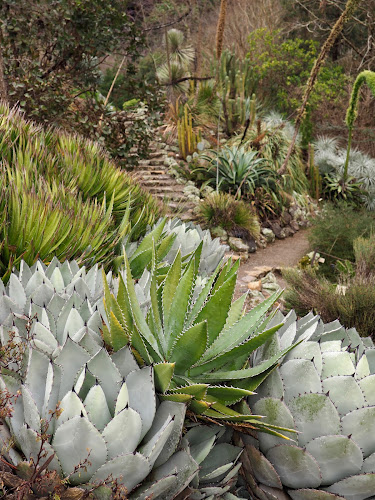
University of California Botanical Garden
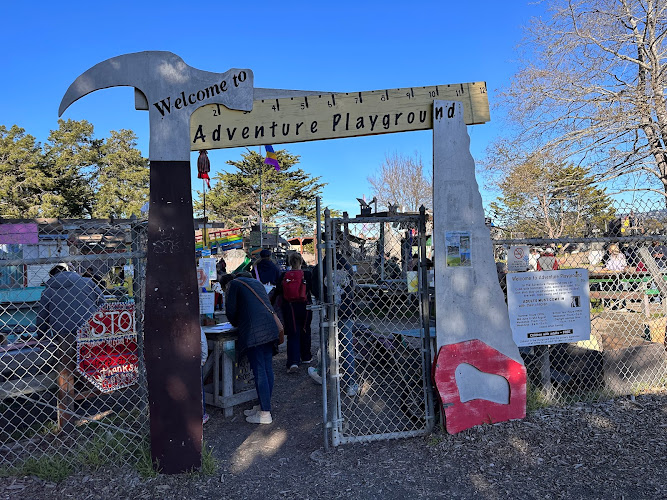
Adventure Playground
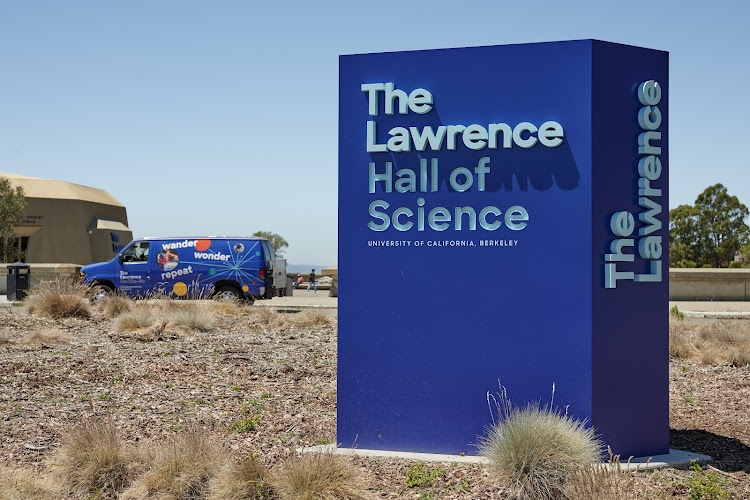
The Lawrence Hall of Science
Find Accommodations Nearby
Recommended Tours & Activities
Visitor Reviews
There are no reviews yet. Be the first one to write one.
Share Your Experience
Have you visited Museum of Vertebrate Zoology? Help other travelers by leaving a review.