
Cannonball House
About Cannonball House
Key Features
More Details
Updated April 15, 2024
Cannonball House & Museum | Macon, GA
## Visiting the Cannonball House in Macon, Georgia: A Practical Guide to a Scarred-but-Surviving Landmark
At 856 Mulberry Street in downtown Macon, the Cannonball House looks, at first glance, like a textbook Greek Revival mansion—fluted white columns, black shutters, iron fence, trimmed lawn. Step closer and you realize it’s something else entirely: a rare antebellum townhouse that still carries literal scars from the American Civil War. Cannonball House
Today, this 1853 home operates as a historic house museum, telling layered stories about wartime Macon, domestic life in the mid-19th century, women’s education, and the people—enslaved and free—who made a house like this function. Cannonball House
—
## Why the Cannonball House Matters
### A Greek Revival townhouse with a direct hit
The house was built in 1853 as a “planter’s townhouse” for Judge Asa Holt, a prominent Macon lawyer. Architecturally, it’s a textbook example of Greek Revival style:
– A symmetrical façade with a strong, temple-like front
– Massive two-story columns and an entablature framing the porch
– Tall windows and black shutters that emphasize vertical lines
Its name isn’t a marketing gimmick. On July 30, 1864, during the Battle of Dunlap Hill, Union forces under General George Stoneman fired artillery from across the Ocmulgee River. One iron cannonball hit the sand sidewalk, ricocheted into the second column from the left, passed through the front parlor, and finally came to rest in the interior hallway. Miraculously, no one was killed, but the damage branded the house forever.
Macon had military and logistical importance during the war, but this is believed to be the only private home in the city that sustained direct cannon damage—one reason it stands out even in a town full of historic buildings.
### From family home to threatened structure to museum
Judge Holt’s descendants lived in the house well into the 20th century. By the early 1960s, the property was in danger of being demolished for a parking lot—very much in line with the “urban renewal” patterns that erased historic buildings across the United States. The United Daughters of the Confederacy (UDC) purchased the house, made an upstairs apartment for the last family member, and opened it for tours.
Later, stewardship passed to a nonprofit, The Friends of the Cannonball House, which now manages the site as a museum and educational center focused on Georgia’s history from the antebellum era through Reconstruction. Cannonball House
The house has been listed on the U.S. National Register of Historic Places since 1971, formally recognizing its architectural and historical significance.
—
## What You’ll See on a Visit
### The main house: interiors from 1853–1870
Rooms in the Cannonball House are furnished to roughly match the period between 1853 and 1870. Expect:
– Formal parlors with mid-19th-century furniture and textiles
– Period clothing, quilts, and wedding attire rotated through the displays to protect fragile fabrics
– Domestic objects that show how a wealthy urban Southern household functioned—far beyond what you’d pick up from a textbook summary of “antebellum life”
Because much of what’s displayed is original or period-correct, it’s useful to think of the house as both a set and a storage vault: only a portion of the textile collection can be out at any one time, and exhibits change to preserve the collection.
### Sorority heritage: Alpha Delta Pi and Phi Mu collections
One of the more unexpected angles here is the connection to women’s education and early Greek-letter societies:
– The Adelphean Collection, linked to Alpha Delta Pi, widely recognized as the first national collegiate women’s society
– The Philomathean Collection of Phi Mu, another early women’s organization
Both collections include original furnishings, marble mantels, window treatments, and artifacts from the era when these societies were forming at Wesleyan College in Macon—considered the world’s first college chartered to grant degrees to women.
For visitors interested in the history of women’s rights and higher education, these rooms are a useful counterpoint to the house’s more traditional “Old South” narrative.
### Civil War gallery and material culture
The Cannonball House also functions as a small Civil War museum, with a focus on Georgia’s role in the conflict. Displays may include:
– Confederate officers’ uniforms, sometimes featuring specific jacket types like Richmond Depot patterns
– Sidearms, swords, and long guns used by Georgian soldiers
– Company flags and regimental banners
– Personal items—letters, small keepsakes—that humanize the people behind the uniforms
Because this is a curated space, the objects are arranged to tell particular stories—about loyalty, sacrifice, and identity in wartime Georgia. It’s worth approaching with a critical eye, especially if you’re interested in how public history sites handle the Confederacy today.
### Servants’ quarters and original brick kitchen
Behind the main house sits one of its most important features: an original two-story brick kitchen with servants’ quarters above. Few outbuildings of this type survive in the U.S. South, making this a rare look at the spaces where much of the daily labor took place.
These rooms typically show:
– Worktables, trunks, and utilitarian furniture
– Spinning wheels, grain bins, pie safes, and basic storage
– Simple beds and wash areas that hint at cramped living conditions
Inclusivity note:
Interpretation of these quarters is still evolving at many historic sites. At an antebellum townhouse in Georgia, the “servants” performing domestic work were very likely enslaved people before the Civil War, and later could have included Black domestic workers in poorly paid or coerced arrangements. If the tour language leans heavily on “servant” without addressing slavery directly, that’s a gap worth noticing and, if you feel comfortable, asking about. Journal of the Civil War Era
—
## Tours, Tickets & Timing
As of the most recent information available from the museum and local tourism board:
– The Cannonball House offers guided tours that last about 45 minutes and cover the main house plus the brick kitchen and servants’ quarters.
– Tours typically run multiple times per day on the days the house is open.
– Opening days and exact hours have changed over time (for example, some sources show Wednesday–Saturday daytime hours, others mention Tuesday–Saturday), so it’s essential to confirm current schedules and ticket prices directly with the house or Visit Macon before you go. Cannonball House
Because hours and pricing can shift, especially around holidays or special events, treating anything you see on third-party blogs or older guidebooks as tentative is wise.
—
## Reading the Site Critically: Memory, Myth & the UDC
The Cannonball House isn’t just a building; it’s also a case study in how communities curate memory. Historians have documented how, in the 20th century, groups like the United Daughters of the Confederacy intentionally reframed the “Judge Asa Holt House” as the “Cannonball House,” emphasizing the dramatic wartime hit and downplaying other aspects of Macon’s Civil War story. Journal of the Civil War Era
What this means for you as a visitor:
– You’re not just seeing what happened, you’re seeing how a particular generation wanted that history remembered.
– Narratives may highlight heroism, sacrifice, and architecture while underplaying the roles of enslaved labor, racial violence, or post-war inequality.
– Asking docents about how interpretation has changed—or how they address slavery and Reconstruction today—can spark more honest, nuanced conversation.
This doesn’t make the site “bad” or “good” on its own; it just means it’s part of a broader conversation about how the American South represents its past.
—
## Planning Your Visit
### Who will enjoy the Cannonball House?
The museum is a good fit if you’re interested in:
– Architecture lovers: Classic Greek Revival design and preserved interiors.
– Civil War and U.S. history buffs: A tangible connection to an actual artillery strike during the war, plus context on Macon’s role in the conflict.
– Sorority and Greek-life history: Early women’s collegiate societies and their material culture.
– Travelers building a Macon history day: Combine this stop with sites like the Hay House, Rose Hill Cemetery, or Ocmulgee Mounds National Historical Park for a fuller picture of the city’s past.
Families with older children who enjoy stories and visuals often find the cannonball tale compelling, but the content does involve war history and discussions of slavery, so it’s worth prepping younger travelers accordingly.
### Accessibility & practical notes
Public information about detailed accessibility features (ramps, elevator access, etc.) is limited in general travel coverage. Before visiting with a wheelchair, stroller, or mobility concerns, it’s a good idea to contact the site directly and ask about:
– Step-free entry options
– Access to upper floors
– Restroom accessibility
Macon’s summer heat and humidity can be intense, so planning a morning or cooler-season visit makes the experience more comfortable, especially if you intend to walk between multiple historic sites.
—
## Is the Cannonball House Worth Your Time in Macon?
For a relatively compact attraction, the Cannonball House packs in a lot: Greek Revival architecture, Civil War history, women’s collegiate heritage, and one of the few surviving urban kitchen/servants’ quarters complexes in the region. It’s also a useful lens on how Macon—and the wider South—has chosen to remember the 19th century, including what gets highlighted and what is still being re-examined.
Table of Contents
Key Highlights
Cannonball House
Location
Places to Stay Near Cannonball House
Find and Book a Tour
Explore More Travel Guides
No reviews found! Be the first to review!
Traveler Reviews for Cannonball House
There are no reviews yet. Be the first one to write one.
Have you visited Cannonball House? Help other travelers by sharing your review.
You Might Also Like

Macon Dog Park
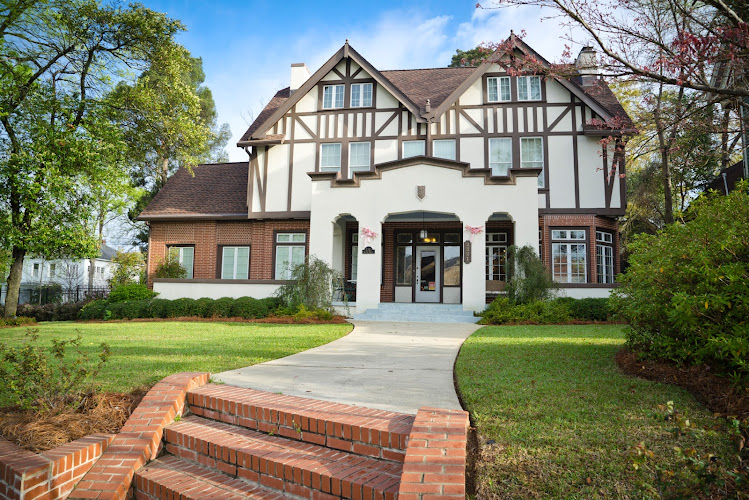
The Allman Brothers Band Museum at The Big House
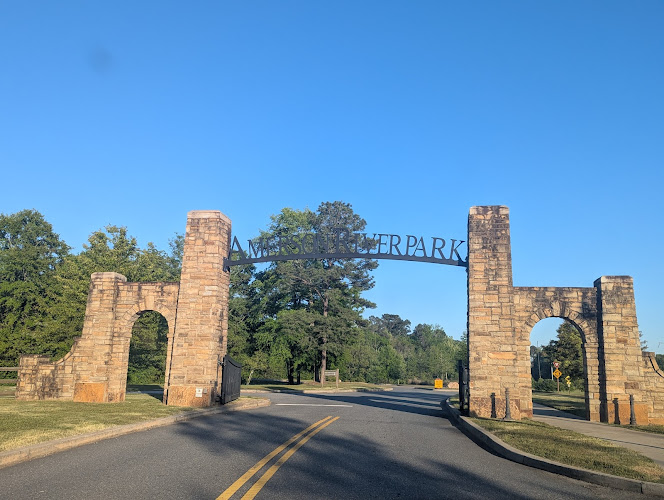
Amerson River Park
Find Accommodations Nearby
Recommended Tours & Activities
Visitor Reviews
There are no reviews yet. Be the first one to write one.
Share Your Experience
Have you visited Cannonball House? Help other travelers by leaving a review.