
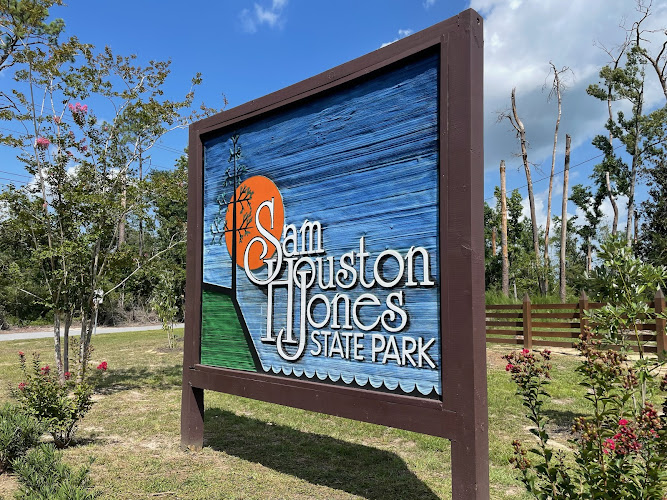
Sam Houston Jones State Park
About Sam Houston Jones State Park
Description
Sam Houston Jones State Park is one of those places that quietly wins you over. It’s not flashy, it’s not overrun with tourists, and that’s exactly the charm. Spanning over 1,000 acres of Louisiana’s natural beauty, this park is a mix of waterways, pine forests, and swampy areas that feel like they’ve been frozen in time. You’ll find yourself slowing down here—listening to the rustle of the trees, watching herons stalk their prey in the shallows, and maybe even spotting a deer or two if you’re lucky. It’s the kind of spot where you can just breathe a little easier.
Sure, it’s not perfect—some areas could use a bit of TLC, and if you’re expecting luxury amenities, you might be in for a surprise. But what it lacks in polish, it makes up for in authenticity. The trails are well-marked, the air smells like pine after a rain, and the sunsets over the waterways are the kind of thing you remember long after you’ve left. Families love it for the playgrounds and open spaces, bird watchers bring their binoculars for the endless avian activity, and campers appreciate the mix of cabins, RV hookups, and tent sites. And yes, your dog can come along too, which is always a win in my book.
There’s a stillness here that’s rare these days. You can spend a morning paddling along the bayou, an afternoon hiking the trails, and an evening grilling under the stars. It’s not trying to be a big, flashy attraction—it’s just a slice of Louisiana outdoors, plain and simple. And honestly, that’s what makes it special.
Key Features
- 1,087 acres of diverse landscapes, including pine forests, swamps, and waterways
- Multiple boat launches for easy access to fishing and paddling
- Well-marked hiking trails suitable for all skill levels
- Cabins, RV sites, and tent camping options
- Playgrounds and picnic areas ideal for families
- Wheelchair accessible entrance and parking
- Kid-friendly hiking routes and open spaces
- Dog-friendly policies so pets can join the adventure
- Great birdwatching opportunities year-round
Best Time to Visit
If you ask me, spring and fall are the sweet spots here. In spring, the trees are alive with new growth, the air is mild, and the wildlife seems just as happy as you are to be outside. Fall brings cooler weather, fewer mosquitoes, and a certain golden light that makes the whole park feel magical. Summer can be beautiful too, but it’s Louisiana—so expect heat, humidity, and bugs that think you’re their personal buffet. Winter is quieter and can be a nice escape if you’re looking for solitude, though some days can be a bit chilly.
One thing to keep in mind: after heavy rains, some trails can get muddy or even flood in spots, so plan ahead if you’re visiting during wetter months. But honestly, there’s a certain charm to the park in all seasons—it just depends on your tolerance for heat and your willingness to share the outdoors with the local insect population.
How to Get There
Getting to Sam Houston Jones State Park is straightforward. It’s a short drive from the Lake Charles area, and the roads leading in are well-maintained. If you’re flying in, the nearest major airport is in Lake Charles, and from there, it’s just a quick trip by car. Once you’re close, the signage is clear enough that you won’t be second-guessing your turns. And if you’re like me and tend to wander off course sometimes, having GPS handy doesn’t hurt.
Parking is easy, with plenty of space for both day visitors and those staying overnight. The main entrance is wheelchair accessible, and the layout of the park makes it relatively easy to navigate whether you’re on foot, in a car, or hauling a camper.
Tips for Visiting
Here’s the thing about Sam Houston Jones State Park—it’s not the kind of place you just show up to without a plan, especially if you want to make the most of your time. So, here are a few tips from someone who’s been there more than once:
- Bring bug spray. I can’t stress this enough. Between the swampy areas and the warm climate, mosquitoes can be relentless.
- Pack for comfort. Even if you’re just here for the day, wear breathable clothing and sturdy shoes. The trails aren’t overly difficult, but you’ll still want proper footwear.
- Reserve cabins early. If you’ve got your heart set on staying in one of the park’s cabins, book ahead—especially in spring and fall.
- Bring binoculars. The birdwatching here is fantastic, and you’ll kick yourself if you miss spotting an osprey or egret up close.
- Check the weather. Louisiana weather can change fast. A sunny morning can turn into a stormy afternoon, so pack accordingly.
- Don’t skip the picnic areas. They’re shaded, peaceful, and perfect for a midday break. Plus, there’s something about eating outdoors that just makes food taste better.
- Mind the wildlife. You’ll see squirrels, deer, and plenty of birds, but remember you’re in their home—observe, don’t disturb.
And maybe the most important tip? Slow down. This isn’t the kind of place you rush through. Take the side trails, sit by the water for a while, and just let yourself be part of the scenery. Because when you do, that’s when you really get what makes Sam Houston Jones State Park worth the trip.
Key Features
- 1,087 acres of diverse landscapes, including pine forests, swamps, and waterways
- Multiple boat launches for easy access to fishing and paddling
- Well-marked hiking trails suitable for all skill levels
- Cabins, RV sites, and tent camping options
- Playgrounds and picnic areas ideal for families
- Wheelchair accessible entrance and parking
- Kid-friendly hiking routes and open spaces
- Dog-friendly policies so pets can join the adventure
More Details
Updated August 10, 2025
Table of Contents
Description
Sam Houston Jones State Park is one of those places that quietly wins you over. It’s not flashy, it’s not overrun with tourists, and that’s exactly the charm. Spanning over 1,000 acres of Louisiana’s natural beauty, this park is a mix of waterways, pine forests, and swampy areas that feel like they’ve been frozen in time. You’ll find yourself slowing down here—listening to the rustle of the trees, watching herons stalk their prey in the shallows, and maybe even spotting a deer or two if you’re lucky. It’s the kind of spot where you can just breathe a little easier.
Sure, it’s not perfect—some areas could use a bit of TLC, and if you’re expecting luxury amenities, you might be in for a surprise. But what it lacks in polish, it makes up for in authenticity. The trails are well-marked, the air smells like pine after a rain, and the sunsets over the waterways are the kind of thing you remember long after you’ve left. Families love it for the playgrounds and open spaces, bird watchers bring their binoculars for the endless avian activity, and campers appreciate the mix of cabins, RV hookups, and tent sites. And yes, your dog can come along too, which is always a win in my book.
There’s a stillness here that’s rare these days. You can spend a morning paddling along the bayou, an afternoon hiking the trails, and an evening grilling under the stars. It’s not trying to be a big, flashy attraction—it’s just a slice of Louisiana outdoors, plain and simple. And honestly, that’s what makes it special.
Key Features
- 1,087 acres of diverse landscapes, including pine forests, swamps, and waterways
- Multiple boat launches for easy access to fishing and paddling
- Well-marked hiking trails suitable for all skill levels
- Cabins, RV sites, and tent camping options
- Playgrounds and picnic areas ideal for families
- Wheelchair accessible entrance and parking
- Kid-friendly hiking routes and open spaces
- Dog-friendly policies so pets can join the adventure
- Great birdwatching opportunities year-round
Best Time to Visit
If you ask me, spring and fall are the sweet spots here. In spring, the trees are alive with new growth, the air is mild, and the wildlife seems just as happy as you are to be outside. Fall brings cooler weather, fewer mosquitoes, and a certain golden light that makes the whole park feel magical. Summer can be beautiful too, but it’s Louisiana—so expect heat, humidity, and bugs that think you’re their personal buffet. Winter is quieter and can be a nice escape if you’re looking for solitude, though some days can be a bit chilly.
One thing to keep in mind: after heavy rains, some trails can get muddy or even flood in spots, so plan ahead if you’re visiting during wetter months. But honestly, there’s a certain charm to the park in all seasons—it just depends on your tolerance for heat and your willingness to share the outdoors with the local insect population.
How to Get There
Getting to Sam Houston Jones State Park is straightforward. It’s a short drive from the Lake Charles area, and the roads leading in are well-maintained. If you’re flying in, the nearest major airport is in Lake Charles, and from there, it’s just a quick trip by car. Once you’re close, the signage is clear enough that you won’t be second-guessing your turns. And if you’re like me and tend to wander off course sometimes, having GPS handy doesn’t hurt.
Parking is easy, with plenty of space for both day visitors and those staying overnight. The main entrance is wheelchair accessible, and the layout of the park makes it relatively easy to navigate whether you’re on foot, in a car, or hauling a camper.
Tips for Visiting
Here’s the thing about Sam Houston Jones State Park—it’s not the kind of place you just show up to without a plan, especially if you want to make the most of your time. So, here are a few tips from someone who’s been there more than once:
- Bring bug spray. I can’t stress this enough. Between the swampy areas and the warm climate, mosquitoes can be relentless.
- Pack for comfort. Even if you’re just here for the day, wear breathable clothing and sturdy shoes. The trails aren’t overly difficult, but you’ll still want proper footwear.
- Reserve cabins early. If you’ve got your heart set on staying in one of the park’s cabins, book ahead—especially in spring and fall.
- Bring binoculars. The birdwatching here is fantastic, and you’ll kick yourself if you miss spotting an osprey or egret up close.
- Check the weather. Louisiana weather can change fast. A sunny morning can turn into a stormy afternoon, so pack accordingly.
- Don’t skip the picnic areas. They’re shaded, peaceful, and perfect for a midday break. Plus, there’s something about eating outdoors that just makes food taste better.
- Mind the wildlife. You’ll see squirrels, deer, and plenty of birds, but remember you’re in their home—observe, don’t disturb.
And maybe the most important tip? Slow down. This isn’t the kind of place you rush through. Take the side trails, sit by the water for a while, and just let yourself be part of the scenery. Because when you do, that’s when you really get what makes Sam Houston Jones State Park worth the trip.
Key Highlights
- 1,087 acres of diverse landscapes, including pine forests, swamps, and waterways
- Multiple boat launches for easy access to fishing and paddling
- Well-marked hiking trails suitable for all skill levels
- Cabins, RV sites, and tent camping options
- Playgrounds and picnic areas ideal for families
- Wheelchair accessible entrance and parking
- Kid-friendly hiking routes and open spaces
- Dog-friendly policies so pets can join the adventure
Location
Places to Stay Near Sam Houston Jones State Park
Find and Book a Tour
Explore More Travel Guides
No reviews found! Be the first to review!
Traveler Reviews for Sam Houston Jones State Park
There are no reviews yet. Be the first one to write one.
Have you visited Sam Houston Jones State Park? Help other travelers by sharing your review.
You Might Also Like
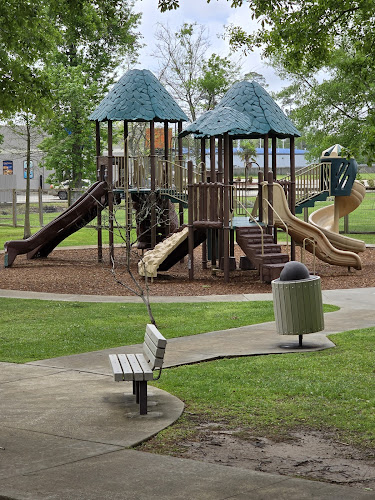
Tuten Park
Lake Charles
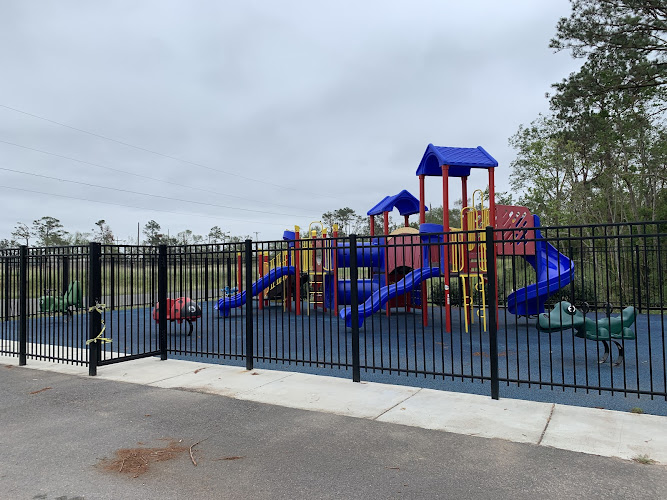
Riverside Park Complex
Find Accommodations Nearby
Recommended Tours & Activities
Visitor Reviews
There are no reviews yet. Be the first one to write one.
Share Your Experience
Have you visited Sam Houston Jones State Park? Help other travelers by leaving a review.