
Arco de Triunfo
About Arco de Triunfo
Key Features
More Details
Updated April 15, 2024
ᐉ 20 IMPRESCINDIBLES que ver y hacer en CIENFUEGOS
# Arco de Triunfo (Arco de los Obreros), Cienfuegos — How to See Cuba’s Only Triumphal Arch
## Why this small monument matters
Cienfuegos’ Arco de Triunfo is unique in Cuba: it’s the country’s only triumphal arch, raised not by a ruler but by local workers to mark the birth of the republic. On 20 May 1902—Cuba’s first Republic Day—volunteers from trade guilds completed and inaugurated the arch on the west side of today’s Parque José Martí (the city’s historic main square). The project’s master builder was Antonio Ferrer, and contemporary and later local accounts consistently tie the arch to that inauguration date and to worker-led construction.
You’ll also see why locals call it the Arco de los Obreros (“Workers’ Arch”): its frieze famously reads “Los Obreros de Cienfuegos a la República Cubana” and the pediment carries the Cuban coat of arms. Historic photos and municipal sources preserve that inscription and context.
—
## Fast facts
– Location: Western edge of Parque José Martí, Cienfuegos’ central square. Street references often cite Calle 25 between Avenidas 56 & 54.
– Built/Inaugurated: 20 May 1902 (worker-built; master builder Antonio Ferrer).
– Type/Style: Neoclassical triumphal arch; the only example of its kind in Cuba.
– Setting: Within Cienfuegos’ UNESCO-inscribed historic core centered on Parque José Martí. (UNESCO recognizes the historic centre; the arch stands in that ensemble.) Heritage Site
– Restoration: Public records show a funded restoration program linked to the city’s 2019 bicentennial, including lighting and conservation actions on the arch and nearby Teatro Tomás Terry mosaics. Septiembre
—
## A brief, factual history
The idea for an arch appeared in pro-independence civic circles during the late 1890s. By spring 1902, Cienfuegos guilds—especially masons and stevedores—mobilized to build it voluntarily, a conscious contrast with slave labor that had shaped earlier Cuban works. The arch was inaugurated on 20 May 1902 in ceremonies tied to the new republic; local newspapers and later retrospectives have echoed that anniversary for over a century.
The master builder Antonio Ferrer prepared the project; surveyor Adolfo García assisted with plans and siting on the square’s west side—details preserved by the provincial press and heritage offices.
Through the 20th century the arch functioned as a stage for civic rituals—flag-raisings, patriotic anniversaries, and processions—something you’ll see referenced in local photo archives and institutional pages.
> Accuracy note: Some guidebook summaries list different dates (e.g., “1918”). Local sources attached to the city’s heritage institutions and anniversary coverage consistently document 1902 as the inauguration year; I privilege those primary/municipal records here.
—
## What to look for on site
– The inscription & crest. The frieze line “Los Obreros de Cienfuegos a la República Cubana” and the national coat of arms identify the dedication and the civic character of the project. Historic photos and present-day images confirm both.
– Neoclassical vocabulary. Pilasters, a central vaulted opening flanked by two smaller arches, and a balanced entablature tie the arch visually to the square’s 19th-century neoclassicism. It reads coherently with the surrounding ensemble recognized in UNESCO’s dossier (cathedral, theater, city hall). Heritage Site
– Flagpoles. Sources reference three masts used historically for the Cuban, Cienfuegos, and workers’ flags; watch for these on top of the structure in older and recent images.
—
## Planning your visit (practical)
– Access & hours: The arch stands in a public square—no ticket, no set hours. Expect pedestrian access all day; evenings can be lively depending on events on the plaza. (General caution after dark applies as anywhere.)
– Getting there: If you navigate by streets, head to Parque José Martí; if you prefer map references, many local guides describe it along Calle 25 near Avenidas 56/54.
– Photography: Morning and late-afternoon angles tend to be softer for façade detail; the arch frames classic shots toward the square’s monuments.
– Accessibility: The square is broad and paved; kerb cuts and pavement conditions can vary. There are no stairs to stand under or pass through the arch itself. (No official site-level accessibility specification is published; plan accordingly.)
—
## Pair it with a short heritage walk
You can comfortably combine the arch with a tight loop around Parque José Martí:
– Teatro Tomás Terry. Late-19th-century theater famed for mosaics; conservation works connected to the 2019 bicentennial addressed façade mosaics. Septiembre
– Catedral de la Purísima Concepción. Neoclassical cathedral on the east side of the square (built 1833–1869), notable stained glass. Heritage Site
– Palacio Ferrer & civic buildings. A few steps away, you’ll find palaces and municipal buildings that define the UNESCO-listed historic core around the square. Heritage Site
If you’re extending the day, many city primers suggest the seaside Punta Gorda or a nature detour to El Nicho waterfalls, but those are separate outings beyond the square.
—
## Responsible context & what’s changed
– Restoration status. The arch was included in restoration/lighting projects tied to the Cienfuegos Bicentennial (2019), with documented European funding support channelled through local conservation offices. Current wear can fluctuate with resources, but the structure remains in place on the square. Septiembre
– Uniqueness claim. Multiple reputable references identify Cienfuegos’ arch as the only triumphal arch of its type in Cuba. If you see conflicting dates or labels in casual blogs, they usually don’t cite municipal/archival records; the local/official record is clearer.
—
## Map & coordinates
– Coordinates: 22.146094, −80.4538482 (Parque José Martí, Cienfuegos).
– Descriptive address: Within the park, often described as Calle 25 between Avenidas 56 & 54.
—
## Bottom line
For a quick dose of Cuban civic history you can actually stand under, the Arco de Triunfo rewards a short, well-framed visit. It tells a story that’s unusual in Latin American monumentalism: an arch built from the ground up by workers, inscribed to a republic they hoped to shape—still anchoring the square where Cienfuegos celebrates its milestones today.
> Data quality note: Dates, authorship, location, and uniqueness claims above come from municipal/heritage outlets and long-running provincial newspapers, rather than anonymous travel aggregators. Where guidebooks differ (e.g., a “1918” date), the 1902 inauguration has stronger local documentary support.
—
### Sources
– EcuRed (heritage entry): inauguration 20 May 1902, location Parque Martí, master builder Antonio Ferrer.
– Trabajadores (national labor press): bicentennial features; reiterates 1902 inauguration and worker dedication.
– 5 de Septiembre (Cienfuegos provincial newspaper): historical retrospectives; artisan credits; restoration context.
– UNESCO/World Heritage overview of Cienfuegos’ historic centre for ensemble context. Heritage Site
– Travel/municipal pages listing exact park location.
Inclusivity & access: Open public space; no admission. Step-free ground around the arch; surface quality can vary. No dedicated accessible facilities at the monument itself are documented in official listings—plan accordingly.
Table of Contents
Key Highlights
Arco de Triunfo
Location
Places to Stay Near Arco de Triunfo
Find and Book a Tour
Explore More Travel Guides
No reviews found! Be the first to review!
Traveler Reviews for Arco de Triunfo
There are no reviews yet. Be the first one to write one.
Have you visited Arco de Triunfo? Help other travelers by sharing your review.
You Might Also Like
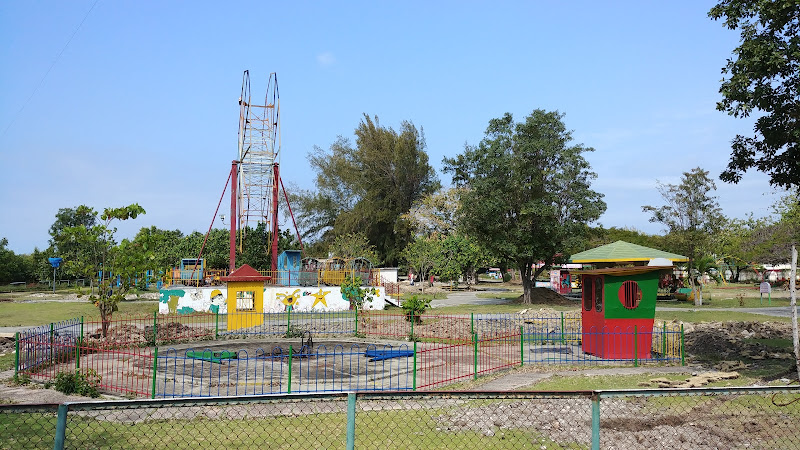
Cienfuegos Amusement Park
Cienfuegos Dolphinarium
Jardín Botánico de Cienfuegos
Find Accommodations Nearby
Recommended Tours & Activities
Visitor Reviews
There are no reviews yet. Be the first one to write one.
Share Your Experience
Have you visited Arco de Triunfo? Help other travelers by leaving a review.