Stillaguamish Valley Pioneer Museum
About Stillaguamish Valley Pioneer Museum
Description
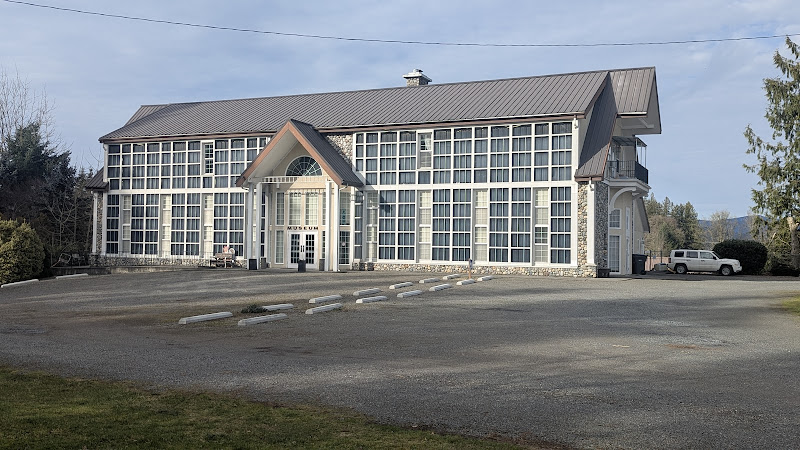
The Stillaguamish Valley Pioneer Museum sits on the riverfront in the Stillaguamish Valley near Arlington, WA, and offers travelers a quiet, surprisingly rich dive into Pacific Northwest homesteader life. It focuses on pioneer history and local stories — homesteader artifacts, household items, farming tools, old photographs and oral histories — arranged in a way that makes the past feel tangible. Visitors will see a collection that ranges from everyday objects that once threaded lives together to larger implements that tell the story of a working agricultural community. The waterfront location gives the whole experience an extra layer of context: the river was the lifeline for early settlers and it still shapes the landscape and the museum’s story.
It’s worth noting up front that the museum is designed to be welcoming. There’s wheelchair accessible parking, an entrance that accommodates mobility devices, and an accessible restroom — practical things, but they matter to people who travel with family members or older relatives. The place runs guided tours, which are often led by volunteers or docents who’ve grown up in the area and are full of local anecdotes. The museum charges a modest admission fee, and there’s a small gift shop where visitors can pick up books, postcards, and locally themed keepsakes. Kids usually enjoy the hands-on vibe even if they don’t stay quiet through every exhibit; the layout encourages exploration and curiosity.
This is not a flashy, tech-heavy museum. It’s the opposite: the charm is in the objects and the stories behind them. If someone wants immersive multimedia installations, this museum might surprise them by being refreshingly analog. But for travelers who want to understand how the Stillaguamish Valley developed — from logging and riverboats to small-scale farming and family life — the museum provides context that’s hard to find in guidebooks. There’s a stillness to the galleries that invites slow reading, and casual conversations with staff often reveal little-known facts and family legends that don’t make it into official histories. The museum’s vibe tends to reward patience; stay a little longer, and the place keeps giving.
Key Features
- Waterfront setting beside the Stillaguamish River — great for combining a museum visit with a riverside stroll.
- Extensive collection of homesteader artifacts: household goods, farm tools, clothing, photographs and documents that chronicle pioneer life.
- Guided tours available, often led by local docents with personal ties to the valley’s history.
- Wheelchair accessible entrance, parking, and restroom — practical accessibility that’s actually useful.
- Modest admission fee — supports preservation work and community programs.
- Small gift shop with regional books, keepsakes, and local-themed items — perfect for buying something that isn’t mass-produced.
- Family-friendly layout and exhibits, making it good for kids who like hands-on history.
- Quiet, contemplative galleries suitable for photography enthusiasts who enjoy detail shots and textures.
- Proximity to downtown Arlington — easy to pair with coffee, lunch, or a hike along local trails.
Best Time to Visit
Timing a visit here depends on what kind of experience a traveler wants. Summer is popular because the weather encourages pairing the museum with outdoor activities — riverwalks, picnics, and small town festivals nearby. That said, summer also brings the most visitors, especially on weekends and during community events. Spring is a lovely alternative: the valley is quieter, early wildflowers are visible along the river, and docents have more time for longer, story-rich tours. Fall brings crisp air and rich light for photography; the indoor exhibits feel warm and inviting when the temperature drops. Winter is the quietest season, which suits visitors who prefer an unhurried, intimate museum experience. The galleries are sheltered and dry, so even rainy Pacific Northwest days can be fine for a visit.
As a rule of thumb: weekdays in late morning or early afternoon tend to be the least crowded. Plan for 60–120 minutes for most visitors; that lets someone see the core exhibits, enjoy the docent stories, and browse the gift shop without rushing. If there’s a special program or group tour, set aside more time — those sometimes include deeper dives into oral histories or artifact conservation that history buffs will love.
How to Get There
The museum is located in the Stillaguamish Valley near Arlington, Washington, on the riverfront. From Interstate 5, the drive to the museum is straightforward and typically under an hour from the southern stretches of Snohomish County depending on traffic. Travelers coming from Seattle or Everett should allow extra commute time during weekday rush hours, but it’s a pleasant drive once off the interstate: rolling farmland, tall firs and occasional glimpses of the river keep the scenery interesting.
Parking at the museum is convenient and includes an accessible parking area. For people using public transit, Arlington is served by regional bus routes — check local transit schedules for exact connections and times. Ride-share services are also commonly available in the area for last-mile convenience. Bicyclists will appreciate that the nearby roads and river trails are fairly bike-friendly; bring a lock if stopping for a longer stay.
Visitors using GPS can search for the museum by name or use the local town center as a waypoint; local signage usually points toward the riverfront museum once in Arlington. If someone is planning a day trip, it’s a great complement to other Stillaguamish Valley activities like scenic drives, berry farms in season, and riverside walks where the valley’s history is visible in old homesteads and field patterns.
Tips for Visiting
Here are practical tips gleaned from frequent visitors and from the place itself. They’re simple, but they’ll make the visit smoother and more rewarding.
- Check opening hours before you go. Small museums sometimes have seasonal schedules or volunteer-driven hours that change. Calling ahead or checking a recent listing ensures no surprises.
- Bring a mix of cash and card for admission. The museum does charge a small fee to cover upkeep; some travelers like to tip docents or buy a small item from the gift shop to support local preservation work.
- Wear comfortable shoes. The main galleries are easy to walk, but combining the museum visit with an outdoor stroll along the river is common and the paths can be uneven in spots.
- Ask for a guided tour if one is available. The docents often have family stories and little-known historical tidbits that give the exhibits personality. Those are the moments that linger — like hearing about a particular homesteader who built a boat on the riverbank and how that boat connected the community.
- Plan for photography, but be respectful. Flash-free photos are typically fine for personal use; if a visitor hopes to shoot for commercial reasons, it’s polite to ask staff first.
- Bring kids’ curiosity kit: a small notebook, pencils, and a scavenger list (e.g., find an old boot, spot a farm tool, count framed photos). It makes the experience interactive and keeps younger visitors engaged.
- If traveling with mobility needs, know that accessibility is real here — accessible parking, entrance and restroom — but call ahead for any special assistance or to confirm available accommodations for group visits.
- Combine the visit with lunch in downtown Arlington. There are several local cafes and sandwich spots close by. The museum’s riverside setting also makes it perfect for a packed lunch on a sunny day.
- Look out for special events and seasonal exhibitions. The museum sometimes hosts talks, heritage days, and temporary displays that spotlight specific families or occupations from the valley’s past.
- Respect the artifacts. Many items are fragile; leaning in close is tempting, but touching is usually not allowed unless an exhibit explicitly invites it.
One little aside: during a personal visit some years back the writer watched a volunteer carefully show a group of schoolchildren how an old butter churn worked. The kids were laughing, someone accidentally splashed a bit of cream, and the volunteer just smiled and said that was the kind of real, messy history that built communities. That moment stuck — because museums like this are about ordinary objects carrying extraordinary human stories. Travelers who appreciate quiet authenticity and local voices will leave the Stillaguamish Valley Pioneer Museum with a clearer picture of how a small river valley helped shape lives and livelihoods in northwest Washington.
In short, the museum is a compact, informative stop for travelers interested in local history, accessible design, family-friendly exhibits, and the kind of down-to-earth storytelling that only small community museums do well. Whether someone spends an hour or a whole afternoon, they’ll likely come away with fresh perspectives on pioneer life, a newfound appreciation for the role of the Stillaguamish River, and maybe a postcard or book from the gift shop to remember the visit by.
Key Features
- Waterfront setting beside the Stillaguamish River — great for combining a museum visit with a riverside stroll.
- Extensive collection of homesteader artifacts: household goods, farm tools, clothing, photographs and documents that chronicle pioneer life.
- Guided tours available, often led by local docents with personal ties to the valley’s history.
- Wheelchair accessible entrance, parking, and restroom — practical accessibility that’s actually useful.
- Modest admission fee — supports preservation work and community programs.
- Small gift shop with regional books, keepsakes, and local-themed items — perfect for buying something that isn’t mass-produced.
- Family-friendly layout and exhibits, making it good for kids who like hands-on history.
- Quiet, contemplative galleries suitable for photography enthusiasts who enjoy detail shots and textures.
More Details
Updated August 30, 2025
Table of Contents
- Description
- Key Features
- Best Time to Visit
- How to Get There
- Tips for Visiting
- Key Highlights
- Location
- Places to Stay Near Stillaguamish Valley Pioneer Museum
- Find and Book a Tour
- Explore More Travel Guides
- Nearby Places You Might Like
- Traveler Reviews for Stillaguamish Valley Pioneer Museum
- Share Your Experience
Description
The Stillaguamish Valley Pioneer Museum sits on the riverfront in the Stillaguamish Valley near Arlington, WA, and offers travelers a quiet, surprisingly rich dive into Pacific Northwest homesteader life. It focuses on pioneer history and local stories — homesteader artifacts, household items, farming tools, old photographs and oral histories — arranged in a way that makes the past feel tangible. Visitors will see a collection that ranges from everyday objects that once threaded lives together to larger implements that tell the story of a working agricultural community. The waterfront location gives the whole experience an extra layer of context: the river was the lifeline for early settlers and it still shapes the landscape and the museum’s story.
It’s worth noting up front that the museum is designed to be welcoming. There’s wheelchair accessible parking, an entrance that accommodates mobility devices, and an accessible restroom — practical things, but they matter to people who travel with family members or older relatives. The place runs guided tours, which are often led by volunteers or docents who’ve grown up in the area and are full of local anecdotes. The museum charges a modest admission fee, and there’s a small gift shop where visitors can pick up books, postcards, and locally themed keepsakes. Kids usually enjoy the hands-on vibe even if they don’t stay quiet through every exhibit; the layout encourages exploration and curiosity.
This is not a flashy, tech-heavy museum. It’s the opposite: the charm is in the objects and the stories behind them. If someone wants immersive multimedia installations, this museum might surprise them by being refreshingly analog. But for travelers who want to understand how the Stillaguamish Valley developed — from logging and riverboats to small-scale farming and family life — the museum provides context that’s hard to find in guidebooks. There’s a stillness to the galleries that invites slow reading, and casual conversations with staff often reveal little-known facts and family legends that don’t make it into official histories. The museum’s vibe tends to reward patience; stay a little longer, and the place keeps giving.
Key Features
- Waterfront setting beside the Stillaguamish River — great for combining a museum visit with a riverside stroll.
- Extensive collection of homesteader artifacts: household goods, farm tools, clothing, photographs and documents that chronicle pioneer life.
- Guided tours available, often led by local docents with personal ties to the valley’s history.
- Wheelchair accessible entrance, parking, and restroom — practical accessibility that’s actually useful.
- Modest admission fee — supports preservation work and community programs.
- Small gift shop with regional books, keepsakes, and local-themed items — perfect for buying something that isn’t mass-produced.
- Family-friendly layout and exhibits, making it good for kids who like hands-on history.
- Quiet, contemplative galleries suitable for photography enthusiasts who enjoy detail shots and textures.
- Proximity to downtown Arlington — easy to pair with coffee, lunch, or a hike along local trails.
Best Time to Visit
Timing a visit here depends on what kind of experience a traveler wants. Summer is popular because the weather encourages pairing the museum with outdoor activities — riverwalks, picnics, and small town festivals nearby. That said, summer also brings the most visitors, especially on weekends and during community events. Spring is a lovely alternative: the valley is quieter, early wildflowers are visible along the river, and docents have more time for longer, story-rich tours. Fall brings crisp air and rich light for photography; the indoor exhibits feel warm and inviting when the temperature drops. Winter is the quietest season, which suits visitors who prefer an unhurried, intimate museum experience. The galleries are sheltered and dry, so even rainy Pacific Northwest days can be fine for a visit.
As a rule of thumb: weekdays in late morning or early afternoon tend to be the least crowded. Plan for 60–120 minutes for most visitors; that lets someone see the core exhibits, enjoy the docent stories, and browse the gift shop without rushing. If there’s a special program or group tour, set aside more time — those sometimes include deeper dives into oral histories or artifact conservation that history buffs will love.
How to Get There
The museum is located in the Stillaguamish Valley near Arlington, Washington, on the riverfront. From Interstate 5, the drive to the museum is straightforward and typically under an hour from the southern stretches of Snohomish County depending on traffic. Travelers coming from Seattle or Everett should allow extra commute time during weekday rush hours, but it’s a pleasant drive once off the interstate: rolling farmland, tall firs and occasional glimpses of the river keep the scenery interesting.
Parking at the museum is convenient and includes an accessible parking area. For people using public transit, Arlington is served by regional bus routes — check local transit schedules for exact connections and times. Ride-share services are also commonly available in the area for last-mile convenience. Bicyclists will appreciate that the nearby roads and river trails are fairly bike-friendly; bring a lock if stopping for a longer stay.
Visitors using GPS can search for the museum by name or use the local town center as a waypoint; local signage usually points toward the riverfront museum once in Arlington. If someone is planning a day trip, it’s a great complement to other Stillaguamish Valley activities like scenic drives, berry farms in season, and riverside walks where the valley’s history is visible in old homesteads and field patterns.
Tips for Visiting
Here are practical tips gleaned from frequent visitors and from the place itself. They’re simple, but they’ll make the visit smoother and more rewarding.
- Check opening hours before you go. Small museums sometimes have seasonal schedules or volunteer-driven hours that change. Calling ahead or checking a recent listing ensures no surprises.
- Bring a mix of cash and card for admission. The museum does charge a small fee to cover upkeep; some travelers like to tip docents or buy a small item from the gift shop to support local preservation work.
- Wear comfortable shoes. The main galleries are easy to walk, but combining the museum visit with an outdoor stroll along the river is common and the paths can be uneven in spots.
- Ask for a guided tour if one is available. The docents often have family stories and little-known historical tidbits that give the exhibits personality. Those are the moments that linger — like hearing about a particular homesteader who built a boat on the riverbank and how that boat connected the community.
- Plan for photography, but be respectful. Flash-free photos are typically fine for personal use; if a visitor hopes to shoot for commercial reasons, it’s polite to ask staff first.
- Bring kids’ curiosity kit: a small notebook, pencils, and a scavenger list (e.g., find an old boot, spot a farm tool, count framed photos). It makes the experience interactive and keeps younger visitors engaged.
- If traveling with mobility needs, know that accessibility is real here — accessible parking, entrance and restroom — but call ahead for any special assistance or to confirm available accommodations for group visits.
- Combine the visit with lunch in downtown Arlington. There are several local cafes and sandwich spots close by. The museum’s riverside setting also makes it perfect for a packed lunch on a sunny day.
- Look out for special events and seasonal exhibitions. The museum sometimes hosts talks, heritage days, and temporary displays that spotlight specific families or occupations from the valley’s past.
- Respect the artifacts. Many items are fragile; leaning in close is tempting, but touching is usually not allowed unless an exhibit explicitly invites it.
One little aside: during a personal visit some years back the writer watched a volunteer carefully show a group of schoolchildren how an old butter churn worked. The kids were laughing, someone accidentally splashed a bit of cream, and the volunteer just smiled and said that was the kind of real, messy history that built communities. That moment stuck — because museums like this are about ordinary objects carrying extraordinary human stories. Travelers who appreciate quiet authenticity and local voices will leave the Stillaguamish Valley Pioneer Museum with a clearer picture of how a small river valley helped shape lives and livelihoods in northwest Washington.
In short, the museum is a compact, informative stop for travelers interested in local history, accessible design, family-friendly exhibits, and the kind of down-to-earth storytelling that only small community museums do well. Whether someone spends an hour or a whole afternoon, they’ll likely come away with fresh perspectives on pioneer life, a newfound appreciation for the role of the Stillaguamish River, and maybe a postcard or book from the gift shop to remember the visit by.
Key Highlights
- Waterfront setting beside the Stillaguamish River — great for combining a museum visit with a riverside stroll.
- Extensive collection of homesteader artifacts: household goods, farm tools, clothing, photographs and documents that chronicle pioneer life.
- Guided tours available, often led by local docents with personal ties to the valley’s history.
- Wheelchair accessible entrance, parking, and restroom — practical accessibility that’s actually useful.
- Modest admission fee — supports preservation work and community programs.
- Small gift shop with regional books, keepsakes, and local-themed items — perfect for buying something that isn’t mass-produced.
- Family-friendly layout and exhibits, making it good for kids who like hands-on history.
- Quiet, contemplative galleries suitable for photography enthusiasts who enjoy detail shots and textures.
Location
Places to Stay Near Stillaguamish Valley Pioneer Museum
Find and Book a Tour
Explore More Travel Guides
No reviews found! Be the first to review!
Traveler Reviews for Stillaguamish Valley Pioneer Museum
There are no reviews yet. Be the first one to write one.
Have you visited Stillaguamish Valley Pioneer Museum? Help other travelers by sharing your review.
Find Accommodations Nearby
Recommended Tours & Activities
Visitor Reviews
There are no reviews yet. Be the first one to write one.
Share Your Experience
Have you visited Stillaguamish Valley Pioneer Museum? Help other travelers by leaving a review.