
Hibulb Cultural Center & Natural History Preserve
About Hibulb Cultural Center & Natural History Preserve
Key Features
More Details
Updated June 26, 2025
## Hibulb Cultural Center & Natural History Preserve: A practical visit guide (Tulalip, Washington)
If you want a museum experience that’s rooted in place—not just objects behind glass—the Hibulb Cultural Center & Natural History Preserve is worth planning around. It’s operated by the Tulalip Tribes, and it combines indoor exhibits with a 50-acre natural history preserve of forests and wetlands outside.
You’ll find it at 6410 23rd Ave NE, Tulalip, WA 98271, just west of I-5 in the north Seattle metro area. Seattle
—
## Quick facts you can use immediately
### Location
– Address: 6410 23rd Ave NE, Tulalip, WA 98271 Seattle
– Getting there (from I-5): Take Exit 199 (Marine Drive NE), go west ~0.5 miles, then left on 23rd Ave NE.
### Hours (public visiting)
– Mon: Closed
– Tue–Fri: 10:00 AM–5:00 PM
– Sat–Sun: 12:00 PM–5:00 PM
– Free admission: The first Thursday of every month includes free admission for all (per the center’s posted hours notes).
### Admission (general)
– HCC and Tulalip Tribal Members: FREE
– Adult (18+): $10
– Senior (50+): $7
– Student (6–17): $6
– Military & Veterans: $6
– Child (5 and under): FREE
– Family: $25 (2 adults + up to 4 children)
Reality check (outdated-data flag): hours, “free Thursday” rules, and admission pricing can change. Confirm on the official Visit/Contact and Rates pages before you go.
—
## What makes Hibulb different (and why that matters as a visitor)
Hibulb isn’t positioned as a generic “regional history” stop. The center describes itself as a place of learning and civic pride for the Tulalip people and neighboring communities, and its exhibits are built to help visitors learn about Tulalip history and culture.
That framing affects how you should approach your visit:
– Expect interpretation from Tulalip perspectives, not a detached outside narration.
– Treat the space as both museum and community institution—pay attention to posted guidance, photography rules, and staff direction when present (rules can vary by exhibition and event; check onsite).
—
## Don’t miss these core spaces inside
### The main exhibit + rotating/temporary exhibits
The center highlights a combination of a main exhibit and temporary exhibits, and notes that these spaces provide “ancestral perspectives” and also include contemporary and time-honored art.
How to experience it well:
– Give yourself time to actually read the interpretive panels. This is one of those museums where the story matters as much as the artifacts.
– If you’re visiting with kids or a mixed-interest group, start with a quick loop to see what resonates, then come back and go deeper.
### Canoe Hall
Canoe Hall is designed as a transitional space that emphasizes the canoe’s cultural importance, with historic canoes and archaeology from sites in Snohomish County referenced by the center.
Pro tip: This is a great “reset” zone between dense galleries—walk it slowly and use it to connect the indoor narrative to the water landscape outside.
### Longhouse exhibit
The Longhouse area is explicitly described as interactive—you can sit, listen, and experience a Tulalip longhouse through recorded stories told by Tulalip storytellers.
If you only do one focused thing, do this. It’s a high-signal way to understand that the center is not just about past tense history.
### Warriors We Remember
The exhibits overview references a “Warriors We Remember” wall as part of the experience.
If this theme is important to you, it’s worth asking staff where to start so you don’t miss context.
—
## The natural history preserve: how to plan your outdoor time
Hibulb’s outdoor component isn’t a token garden. The center states it has 50 acres of forests and wetlands, and frames the preserve as a place for rediscovery and respect for the environment guided by traditional teachings.
### Best way to do it
– Plan for two phases: museum first (so you understand what you’re seeing), then the preserve.
– Bring weather-ready layers. Wetland edges and forest shade can feel cooler and damper than nearby paved areas.
### A respectful mindset (inclusivity + accuracy)
The preserve goals emphasize “respect and understanding of our environment” and taking only what is needed with minimal harm.
As a visitor, that translates into basics that matter:
– Stay on designated paths.
– Don’t remove natural materials.
– Keep voices and devices low-volume in quiet areas where others may be reflecting.
—
## Events and why you should check the calendar first
Your dataset note—“check for occasional events”—is spot on. The center runs an active events calendar that includes community programming like workshops, lectures, storytelling, and more (the calendar is published on their site).
Why this changes your visit strategy:
– On event days, you may get a richer experience (demonstrations, community gatherings).
– You may also see schedule changes, fuller parking, or limited gallery access depending on the program format—another reason to confirm details before arrival.
—
## How long to budget (realistic timing)
A solid first visit typically fits into:
– 60–90 minutes for the museum if you move steadily
– +30–60 minutes if you spend meaningful time in the Longhouse area and Canoe Hall
– +30–60 minutes outdoors in the preserve if conditions are good
If you’re the type who reads everything, you can easily turn this into a half-day.
—
## Practical visitor tips you’ll be glad you knew
– Go early on a weekday if you want quiet galleries—Tuesday through Friday opening begins at 10 AM.
– If cost is a factor, consider the first-Thursday free admission option (verify the specific Thursday date/month before you drive out).
– If you’re organizing a group, the center explicitly offers group tours, rentals, and event spaces—including a Longhouse room, atrium, classrooms, and kitchen (with published rental rates).
—
## Internal links (request flag)
You asked for two contextual internal links, but I can’t add factual internal links to RealJourneyTravels.com without knowing which relevant URLs already exist on your site. If you paste two target URLs (or your site’s slug pattern + two intended pages), I can weave them in naturally without guessing.
Table of Contents
Key Highlights
Hibulb Cultural Center & Natural History Preserve
Location
Places to Stay Near Hibulb Cultural Center & Natural History Preserve"Check for occasional events as well."
Find and Book a Tour
Explore More Travel Guides
No reviews found! Be the first to review!
Traveler Reviews for Hibulb Cultural Center & Natural History Preserve
There are no reviews yet. Be the first one to write one.
Have you visited Hibulb Cultural Center & Natural History Preserve? Help other travelers by sharing your review.
You Might Also Like
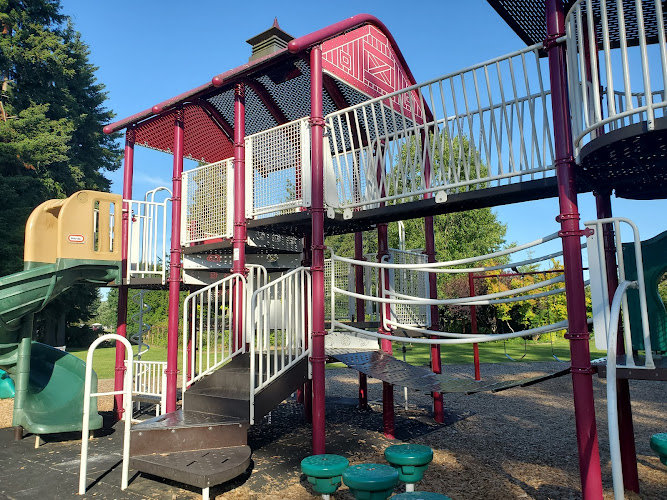
Jennings Park
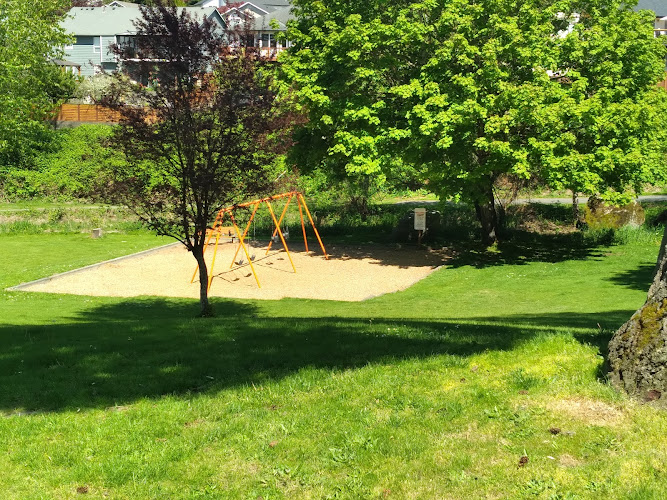
Foothills Park

Jennings Nature Park
Find Accommodations Nearby
Recommended Tours & Activities
Visitor Reviews
There are no reviews yet. Be the first one to write one.
Share Your Experience
Have you visited Hibulb Cultural Center & Natural History Preserve? Help other travelers by leaving a review.