
Choo Kong Soo Yin Chinese Temple
About Choo Kong Soo Yin Chinese Temple
Key Features
More Details
Updated June 11, 2025
## Choo Kong Soo Yin Chinese Temple: A Community-Focused Stop in Kluang
Set in the residential neighborhood of Taman Kurnia in Kluang, Johor, Choo Kong Soo Yin Chinese Temple is a small but important community temple rather than a big-ticket attraction. It’s the kind of place you drop into for a quiet pause, a glimpse of local religious life, and—if you time it right—some very down-to-earth neighborhood activity.
The temple’s location is straightforward:
– Address: 5, Jalan Kapur, Taman Kurnia, 86000 Kluang, Johor, Malaysia
– Phone (published): +60 7-771 2619
Several travel sites classify it as a historic building/Chinese temple and list it as a minor attraction in Kluang.
### A Quick Sense of the Place
Online reviews describe Choo Kong Soo Yin as an old Chinese temple serving the local Fujian community, noting that it’s well kept and has ample parking within the compound. With only a small number of traveller reviews, it sits around the mid-3s on major platforms—roughly a 3.5–3.6 out of 5—which usually signals a modest neighborhood site rather than a polished tourist attraction.
Photos shared on TripAdvisor and other platforms show:
– A traditional Chinese temple façade with tiled rooflines
– Decorative pillars and a small courtyard area in front of the main hall
– Incense burners placed near the entrance for offerings
One review snippet mentions that physical exercise activities take place in the mornings—likely community exercise sessions in the courtyard. Because community programs can change without notice, treat this as a historical note, not a guaranteed, ongoing activity.
> Potentially outdated: Morning exercise sessions and other activities are based on past visitor reports and may no longer follow the same schedule. Always check on-site or via recent reviews before planning around them.
—
## Where the Temple Fits in Kluang’s Story
Kluang is the administrative center of Kluang District in central Johor, founded in 1915 and developed along key rail and road routes. The town today is known for:
– Strong Chinese community roots and long-standing temples
– Agro-tourism and outdoor recreation, including Gunung Lambak and nearby organic farms
– Kluang’s coffee culture, especially Kluang RailCoffee at the train station
Within that wider context, Choo Kong Soo Yin functions as:
– A local worship space for Chinese residents (particularly Fujianese, according to reviews)
– A community hub, with events and everyday routines that go beyond religious rites
– A smaller heritage site compared to higher-profile attractions like Gunung Lambak, but still meaningful if you’re mapping Kluang’s cultural fabric
If you’re already in Kluang for hiking, coffee, or street art, adding a short visit here rounds out the picture of how everyday life works in town.
—
## Location & How to Get There
### Exact Location
– Address: 5, Jalan Kapur, Taman Kurnia, 86000 Kluang, Johor
Multiple mapping and travel platforms confirm this address and place the temple in a residential pocket just off the local road network.
Taman Kurnia sits within Kluang’s urban area, which spreads horizontally along the main roads through town.
### Getting to Kluang
You’ll generally reach Kluang by:
– Car / Bus:
Kluang is connected via Federal Route 50 and other trunk roads; the closest access to the North–South Expressway (PLUS) is via interchanges such as Ayer Hitam, Sedenak or Simpang Renggam.
– Rail:
KTM’s intercity line serves Kluang Railway Station on Jalan Stesen, making the town accessible from Kuala Lumpur, Johor Bahru and other points along the line.
From central Kluang, the most practical way to reach the temple is by taxi or e-hailing (Grab). Mapping tools place the temple directly on Jalan Kapur, and reviews mention parking within the temple compound if you’re self-driving.
—
## What to Expect When You Visit
### Atmosphere
Given its function as a neighborhood temple, expect a quiet, functional space more than a polished tourist site:
– A compact compound centred around a main prayer hall
– Incense burners and altars used by worshippers, as seen in visitor photos
– Simple facilities focused on the needs of the local community
There’s no evidence of a formal visitor center or curated museum-style displays. Most interactions will be informal: worshippers coming to light incense, make offerings, and attend temple events.
### Community & Morning Activity
Reviewers note that the temple serves local residents and that morning physical exercise sessions take place regularly in the compound. This aligns with a broader trend in Malaysia where temple grounds double as exercise or tai chi spaces before the day heats up.
Because these are community-run initiatives, there’s no official, consistently updated schedule published on major travel platforms. Treat any mention of daily classes or sessions as informational rather than guaranteed.
> Data caveat: Published reviews referencing exercise sessions date back several years. Frequency, timing, and even the existence of these sessions may have changed.
### Facilities
Based on traveller feedback and listing categories, you can reasonably expect:
– On-site parking within the compound
– A basic temple layout with outdoor space in front of the hall
– No ticket counter or commercialized entrance—there’s no widely reported admission fee
There’s no clear, up-to-date information on:
– Dedicated accessible ramps
– Accessible toilets
– Staffed information desks
> Accessibility note: Because accessibility features aren’t documented in official or up-to-date sources, visitors with mobility needs should consider contacting the temple directly (+60 7-771 2619) or checking the latest photos and reviews before visiting.
—
## Best Time to Visit
Kluang has a tropical, hot and humid climate year-round, with average temperatures roughly 25–27°C and significant rainfall in most months. Data
That has practical implications for when to visit the temple:
– Morning (around 8:00–10:00 a.m.):
Temperatures are more manageable, light is softer for photos, and you’re more likely to see community activity, including any exercise sessions that may still be running.
– Late afternoon (after ~4:30 p.m.):
Heat eases off slightly and the temple may be calmer again after the midday lull.
Midday in Kluang tends to feel hot and muggy, with high humidity and strong sun. Spark If you do visit around noon, bring water, sun protection and be prepared for sticky conditions.
### Opening Hours
Major travel platforms list the temple but do not publish firm opening hours, and Trip.com explicitly advises contacting the attraction directly to confirm specific times.
To avoid turning up to locked gates:
– Use the phone number in advance for a quick check.
– Scan recent reviews for any mention of current opening times or festival schedules.
—
## Respectful Visit: Etiquette & Photography
Choo Kong Soo Yin is first and foremost a place of worship. Even if you’re visiting primarily as a traveller, a few basic guidelines go a long way:
– Dress modestly:
Cover shoulders and knees; avoid very short shorts or low-cut tops.
– Ask before photographing people:
Photos of the building and courtyard are commonly shared online, but avoid photographing worshippers or religious rituals without permission.
– Keep noise down:
Conversations, phone calls and video recording should be discreet.
– Offerings & donations:
If you light incense or use temple facilities, consider leaving a small donation in the designated box to support maintenance.
These guidelines align with standard etiquette at Chinese temples across Malaysia and help keep the site comfortable for the community that relies on it.
—
## Combining the Temple with Other Kluang Highlights
On its own, Choo Kong Soo Yin is a short, low-intensity stop. It works best as part of a half- or full-day Kluang itinerary.
Good pairings include:
– Gunung Lambak – A 510-meter hill on the edge of town, developed as a recreational forest and popular for short jungle hikes and family outings.
– Kluang RailCoffee at Kluang Station – A long-running, much-loved coffee stop directly at the railway station, often cited as one of Kluang’s signature experiences.
You can structure a simple day as:
1. Early morning: hike or walk at Gunung Lambak (if you’re reasonably fit).
2. Late morning brunch: coffee and toast at Kluang RailCoffee.
3. Afternoon: street art or agro-tourism stops around Kluang.
4. Late afternoon: quiet visit to Choo Kong Soo Yin before dinner.
—
## Inclusivity, Accuracy & Data Gaps
A few final notes to keep expectations realistic and honest:
– Small review base:
The temple has very few traveler reviews on major sites, which means ratings can swing easily with just one or two new opinions. Treat any star rating as directional, not definitive.
– Outdated information risk:
Many English-language online references date back several years. Festival schedules, community exercise sessions and even contact details can change without being updated online.
– Language:
On-site signage is likely to lean heavily on Chinese and Malay. Travellers who don’t read these languages should be prepared to rely on visual cues and basic English/Malay phrases.
—
## Suggested Internal Linking (for your CMS)
To satisfy internal-linking goals without fabricating specific URLs, here’s how you can wire this article into your broader Kluang/Johor coverage:
– Link the first mention of Kluang to your Kluang destination guide (e.g., “things to do in Kluang” pillar page).
– Link the first mention of Gunung Lambak to your Gunung Lambak hiking guide or “best hikes in Johor” article.
You can implement those as standard internal links once you map them to your actual slugs in WordPress/Next.
Table of Contents
Key Highlights
Choo Kong Soo Yin Chinese Temple
Location
Places to Stay Near Choo Kong Soo Yin Chinese Temple"Physical exercise activities is on every morning."
Find and Book a Tour
Explore More Travel Guides
No reviews found! Be the first to review!
Traveler Reviews for Choo Kong Soo Yin Chinese Temple
There are no reviews yet. Be the first one to write one.
Have you visited Choo Kong Soo Yin Chinese Temple? Help other travelers by sharing your review.
You Might Also Like
Kluang Market
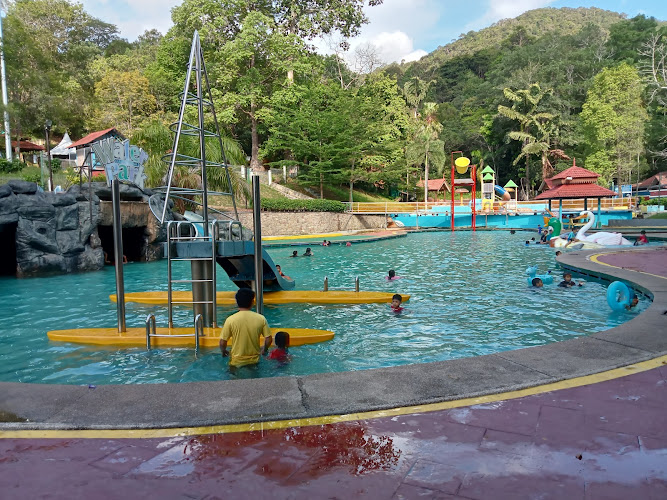
Gunung Lambak Water Park
I ️Love Kluang
Find Accommodations Nearby
Recommended Tours & Activities
Visitor Reviews
There are no reviews yet. Be the first one to write one.
Share Your Experience
Have you visited Choo Kong Soo Yin Chinese Temple? Help other travelers by leaving a review.