
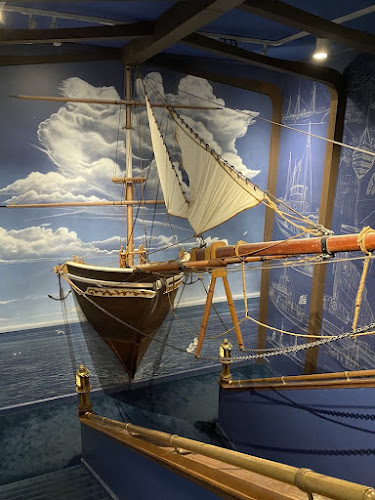
Vallejo Naval & Historical Museum
About Vallejo Naval & Historical Museum
Description
The Vallejo Naval & Historical Museum sits as a compact, quietly proud guardian of local and naval history, chronicling the rise and fall of the Mare Island Navy Yard and the broader story of Vallejo. The museum's five distinct galleries take visitors on a clear, chronological route from the area's early days through the bustling industrial era of the naval base and into modern times. Exhibits combine artifacts, photographs, ship models, oral histories, and archival documents to create a layered sense of place that feels both intimate and surprisingly expansive for a small institution.
Visitors often remark that the museum does what larger institutions sometimes miss: it connects big historical events to the small, human moments that shaped a town. There are banners and brass, yes, but also everyday objects—lunchboxes, letters, personal uniforms—that make naval life feel real. The Mare Island story here is not just about ships and steel; it is about families, labor, immigration, technological change, and the identity of a city that once revolved around a dry dock and a workforce of thousands.
Accessibility is taken seriously. A wheelchair accessible entrance, parking, and restroom mean that the core exhibits are reachable for many visitors with mobility needs. The museum also offers tours that deepen the narrative—docent-led walkthroughs that linger on little-known anecdotes or point out artifacts that deserve close attention. For families, the museum’s kid-friendly approach makes history approachable. The layout encourages curiosity rather than quick pass-throughs, and the on-site gift shop gives travelers a chance to take a tangible memory home.
The museum serves multiple roles: a public gallery, a local research library, and a community memory bank. Researchers find useful archival materials; casual visitors find a coherent story that fits nicely into a day of exploring Vallejo and neighboring Mare Island. And while the collection is thoughtfully curated, occasional rotating exhibits introduce fresh perspectives and local artists, so repeat visits can still surprise.
One thing that tends to stick with people is the way the museum frames Mare Island—not as an isolated naval base but as an engine of a whole region, tied to immigrant families, wartime urgencies, and postwar transitions. The exhibits do a good job balancing technical naval history with the social history that shaped everyday life in Vallejo. In short, the place informs without condescension and engages without gimmicks.
Key Features
- Five focused galleries tracing Vallejo and Mare Island naval history, from founding eras to modern transitions
- Extensive collection of artifacts: uniforms, ship models, tools, personal items, and archival photographs
- Local research library and archival materials for genealogical or historical research
- Docent-led tours that offer insider stories and deeper context beyond gallery labels
- Wheelchair accessible entrance, parking, and restroom facilities for inclusive visits
- On-site parking, making it straightforward for drivers to stop by
- Kid-friendly exhibits and interpretive materials that appeal to families
- Gift shop offering books, reproduction artifacts, and locally themed souvenirs
- Rotating exhibits and community-focused programming that spotlight different facets of local life
- Friendly volunteer staff and knowledgeable docents who genuinely care about preserving Vallejo’s history
Best Time to Visit
The best time to visit is typically mid-morning on a weekday when the museum is quieter and docents have time to chat. Arriving when doors open often gives visitors a chance to view exhibits without crowding and to catch a guided tour early. Weekends can be busier, particularly on local event days or when the museum hosts special programming, so allow a bit more time if visiting then.
Seasonally, spring and fall are very pleasant because the surrounding area is easier to explore—walks around downtown Vallejo and the waterfront are more comfortable, and the temperate weather makes combining the museum with outdoor activities an attractive plan. Summers can bring more tourists from nearby cities, so expect slightly fuller galleries and busier parking areas. If someone prefers the calmer vibe and fewer people, late November through February (excluding holiday weekends) tends to be less crowded, though hours can be more limited, so it pays to check ahead.
For travelers keen on naval history or maritime festivals, timing a visit to coincide with community events can enhance the experience. But even on an ordinary day, the museum’s storytelling is rewarding: a single visit often leaves people with ideas for further exploration of the Mare Island shipyards, local architecture, or oral history projects tied to the city.
How to Get There
The museum is located within Vallejo’s historic district, which makes it convenient to pair with a downtown stroll or a walk along the waterfront. Drivers will appreciate the on-site parking; it makes a quick stop feasible even on a day with multiple plans. Public transport options are available to Vallejo, and once within the downtown area, the museum is an easy walk for most visitors—ideal for those combining a museum visit with coffee, lunch, or a casual exploration of local shops.
From nearby cities, expect a short drive—Vallejo is accessible from regional highways and is often used as a gateway to ferry services that connect to other Bay Area locations. Travelers arriving by ferry or bus should factor in a 10–20 minute local transit or taxi ride depending on the time of day. Parking on-site and the pedestrian-friendly neighborhood make the last leg straightforward.
For those who enjoy multi-stop cultural days: the museum pairs well with a visit to nearby Mare Island for exterior photography and industrial archaeology, local wineries for an afternoon tasting, or the maritime sites scattered along the northern Bay shoreline. Just keep the museum’s hours in mind so the schedule doesn’t sneak up on you.
Tips for Visiting
Plan for at least 60–90 minutes. The five galleries are compact but content-rich; rushing through them loses much of the nuance. If a docent-led tour is available that day, the extra 20–30 minutes is worth it—a guide can point out artifacts and share stories that don’t appear on exhibit labels.
Bring comfortable shoes. The museum itself is easy to navigate, but visitors often pair the visit with time outdoors in the downtown or waterfront area, and that means walking. Comfortable footwear keeps the day enjoyable.
Ask questions. The staff and volunteers are local-history buffs and love sharing little-known facts: the quirks of shipyard life, neighborhood lore, and even family histories tied to Mare Island. Those conversations often turn up hidden gems, like where to find a historic plaque, the best vantage point for photos, or a small café that does an excellent sandwich nearby.
Don’t expect a blockbuster museum layout. This is a focused, community-centered institution—and that’s the point. It’s not about big theatrics; it’s about clarity, connection, and archival depth. Visitors who come expecting slow, thoughtful interpretation tend to be the ones who leave most satisfied.
Consider combining the visit with local research. The museum’s library and archives can be unexpectedly useful for genealogists and history students. If someone is researching family ties to Mare Island or naval service records, calling ahead to ask about access and whether appointments are needed is smart.
Take notes or photos where allowed. For history lovers who want to remember details or follow up on leads, documenting favorite displays helps. The museum’s volunteers are usually fine with photography for personal use, but it’s good manners—and often required—to ask about flash or tripod use.
Shop the small gift shop. It’s a modest collection, but the items tend to be well chosen—books, archival reproductions, and a few locally made keepsakes. Buying something supports the museum and often makes a better souvenir than a generic magnet.
Be mindful of children’s attention spans. The exhibits are approachable for kids, but they can be dense. Engaging children with a scavenger hunt of things to spot—like a particular object, a ship model, or a photograph—can make the experience more fun for the whole family.
Check event schedules. The museum occasionally hosts talks, book signings, and community events that add depth to a visit. These programs can also be a great way to meet local historians and learn about ongoing preservation efforts in Vallejo.
Finally, leave a review or share a story. Small museums thrive on community engagement, and fellow travelers read personal accounts when planning their days. If the visit sparks curiosity or nostalgia, sharing that experience helps keep the museum visible and supported.
All in all, the Vallejo Naval & Historical Museum offers a satisfying, grounded history experience that rewards curiosity. It’s the kind of place where a casual stop can turn into an afternoon of discovery—if a visitor allows themselves to linger, ask questions, and let the stories of Mare Island and Vallejo sink in. And if they do, chances are they will walk away with a fresh appreciation for how naval history shaped everyday life on this stretch of the Bay.
Key Features
- Five focused galleries tracing Vallejo and Mare Island naval history, from founding eras to modern transitions
- Extensive collection of artifacts: uniforms, ship models, tools, personal items, and archival photographs
- Local research library and archival materials for genealogical or historical research
- Docent-led tours that offer insider stories and deeper context beyond gallery labels
- Wheelchair accessible entrance, parking, and restroom facilities for inclusive visits
- On-site parking, making it straightforward for drivers to stop by
- Kid-friendly exhibits and interpretive materials that appeal to families
- Gift shop offering books, reproduction artifacts, and locally themed souvenirs
More Details
Updated August 30, 2025
Table of Contents
Description
The Vallejo Naval & Historical Museum sits as a compact, quietly proud guardian of local and naval history, chronicling the rise and fall of the Mare Island Navy Yard and the broader story of Vallejo. The museum’s five distinct galleries take visitors on a clear, chronological route from the area’s early days through the bustling industrial era of the naval base and into modern times. Exhibits combine artifacts, photographs, ship models, oral histories, and archival documents to create a layered sense of place that feels both intimate and surprisingly expansive for a small institution.
Visitors often remark that the museum does what larger institutions sometimes miss: it connects big historical events to the small, human moments that shaped a town. There are banners and brass, yes, but also everyday objects—lunchboxes, letters, personal uniforms—that make naval life feel real. The Mare Island story here is not just about ships and steel; it is about families, labor, immigration, technological change, and the identity of a city that once revolved around a dry dock and a workforce of thousands.
Accessibility is taken seriously. A wheelchair accessible entrance, parking, and restroom mean that the core exhibits are reachable for many visitors with mobility needs. The museum also offers tours that deepen the narrative—docent-led walkthroughs that linger on little-known anecdotes or point out artifacts that deserve close attention. For families, the museum’s kid-friendly approach makes history approachable. The layout encourages curiosity rather than quick pass-throughs, and the on-site gift shop gives travelers a chance to take a tangible memory home.
The museum serves multiple roles: a public gallery, a local research library, and a community memory bank. Researchers find useful archival materials; casual visitors find a coherent story that fits nicely into a day of exploring Vallejo and neighboring Mare Island. And while the collection is thoughtfully curated, occasional rotating exhibits introduce fresh perspectives and local artists, so repeat visits can still surprise.
One thing that tends to stick with people is the way the museum frames Mare Island—not as an isolated naval base but as an engine of a whole region, tied to immigrant families, wartime urgencies, and postwar transitions. The exhibits do a good job balancing technical naval history with the social history that shaped everyday life in Vallejo. In short, the place informs without condescension and engages without gimmicks.
Key Features
- Five focused galleries tracing Vallejo and Mare Island naval history, from founding eras to modern transitions
- Extensive collection of artifacts: uniforms, ship models, tools, personal items, and archival photographs
- Local research library and archival materials for genealogical or historical research
- Docent-led tours that offer insider stories and deeper context beyond gallery labels
- Wheelchair accessible entrance, parking, and restroom facilities for inclusive visits
- On-site parking, making it straightforward for drivers to stop by
- Kid-friendly exhibits and interpretive materials that appeal to families
- Gift shop offering books, reproduction artifacts, and locally themed souvenirs
- Rotating exhibits and community-focused programming that spotlight different facets of local life
- Friendly volunteer staff and knowledgeable docents who genuinely care about preserving Vallejo’s history
Best Time to Visit
The best time to visit is typically mid-morning on a weekday when the museum is quieter and docents have time to chat. Arriving when doors open often gives visitors a chance to view exhibits without crowding and to catch a guided tour early. Weekends can be busier, particularly on local event days or when the museum hosts special programming, so allow a bit more time if visiting then.
Seasonally, spring and fall are very pleasant because the surrounding area is easier to explore—walks around downtown Vallejo and the waterfront are more comfortable, and the temperate weather makes combining the museum with outdoor activities an attractive plan. Summers can bring more tourists from nearby cities, so expect slightly fuller galleries and busier parking areas. If someone prefers the calmer vibe and fewer people, late November through February (excluding holiday weekends) tends to be less crowded, though hours can be more limited, so it pays to check ahead.
For travelers keen on naval history or maritime festivals, timing a visit to coincide with community events can enhance the experience. But even on an ordinary day, the museum’s storytelling is rewarding: a single visit often leaves people with ideas for further exploration of the Mare Island shipyards, local architecture, or oral history projects tied to the city.
How to Get There
The museum is located within Vallejo’s historic district, which makes it convenient to pair with a downtown stroll or a walk along the waterfront. Drivers will appreciate the on-site parking; it makes a quick stop feasible even on a day with multiple plans. Public transport options are available to Vallejo, and once within the downtown area, the museum is an easy walk for most visitors—ideal for those combining a museum visit with coffee, lunch, or a casual exploration of local shops.
From nearby cities, expect a short drive—Vallejo is accessible from regional highways and is often used as a gateway to ferry services that connect to other Bay Area locations. Travelers arriving by ferry or bus should factor in a 10–20 minute local transit or taxi ride depending on the time of day. Parking on-site and the pedestrian-friendly neighborhood make the last leg straightforward.
For those who enjoy multi-stop cultural days: the museum pairs well with a visit to nearby Mare Island for exterior photography and industrial archaeology, local wineries for an afternoon tasting, or the maritime sites scattered along the northern Bay shoreline. Just keep the museum’s hours in mind so the schedule doesn’t sneak up on you.
Tips for Visiting
Plan for at least 60–90 minutes. The five galleries are compact but content-rich; rushing through them loses much of the nuance. If a docent-led tour is available that day, the extra 20–30 minutes is worth it—a guide can point out artifacts and share stories that don’t appear on exhibit labels.
Bring comfortable shoes. The museum itself is easy to navigate, but visitors often pair the visit with time outdoors in the downtown or waterfront area, and that means walking. Comfortable footwear keeps the day enjoyable.
Ask questions. The staff and volunteers are local-history buffs and love sharing little-known facts: the quirks of shipyard life, neighborhood lore, and even family histories tied to Mare Island. Those conversations often turn up hidden gems, like where to find a historic plaque, the best vantage point for photos, or a small café that does an excellent sandwich nearby.
Don’t expect a blockbuster museum layout. This is a focused, community-centered institution—and that’s the point. It’s not about big theatrics; it’s about clarity, connection, and archival depth. Visitors who come expecting slow, thoughtful interpretation tend to be the ones who leave most satisfied.
Consider combining the visit with local research. The museum’s library and archives can be unexpectedly useful for genealogists and history students. If someone is researching family ties to Mare Island or naval service records, calling ahead to ask about access and whether appointments are needed is smart.
Take notes or photos where allowed. For history lovers who want to remember details or follow up on leads, documenting favorite displays helps. The museum’s volunteers are usually fine with photography for personal use, but it’s good manners—and often required—to ask about flash or tripod use.
Shop the small gift shop. It’s a modest collection, but the items tend to be well chosen—books, archival reproductions, and a few locally made keepsakes. Buying something supports the museum and often makes a better souvenir than a generic magnet.
Be mindful of children’s attention spans. The exhibits are approachable for kids, but they can be dense. Engaging children with a scavenger hunt of things to spot—like a particular object, a ship model, or a photograph—can make the experience more fun for the whole family.
Check event schedules. The museum occasionally hosts talks, book signings, and community events that add depth to a visit. These programs can also be a great way to meet local historians and learn about ongoing preservation efforts in Vallejo.
Finally, leave a review or share a story. Small museums thrive on community engagement, and fellow travelers read personal accounts when planning their days. If the visit sparks curiosity or nostalgia, sharing that experience helps keep the museum visible and supported.
All in all, the Vallejo Naval & Historical Museum offers a satisfying, grounded history experience that rewards curiosity. It’s the kind of place where a casual stop can turn into an afternoon of discovery—if a visitor allows themselves to linger, ask questions, and let the stories of Mare Island and Vallejo sink in. And if they do, chances are they will walk away with a fresh appreciation for how naval history shaped everyday life on this stretch of the Bay.
Key Highlights
- Five focused galleries tracing Vallejo and Mare Island naval history, from founding eras to modern transitions
- Extensive collection of artifacts: uniforms, ship models, tools, personal items, and archival photographs
- Local research library and archival materials for genealogical or historical research
- Docent-led tours that offer insider stories and deeper context beyond gallery labels
- Wheelchair accessible entrance, parking, and restroom facilities for inclusive visits
- On-site parking, making it straightforward for drivers to stop by
- Kid-friendly exhibits and interpretive materials that appeal to families
- Gift shop offering books, reproduction artifacts, and locally themed souvenirs
Location
Find and Book a Tour
Explore More Travel Guides
No reviews found! Be the first to review!
There are no reviews yet. Be the first one to write one.
Have you visited Vallejo Naval & Historical Museum? Help other travelers by sharing your review.
You Might Also Like
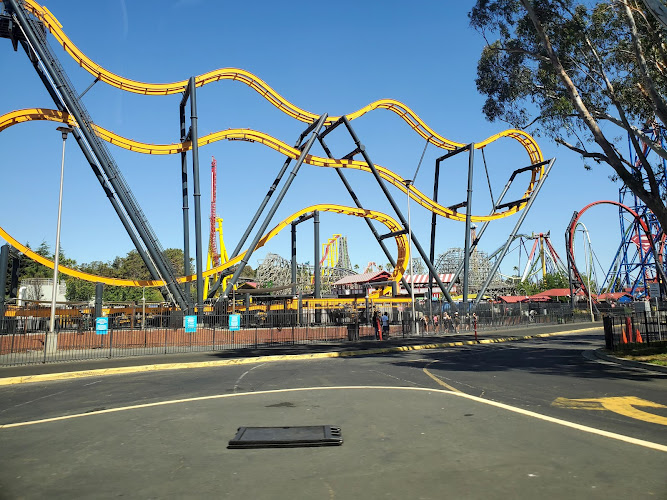
Six Flags Discovery Kingdom
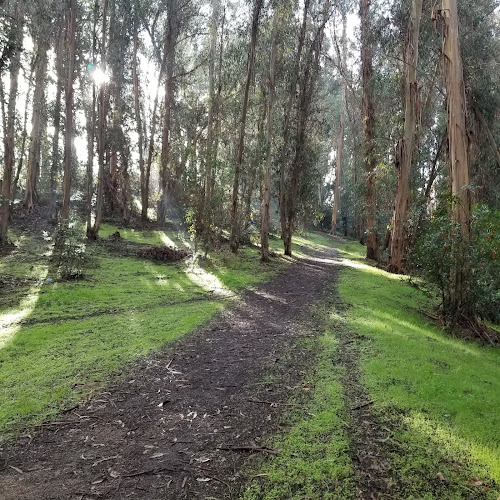
Hanns Park
Hunter Memorial Promenade
Find Accommodations Nearby
Recommended Tours & Activities
Visitor Reviews
There are no reviews yet. Be the first one to write one.
Share Your Experience
Have you visited Vallejo Naval & Historical Museum? Help other travelers by leaving a review.