
Karen Blixen Museum
About Karen Blixen Museum
Key Features
More Details
Updated April 15, 2024
Karen Blixen Museum, Nairobi, Kenya.
## Karen Blixen Museum (Nairobi): what you’re actually seeing—and why it matters
The Karen Blixen Museum on Karen Road is a preserved early-20th-century farmhouse in the suburb of Karen, southwest of central Nairobi (coordinates: -1.35196, 36.712504). Today it’s part of Kenya’s national museums network, managed by the National Museums of Kenya (NMK).
If you know the name from Out of Africa, the museum is the physical anchor point for that story: a house and estate linked to Karen Blixen’s years in Kenya and her later memoir. The visit is less about “movie nostalgia” and more about walking through a real place that shaped one of the best-known literary accounts of colonial-era East Africa.
## Quick facts for your map pin
– Place: Karen Blixen Museum
– Where: Karen Rd, Nairobi, Kenya
– Coordinates: -1.35196, 36.712504
– Type: Historic house museum / tourist attraction
– Operator/Owner: National Museums of Kenya
## The backstory in plain language (without the romance)
The house was built in 1912 (designed/constructed by Swedish engineer Åke Sjögren), and Karen Blixen and her husband bought it in 1917 intending to run a coffee plantation. After their separation, she stayed and ran the farm until she left Kenya permanently in 1931.
A detail worth knowing because it changes how people experience the site: the 1985 film adaptation of Out of Africa boosted global interest, but the film was not shot at this house.
The museum opened to the public in 1986, and the surrounding neighborhood—now called Karen—developed later as the former farm was subdivided.
## What to look for inside (and how to make it more than a 30-minute stop)
Because it’s a historic house museum, the “collection” is also the building itself: room layouts, materials, and household objects that communicate daily life, status, and the practical realities of a settler farm at the time. NMK frames the site as a way to understand Karen Blixen and the setting she wrote about, with the Ngong Hills as the landscape backdrop she referenced.
To get more out of the visit:
– Treat it like a primary source. The house is evidence—architecture, furnishings, spatial layout. Ask what each space suggests about labor, hierarchy, and mobility.
– Read the interpretive labels carefully. House museums often reveal as much through what they don’t say (whose stories are foregrounded vs. missing).
– Use the grounds deliberately. NMK notes a nature trail and the setting against the Ngong Hills; this helps you understand why the location mattered for a coffee estate and for Blixen’s writing.
## Planning your visit: hours and tickets
### Opening hours
NMK lists museum admission hours as daily, 8:30 a.m.–5:30 p.m., including weekends and public holidays.
Some third-party sources mention slightly different closing times. Because hours can change (events, holidays, operational updates), treat NMK’s official pages as the source of truth when you’re planning.
### Tickets / entry fees (flag: can change)
Entry fees vary by residency category and are published by NMK and other sources. Prices are the most likely detail to become outdated, so confirm on NMK’s official pages or at the ticket desk before you go.
## Getting there (practical options)
The museum is outside central Nairobi; for most travelers it’s easiest as:
– Taxi / ride-hailing: simplest for timing control and avoiding transfers.
– Public transport (matatu): Several sources note matatu routes that pass the entrance or connect to Karen; for example, Lonely Planet references matatu 24 via Kenyatta Ave passing by the entrance. Planet
Rome2rio also lists a frequent bus/matatu-style option between central Nairobi and Karen.
If you’re using public transport, build in buffer time. Nairobi traffic and informal stop patterns can turn “short distance” into a long ride.
## What to pair it with nearby
NMK itself suggests combining Karen Blixen Museum with nearby attractions like the Giraffe Centre and Kazuri Beads—a smart way to turn the Karen/Langata area into a half-day loop. Museums of Kenya
A common structure:
– Morning: Karen Blixen Museum (cooler temps, clearer light for exterior photos)
– Midday: Giraffe Centre or a craft stop (Kazuri Beads)
– Afternoon: Buffer for traffic back into town
## Inclusivity, context, and visiting with a clear head
This is a site tied to Kenya’s colonial past and to a European author’s perspective on East Africa. A more grounded way to visit:
– Separate the literature from the history. Out of Africa is influential, but it’s one lens—not a neutral record.
– Look for Kenyan framing. NMK is a Kenyan institution; pay attention to how interpretation is presented through that mandate.
– Notice whose labor made the estate function. Even if individual names aren’t present, the system is.
If you’re traveling with kids or a mixed-interest group, framing it as “a real house that became a famous book” works well—then layer in the deeper context for adults as you go.
## Key takeaways for RealJourneyTravels.com readers
– This is a historic house museum built in 1912, connected to Karen Blixen’s life in Kenya after 1917, and opened as a museum in 1986.
– The experience lands best when you treat it as history + place, not a film set (it wasn’t used for filming).
– Confirm current ticket pricing and any special hours on NMK’s official pages before you go, because that data changes most often.
Table of Contents
Key Highlights
Karen Blixen Museum
Location
Places to Stay Near Karen Blixen Museum
Find and Book a Tour
Explore More Travel Guides
No reviews found! Be the first to review!
Traveler Reviews for Karen Blixen Museum
There are no reviews yet. Be the first one to write one.
Have you visited Karen Blixen Museum? Help other travelers by sharing your review.
You Might Also Like

Funscapes Two Rivers Theme Park
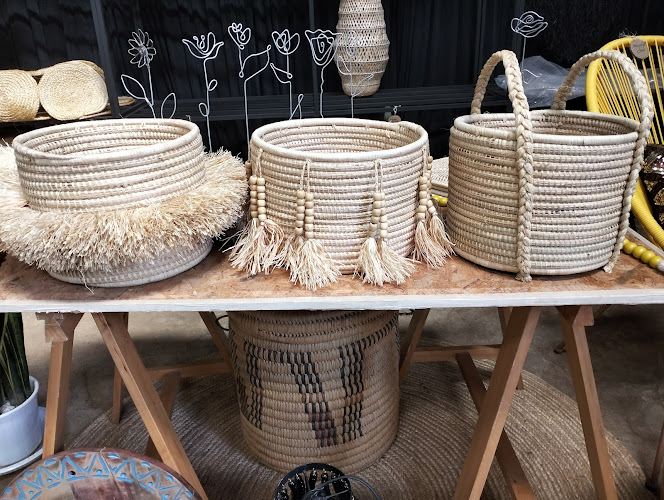
Lucidity Artisanals Shop, Kenya Handmade Decor
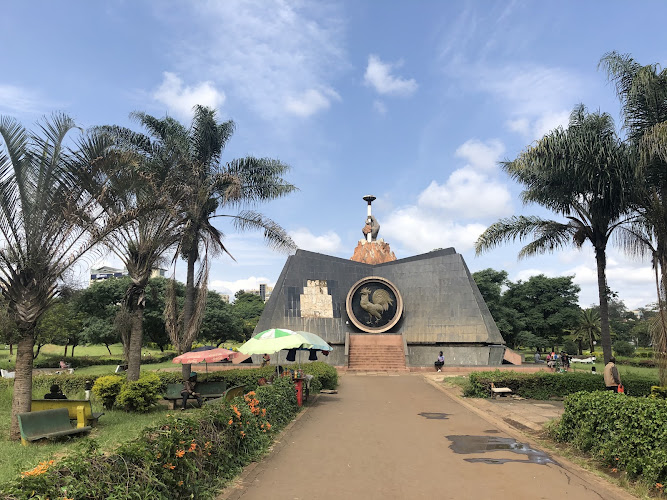
Central Park Nairobi
Find Accommodations Nearby
Recommended Tours & Activities
Visitor Reviews
There are no reviews yet. Be the first one to write one.
Share Your Experience
Have you visited Karen Blixen Museum? Help other travelers by leaving a review.