
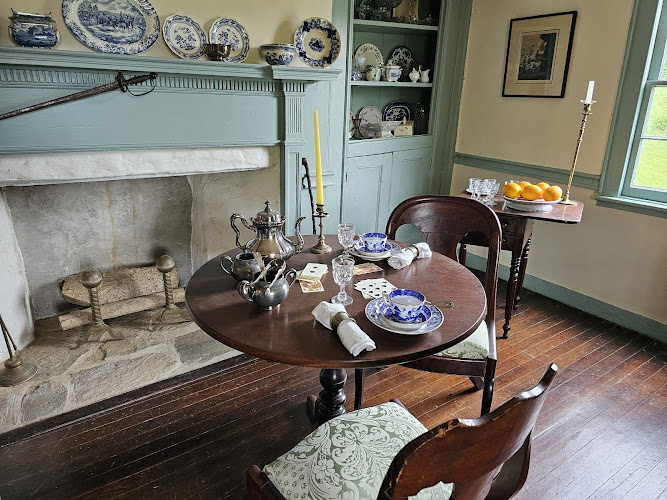
Sherwood House Museum
About Sherwood House Museum
Description
The Sherwood House Museum in Yonkers stands as a quietly confident piece of local history, offering visitors a chance to step away from the rush and into a more deliberate pace. It is a historic house museum that concentrates on telling stories of everyday life, architecture, and community change over time. Unlike larger institutions that shout with grand exhibitions, this museum whispers: look closely, touch the threads of the past, listen to the people who lived here. The experience is intentionally intimate — rooms arranged to suggest lives rather than to catalogue them, and objects that feel familiar rather than remote.
The museum's interpretation focuses on the layers of Yonkers history: family life, local trade, and the slow evolution of a community caught between rural beginnings and the pressures of urban growth. The presentation is friendly and approachable, with docents who are less like guards of a treasury and more like neighbors with stories to tell. And yes, that neighborly style makes it especially appealing for travelers who prefer meaningful, human-scale encounters over one-size-fits-all tourist attractions.
Travelers who come without high expectations are often surprised. The Sherwood House Museum has a knack for revealing small details that stick: the worn tread of a staircase that says who climbed it, kitchen implements that show how people conserved and crafted, and photographs that collapse decades into a glance. There’s a pragmatic charm here — no flashy multimedia, but rather careful conservation and thoughtful tours that make history feel usable again. The museum also provides practical amenities for visitors: tours are offered (and highly recommended for first-timers), a modest gift shop provides locally themed keepsakes, and restrooms are available on site. There is no on-site restaurant, so planning ahead for food is wise. The place is genuinely kid-friendly: hands-on programming and storytelling make it easier for young visitors to connect with the past without boredom setting in.
One of the museum’s stronger but less-talked-about aspects is its flexibility. It typically accommodates school groups and family visits with activities that bring history down to the child's level, and volunteers often adapt the narrative to fit the interests of the group. This adaptability is why many visitors leave feeling they’ve not only learned something, but also that their presence mattered. The house’s scale encourages interaction. People tend to linger — and lingerers often find that the best parts of a visit are not scheduled exhibits but small conversations with staff and volunteers who care about local heritage.
Key Features
- Historic house museum emphasizing local history and domestic life
- Guided tours available that provide in-depth storytelling and context
- Modest gift shop offering books, reproductions, and local-themed souvenirs
- Restroom facilities on site for visitor convenience
- Family- and kid-friendly programming that makes history accessible to children
- Intimate, small-group atmosphere that encourages questions and conversation
- Educational outreach and school-visit accommodations (scheduling recommended)
- Well-preserved period rooms and curated small-object displays
Best Time to Visit
Timing a visit to the Sherwood House Museum can make a big difference in the kind of experience a traveler gets. Off-peak seasons — late spring and early fall — often offer pleasant weather and the kind of light that makes old wood and antique glass look exceptional. Weekday mornings tend to be quieter, so if someone wants a reflective, unhurried visit where questions can be asked without haste, that’s the sweet spot. Weekends, by contrast, are livelier: families, school groups, and local visitors create a warm hum that many people enjoy.
There’s also a subtle calendar to watch: the museum sometimes schedules special programming, living-history demonstrations, or thematic tours that add layers to a standard visit. Those events can be especially rewarding for travelers who like participatory experiences, but they do draw crowds, so book or arrive early when possible. Because there is no on-site restaurant, plan breaks and meals around the museum’s schedule. A mid-morning visit that pairs a guided tour with a picnic afterward is often a practical and pleasant approach.
For families, school break periods are more active, with child-focused programming added, so if the goal is to bring young learners, those times are ideal. Conversely, visitors who prefer quiet reflection should aim for weekday afternoons when quieter moments are more likely.
How to Get There
The Sherwood House Museum is easy to reach from Yonkers and the surrounding Westchester region. Visitors traveling by car will find the museum accessible via local roads and parking options nearby. For those relying on transit, Yonkers is served by commuter rail and bus networks; getting close by public transit and taking a short taxi or rideshare is a common and convenient approach. Once in the area, navigation is straightforward and signposted enough that first-time visitors have little trouble finding the site.
Seasoned travelers often suggest combining a museum visit with other nearby attractions or a stroll through the neighborhood to make a half-day outing of it. This is practical because the museum visit itself is typically a 45–90 minute experience unless the visitor chooses a longer, more detailed tour. If someone prefers to avoid driving, local transit plus a short rideshare segment usually works well — and it saves the hassle of downtown parking on busier days. For visitors who enjoy walking, the surrounding streets offer a chance to see residential architecture and get a feel for the town’s character before or after the tour.
Accessibility varies by entrance and room; visitors with mobility concerns are encouraged to contact the museum ahead of time for details about access and accommodations. Likewise, group leaders planning school or tour visits should schedule in advance to ensure the staff can tailor the visit to group size and needs.
Tips for Visiting
Here are practical, traveler-tested tips to make a visit run smoothly and feel deeply satisfying:
- Book a guided tour when possible. The docents bring the house alive and often share little anecdotes and connections that aren’t on the labels. Tours also help visitors understand contextual details that make the small objects meaningful.
- Plan to spend about an hour to an hour and a half. That’s usually enough time to explore the rooms, browse the gift shop, and enjoy a conversation with staff. But if someone loves old houses, they should allow extra time — there’s always one more detail to notice.
- Bring snacks or plan a meal nearby. Since there is no restaurant on site, visitors should budget for food before or after the visit. A picnic or a nearby café works well if the weather allows.
- Kids respond best to tactile, story-driven experiences. Families are advised to ask whether there are any hands-on activities during their visit. If there are, seize them. If not, the docents are usually happy to adapt explanations for younger minds.
- Check the museum’s calendar before coming. Special events and school group days can change the flow, so checking ahead helps avoid surprises. The museum often has themed days that are great for repeat visitors looking for new angles on the same site.
- Respect photography rules. Many historic-house museums limit indoor photography to protect artifacts. If photography is allowed, low-light conditions mean a steady hand or a small tripod can be useful, but always confirm the policy first.
- Wear comfortable shoes. The floors are historic; some steps and thresholds are uneven. Comfortable footwear helps visitors enjoy the tour without fuss.
- Support the museum if possible. A purchase in the gift shop or a small donation goes a long way for smaller institutions. And honestly, it’s a nice way to remember a visit — a book, a reproduction, or a handcrafted item often outlasts the memory of any single exhibit.
- Ask questions. The staff and volunteers usually have a surprising depth of local knowledge, and often they’ll point toward neighborhood details that make the visit even richer. Those pointers can lead to great follow-up walks or photos outside the museum.
- Expect an intimate experience. For some visitors, a compact museum that relies on storytelling rather than spectacle is a highlight. For others, it can feel small. If the latter sounds likely, pair the visit with another nearby attraction to round out the day.
All said, the Sherwood House Museum rewards those who slow down a little. It’s not trying to impress by sheer scale. Instead, it aims to connect, to open small doors and let visitors peek into the rhythms of past lives. Travelers who come ready to listen will find stories that make Yonkers feel more than just a stop on the map — they’ll find a place with character, patience, and a lovely sense of continuity. And that, for many, is exactly why they travel: to find a human center to the geography, to leave with a small object or memory that seems to fit the hand just right. The Sherwood House Museum may be compact, but it’s the kind of place that stays with a person long after they’ve left the room.
Key Features
- Historic house museum emphasizing local history and domestic life
- Guided tours available that provide in-depth storytelling and context
- Modest gift shop offering books, reproductions, and local-themed souvenirs
- Restroom facilities on site for visitor convenience
- Family- and kid-friendly programming that makes history accessible to children
- Intimate, small-group atmosphere that encourages questions and conversation
- Educational outreach and school-visit accommodations (scheduling recommended)
- Well-preserved period rooms and curated small-object displays
More Details
Updated August 30, 2025
Table of Contents
Description
The Sherwood House Museum in Yonkers stands as a quietly confident piece of local history, offering visitors a chance to step away from the rush and into a more deliberate pace. It is a historic house museum that concentrates on telling stories of everyday life, architecture, and community change over time. Unlike larger institutions that shout with grand exhibitions, this museum whispers: look closely, touch the threads of the past, listen to the people who lived here. The experience is intentionally intimate — rooms arranged to suggest lives rather than to catalogue them, and objects that feel familiar rather than remote.
The museum’s interpretation focuses on the layers of Yonkers history: family life, local trade, and the slow evolution of a community caught between rural beginnings and the pressures of urban growth. The presentation is friendly and approachable, with docents who are less like guards of a treasury and more like neighbors with stories to tell. And yes, that neighborly style makes it especially appealing for travelers who prefer meaningful, human-scale encounters over one-size-fits-all tourist attractions.
Travelers who come without high expectations are often surprised. The Sherwood House Museum has a knack for revealing small details that stick: the worn tread of a staircase that says who climbed it, kitchen implements that show how people conserved and crafted, and photographs that collapse decades into a glance. There’s a pragmatic charm here — no flashy multimedia, but rather careful conservation and thoughtful tours that make history feel usable again. The museum also provides practical amenities for visitors: tours are offered (and highly recommended for first-timers), a modest gift shop provides locally themed keepsakes, and restrooms are available on site. There is no on-site restaurant, so planning ahead for food is wise. The place is genuinely kid-friendly: hands-on programming and storytelling make it easier for young visitors to connect with the past without boredom setting in.
One of the museum’s stronger but less-talked-about aspects is its flexibility. It typically accommodates school groups and family visits with activities that bring history down to the child’s level, and volunteers often adapt the narrative to fit the interests of the group. This adaptability is why many visitors leave feeling they’ve not only learned something, but also that their presence mattered. The house’s scale encourages interaction. People tend to linger — and lingerers often find that the best parts of a visit are not scheduled exhibits but small conversations with staff and volunteers who care about local heritage.
Key Features
- Historic house museum emphasizing local history and domestic life
- Guided tours available that provide in-depth storytelling and context
- Modest gift shop offering books, reproductions, and local-themed souvenirs
- Restroom facilities on site for visitor convenience
- Family- and kid-friendly programming that makes history accessible to children
- Intimate, small-group atmosphere that encourages questions and conversation
- Educational outreach and school-visit accommodations (scheduling recommended)
- Well-preserved period rooms and curated small-object displays
Best Time to Visit
Timing a visit to the Sherwood House Museum can make a big difference in the kind of experience a traveler gets. Off-peak seasons — late spring and early fall — often offer pleasant weather and the kind of light that makes old wood and antique glass look exceptional. Weekday mornings tend to be quieter, so if someone wants a reflective, unhurried visit where questions can be asked without haste, that’s the sweet spot. Weekends, by contrast, are livelier: families, school groups, and local visitors create a warm hum that many people enjoy.
There’s also a subtle calendar to watch: the museum sometimes schedules special programming, living-history demonstrations, or thematic tours that add layers to a standard visit. Those events can be especially rewarding for travelers who like participatory experiences, but they do draw crowds, so book or arrive early when possible. Because there is no on-site restaurant, plan breaks and meals around the museum’s schedule. A mid-morning visit that pairs a guided tour with a picnic afterward is often a practical and pleasant approach.
For families, school break periods are more active, with child-focused programming added, so if the goal is to bring young learners, those times are ideal. Conversely, visitors who prefer quiet reflection should aim for weekday afternoons when quieter moments are more likely.
How to Get There
The Sherwood House Museum is easy to reach from Yonkers and the surrounding Westchester region. Visitors traveling by car will find the museum accessible via local roads and parking options nearby. For those relying on transit, Yonkers is served by commuter rail and bus networks; getting close by public transit and taking a short taxi or rideshare is a common and convenient approach. Once in the area, navigation is straightforward and signposted enough that first-time visitors have little trouble finding the site.
Seasoned travelers often suggest combining a museum visit with other nearby attractions or a stroll through the neighborhood to make a half-day outing of it. This is practical because the museum visit itself is typically a 45–90 minute experience unless the visitor chooses a longer, more detailed tour. If someone prefers to avoid driving, local transit plus a short rideshare segment usually works well — and it saves the hassle of downtown parking on busier days. For visitors who enjoy walking, the surrounding streets offer a chance to see residential architecture and get a feel for the town’s character before or after the tour.
Accessibility varies by entrance and room; visitors with mobility concerns are encouraged to contact the museum ahead of time for details about access and accommodations. Likewise, group leaders planning school or tour visits should schedule in advance to ensure the staff can tailor the visit to group size and needs.
Tips for Visiting
Here are practical, traveler-tested tips to make a visit run smoothly and feel deeply satisfying:
- Book a guided tour when possible. The docents bring the house alive and often share little anecdotes and connections that aren’t on the labels. Tours also help visitors understand contextual details that make the small objects meaningful.
- Plan to spend about an hour to an hour and a half. That’s usually enough time to explore the rooms, browse the gift shop, and enjoy a conversation with staff. But if someone loves old houses, they should allow extra time — there’s always one more detail to notice.
- Bring snacks or plan a meal nearby. Since there is no restaurant on site, visitors should budget for food before or after the visit. A picnic or a nearby café works well if the weather allows.
- Kids respond best to tactile, story-driven experiences. Families are advised to ask whether there are any hands-on activities during their visit. If there are, seize them. If not, the docents are usually happy to adapt explanations for younger minds.
- Check the museum’s calendar before coming. Special events and school group days can change the flow, so checking ahead helps avoid surprises. The museum often has themed days that are great for repeat visitors looking for new angles on the same site.
- Respect photography rules. Many historic-house museums limit indoor photography to protect artifacts. If photography is allowed, low-light conditions mean a steady hand or a small tripod can be useful, but always confirm the policy first.
- Wear comfortable shoes. The floors are historic; some steps and thresholds are uneven. Comfortable footwear helps visitors enjoy the tour without fuss.
- Support the museum if possible. A purchase in the gift shop or a small donation goes a long way for smaller institutions. And honestly, it’s a nice way to remember a visit — a book, a reproduction, or a handcrafted item often outlasts the memory of any single exhibit.
- Ask questions. The staff and volunteers usually have a surprising depth of local knowledge, and often they’ll point toward neighborhood details that make the visit even richer. Those pointers can lead to great follow-up walks or photos outside the museum.
- Expect an intimate experience. For some visitors, a compact museum that relies on storytelling rather than spectacle is a highlight. For others, it can feel small. If the latter sounds likely, pair the visit with another nearby attraction to round out the day.
All said, the Sherwood House Museum rewards those who slow down a little. It’s not trying to impress by sheer scale. Instead, it aims to connect, to open small doors and let visitors peek into the rhythms of past lives. Travelers who come ready to listen will find stories that make Yonkers feel more than just a stop on the map — they’ll find a place with character, patience, and a lovely sense of continuity. And that, for many, is exactly why they travel: to find a human center to the geography, to leave with a small object or memory that seems to fit the hand just right. The Sherwood House Museum may be compact, but it’s the kind of place that stays with a person long after they’ve left the room.
Key Highlights
- Historic house museum emphasizing local history and domestic life
- Guided tours available that provide in-depth storytelling and context
- Modest gift shop offering books, reproductions, and local-themed souvenirs
- Restroom facilities on site for visitor convenience
- Family- and kid-friendly programming that makes history accessible to children
- Intimate, small-group atmosphere that encourages questions and conversation
- Educational outreach and school-visit accommodations (scheduling recommended)
- Well-preserved period rooms and curated small-object displays
Location
Places to Stay Near Sherwood House Museum
Find and Book a Tour
Explore More Travel Guides
No reviews found! Be the first to review!
Traveler Reviews for Sherwood House Museum
There are no reviews yet. Be the first one to write one.
Have you visited Sherwood House Museum? Help other travelers by sharing your review.
Find Accommodations Nearby
Recommended Tours & Activities
Visitor Reviews
There are no reviews yet. Be the first one to write one.
Share Your Experience
Have you visited Sherwood House Museum? Help other travelers by leaving a review.