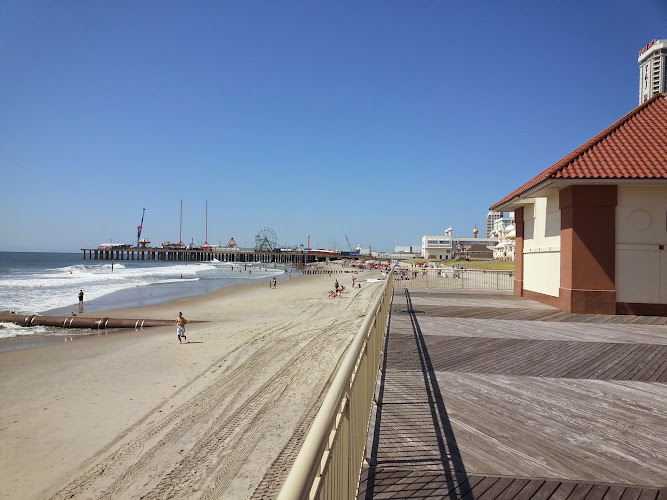
The museum chronicles Atlantic Citys evolution from seaside escape to casino center, and it does so with a collection that feels less like a sterile archive and more like a lived-in attic where someone kept postcards, show posters, and battered souvenirs because they mattered. Visitors who care about place, time, and stories find this museum surprisingly satisfying. There is an intimacy here — the sort of intimacy that makes one imagine the curators as local storytellers who love awkward old photographs and the smell of old paper.
The layout is compact, which is a blessing; it avoids the overwhelm of larger institutions. Exhibits range from Miss America memorabilia and boardwalk ephemera to deeper dives into the citys social history: immigrant life, the rise of the summer resort industry, the transportation networks that put Atlantic City on the map, and the cultural currents that shaped the Jersey shore. Pieces of furniture, period clothing, vintage postcards, and photographs of boardwalk scenes line the rooms; audio recordings and interpretive panels add context without lecturing. And yes, there are artifacts that make one grin — a faded bathing suit from the 1920s, an old steel pier souvenir that looks more like a talisman than a trinket.
The museum skillfully connects local events to broader American trends. Atlantic City is not portrayed as an isolated curiosity; instead, it’s shown as a mirror of the United States during the 20th century — leisure culture, the rise of mass tourism, and the complicated intersections of race, labor, and entertainment. Younger visitors often come for the Miss America chapter, but many leave with new appreciation for how the city adapted to economic change and natural forces. For travelers who want context before wandering the boardwalk, this museum does a great job of layering meaning onto the visible city.
Staff and volunteers tend to be friendly and conversational. They answer questions in ways that suggest both pride and realism about the citys past. There is a warmth to the place, and a sense that the museum exists as part of a network of local memory rather than as a corporate showpiece. That said, the museum is modest in scale — a focused visit of an hour or two is normal. People who expect an encyclopedic, multi-floor experience should temper expectations; this is more of a curated neighborhood history center than a large urban museum.
The storytelling is strongest when it pairs objects with people. Photographs of families, candid shots of crowded boardwalks, and personal letters bring the exhibits to life. A subtle but important thread is how the waterfront shaped working-class life: fishermen, hotel staff, entertainers, and small-business owners. The museum does not shy away from tougher topics either. Issues of segregation, labor disputes, and the economic dislocations of the late 20th century are treated with care. The tone is honest and sometimes wistful — not triumphant, not defensive.
Practical details add to the visitor experience: rotating displays keep repeat visits interesting, and the museum occasionally hosts talks and small events that bring historians and residents into conversation. For photographers and history buffs, there are unique photo ops and artifacts that are uncommon elsewhere in New Jersey. The museum’s proximity to the boardwalk is a huge plus — it’s easy to pair a visit with a stroll, a meal, or a ride on one of the classic piers. Still, because the site is relatively small, it can feel crowded on peak summer days, and some of the exhibit labels could use a refresh for clarity and accessibility.
Overall, the Atlantic City Historical Museum is a quietly effective stop for travelers who want to anchor their boardwalk visit in history. It invites curiosity without demanding prior knowledge, and it rewards patient visitors with little-known stories and tangible connections to the citys past. A solid pick for those who prefer meaningful context to flashy spectacle.
Best Time to Visit
The museum is pleasant year-round, but timing matters depending on what kind of experience a traveler wants. Spring and fall offer cooler, less crowded days on the boardwalk, which makes exploring both the museum and the shoreline more relaxed. Weekday mornings are especially quiet, so the exhibit spaces feel almost private — good for people who like to read every panel and linger with artifacts.
Summer brings energy and foot traffic; the museum buzzes as families and tourists flood the boardwalk. That can be enjoyable if one likes people-watching and the sense of being in a lively place, but it means smaller galleries get congested. Winter visitors will find a different mood: more introspective, a little melancholic maybe, but also easier access to staff and any special programming that’s scheduled. If a traveler wants to combine the museum with an off-season hotel deal or a quieter fisherman’s-dawn boardwalk walk, late fall or early spring is ideal.
How to Get There
Atlantic City is well connected by road and public transport, and getting to the boardwalk area is straightforward. Drive-in visitors can find municipal lots and metered parking nearby, though spaces fill up during summer weekends and special events. If using public transport, regional buses and rail connections bring travelers from Philadelphia and other New Jersey cities — then a short walk along the promenade lands them near the museum. Taxis and rideshare services are plentiful around the boardwalk and are convenient for flexible timing.
For those arriving by train or long-distance coach, consider a light local walk to absorb the shoreline energy before stepping into the museum. It’s often more satisfying to approach the museum after seeing a bit of the boardwalk; the exhibits then slot into a visible urban context. Travelers who enjoy cycling will find bike racks in the area, but check seasonal rules about bringing bikes onto the boardwalk itself.
Tips for Visiting
Plan for about 60–90 minutes to explore the core exhibits without rushing. That gives ample time to read labels, study photographs, and listen to any audio clips. If the curator is hosting a short talk or there’s a temporary exhibition, add another 30 minutes. The museum is small but rich in detail; rushing through it means missing the quieter stories that make Atlantic City interesting beyond casinos and roller coasters.
Bring a camera but be mindful: some artifacts are behind glass and lighting is deliberately low in spots to protect materials. Flash photography should be avoided. The museum’s compact nature makes it a good stop if the weather turns bad mid-trip — a shelter-and-learn option that can salvage an otherwise soggy boardwalk day.
Ask staff about rotating items and hidden gems inside the collection. There are often pieces not on the main floor that volunteers will happily describe. If a traveler enjoys oral histories and personal stories, request any available audio stations or supplementary materials; these small extras can transform a casual visit into a memorable one.
Wear comfortable shoes. Yes, it’s indoors, but this museum pairs so naturally with a boardwalk outing that visitors tend to keep walking after they exit. Also, consider visiting early in the day to avoid peak crowding during summer weekends. For families, there are kid-friendly items and visual displays that capture attention, but parents should be ready to shepherd curious hands around delicate exhibits.
Finally, don’t skip nearby landmarks after the visit. A quick walk will reveal classic boardwalk enterprises and local spots that reflect the city’s layered history. And for travelers who collect stories: take note of small details — an old postcard tucked into a frame, a handwritten sign on a display case — these scraps often tell the truest, smallest, most human parts of Atlantic Citys story.
 Real Journey Travels