
Kościół Rzymskokatolicki p.w. Niepokalanego Poczęcia NMP w Katowicach
About Kościół Rzymskokatolicki p.w. Niepokalanego Poczęcia NMP w Katowicach
Key Features
More Details
Updated June 11, 2025
Kościół Rzymskokatolicki p.w…- Katowice, pl. Szramka 1
## Kościół Niepokalanego Poczęcia Najświętszej Maryi Panny (Kościół Mariacki) in Katowice: what to know before you go
At plac ks. Emila Szramka 1 in central Katowice, this Roman Catholic church—often called Kościół Mariacki—is one of the city center’s defining landmarks, both for its neo-Gothic architecture and for how it visually closes the eastern end of Mariacka Street.
If you’re mapping out Katowice beyond the headline attractions, it’s a strong “anchor stop”: easy to reach on foot in Śródmieście, historically significant, and architecturally legible even if you’re not a church-architecture nerd.
—
## Quick facts (verified)
– Official dedication: Niepokalane Poczęcie Najświętszej Maryi Panny (Immaculate Conception of the Blessed Virgin Mary)
– Location: plac ks. Emila Szramka 1, 40-014 Katowice, Poland
– Style: Neo-Gothic
– Architect: Alexis Langer
– Construction timeline: building began August 1862, completed November 1870; blessed 20 November 1870
– Materials (noted in sources): brick and sandstone
—
## Why this church matters in Katowice’s story
Katowice’s 19th-century growth is closely tied to industrialization in Upper Silesia, and the parish and its main church emerged during that period. The church’s building timeline (1862–1870) places it in the early urban formation of modern Katowice—long before the city’s later layers of 20th-century civic and cultural architecture.
One detail that’s useful for visitors: this isn’t a church tucked away behind courtyards. It’s intentionally placed and composed to frame the street axis—you feel that urban design choice the moment you approach from Mariacka.
—
## What to look for outside
### Neo-Gothic form you can “read” quickly
Even from a short stop, neo-Gothic cues are clear: the vertical emphasis, pointed-arch vocabulary, and the overall “upward pull” that’s typical of Gothic revival churches. That style attribution is explicitly documented for this church.
### The setting: plac Szramka + the Mariacka axis
Because it sits at plac ks. Emila Szramka and seals the east end of Mariacka, you can treat it as a navigation point for central Katowice walking routes.
—
## What to look for inside (and why it’s worth stepping in)
### Stained glass (witraże) worth prioritizing
If you only focus on one interior element, make it the stained glass—including windows designed by Adam Bunsch, which are specifically highlighted by regional cultural-heritage sources. Travel
Because stained glass reads differently depending on daylight, it’s one of those interiors where timing actually matters: a quick return pass later in the day can feel like a different space (that’s a general lighting reality, not a claim about a specific hour).
### A practical etiquette note
This is an active place of worship. If you enter during services, keep to the side aisles, silence your phone, and avoid photography unless it’s clearly appropriate.
—
## Practical visiting info (check before you go)
### Mass times (as published by the parish)
The parish website lists Mass times as:
– Sundays: 8:00, 10:00, 11:30, 13:00, 18:30
– Weekdays: 7:00, 18:30
### Parish office hours + contact (useful if you need confirmations)
The parish contact page lists the address and office hours, plus phone/email.
Outdated-data flag: schedules and office hours can change for holidays, renovations, or special liturgical calendars. The safest move is to verify day-of on the official parish site or via the archdiocese parish listing.
—
## How to fit it into a Katowice walk (without overplanning)
Because this church sits in Śródmieście and anchors Mariacka Street’s eastern end, it works well as:
– A start point before exploring central streets on foot
– A mid-walk reset (short, quiet interior stop if open)
– A finish point if you’re approaching along Mariacka and want a clear “end cap” for your route
If your site has them, two contextual internal links that naturally pair with this stop are:
– Katowice city guide / things to do in Katowice (link if available)
– Guide to Katowice’s historic churches or neo-Gothic architecture in Poland (link if available)
(Those are framed as conditional suggestions because I can’t verify your site’s exact URL structure from the info provided.)
—
## Accessibility + inclusivity notes (what we can and can’t claim)
– I cannot verify step-free access, interior mobility constraints, or availability of accessible restrooms from the provided sources. If accessibility is important for your visit, contact the parish directly using the official details listed.
– As with any active religious site, visitors of all backgrounds are generally expected to follow local norms (quiet voices, respectful dress, and deference during services).
—
## If you only have 15 minutes
– Approach from Mariacka Street so you understand the building’s urban role.
– Step inside (if open) and prioritize the stained glass noted in regional heritage listings. Travel
– If you need service times or confirmation of openings, rely on the parish website rather than third-party listings.
—
### Source notes (for accuracy)
Key factual claims above—name/alternate name, location, style, architect, construction dates, and urban placement—are grounded in the cited parish, archdiocese, and cultural-heritage references, plus the summarized encyclopedia entry.
Table of Contents
- Key Highlights
- Location
- Places to Stay Near Kościół Rzymskokatolicki p.w. Niepokalanego Poczęcia NMP w Katowicach"Nice area to visit and walk around good places to eat ice cream and beer"
- Find and Book a Tour
- Explore More Travel Guides
- Nearby Places You Might Like
- Traveler Reviews for Kościół Rzymskokatolicki p.w. Niepokalanego Poczęcia NMP w Katowicach
- Share Your Experience
Key Highlights
Kościół Rzymskokatolicki p.w. Niepokalanego Poczęcia NMP w Katowicach
Location
Places to Stay Near Kościół Rzymskokatolicki p.w. Niepokalanego Poczęcia NMP w Katowicach"Nice area to visit and walk around good places to eat ice cream and beer"
Find and Book a Tour
Explore More Travel Guides
No reviews found! Be the first to review!
Traveler Reviews for Kościół Rzymskokatolicki p.w. Niepokalanego Poczęcia NMP w Katowicach
There are no reviews yet. Be the first one to write one.
Have you visited Kościół Rzymskokatolicki p.w. Niepokalanego Poczęcia NMP w Katowicach? Help other travelers by sharing your review.
You Might Also Like
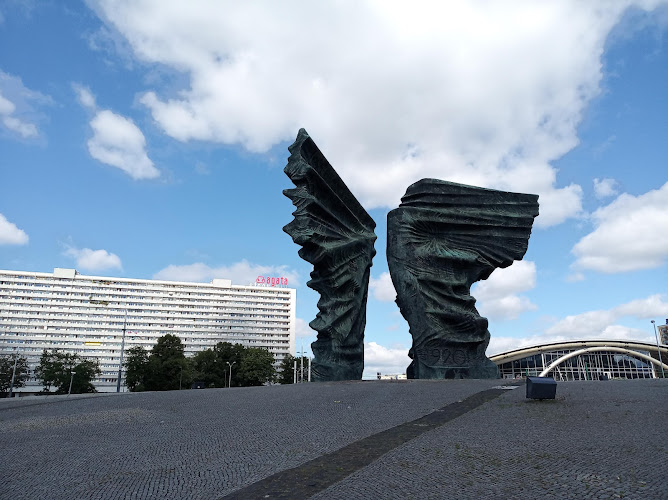
Silesian Insurgents' Monument

Museum of the History of Katowice
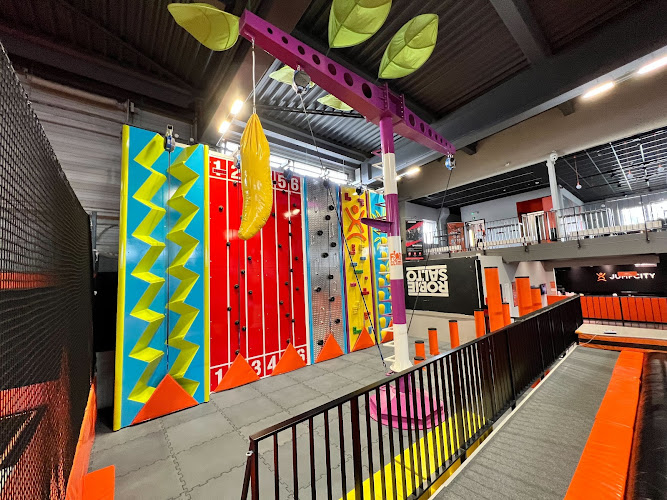
JUMPCITY Katowice
Find Accommodations Nearby
Recommended Tours & Activities
Visitor Reviews
There are no reviews yet. Be the first one to write one.
Share Your Experience
Have you visited Kościół Rzymskokatolicki p.w. Niepokalanego Poczęcia NMP w Katowicach? Help other travelers by leaving a review.