

Tinker Swiss Cottage Museum and Gardens
About Tinker Swiss Cottage Museum and Gardens
Description
The Tinker Swiss Cottage Museum and Gardens in Rockford, Illinois is an evocative historic house museum that takes visitors back to the mid-19th century. Built in 1865 in a Swiss-inspired style by an inventive local businessman, the property has been carefully restored and now displays much of its original Victorian-era furnishings and personal items. The house reads like a biography in wood and wallpaper: each parlor, bedroom, and hallway reveals something about the lifestyle, tastes, and daily rhythms of the family who lived there.
What often surprises first-time guests is the combination of intimacy and craftsmanship. The place feels lived-in rather than staged, which makes guided tours especially rewarding. Guides point out practical details—how a particular cabinet solved a storage problem in 1870, or how a clever heating arrangement worked before modern HVAC—and those little moments of function-meets-beauty are oddly charming. There is an architectural vocabulary here that speaks of Swiss wooden ornamentation adapted to American Victorian sensibilities, and it stands apart from the cookie-cutter historic homes a visitor might have seen elsewhere.
Outside, the gardens provide a quiet contrast to the ornate interiors. The grounds slope gently toward a creek and a park-like setting, giving the property a sense of place within the city while still feeling removed from everyday bustle. The landscaping, maintained by volunteers and staff, features period-appropriate plantings and seasonal color; it's no accident that many photo-seekers linger here longer than they planned. But even for those who come primarily for history, the gardens are more than decoration: they are an essential part of the 19th-century home experience, reflecting how families used outdoor spaces for leisure and social life.
Administratively, the museum operates as a non-profit organization focused on preserving local history and sharing it with the community and visitors. Onsite services include scheduled guided tours and a modest gift shop with locally-inspired souvenirs. Accessibility accommodations are in place: there is wheelchair-accessible parking and a wheelchair-accessible restroom, so the site is welcoming to guests with mobility needs. Parking is generally easy, with a free on-site lot and street parking nearby—handy when someone is running late or travel plans get messy (and yes, travel plans often get messy; the best days do).
There is a strong educational emphasis here. School groups, families with children, and history buffs alike find value in the interpretation; programming often ties into Illinois local history and 19th-century domestic life. For kids, the tactile and storytelling aspects of the guided tours make history feel accessible rather than dry. Adults tend to appreciate the original furnishings and the sly details of Victorian domestic technology—things that make scholars whisper and casual visitors grin.
Balance is part of the experience. The site is polished and well-maintained, yet it retains patina and personality. That combination accounts for the generally enthusiastic reception among people who visit. But it is also a small museum, with staffing and space limitations that mean tours can reach capacity and special-event tickets can sell out. Advance planning is a small extra step that usually pays off in a much more relaxed visit.
Key Features
- Guided tours of a fully restored Swiss-style 1865 house showcasing original Victorian furnishings and household items
- Historic gardens and grounds offering scenic views and period-appropriate plantings
- Onsite gift shop stocked with local and museum-themed items
- Free on-site parking and free street parking for visitors
- Wheelchair-accessible parking lot and wheelchair-accessible restroom
- Programs suitable for children and school groups, plus adult-focused lectures or special events at times
- Operates as a nonprofit organization dedicated to preserving local history
- Recommended advance ticket purchase for guided tours to avoid sold-out times
Best Time to Visit
Spring through fall is the most rewarding stretch for most guests because the gardens are in bloom, and outdoor photos look their best. Late spring and early summer show the plantings at peak vigor, while fall offers warm light and pretty foliage—great for photographers who like golden-hour shots against Victorian trim. Weekdays, especially mid-morning, tend to be quieter than weekend afternoons; those who prefer a more contemplative visit should try to arrive during this window.
That said, winter can be unexpectedly atmospheric. A quiet winter tour, with bare branches and the hush of the season, highlights the interior details in a way high-summer visits do not. The museum sometimes stages seasonal events or special exhibits during the holidays that draw crowds but also bring extra charm: period-appropriate decorations, themed tours, and volunteer docents who clearly love to share stories. Advance planning is particularly important for holiday programs since they often sell out.
If the visitor is combining stops around Rockford, midweek visits provide flexibility for pairing the cottage with nearby museums or park attractions. But if timing is limited and gardens are a priority, aim for late May through July for peak color, and October for fall leaf watching. And if someone has a soft spot for quiet corners and historical details, any weekday in the off-season will do just fine.
How to Get There
The museum sits within the city of Rockford, Illinois and is easily reached by car from local arteries. Drivers will welcome the free on-site parking and the availability of free street parking nearby; both make pop-up visits feasible when plans change. Public transit options are available in the broader Rockford area but schedules and routes vary, so those relying on buses should check current transit information before departure.
For travelers coming from out of town, combining this stop with other Rockford attractions makes for an efficient day. The property is conveniently sited near parkland and a creek, creating pleasant walking routes if someone prefers to minimize driving during a visit. Rideshare services and taxis operate in the city and are a practical fallback if parking is full on busy days.
Accessibility-minded visitors will find a level route from the parking area to the accessible restroom, but the historic house itself has architectural features—narrow halls, original staircases—that reflect the building's 19th-century origins. Guided tour staff can clarify which areas are accessible and which may not be; the museum aims to accommodate as much as possible but some spaces are, by nature, limited.
Tips for Visiting
Buy tickets in advance when possible. Tours can fill quickly, especially on weekends and during special events, so advance tickets are a small step that prevents disappointment. Staff recommend allotting at least 60 to 90 minutes for a full experience: that allows time for a guided tour, a stroll through the gardens, and a little browsing in the gift shop without rushing.
Wear comfortable shoes. The grounds are pleasant for walking and the interior includes narrow walkways and steps typical of a historic home. Dress in layers if visiting in shoulder seasons; indoor temperatures in historic houses can feel different than the outdoors.
Photography is often tempting—there are so many details—but visitors should follow posted policies and heed the guide's instructions. Fragile textiles and original furnishings require care and restraint; flash photography or touching objects is generally discouraged to protect century-old surfaces. A good rule of thumb: take pictures of the overall rooms and ornamentation, avoid close-ups of fragile objects, and always ask if unsure.
Bring kids, but plan a little structure. The museum is good for children when they have a guide-led narrative or a simple scavenger-type challenge to keep them engaged. The staff and volunteers know how to tailor explanations to younger audiences, and many families find the stories about household inventions and daily life in 1865 to be surprisingly engaging for kids.
Combine the visit with other local stops. Rockford has more to offer in the realms of art, parks, and history, so building a day around the cottage—rather than treating it as a lone stop—makes for a fuller experience. And if time is tight, prioritize the guided tour; it's the best way to unpack context and notice details that might slip by on a self-guided stroll.
Finally, be curious and ask questions. The volunteer docents and staff often have delightful tidbits—family stories, restoration quirks, or behind-the-scenes tales—that don't make it into signage. Those personal stories are the glue that makes history feel human, and they're often the part of the visit guests remember years later.
Key Features
- Guided tours of a fully restored Swiss-style 1865 house showcasing original Victorian furnishings and household items
- Historic gardens and grounds offering scenic views and period-appropriate plantings
- Onsite gift shop stocked with local and museum-themed items
- Free on-site parking and free street parking for visitors
- Wheelchair-accessible parking lot and wheelchair-accessible restroom
- Programs suitable for children and school groups, plus adult-focused lectures or special events at times
- Operates as a nonprofit organization dedicated to preserving local history
- Recommended advance ticket purchase for guided tours to avoid sold-out times
More Details
Updated August 29, 2025
Table of Contents
- Description
- Key Features
- Best Time to Visit
- How to Get There
- Tips for Visiting
- Key Highlights
- Location
- Places to Stay Near Tinker Swiss Cottage Museum and Gardens
- Find and Book a Tour
- Explore More Travel Guides
- Nearby Places You Might Like
- Traveler Reviews for Tinker Swiss Cottage Museum and Gardens
- Share Your Experience
Description
The Tinker Swiss Cottage Museum and Gardens in Rockford, Illinois is an evocative historic house museum that takes visitors back to the mid-19th century. Built in 1865 in a Swiss-inspired style by an inventive local businessman, the property has been carefully restored and now displays much of its original Victorian-era furnishings and personal items. The house reads like a biography in wood and wallpaper: each parlor, bedroom, and hallway reveals something about the lifestyle, tastes, and daily rhythms of the family who lived there.
What often surprises first-time guests is the combination of intimacy and craftsmanship. The place feels lived-in rather than staged, which makes guided tours especially rewarding. Guides point out practical details—how a particular cabinet solved a storage problem in 1870, or how a clever heating arrangement worked before modern HVAC—and those little moments of function-meets-beauty are oddly charming. There is an architectural vocabulary here that speaks of Swiss wooden ornamentation adapted to American Victorian sensibilities, and it stands apart from the cookie-cutter historic homes a visitor might have seen elsewhere.
Outside, the gardens provide a quiet contrast to the ornate interiors. The grounds slope gently toward a creek and a park-like setting, giving the property a sense of place within the city while still feeling removed from everyday bustle. The landscaping, maintained by volunteers and staff, features period-appropriate plantings and seasonal color; it’s no accident that many photo-seekers linger here longer than they planned. But even for those who come primarily for history, the gardens are more than decoration: they are an essential part of the 19th-century home experience, reflecting how families used outdoor spaces for leisure and social life.
Administratively, the museum operates as a non-profit organization focused on preserving local history and sharing it with the community and visitors. Onsite services include scheduled guided tours and a modest gift shop with locally-inspired souvenirs. Accessibility accommodations are in place: there is wheelchair-accessible parking and a wheelchair-accessible restroom, so the site is welcoming to guests with mobility needs. Parking is generally easy, with a free on-site lot and street parking nearby—handy when someone is running late or travel plans get messy (and yes, travel plans often get messy; the best days do).
There is a strong educational emphasis here. School groups, families with children, and history buffs alike find value in the interpretation; programming often ties into Illinois local history and 19th-century domestic life. For kids, the tactile and storytelling aspects of the guided tours make history feel accessible rather than dry. Adults tend to appreciate the original furnishings and the sly details of Victorian domestic technology—things that make scholars whisper and casual visitors grin.
Balance is part of the experience. The site is polished and well-maintained, yet it retains patina and personality. That combination accounts for the generally enthusiastic reception among people who visit. But it is also a small museum, with staffing and space limitations that mean tours can reach capacity and special-event tickets can sell out. Advance planning is a small extra step that usually pays off in a much more relaxed visit.
Key Features
- Guided tours of a fully restored Swiss-style 1865 house showcasing original Victorian furnishings and household items
- Historic gardens and grounds offering scenic views and period-appropriate plantings
- Onsite gift shop stocked with local and museum-themed items
- Free on-site parking and free street parking for visitors
- Wheelchair-accessible parking lot and wheelchair-accessible restroom
- Programs suitable for children and school groups, plus adult-focused lectures or special events at times
- Operates as a nonprofit organization dedicated to preserving local history
- Recommended advance ticket purchase for guided tours to avoid sold-out times
Best Time to Visit
Spring through fall is the most rewarding stretch for most guests because the gardens are in bloom, and outdoor photos look their best. Late spring and early summer show the plantings at peak vigor, while fall offers warm light and pretty foliage—great for photographers who like golden-hour shots against Victorian trim. Weekdays, especially mid-morning, tend to be quieter than weekend afternoons; those who prefer a more contemplative visit should try to arrive during this window.
That said, winter can be unexpectedly atmospheric. A quiet winter tour, with bare branches and the hush of the season, highlights the interior details in a way high-summer visits do not. The museum sometimes stages seasonal events or special exhibits during the holidays that draw crowds but also bring extra charm: period-appropriate decorations, themed tours, and volunteer docents who clearly love to share stories. Advance planning is particularly important for holiday programs since they often sell out.
If the visitor is combining stops around Rockford, midweek visits provide flexibility for pairing the cottage with nearby museums or park attractions. But if timing is limited and gardens are a priority, aim for late May through July for peak color, and October for fall leaf watching. And if someone has a soft spot for quiet corners and historical details, any weekday in the off-season will do just fine.
How to Get There
The museum sits within the city of Rockford, Illinois and is easily reached by car from local arteries. Drivers will welcome the free on-site parking and the availability of free street parking nearby; both make pop-up visits feasible when plans change. Public transit options are available in the broader Rockford area but schedules and routes vary, so those relying on buses should check current transit information before departure.
For travelers coming from out of town, combining this stop with other Rockford attractions makes for an efficient day. The property is conveniently sited near parkland and a creek, creating pleasant walking routes if someone prefers to minimize driving during a visit. Rideshare services and taxis operate in the city and are a practical fallback if parking is full on busy days.
Accessibility-minded visitors will find a level route from the parking area to the accessible restroom, but the historic house itself has architectural features—narrow halls, original staircases—that reflect the building’s 19th-century origins. Guided tour staff can clarify which areas are accessible and which may not be; the museum aims to accommodate as much as possible but some spaces are, by nature, limited.
Tips for Visiting
Buy tickets in advance when possible. Tours can fill quickly, especially on weekends and during special events, so advance tickets are a small step that prevents disappointment. Staff recommend allotting at least 60 to 90 minutes for a full experience: that allows time for a guided tour, a stroll through the gardens, and a little browsing in the gift shop without rushing.
Wear comfortable shoes. The grounds are pleasant for walking and the interior includes narrow walkways and steps typical of a historic home. Dress in layers if visiting in shoulder seasons; indoor temperatures in historic houses can feel different than the outdoors.
Photography is often tempting—there are so many details—but visitors should follow posted policies and heed the guide’s instructions. Fragile textiles and original furnishings require care and restraint; flash photography or touching objects is generally discouraged to protect century-old surfaces. A good rule of thumb: take pictures of the overall rooms and ornamentation, avoid close-ups of fragile objects, and always ask if unsure.
Bring kids, but plan a little structure. The museum is good for children when they have a guide-led narrative or a simple scavenger-type challenge to keep them engaged. The staff and volunteers know how to tailor explanations to younger audiences, and many families find the stories about household inventions and daily life in 1865 to be surprisingly engaging for kids.
Combine the visit with other local stops. Rockford has more to offer in the realms of art, parks, and history, so building a day around the cottage—rather than treating it as a lone stop—makes for a fuller experience. And if time is tight, prioritize the guided tour; it’s the best way to unpack context and notice details that might slip by on a self-guided stroll.
Finally, be curious and ask questions. The volunteer docents and staff often have delightful tidbits—family stories, restoration quirks, or behind-the-scenes tales—that don’t make it into signage. Those personal stories are the glue that makes history feel human, and they’re often the part of the visit guests remember years later.
Key Highlights
- Guided tours of a fully restored Swiss-style 1865 house showcasing original Victorian furnishings and household items
- Historic gardens and grounds offering scenic views and period-appropriate plantings
- Onsite gift shop stocked with local and museum-themed items
- Free on-site parking and free street parking for visitors
- Wheelchair-accessible parking lot and wheelchair-accessible restroom
- Programs suitable for children and school groups, plus adult-focused lectures or special events at times
- Operates as a nonprofit organization dedicated to preserving local history
- Recommended advance ticket purchase for guided tours to avoid sold-out times
Location
Places to Stay Near Tinker Swiss Cottage Museum and Gardens
Find and Book a Tour
Explore More Travel Guides
No reviews found! Be the first to review!
Traveler Reviews for Tinker Swiss Cottage Museum and Gardens
There are no reviews yet. Be the first one to write one.
Have you visited Tinker Swiss Cottage Museum and Gardens? Help other travelers by sharing your review.
You Might Also Like

Davis Park at Founders Landing
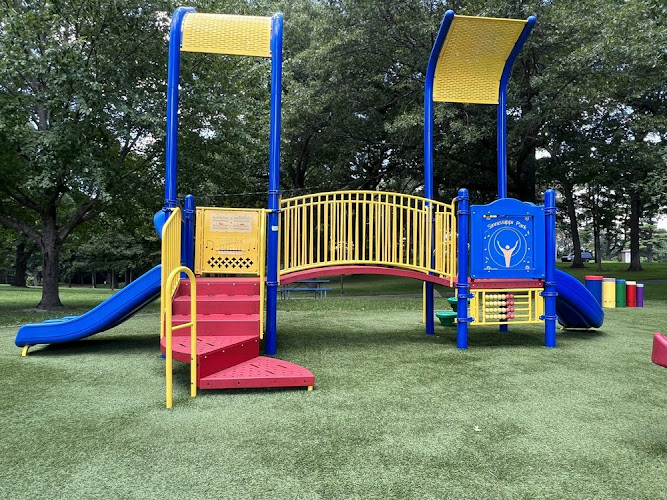
Sinnissippi Park
Blackhawk Springs Forest Preserve
Find Accommodations Nearby
Recommended Tours & Activities
Visitor Reviews
There are no reviews yet. Be the first one to write one.
Share Your Experience
Have you visited Tinker Swiss Cottage Museum and Gardens? Help other travelers by leaving a review.