
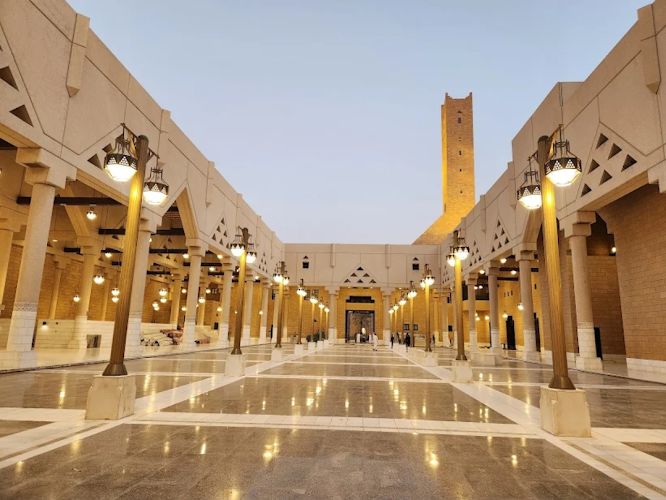
Imam Turki Bin Abdullah Grand Mosque
About Imam Turki Bin Abdullah Grand Mosque
Description
The Imam Turki Bin Abdullah Grand Mosque stands as one of Riyadh’s most defining landmarks—a place where spirituality, history, and architecture come together in the most striking way. Locals often call it the Grand Mosque of Riyadh, and honestly, that name fits perfectly. It’s massive, serene, and carries a quiet dignity that’s hard to describe until you’ve stood beneath its golden-hued lights. The first time I walked through its grand entrance, I remember being struck by the sheer scale of the limestone and marble interior. When the lights hit the walls just right, the whole place glows with this soft, golden warmth—it feels almost otherworldly.
This mosque isn’t just a place of worship; it’s a living piece of Saudi history. Named after Imam Turki bin Abdullah, the founder of the Second Saudi State, it has deep roots in the country’s cultural and religious identity. You can feel that sense of legacy in every arch, every column, and every call to prayer that echoes through its halls. It’s located right next to Al-Hukm Palace, in the heart of the old city center, making it an essential stop for anyone wanting to understand Riyadh’s soul.
What’s lovely about this mosque is how it balances grandeur with accessibility. Whether you’re there for prayer, reflection, or simply to admire the architecture, you’ll find the atmosphere welcoming. The mosque is well-maintained, clean, and thoughtfully designed to accommodate thousands of worshippers, yet it never feels overwhelming. There’s a sense of calm that settles over you as soon as you step inside—a kind of peace that’s hard to find in the buzz of modern Riyadh.
Key Features
- Architectural Grandeur: Built with limestone and marble, the mosque’s interior shimmers under warm lighting, giving it a golden glow that’s simply breathtaking.
- Historical Significance: Named after Imam Turki bin Abdullah, a key figure in Saudi Arabia’s history, it represents both faith and national pride.
- Massive Capacity: The mosque can accommodate up to 17,000 worshippers at once, making it one of the largest in Riyadh.
- Accessibility: Wheelchair-accessible entrances, restrooms, and seating ensure that everyone can comfortably visit and participate in prayers.
- Women’s Prayer Section: A thoughtfully designed area ensures privacy and comfort for female worshippers.
- Modern Amenities: Includes assistive hearing loops, Auracast broadcast audio, and gender-neutral restrooms—showing how tradition and modernity coexist beautifully.
- Prime Location: Located near Al-Hukm Palace and Deera Square, it’s surrounded by Riyadh’s historical and cultural landmarks, making it easy to explore the area before or after your visit.
- Parking Options: Multiple free and paid parking choices—garage, lot, and street—make visiting convenient for both locals and tourists.
What I personally love about this mosque is how it manages to feel both ancient and new at the same time. The architecture pays homage to traditional Saudi design, yet the facilities are modern and inclusive. You’ll notice the soft hum of prayer, the gentle shuffle of people moving to and from the courtyard, and the faint scent of incense that lingers in the air—it’s a sensory experience as much as it is a spiritual one.
Best Time to Visit
If you’re planning a visit, timing really does make a difference. The mosque is open year-round, but I’d say the best time to go is either early morning or just before sunset. During these hours, the sunlight filters through the windows in a way that makes the marble floors and golden walls come alive. It’s breathtaking, really. Fridays are particularly special because of the Jumu’ah prayer—though it can get quite crowded, the energy is something you shouldn’t miss if you want to see the mosque at its most alive.
Weather-wise, Riyadh’s cooler months—from November to March—make for the most comfortable visits. The air is crisp, and you can stroll around the nearby Deera Square or Masmak Fortress without breaking a sweat. I once visited in August, and let’s just say, the heat made me appreciate the mosque’s air-conditioned interior more than ever. So, if you’re not used to Saudi summers, plan accordingly.
How to Get There
Getting to the Imam Turki Bin Abdullah Grand Mosque is pretty straightforward. It’s right in the heart of old Riyadh, in the Ad Dirah district, which is one of the city’s most historic areas. If you’re staying in central Riyadh, a short drive or a quick taxi ride will get you there in no time. For those who prefer public transportation, several bus routes stop nearby, and ride-hailing apps like Uber and Careem are widely available.
If you’re driving, you’ll be glad to know there’s plenty of parking—both free and paid options. I’ve parked in the underground lot before, and it’s surprisingly easy to navigate. Once you step out, you’ll find yourself just a few minutes’ walk from the mosque’s main gate. And if you’re coming from the nearby Deira Souq, it’s an easy stroll—just follow the sound of the call to prayer, and you won’t miss it.
Tips for Visiting
Visiting a mosque, especially one as important as this, comes with a few courtesies and practical tips that’ll make your experience smoother and more meaningful. Here’s what I’ve learned from my own visits and from chatting with locals:
- Dress Modestly: This is a place of worship, so modest clothing is a must. For women, covering the hair with a scarf is respectful, and for men, avoid shorts or sleeveless shirts.
- Remove Your Shoes: You’ll be asked to take off your shoes before entering the prayer hall. There are designated racks, so no worries about where to leave them.
- Respect Prayer Times: Non-Muslim visitors are welcome outside of prayer hours, but it’s best to avoid entering during the main congregational prayers unless you’re participating.
- Photography Etiquette: While the architecture is stunning, always ask before taking photos, especially if worshippers are present. Some areas may have restrictions.
- Quiet Reflection: Even if you’re not there to pray, take a few moments to sit quietly. The atmosphere is incredibly calming—almost meditative.
- Combine Your Visit: Since the mosque is next to Al-Hukm Palace and close to Masmak Fortress, it’s worth making a day of it. You’ll get a real sense of Riyadh’s historical heart.
- Plan for Crowds: During Ramadan or Friday prayers, the mosque fills up quickly. Arrive early to find parking and a comfortable spot inside.
- Accessibility: If you or someone you’re with has mobility needs, the mosque’s wheelchair-friendly design makes it easy to move around. There are ramps, accessible restrooms, and even assistive hearing technology available.
One more small thing—don’t rush your visit. I made that mistake the first time, thinking I’d just “see the mosque” and move on. But once inside, I found myself lingering, watching the light shift across the marble, listening to the soft murmur of prayers. It’s one of those places that rewards stillness.
All in all, the Imam Turki Bin Abdullah Grand Mosque isn’t just a stop on your Riyadh itinerary—it’s an experience that connects you to the city’s heart and history. Whether you’re a traveler seeking cultural insight, a photographer chasing that perfect light, or someone simply curious about the spiritual rhythm of Saudi life, this mosque offers something deeply genuine. And that’s what makes it unforgettable.
Key Features
- Key Features
- Best Time to Visit
- How to Get There
- Tips for Visiting
More Details
Updated November 9, 2025
Table of Contents
- Description
- Key Features
- Best Time to Visit
- How to Get There
- Tips for Visiting
- Key Highlights
- Location
- Places to Stay Near Imam Turki Bin Abdullah Grand Mosque
- Find and Book a Tour
- Explore More Travel Guides
- Nearby Places You Might Like
- Traveler Reviews for Imam Turki Bin Abdullah Grand Mosque
- Share Your Experience
Description
The Imam Turki Bin Abdullah Grand Mosque stands as one of Riyadh’s most defining landmarks—a place where spirituality, history, and architecture come together in the most striking way. Locals often call it the Grand Mosque of Riyadh, and honestly, that name fits perfectly. It’s massive, serene, and carries a quiet dignity that’s hard to describe until you’ve stood beneath its golden-hued lights. The first time I walked through its grand entrance, I remember being struck by the sheer scale of the limestone and marble interior. When the lights hit the walls just right, the whole place glows with this soft, golden warmth—it feels almost otherworldly.
This mosque isn’t just a place of worship; it’s a living piece of Saudi history. Named after Imam Turki bin Abdullah, the founder of the Second Saudi State, it has deep roots in the country’s cultural and religious identity. You can feel that sense of legacy in every arch, every column, and every call to prayer that echoes through its halls. It’s located right next to Al-Hukm Palace, in the heart of the old city center, making it an essential stop for anyone wanting to understand Riyadh’s soul.
What’s lovely about this mosque is how it balances grandeur with accessibility. Whether you’re there for prayer, reflection, or simply to admire the architecture, you’ll find the atmosphere welcoming. The mosque is well-maintained, clean, and thoughtfully designed to accommodate thousands of worshippers, yet it never feels overwhelming. There’s a sense of calm that settles over you as soon as you step inside—a kind of peace that’s hard to find in the buzz of modern Riyadh.
Key Features
- Architectural Grandeur: Built with limestone and marble, the mosque’s interior shimmers under warm lighting, giving it a golden glow that’s simply breathtaking.
- Historical Significance: Named after Imam Turki bin Abdullah, a key figure in Saudi Arabia’s history, it represents both faith and national pride.
- Massive Capacity: The mosque can accommodate up to 17,000 worshippers at once, making it one of the largest in Riyadh.
- Accessibility: Wheelchair-accessible entrances, restrooms, and seating ensure that everyone can comfortably visit and participate in prayers.
- Women’s Prayer Section: A thoughtfully designed area ensures privacy and comfort for female worshippers.
- Modern Amenities: Includes assistive hearing loops, Auracast broadcast audio, and gender-neutral restrooms—showing how tradition and modernity coexist beautifully.
- Prime Location: Located near Al-Hukm Palace and Deera Square, it’s surrounded by Riyadh’s historical and cultural landmarks, making it easy to explore the area before or after your visit.
- Parking Options: Multiple free and paid parking choices—garage, lot, and street—make visiting convenient for both locals and tourists.
What I personally love about this mosque is how it manages to feel both ancient and new at the same time. The architecture pays homage to traditional Saudi design, yet the facilities are modern and inclusive. You’ll notice the soft hum of prayer, the gentle shuffle of people moving to and from the courtyard, and the faint scent of incense that lingers in the air—it’s a sensory experience as much as it is a spiritual one.
Best Time to Visit
If you’re planning a visit, timing really does make a difference. The mosque is open year-round, but I’d say the best time to go is either early morning or just before sunset. During these hours, the sunlight filters through the windows in a way that makes the marble floors and golden walls come alive. It’s breathtaking, really. Fridays are particularly special because of the Jumu’ah prayer—though it can get quite crowded, the energy is something you shouldn’t miss if you want to see the mosque at its most alive.
Weather-wise, Riyadh’s cooler months—from November to March—make for the most comfortable visits. The air is crisp, and you can stroll around the nearby Deera Square or Masmak Fortress without breaking a sweat. I once visited in August, and let’s just say, the heat made me appreciate the mosque’s air-conditioned interior more than ever. So, if you’re not used to Saudi summers, plan accordingly.
How to Get There
Getting to the Imam Turki Bin Abdullah Grand Mosque is pretty straightforward. It’s right in the heart of old Riyadh, in the Ad Dirah district, which is one of the city’s most historic areas. If you’re staying in central Riyadh, a short drive or a quick taxi ride will get you there in no time. For those who prefer public transportation, several bus routes stop nearby, and ride-hailing apps like Uber and Careem are widely available.
If you’re driving, you’ll be glad to know there’s plenty of parking—both free and paid options. I’ve parked in the underground lot before, and it’s surprisingly easy to navigate. Once you step out, you’ll find yourself just a few minutes’ walk from the mosque’s main gate. And if you’re coming from the nearby Deira Souq, it’s an easy stroll—just follow the sound of the call to prayer, and you won’t miss it.
Tips for Visiting
Visiting a mosque, especially one as important as this, comes with a few courtesies and practical tips that’ll make your experience smoother and more meaningful. Here’s what I’ve learned from my own visits and from chatting with locals:
- Dress Modestly: This is a place of worship, so modest clothing is a must. For women, covering the hair with a scarf is respectful, and for men, avoid shorts or sleeveless shirts.
- Remove Your Shoes: You’ll be asked to take off your shoes before entering the prayer hall. There are designated racks, so no worries about where to leave them.
- Respect Prayer Times: Non-Muslim visitors are welcome outside of prayer hours, but it’s best to avoid entering during the main congregational prayers unless you’re participating.
- Photography Etiquette: While the architecture is stunning, always ask before taking photos, especially if worshippers are present. Some areas may have restrictions.
- Quiet Reflection: Even if you’re not there to pray, take a few moments to sit quietly. The atmosphere is incredibly calming—almost meditative.
- Combine Your Visit: Since the mosque is next to Al-Hukm Palace and close to Masmak Fortress, it’s worth making a day of it. You’ll get a real sense of Riyadh’s historical heart.
- Plan for Crowds: During Ramadan or Friday prayers, the mosque fills up quickly. Arrive early to find parking and a comfortable spot inside.
- Accessibility: If you or someone you’re with has mobility needs, the mosque’s wheelchair-friendly design makes it easy to move around. There are ramps, accessible restrooms, and even assistive hearing technology available.
One more small thing—don’t rush your visit. I made that mistake the first time, thinking I’d just “see the mosque” and move on. But once inside, I found myself lingering, watching the light shift across the marble, listening to the soft murmur of prayers. It’s one of those places that rewards stillness.
All in all, the Imam Turki Bin Abdullah Grand Mosque isn’t just a stop on your Riyadh itinerary—it’s an experience that connects you to the city’s heart and history. Whether you’re a traveler seeking cultural insight, a photographer chasing that perfect light, or someone simply curious about the spiritual rhythm of Saudi life, this mosque offers something deeply genuine. And that’s what makes it unforgettable.
Key Highlights
- Key Features
- Best Time to Visit
- How to Get There
- Tips for Visiting
Location
Places to Stay Near Imam Turki Bin Abdullah Grand Mosque
Find and Book a Tour
Explore More Travel Guides
No reviews found! Be the first to review!
Traveler Reviews for Imam Turki Bin Abdullah Grand Mosque
There are no reviews yet. Be the first one to write one.
Have you visited Imam Turki Bin Abdullah Grand Mosque? Help other travelers by sharing your review.
You Might Also Like
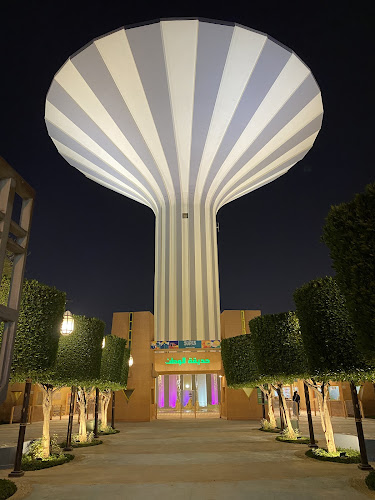
Riyadh Water Tower
Tamimi Markets

Lake Park Riyadh
Find Accommodations Nearby
Recommended Tours & Activities
Visitor Reviews
There are no reviews yet. Be the first one to write one.
Share Your Experience
Have you visited Imam Turki Bin Abdullah Grand Mosque? Help other travelers by leaving a review.