
Sambalpur odisha
About Sambalpur odisha
Description
Sambalpur, tucked in the heart of western Odisha, is one of those places that quietly surprises you. It’s not a city that screams for attention, but the moment you arrive, you feel its rhythm — a kind of calm energy that’s both grounding and inspiring. The town is known for its deep cultural roots, historic temples, and of course, the legendary Sambalpuri handloom that has found admirers across the world. The people here are warm, straightforward, and take immense pride in their heritage. You can sense that pride in every festival, every street-side conversation, and even in the way they prepare their local dishes.
What’s interesting is how Sambalpur balances its old-world charm with modern growth. You’ll find traditional markets buzzing alongside new educational institutions that are shaping the next generation. And yes, among these, there’s a K-12 school that stands out — not just because of academics, but because of its atmosphere. It’s the kind of place where you can actually feel learning happening. The walls are filled with student art, the playground hums with laughter, and teachers seem genuinely invested in each child’s growth. I remember visiting once and being struck by how balanced everything felt — disciplined yet friendly, structured yet full of heart.
The city itself is framed by the majestic Hirakud Dam, one of the longest earthen dams in the world, and the Mahanadi River that flows like a lifeline through the region. There’s a sense of continuity here — between nature, education, and community. It’s easy to see why families choose Sambalpur as a place to settle down and raise their children. The pace is slower than the big metros, but that’s exactly what makes it special. You can breathe here. You can think. You can grow.
Key Features
- Rich cultural heritage with strong roots in Odia traditions and Sambalpuri art forms.
- Home to one of the oldest and most respected educational institutions in the region, offering K-12 education with a focus on holistic development.
- Proximity to iconic attractions like Hirakud Dam, Samaleswari Temple, and Debrigarh Wildlife Sanctuary.
- Known for its handloom industry — Sambalpuri sarees are a must-see (and must-buy) for any visitor.
- Well-connected city infrastructure with a growing educational and economic landscape.
- Peaceful environment ideal for families, students, and travelers seeking authentic cultural experiences.
Best Time to Visit
If you ask locals, they’ll tell you Sambalpur looks its best between October and February. The weather cools down, the skies turn a deep blue, and the evenings are perfect for long walks by the river. The winter months also coincide with some of the region’s most colorful festivals, like Nuakhai — a harvest celebration that brings everyone together in song, dance, and feasting. I once visited during Nuakhai, and honestly, it was unforgettable. The city came alive with music and community spirit.
Summer, on the other hand, can be quite hot (Odisha sun doesn’t play around), but if you can handle the heat, you’ll find fewer tourists and a slower pace that lets you explore at your own rhythm. Monsoons bring lush greenery, especially around the Hirakud reservoir, making it a photographer’s delight. So, depending on what kind of traveler you are — festival chaser, nature lover, or peace-seeker — Sambalpur has a season that will fit you just right.
How to Get There
Getting to Sambalpur isn’t complicated at all. It’s well-connected by road, rail, and air (the nearest major airport being in Jharsuguda, about an hour away). The train journey is particularly scenic — you’ll pass through rolling hills, sleepy villages, and stretches of wild forest that make you want to keep your camera ready.
If you’re driving from Bhubaneswar or Raipur, the highways are in good shape, and the road trip itself is part of the fun. I’ve done that drive a couple of times, and each time I’ve found small roadside eateries serving the kind of food you can’t find anywhere else — spicy pakhal bhata, tangy fish curry, and those melt-in-your-mouth sweets that only Odisha seems to get right. Within the city, auto-rickshaws and local taxis are easy to find, and for short distances, walking is honestly the best way to take in the local vibe.
Tips for Visiting
A few things I’ve learned from my own trips to Sambalpur — and you might find them handy. First, take your time. This isn’t a place you rush through. The best moments happen when you slow down — maybe while sipping tea near the riverbank or chatting with locals in the market. People here love to talk, and they’ll happily tell you stories about the city’s past, its festivals, and even its schools.
Second, if you’re visiting the K-12 school or any educational institution, it’s good to call ahead. Schools here are community spaces, and they often welcome visitors interested in learning about their teaching methods or cultural programs. You might even catch a student performance or exhibition if you’re lucky.
Third, pack light but smart. Comfortable footwear is a must because you’ll end up walking more than you expect. And yes, carry a reusable water bottle — the heat can sneak up on you, especially if you’re exploring during the day.
Lastly, try to experience Sambalpur beyond the usual tourist checklist. Visit a local handloom workshop and watch artisans weave magic with threads. Take a boat ride near Hirakud. Attend a small-town cricket match — trust me, the energy rivals any stadium. And if you’re there during festival time, don’t just watch — join in. Dance, eat, laugh. That’s how you truly understand a place like Sambalpur.
In the end, Sambalpur is more than just a destination — it’s a feeling. A mix of tradition and progress, simplicity and depth. Whether you’re a traveler, a parent looking for good education options, or someone just curious about Odisha’s lesser-known gems, Sambalpur welcomes you with open arms. It’s one of those places that stays with you long after you’ve left — in small memories, in the taste of its food, and in the quiet wisdom of its people.
Key Features
- Rich cultural heritage with strong roots in Odia traditions and Sambalpuri art forms.
- Home to one of the oldest and most respected educational institutions in the region, offering K-12 education with a focus on holistic development.
- Proximity to iconic attractions like Hirakud Dam, Samaleswari Temple, and Debrigarh Wildlife Sanctuary.
- Known for its handloom industry — Sambalpuri sarees are a must-see (and must-buy) for any visitor.
- Well-connected city infrastructure with a growing educational and economic landscape.
- Peaceful environment ideal for families, students, and travelers seeking authentic cultural experiences.
More Details
Updated November 30, 2025
Table of Contents
Description
Sambalpur, tucked in the heart of western Odisha, is one of those places that quietly surprises you. It’s not a city that screams for attention, but the moment you arrive, you feel its rhythm — a kind of calm energy that’s both grounding and inspiring. The town is known for its deep cultural roots, historic temples, and of course, the legendary Sambalpuri handloom that has found admirers across the world. The people here are warm, straightforward, and take immense pride in their heritage. You can sense that pride in every festival, every street-side conversation, and even in the way they prepare their local dishes.
What’s interesting is how Sambalpur balances its old-world charm with modern growth. You’ll find traditional markets buzzing alongside new educational institutions that are shaping the next generation. And yes, among these, there’s a K-12 school that stands out — not just because of academics, but because of its atmosphere. It’s the kind of place where you can actually feel learning happening. The walls are filled with student art, the playground hums with laughter, and teachers seem genuinely invested in each child’s growth. I remember visiting once and being struck by how balanced everything felt — disciplined yet friendly, structured yet full of heart.
The city itself is framed by the majestic Hirakud Dam, one of the longest earthen dams in the world, and the Mahanadi River that flows like a lifeline through the region. There’s a sense of continuity here — between nature, education, and community. It’s easy to see why families choose Sambalpur as a place to settle down and raise their children. The pace is slower than the big metros, but that’s exactly what makes it special. You can breathe here. You can think. You can grow.
Key Features
- Rich cultural heritage with strong roots in Odia traditions and Sambalpuri art forms.
- Home to one of the oldest and most respected educational institutions in the region, offering K-12 education with a focus on holistic development.
- Proximity to iconic attractions like Hirakud Dam, Samaleswari Temple, and Debrigarh Wildlife Sanctuary.
- Known for its handloom industry — Sambalpuri sarees are a must-see (and must-buy) for any visitor.
- Well-connected city infrastructure with a growing educational and economic landscape.
- Peaceful environment ideal for families, students, and travelers seeking authentic cultural experiences.
Best Time to Visit
If you ask locals, they’ll tell you Sambalpur looks its best between October and February. The weather cools down, the skies turn a deep blue, and the evenings are perfect for long walks by the river. The winter months also coincide with some of the region’s most colorful festivals, like Nuakhai — a harvest celebration that brings everyone together in song, dance, and feasting. I once visited during Nuakhai, and honestly, it was unforgettable. The city came alive with music and community spirit.
Summer, on the other hand, can be quite hot (Odisha sun doesn’t play around), but if you can handle the heat, you’ll find fewer tourists and a slower pace that lets you explore at your own rhythm. Monsoons bring lush greenery, especially around the Hirakud reservoir, making it a photographer’s delight. So, depending on what kind of traveler you are — festival chaser, nature lover, or peace-seeker — Sambalpur has a season that will fit you just right.
How to Get There
Getting to Sambalpur isn’t complicated at all. It’s well-connected by road, rail, and air (the nearest major airport being in Jharsuguda, about an hour away). The train journey is particularly scenic — you’ll pass through rolling hills, sleepy villages, and stretches of wild forest that make you want to keep your camera ready.
If you’re driving from Bhubaneswar or Raipur, the highways are in good shape, and the road trip itself is part of the fun. I’ve done that drive a couple of times, and each time I’ve found small roadside eateries serving the kind of food you can’t find anywhere else — spicy pakhal bhata, tangy fish curry, and those melt-in-your-mouth sweets that only Odisha seems to get right. Within the city, auto-rickshaws and local taxis are easy to find, and for short distances, walking is honestly the best way to take in the local vibe.
Tips for Visiting
A few things I’ve learned from my own trips to Sambalpur — and you might find them handy. First, take your time. This isn’t a place you rush through. The best moments happen when you slow down — maybe while sipping tea near the riverbank or chatting with locals in the market. People here love to talk, and they’ll happily tell you stories about the city’s past, its festivals, and even its schools.
Second, if you’re visiting the K-12 school or any educational institution, it’s good to call ahead. Schools here are community spaces, and they often welcome visitors interested in learning about their teaching methods or cultural programs. You might even catch a student performance or exhibition if you’re lucky.
Third, pack light but smart. Comfortable footwear is a must because you’ll end up walking more than you expect. And yes, carry a reusable water bottle — the heat can sneak up on you, especially if you’re exploring during the day.
Lastly, try to experience Sambalpur beyond the usual tourist checklist. Visit a local handloom workshop and watch artisans weave magic with threads. Take a boat ride near Hirakud. Attend a small-town cricket match — trust me, the energy rivals any stadium. And if you’re there during festival time, don’t just watch — join in. Dance, eat, laugh. That’s how you truly understand a place like Sambalpur.
In the end, Sambalpur is more than just a destination — it’s a feeling. A mix of tradition and progress, simplicity and depth. Whether you’re a traveler, a parent looking for good education options, or someone just curious about Odisha’s lesser-known gems, Sambalpur welcomes you with open arms. It’s one of those places that stays with you long after you’ve left — in small memories, in the taste of its food, and in the quiet wisdom of its people.
Key Highlights
- Rich cultural heritage with strong roots in Odia traditions and Sambalpuri art forms.
- Home to one of the oldest and most respected educational institutions in the region, offering K-12 education with a focus on holistic development.
- Proximity to iconic attractions like Hirakud Dam, Samaleswari Temple, and Debrigarh Wildlife Sanctuary.
- Known for its handloom industry — Sambalpuri sarees are a must-see (and must-buy) for any visitor.
- Well-connected city infrastructure with a growing educational and economic landscape.
- Peaceful environment ideal for families, students, and travelers seeking authentic cultural experiences.
Location
Places to Stay Near SAMBALPUR
Find and Book a Tour
Explore More Travel Guides
No reviews found! Be the first to review!
Traveler Reviews for Sambalpur odisha
There are no reviews yet. Be the first one to write one.
Have you visited Sambalpur odisha? Help other travelers by sharing your review.
You Might Also Like
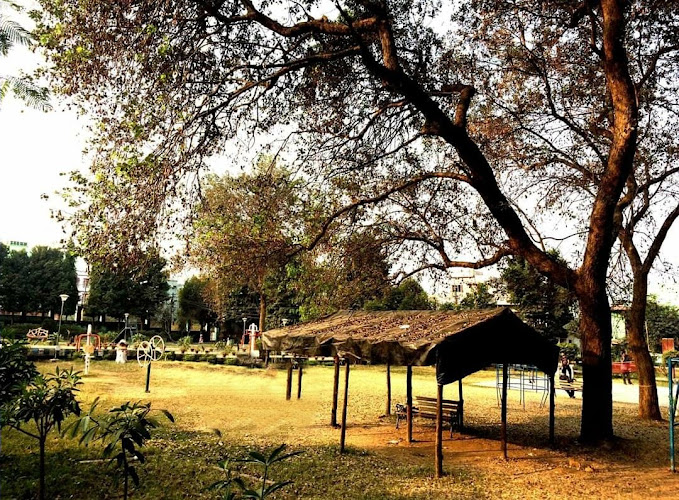
Bhimabhoi Park

Budharaja Hill

Budharaja
Find Accommodations Nearby
Recommended Tours & Activities
Visitor Reviews
There are no reviews yet. Be the first one to write one.
Share Your Experience
Have you visited Sambalpur odisha? Help other travelers by leaving a review.