
Village artisanal de Maroua
About Village artisanal de Maroua
Description
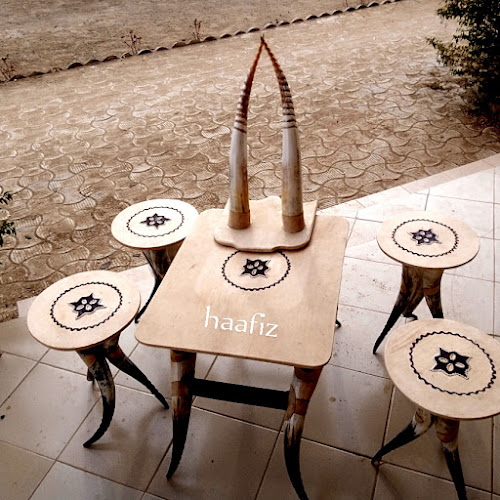
The Village artisanal de Maroua is one of those places that quietly grabs your attention and keeps it. Tucked in the heart of Maroua, this gift shop and handicraft center is not just about buying souvenirs—it’s about stepping into a space where local creativity hums in every corner. The air smells faintly of wood shavings and leather, and you can almost hear the rhythm of hands weaving, carving, and shaping stories into objects. It’s a spot where tradition and artistry meet, and even if you’re not a big shopper, you’ll find yourself lingering longer than you planned.
What makes it special, at least in my opinion, is how genuine it feels. There’s no flashy marketing or pushy sales talk here—just artisans who take pride in their craft. You’ll find all sorts of handmade treasures: woven baskets, leather sandals, carved masks, colorful fabrics, and jewelry that feels like it carries a bit of the desert’s warmth in its beads. Every piece seems to whisper something about the people who made it, their culture, and their patience. I remember chatting with one craftsman who told me he’d learned his trade from his father, who learned it from his grandfather. That kind of continuity is rare these days, and it gives the place a quiet weight of authenticity.
Sure, not everything is perfect—some items might look a bit rough around the edges, and that’s actually part of the charm. You can tell these aren’t factory-made products. Each imperfection adds character, a reminder that these are made by real people, not machines. Whether you’re hunting for a unique souvenir or just curious about local artistry, the Village artisanal de Maroua gives you both an experience and a story to take home.
Key Features
- Wide range of locally made handicrafts including leather goods, pottery, and textiles
- Friendly artisans who are often happy to demonstrate their craft or explain techniques
- Options for delivery and in-store pickup for convenience
- Ideal for a quick visit if you’re short on time but still want a taste of local craftsmanship
- Authentic handmade gifts that reflect the cultural identity of northern Cameroon
- Flexible bargaining culture—prices are often negotiable, adding a personal touch to every purchase
Best Time to Visit
If you ask me, mornings are the best time to visit. The air is cooler, the artisans are just setting up, and you can watch them work without the rush of afternoon visitors. The light filtering through the workshop roofs gives everything a soft glow, perfect for photos. Weather-wise, Maroua can get pretty hot, especially from February to May, so if you’re not a fan of the heat, plan your trip between November and February when temperatures are more forgiving.
During local festivals, the energy around the village changes completely—more color, more music, more laughter. It’s during those times that the crafts seem to come alive, almost as if they’re part of the celebration themselves. Even if you’re not there for a festival, there’s always a quiet buzz of activity that makes you feel connected to the heartbeat of the community.
How to Get There
Reaching the Village artisanal de Maroua is fairly straightforward once you’re in Maroua. Most travelers arrive by road, often from Garoua or Ngaoundéré, and the drive itself is an adventure—long stretches of savanna, baobab trees, and the occasional herd of cattle crossing your path. If you’re flying into the region, the Maroua-Salak Airport is the nearest hub, and from there, it’s just a short ride by taxi or moto-taxi into the city center.
The shop isn’t hard to find—ask any local about the “village artisanal,” and they’ll point you in the right direction. It’s a well-known spot, especially among guides and hotel staff who often recommend it to visitors looking for authentic souvenirs. Just be prepared for a bit of dust on the roads (it’s part of the charm, honestly), and keep some small change handy for local transport.
Tips for Visiting
First off, take your time. It’s tempting to rush through, especially if you’re on a tight schedule, but half the fun of visiting the Village artisanal de Maroua is in the conversations you’ll have. Ask questions. Compliment the work. The artisans appreciate genuine curiosity, and you’ll often get a deeper understanding of the culture just by listening.
Bring cash, preferably smaller bills. While some vendors might accept mobile payments, most transactions are still done the old-fashioned way. And don’t be shy about bargaining—it’s expected and even part of the fun. Just keep it friendly and fair; remember, every franc you spend supports a local family.
If you’re planning to buy larger items like sculptures or woven baskets, check with your airline about luggage allowances before you go. Some travelers I’ve met ended up shipping their purchases home, which is possible but can take time. Also, wear comfortable shoes; you’ll be walking on uneven ground, and the midday sun can be relentless, so a hat and water bottle are must-haves.
One more thing—take photos, but always ask first. Some artisans are proud to have their work photographed, while others prefer privacy. A polite request goes a long way. And if you’re lucky, you might even be invited to try your hand at a bit of weaving or carving. I once gave it a shot, and let’s just say my “art” didn’t quite make the display shelf—but it made for a great story.
In the end, what makes the Village artisanal de Maroua so memorable isn’t just the crafts you buy, but the people you meet and the stories you take with you. It’s a reminder that souvenirs aren’t just objects—they’re pieces of someone’s time, skill, and spirit. So, if you ever find yourself wandering through Maroua, make sure to stop by. You might walk in as a tourist, but you’ll leave feeling a little more connected to the soul of Cameroon.
Key Features
- Wide range of locally made handicrafts including leather goods, pottery, and textiles
- Friendly artisans who are often happy to demonstrate their craft or explain techniques
- Options for delivery and in-store pickup for convenience
- Ideal for a quick visit if you’re short on time but still want a taste of local craftsmanship
- Authentic handmade gifts that reflect the cultural identity of northern Cameroon
- Flexible bargaining culture—prices are often negotiable, adding a personal touch to every purchase
More Details
Updated November 30, 2025
Table of Contents
Description
The Village artisanal de Maroua is one of those places that quietly grabs your attention and keeps it. Tucked in the heart of Maroua, this gift shop and handicraft center is not just about buying souvenirs—it’s about stepping into a space where local creativity hums in every corner. The air smells faintly of wood shavings and leather, and you can almost hear the rhythm of hands weaving, carving, and shaping stories into objects. It’s a spot where tradition and artistry meet, and even if you’re not a big shopper, you’ll find yourself lingering longer than you planned.
What makes it special, at least in my opinion, is how genuine it feels. There’s no flashy marketing or pushy sales talk here—just artisans who take pride in their craft. You’ll find all sorts of handmade treasures: woven baskets, leather sandals, carved masks, colorful fabrics, and jewelry that feels like it carries a bit of the desert’s warmth in its beads. Every piece seems to whisper something about the people who made it, their culture, and their patience. I remember chatting with one craftsman who told me he’d learned his trade from his father, who learned it from his grandfather. That kind of continuity is rare these days, and it gives the place a quiet weight of authenticity.
Sure, not everything is perfect—some items might look a bit rough around the edges, and that’s actually part of the charm. You can tell these aren’t factory-made products. Each imperfection adds character, a reminder that these are made by real people, not machines. Whether you’re hunting for a unique souvenir or just curious about local artistry, the Village artisanal de Maroua gives you both an experience and a story to take home.
Key Features
- Wide range of locally made handicrafts including leather goods, pottery, and textiles
- Friendly artisans who are often happy to demonstrate their craft or explain techniques
- Options for delivery and in-store pickup for convenience
- Ideal for a quick visit if you’re short on time but still want a taste of local craftsmanship
- Authentic handmade gifts that reflect the cultural identity of northern Cameroon
- Flexible bargaining culture—prices are often negotiable, adding a personal touch to every purchase
Best Time to Visit
If you ask me, mornings are the best time to visit. The air is cooler, the artisans are just setting up, and you can watch them work without the rush of afternoon visitors. The light filtering through the workshop roofs gives everything a soft glow, perfect for photos. Weather-wise, Maroua can get pretty hot, especially from February to May, so if you’re not a fan of the heat, plan your trip between November and February when temperatures are more forgiving.
During local festivals, the energy around the village changes completely—more color, more music, more laughter. It’s during those times that the crafts seem to come alive, almost as if they’re part of the celebration themselves. Even if you’re not there for a festival, there’s always a quiet buzz of activity that makes you feel connected to the heartbeat of the community.
How to Get There
Reaching the Village artisanal de Maroua is fairly straightforward once you’re in Maroua. Most travelers arrive by road, often from Garoua or Ngaoundéré, and the drive itself is an adventure—long stretches of savanna, baobab trees, and the occasional herd of cattle crossing your path. If you’re flying into the region, the Maroua-Salak Airport is the nearest hub, and from there, it’s just a short ride by taxi or moto-taxi into the city center.
The shop isn’t hard to find—ask any local about the “village artisanal,” and they’ll point you in the right direction. It’s a well-known spot, especially among guides and hotel staff who often recommend it to visitors looking for authentic souvenirs. Just be prepared for a bit of dust on the roads (it’s part of the charm, honestly), and keep some small change handy for local transport.
Tips for Visiting
First off, take your time. It’s tempting to rush through, especially if you’re on a tight schedule, but half the fun of visiting the Village artisanal de Maroua is in the conversations you’ll have. Ask questions. Compliment the work. The artisans appreciate genuine curiosity, and you’ll often get a deeper understanding of the culture just by listening.
Bring cash, preferably smaller bills. While some vendors might accept mobile payments, most transactions are still done the old-fashioned way. And don’t be shy about bargaining—it’s expected and even part of the fun. Just keep it friendly and fair; remember, every franc you spend supports a local family.
If you’re planning to buy larger items like sculptures or woven baskets, check with your airline about luggage allowances before you go. Some travelers I’ve met ended up shipping their purchases home, which is possible but can take time. Also, wear comfortable shoes; you’ll be walking on uneven ground, and the midday sun can be relentless, so a hat and water bottle are must-haves.
One more thing—take photos, but always ask first. Some artisans are proud to have their work photographed, while others prefer privacy. A polite request goes a long way. And if you’re lucky, you might even be invited to try your hand at a bit of weaving or carving. I once gave it a shot, and let’s just say my “art” didn’t quite make the display shelf—but it made for a great story.
In the end, what makes the Village artisanal de Maroua so memorable isn’t just the crafts you buy, but the people you meet and the stories you take with you. It’s a reminder that souvenirs aren’t just objects—they’re pieces of someone’s time, skill, and spirit. So, if you ever find yourself wandering through Maroua, make sure to stop by. You might walk in as a tourist, but you’ll leave feeling a little more connected to the soul of Cameroon.
Key Highlights
- Wide range of locally made handicrafts including leather goods, pottery, and textiles
- Friendly artisans who are often happy to demonstrate their craft or explain techniques
- Options for delivery and in-store pickup for convenience
- Ideal for a quick visit if you’re short on time but still want a taste of local craftsmanship
- Authentic handmade gifts that reflect the cultural identity of northern Cameroon
- Flexible bargaining culture—prices are often negotiable, adding a personal touch to every purchase
Location
Places to Stay Near Village artisanal de Maroua
Find and Book a Tour
Explore More Travel Guides
No reviews found! Be the first to review!
Traveler Reviews for Village artisanal de Maroua
There are no reviews yet. Be the first one to write one.
Have you visited Village artisanal de Maroua? Help other travelers by sharing your review.
You Might Also Like

Maroua

Lougguéo
LE NOUMOU
Find Accommodations Nearby
Recommended Tours & Activities
Visitor Reviews
There are no reviews yet. Be the first one to write one.
Share Your Experience
Have you visited Village artisanal de Maroua? Help other travelers by leaving a review.