
Baba Pyare Caves
About Baba Pyare Caves
Description
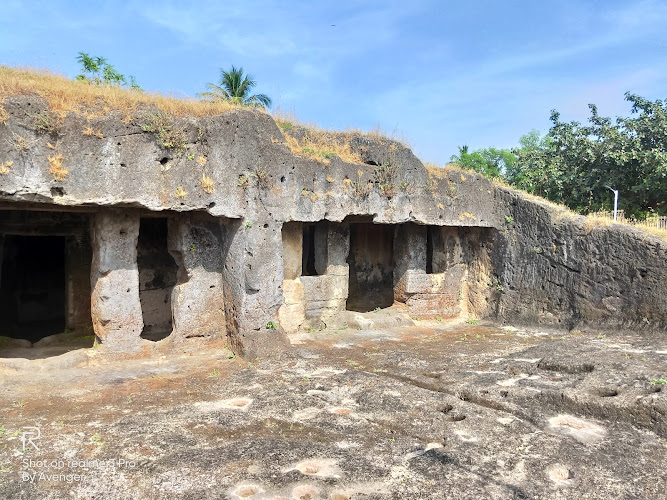
The Baba Pyare Caves, sometimes called Bava Pyara Caves, are one of those places that quietly surprise you. They sit on the eastern side of Junagadh, Gujarat, carved into the rocky hills that have witnessed centuries of stories. These caves are part of the larger Junagadh Buddhist Cave Groups, which date back roughly between the 1st and 4th centuries CE—yeah, that’s ancient enough to make you pause and imagine monks meditating here long before modern life buzzed around.
When you step into the site, the first thing that hits you is the calm. There’s something about the way the light filters through the rock openings, bouncing off the weathered carvings, that feels almost sacred. It’s not the kind of tourist spot where you rush through snapping photos; it’s more of a slow wander, a place that invites you to linger. The caves are thought to have been used by Buddhist monks for meditation and prayer, and you can still sense that quiet devotion in the air.
Architecturally, the caves are fascinating. They consist of a series of chambers, chaitya halls (prayer halls), and viharas (monk cells), all carved out of solid rock. You can spot traces of intricate carvings—floral motifs, pillars, and even remnants of sculptures that once adorned the walls. Some of the rock-cut benches and cisterns still remain, showing how cleverly the ancient builders adapted the caves for daily living and spiritual practice.
I remember visiting one humid afternoon, and the temperature inside the caves dropped instantly—a natural air conditioning system, courtesy of ancient engineering. It’s not flashy or overly restored, which is honestly part of its charm. You can still see the rough tool marks left by the craftsmen, and that rawness makes it feel more authentic. Sure, it’s not as polished as some of the bigger sites like Ajanta or Ellora, but that’s exactly why it feels special. It hasn’t been overrun or over-commercialized.
Most travelers find the caves peaceful and historically rich, though a few note the need for better maintenance. Still, the sense of stepping back in time outweighs any minor inconveniences. The site is relatively quiet, which makes it perfect for those who prefer exploring at their own pace, without the crowds.
Key Features
- Ancient Buddhist Heritage: The caves date back to between the 1st and 4th centuries CE, representing early Buddhist monastic architecture in Gujarat.
- Rock-Cut Architecture: Intricately carved chaitya halls, viharas, and rock benches that showcase early craftsmanship and design.
- Peaceful Ambience: A tranquil environment ideal for meditation, reflection, and photography.
- Historical Significance: Part of the Junagadh Buddhist Cave Group, offering insights into the spread of Buddhism in western India.
- Natural Cooling: The caves maintain a pleasantly cool temperature even during hot summer days.
- Accessibility: Located close to central Junagadh, making it easy to include in a day’s itinerary with other nearby attractions like Uparkot Fort.
- Family Friendly: Safe and interesting for kids to explore, with open areas and gentle walking paths.
- Restroom Facilities: Basic amenities are available, which is always a relief during long sightseeing trips.
Best Time to Visit
If you ask me, the best time to visit the Baba Pyare Caves is between November and February. The weather in Junagadh around that time is comfortably cool—perfect for walking around without breaking a sweat. The mornings are crisp, and the afternoons are warm enough to enjoy the sun without feeling drained.
Summers, on the other hand, can be pretty intense. The rocks absorb heat, and although the caves themselves stay cool inside, getting there under the blazing sun can be a test of endurance. I once went in early May (bad idea), and let’s just say I spent more time hiding in the shade than exploring. Monsoon season, from June to September, paints everything green and fresh, but the paths can get slippery. If you’re into photography, though, that post-rain glow is unbeatable.
So, if you want the best experience, plan a morning or late afternoon visit in winter. The lighting is perfect for photos, and you’ll avoid the midday glare. Plus, the atmosphere just feels more serene when the day is cool and quiet.
How to Get There
Reaching the Baba Pyare Caves is fairly straightforward if you’re already in Junagadh. The city is well-connected by road and rail, with frequent trains and buses coming in from major cities like Ahmedabad, Rajkot, and Somnath. Once you’re in Junagadh, you can hire a local taxi, auto-rickshaw, or even a rental scooter to get to the caves. The ride is short and scenic, passing through parts of the city that still carry an old-world charm.
If you’re the kind who likes to plan ahead, I’d suggest starting early in the morning. The roads are quieter, and you’ll have the site mostly to yourself. Parking is available nearby, though space can be limited on weekends. For those who love walking, it’s possible to combine the caves with a visit to Uparkot Fort and other nearby landmarks—they’re all within a reasonable distance.
Traveling from outside Gujarat? The nearest airport is in Rajkot, about 100 kilometers away. From there, you can take a cab or hop on a train to Junagadh. It’s a comfortable journey, and the changing landscape along the way—from city bustle to rural calm—adds to the experience.
Tips for Visiting
Let’s be honest, exploring historical sites like Baba Pyare Caves isn’t just about ticking boxes—it’s about soaking in the atmosphere and connecting with the past. Here are a few tips from my own visit (and a few lessons learned the hard way).
- Go Early: The caves open around 8 AM, and mornings are the best time to enjoy the peace before tour groups arrive.
- Bring Water: There’s limited shade outside the caves, and you’ll need to stay hydrated, especially in warmer months.
- Wear Comfortable Shoes: The terrain is rocky and uneven in spots, so good footwear makes a big difference.
- Respect the Site: These caves are ancient and fragile. Avoid touching carvings or leaving any marks behind.
- Photography: Natural light works beautifully here. Early morning or late afternoon sunlight creates dramatic shadows on the stone walls.
- Combine with Other Attractions: Since you’re already in Junagadh, consider visiting Uparkot Fort, Mahabat Maqbara, or Girnar Hill for a full day of exploration.
- Local Guides: Hiring a local guide can really enhance your visit. They often share legends and stories you won’t find in guidebooks.
- For Families: Kids will enjoy exploring the caves’ chambers, and the open layout makes it safe and easy for families to move around.
One small thing I’d add—don’t rush. Sit for a while inside one of the chambers. Listen to the faint echoes, the rustle of leaves outside, maybe the distant chatter of birds. It’s a rare feeling, being surrounded by so much history and yet feeling completely at peace.
The Baba Pyare Caves might not be the most famous tourist attraction in India, but that’s exactly what makes them worth visiting. They offer a glimpse into a quieter, older world—one where time seems to move a little slower. And honestly, in today’s fast-paced life, that’s a gift in itself.
Key Features
- Key Features
- Best Time to Visit
- How to Get There
- Tips for Visiting
More Details
Updated November 30, 2025
Table of Contents
Description
The Baba Pyare Caves, sometimes called Bava Pyara Caves, are one of those places that quietly surprise you. They sit on the eastern side of Junagadh, Gujarat, carved into the rocky hills that have witnessed centuries of stories. These caves are part of the larger Junagadh Buddhist Cave Groups, which date back roughly between the 1st and 4th centuries CE—yeah, that’s ancient enough to make you pause and imagine monks meditating here long before modern life buzzed around.
When you step into the site, the first thing that hits you is the calm. There’s something about the way the light filters through the rock openings, bouncing off the weathered carvings, that feels almost sacred. It’s not the kind of tourist spot where you rush through snapping photos; it’s more of a slow wander, a place that invites you to linger. The caves are thought to have been used by Buddhist monks for meditation and prayer, and you can still sense that quiet devotion in the air.
Architecturally, the caves are fascinating. They consist of a series of chambers, chaitya halls (prayer halls), and viharas (monk cells), all carved out of solid rock. You can spot traces of intricate carvings—floral motifs, pillars, and even remnants of sculptures that once adorned the walls. Some of the rock-cut benches and cisterns still remain, showing how cleverly the ancient builders adapted the caves for daily living and spiritual practice.
I remember visiting one humid afternoon, and the temperature inside the caves dropped instantly—a natural air conditioning system, courtesy of ancient engineering. It’s not flashy or overly restored, which is honestly part of its charm. You can still see the rough tool marks left by the craftsmen, and that rawness makes it feel more authentic. Sure, it’s not as polished as some of the bigger sites like Ajanta or Ellora, but that’s exactly why it feels special. It hasn’t been overrun or over-commercialized.
Most travelers find the caves peaceful and historically rich, though a few note the need for better maintenance. Still, the sense of stepping back in time outweighs any minor inconveniences. The site is relatively quiet, which makes it perfect for those who prefer exploring at their own pace, without the crowds.
Key Features
- Ancient Buddhist Heritage: The caves date back to between the 1st and 4th centuries CE, representing early Buddhist monastic architecture in Gujarat.
- Rock-Cut Architecture: Intricately carved chaitya halls, viharas, and rock benches that showcase early craftsmanship and design.
- Peaceful Ambience: A tranquil environment ideal for meditation, reflection, and photography.
- Historical Significance: Part of the Junagadh Buddhist Cave Group, offering insights into the spread of Buddhism in western India.
- Natural Cooling: The caves maintain a pleasantly cool temperature even during hot summer days.
- Accessibility: Located close to central Junagadh, making it easy to include in a day’s itinerary with other nearby attractions like Uparkot Fort.
- Family Friendly: Safe and interesting for kids to explore, with open areas and gentle walking paths.
- Restroom Facilities: Basic amenities are available, which is always a relief during long sightseeing trips.
Best Time to Visit
If you ask me, the best time to visit the Baba Pyare Caves is between November and February. The weather in Junagadh around that time is comfortably cool—perfect for walking around without breaking a sweat. The mornings are crisp, and the afternoons are warm enough to enjoy the sun without feeling drained.
Summers, on the other hand, can be pretty intense. The rocks absorb heat, and although the caves themselves stay cool inside, getting there under the blazing sun can be a test of endurance. I once went in early May (bad idea), and let’s just say I spent more time hiding in the shade than exploring. Monsoon season, from June to September, paints everything green and fresh, but the paths can get slippery. If you’re into photography, though, that post-rain glow is unbeatable.
So, if you want the best experience, plan a morning or late afternoon visit in winter. The lighting is perfect for photos, and you’ll avoid the midday glare. Plus, the atmosphere just feels more serene when the day is cool and quiet.
How to Get There
Reaching the Baba Pyare Caves is fairly straightforward if you’re already in Junagadh. The city is well-connected by road and rail, with frequent trains and buses coming in from major cities like Ahmedabad, Rajkot, and Somnath. Once you’re in Junagadh, you can hire a local taxi, auto-rickshaw, or even a rental scooter to get to the caves. The ride is short and scenic, passing through parts of the city that still carry an old-world charm.
If you’re the kind who likes to plan ahead, I’d suggest starting early in the morning. The roads are quieter, and you’ll have the site mostly to yourself. Parking is available nearby, though space can be limited on weekends. For those who love walking, it’s possible to combine the caves with a visit to Uparkot Fort and other nearby landmarks—they’re all within a reasonable distance.
Traveling from outside Gujarat? The nearest airport is in Rajkot, about 100 kilometers away. From there, you can take a cab or hop on a train to Junagadh. It’s a comfortable journey, and the changing landscape along the way—from city bustle to rural calm—adds to the experience.
Tips for Visiting
Let’s be honest, exploring historical sites like Baba Pyare Caves isn’t just about ticking boxes—it’s about soaking in the atmosphere and connecting with the past. Here are a few tips from my own visit (and a few lessons learned the hard way).
- Go Early: The caves open around 8 AM, and mornings are the best time to enjoy the peace before tour groups arrive.
- Bring Water: There’s limited shade outside the caves, and you’ll need to stay hydrated, especially in warmer months.
- Wear Comfortable Shoes: The terrain is rocky and uneven in spots, so good footwear makes a big difference.
- Respect the Site: These caves are ancient and fragile. Avoid touching carvings or leaving any marks behind.
- Photography: Natural light works beautifully here. Early morning or late afternoon sunlight creates dramatic shadows on the stone walls.
- Combine with Other Attractions: Since you’re already in Junagadh, consider visiting Uparkot Fort, Mahabat Maqbara, or Girnar Hill for a full day of exploration.
- Local Guides: Hiring a local guide can really enhance your visit. They often share legends and stories you won’t find in guidebooks.
- For Families: Kids will enjoy exploring the caves’ chambers, and the open layout makes it safe and easy for families to move around.
One small thing I’d add—don’t rush. Sit for a while inside one of the chambers. Listen to the faint echoes, the rustle of leaves outside, maybe the distant chatter of birds. It’s a rare feeling, being surrounded by so much history and yet feeling completely at peace.
The Baba Pyare Caves might not be the most famous tourist attraction in India, but that’s exactly what makes them worth visiting. They offer a glimpse into a quieter, older world—one where time seems to move a little slower. And honestly, in today’s fast-paced life, that’s a gift in itself.
Key Highlights
- Key Features
- Best Time to Visit
- How to Get There
- Tips for Visiting
Location
Places to Stay Near Baba Pyare Caves
Find and Book a Tour
Explore More Travel Guides
No reviews found! Be the first to review!
Traveler Reviews for Baba Pyare Caves
There are no reviews yet. Be the first one to write one.
Have you visited Baba Pyare Caves? Help other travelers by sharing your review.
You Might Also Like

Shahid Park

Uparkot Fort
Mahabat Maqbara Palace
Find Accommodations Nearby
Recommended Tours & Activities
Visitor Reviews
There are no reviews yet. Be the first one to write one.
Share Your Experience
Have you visited Baba Pyare Caves? Help other travelers by leaving a review.