
Step Pyramid of Djoser
About Step Pyramid of Djoser
Description
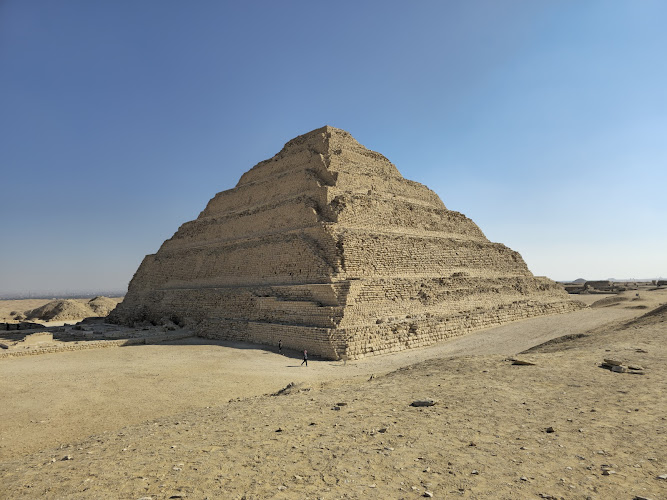
The Step Pyramid of Djoser in Saqqara is one of those places that quietly takes your breath away, not because it’s flashy or polished, but because it feels ancient in the truest sense of the word. Built over 4,600 years ago for Pharaoh Djoser by his brilliant architect Imhotep, this six-tiered pyramid wasn’t just Egypt’s first pyramid—it was humanity’s first large-scale stone monument. Standing before it, you can almost feel the weight of time pressing down, the same way the desert sun does when you’ve been wandering around too long without a hat (trust me, bring one).
Unlike the smooth-sided pyramids of Giza that came later, Djoser’s pyramid looks like a giant staircase reaching for the heavens. That’s no coincidence—it symbolized the pharaoh’s spiritual ascent to the afterlife, a kind of cosmic ladder. The structure originally started as a simple mastaba (a flat-roofed tomb), but Imhotep’s genius turned it into a revolutionary design of six stacked layers, each smaller than the one below. The result? A monument that changed architecture forever.
Walking through the surrounding mortuary complex, you’ll find courtyards, shrines, and temples that once hosted elaborate rituals meant to ensure Djoser’s eternal life. Some walls still bear traces of intricate carvings and hieroglyphs—faded, yes, but still whispering stories of devotion and divine power. And while parts of the complex have been restored, much of it remains beautifully raw, like a desert memory that refuses to fade.
For travelers who love history that feels tangible, this place is gold. It’s quieter than Giza, which means you can actually pause and listen to the wind sweep over the stone. You can picture priests performing ceremonies, or imagine Imhotep pacing around, sketching out designs that would inspire millennia of builders after him. Sure, the heat can be intense, and there’s a bit of dust (okay, a lot), but that’s part of the charm. The Step Pyramid isn’t just an attraction—it’s a conversation with the past.
Key Features
- First of its kind: The Step Pyramid is the world’s earliest large-scale stone structure, marking the dawn of monumental architecture.
- Architectural marvel: Designed by Imhotep, often considered the first recorded architect and engineer in history.
- Six-step design: The pyramid rises in six distinct tiers, symbolizing Djoser’s spiritual journey to the heavens.
- Mortuary complex: Includes temples, courtyards, and ceremonial spaces used for ancient rituals.
- Saqqara necropolis: The pyramid sits within Saqqara, Egypt’s oldest royal burial ground, filled with tombs spanning dynasties.
- Restoration efforts: Recently reopened after extensive conservation work, allowing visitors to explore inner chambers and corridors.
- Photographic paradise: The contrast between the golden limestone and the deep blue sky is simply unforgettable.
Best Time to Visit
If there’s one thing I’ve learned from wandering around Egypt’s ancient sites, it’s that timing matters—a lot. The best time to visit the Step Pyramid of Djoser is during the cooler months, from October to April. The temperatures are manageable, hovering between 20°C and 28°C, which makes exploring much more pleasant. The light during early morning or late afternoon is magical; the pyramid glows like it’s on fire when the sun hits it just right.
Summer, on the other hand, can be brutal. We’re talking about 40°C-plus days with barely any shade. You can still visit, of course, but you’ll need water, sunscreen, and a good hat (and maybe a bit of stubbornness). The crowds are smaller in summer, though, so if you prefer solitude and don’t mind the heat, that’s your trade-off. Personally, I’d pick a crisp winter morning every time—cool air, soft light, and fewer selfie sticks in the background.
How to Get There
Getting to the Step Pyramid isn’t complicated, but it helps to plan ahead. Saqqara lies about 30 kilometers south of Cairo, and the drive usually takes around 45 minutes to an hour depending on traffic (and Cairo traffic can be… well, unpredictable). Most travelers either book a guided tour or hire a private driver for the day. I’d recommend the latter if you like flexibility—you can stop at other nearby sites like the Pyramid of Unas or the Serapeum.
Public transportation isn’t the easiest option here, and taxis can sometimes be tricky to arrange for the return trip, especially if you don’t speak Arabic. Ride-hailing apps like Uber work in Cairo but may not always reach Saqqara. So, if you go independently, make sure you’ve got your ride sorted for the way back. Parking is available near the entrance, and yes, there’s paid parking for both cars and buses.
If you’re staying in Giza, it’s even closer—roughly a 30-minute drive. Many hotels can help arrange day trips that include Saqqara, Dahshur, and even Memphis, giving you a full sweep of Egypt’s early pyramid evolution in one go. And honestly, that’s one of the most rewarding day trips you can take in Egypt—it’s like watching history unfold in real time.
Tips for Visiting
Visiting the Step Pyramid of Djoser is one of those experiences that stays with you, but a few practical tips can make it even better. Based on my own time there (and a few rookie mistakes), here’s what I’d suggest:
- Go early: Arrive as soon as the site opens. The morning light is perfect for photos, and the temperature is still bearable.
- Dress smart: Lightweight, breathable clothing and comfortable shoes are essential. The sand gets everywhere, so skip the fancy footwear.
- Bring water: There are limited facilities inside the complex, and dehydration sneaks up faster than you think.
- Hire a guide: A knowledgeable local guide can bring the site to life with stories and details you’d easily miss otherwise. Many speak excellent English and have fascinating insights about Imhotep and Djoser’s reign.
- Photography etiquette: You can take photos freely outside, but flash photography or tripods might be restricted inside certain areas. Always ask first.
- Accessibility: The main paths are fairly level, and there’s wheelchair-accessible parking. Some inner areas, though, have uneven ground and narrow passageways.
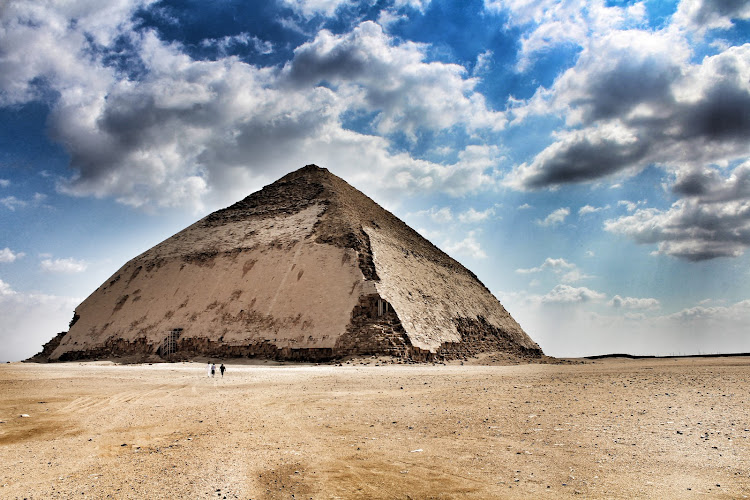
- Combine your visit: Pair your trip with nearby Dahshur (home of the Bent and Red Pyramids) for a deeper understanding of Egypt’s architectural evolution.
- Respect the site: It’s a living piece of history, not just a photo backdrop. Avoid touching carvings or climbing on any structures—preservation matters.
And one more thing—take a moment to just stand there in silence. It’s easy to get caught up snapping photos or reading plaques, but when you pause, you realize this place has stood for nearly five millennia. The same sun that warms your face once shone on the workers who built it, on Djoser himself, and on countless travelers before you. There’s something grounding about that.
If you’re a history buff, an architecture lover, or simply someone who appreciates places that make you feel small in the best possible way, the Step Pyramid of Djoser is a must-see. It’s not just a monument—it’s a story carved in stone, a reminder of human ambition and creativity that still echoes across the sands of Saqqara. And once you’ve seen it, you’ll understand why so many travelers walk away in awe, dust on their shoes and wonder in their eyes.
Key Features
- Key Features
- Best Time to Visit
- How to Get There
- Tips for Visiting
More Details
Updated December 1, 2025
Table of Contents
Description
The Step Pyramid of Djoser in Saqqara is one of those places that quietly takes your breath away, not because it’s flashy or polished, but because it feels ancient in the truest sense of the word. Built over 4,600 years ago for Pharaoh Djoser by his brilliant architect Imhotep, this six-tiered pyramid wasn’t just Egypt’s first pyramid—it was humanity’s first large-scale stone monument. Standing before it, you can almost feel the weight of time pressing down, the same way the desert sun does when you’ve been wandering around too long without a hat (trust me, bring one).
Unlike the smooth-sided pyramids of Giza that came later, Djoser’s pyramid looks like a giant staircase reaching for the heavens. That’s no coincidence—it symbolized the pharaoh’s spiritual ascent to the afterlife, a kind of cosmic ladder. The structure originally started as a simple mastaba (a flat-roofed tomb), but Imhotep’s genius turned it into a revolutionary design of six stacked layers, each smaller than the one below. The result? A monument that changed architecture forever.
Walking through the surrounding mortuary complex, you’ll find courtyards, shrines, and temples that once hosted elaborate rituals meant to ensure Djoser’s eternal life. Some walls still bear traces of intricate carvings and hieroglyphs—faded, yes, but still whispering stories of devotion and divine power. And while parts of the complex have been restored, much of it remains beautifully raw, like a desert memory that refuses to fade.
For travelers who love history that feels tangible, this place is gold. It’s quieter than Giza, which means you can actually pause and listen to the wind sweep over the stone. You can picture priests performing ceremonies, or imagine Imhotep pacing around, sketching out designs that would inspire millennia of builders after him. Sure, the heat can be intense, and there’s a bit of dust (okay, a lot), but that’s part of the charm. The Step Pyramid isn’t just an attraction—it’s a conversation with the past.
Key Features
- First of its kind: The Step Pyramid is the world’s earliest large-scale stone structure, marking the dawn of monumental architecture.
- Architectural marvel: Designed by Imhotep, often considered the first recorded architect and engineer in history.
- Six-step design: The pyramid rises in six distinct tiers, symbolizing Djoser’s spiritual journey to the heavens.
- Mortuary complex: Includes temples, courtyards, and ceremonial spaces used for ancient rituals.
- Saqqara necropolis: The pyramid sits within Saqqara, Egypt’s oldest royal burial ground, filled with tombs spanning dynasties.
- Restoration efforts: Recently reopened after extensive conservation work, allowing visitors to explore inner chambers and corridors.
- Photographic paradise: The contrast between the golden limestone and the deep blue sky is simply unforgettable.
Best Time to Visit
If there’s one thing I’ve learned from wandering around Egypt’s ancient sites, it’s that timing matters—a lot. The best time to visit the Step Pyramid of Djoser is during the cooler months, from October to April. The temperatures are manageable, hovering between 20°C and 28°C, which makes exploring much more pleasant. The light during early morning or late afternoon is magical; the pyramid glows like it’s on fire when the sun hits it just right.
Summer, on the other hand, can be brutal. We’re talking about 40°C-plus days with barely any shade. You can still visit, of course, but you’ll need water, sunscreen, and a good hat (and maybe a bit of stubbornness). The crowds are smaller in summer, though, so if you prefer solitude and don’t mind the heat, that’s your trade-off. Personally, I’d pick a crisp winter morning every time—cool air, soft light, and fewer selfie sticks in the background.
How to Get There
Getting to the Step Pyramid isn’t complicated, but it helps to plan ahead. Saqqara lies about 30 kilometers south of Cairo, and the drive usually takes around 45 minutes to an hour depending on traffic (and Cairo traffic can be… well, unpredictable). Most travelers either book a guided tour or hire a private driver for the day. I’d recommend the latter if you like flexibility—you can stop at other nearby sites like the Pyramid of Unas or the Serapeum.
Public transportation isn’t the easiest option here, and taxis can sometimes be tricky to arrange for the return trip, especially if you don’t speak Arabic. Ride-hailing apps like Uber work in Cairo but may not always reach Saqqara. So, if you go independently, make sure you’ve got your ride sorted for the way back. Parking is available near the entrance, and yes, there’s paid parking for both cars and buses.
If you’re staying in Giza, it’s even closer—roughly a 30-minute drive. Many hotels can help arrange day trips that include Saqqara, Dahshur, and even Memphis, giving you a full sweep of Egypt’s early pyramid evolution in one go. And honestly, that’s one of the most rewarding day trips you can take in Egypt—it’s like watching history unfold in real time.
Tips for Visiting
Visiting the Step Pyramid of Djoser is one of those experiences that stays with you, but a few practical tips can make it even better. Based on my own time there (and a few rookie mistakes), here’s what I’d suggest:
- Go early: Arrive as soon as the site opens. The morning light is perfect for photos, and the temperature is still bearable.
- Dress smart: Lightweight, breathable clothing and comfortable shoes are essential. The sand gets everywhere, so skip the fancy footwear.
- Bring water: There are limited facilities inside the complex, and dehydration sneaks up faster than you think.
- Hire a guide: A knowledgeable local guide can bring the site to life with stories and details you’d easily miss otherwise. Many speak excellent English and have fascinating insights about Imhotep and Djoser’s reign.
- Photography etiquette: You can take photos freely outside, but flash photography or tripods might be restricted inside certain areas. Always ask first.
- Accessibility: The main paths are fairly level, and there’s wheelchair-accessible parking. Some inner areas, though, have uneven ground and narrow passageways.
- Combine your visit: Pair your trip with nearby Dahshur (home of the Bent and Red Pyramids) for a deeper understanding of Egypt’s architectural evolution.
- Respect the site: It’s a living piece of history, not just a photo backdrop. Avoid touching carvings or climbing on any structures—preservation matters.
And one more thing—take a moment to just stand there in silence. It’s easy to get caught up snapping photos or reading plaques, but when you pause, you realize this place has stood for nearly five millennia. The same sun that warms your face once shone on the workers who built it, on Djoser himself, and on countless travelers before you. There’s something grounding about that.
If you’re a history buff, an architecture lover, or simply someone who appreciates places that make you feel small in the best possible way, the Step Pyramid of Djoser is a must-see. It’s not just a monument—it’s a story carved in stone, a reminder of human ambition and creativity that still echoes across the sands of Saqqara. And once you’ve seen it, you’ll understand why so many travelers walk away in awe, dust on their shoes and wonder in their eyes.
Key Highlights
- Key Features
- Best Time to Visit
- How to Get There
- Tips for Visiting
Location
Places to Stay Near Step Pyramid of Djoser
Find and Book a Tour
Explore More Travel Guides
No reviews found! Be the first to review!
Traveler Reviews for Step Pyramid of Djoser
There are no reviews yet. Be the first one to write one.
Have you visited Step Pyramid of Djoser? Help other travelers by sharing your review.
You Might Also Like
Find Accommodations Nearby
Recommended Tours & Activities
Visitor Reviews
There are no reviews yet. Be the first one to write one.
Share Your Experience
Have you visited Step Pyramid of Djoser? Help other travelers by leaving a review.