

Valparaíso
About Valparaíso
Description
Valparaíso feels like a city that decided to paint its soul right onto the hillsides. It’s the kind of place that doesn’t try too hard—it just is. Perched along Chile’s rugged Pacific coast, this port city has a way of charming travelers who crave something raw, colorful, and a bit unpredictable. You’ll notice the steep funiculars climbing up the cerros (that’s hills, if your Spanish is rusty), the jumble of houses painted in every shade imaginable, and the salty breeze that carries both the scent of the sea and the hum of street art culture. It’s not polished, not perfect—and that’s exactly what makes it unforgettable.
Walking through Valparaíso, you get the sense that every corner has a story. Maybe it’s the faded murals that tell tales of revolution and poetry, or the old European-style buildings that whisper of a time when the city was one of the most important ports in South America. The 19th-century immigrants left behind architecture that still stands proud, especially around Plaza Sotomayor, where the city’s maritime history feels almost tangible. And then there’s La Sebastiana, Pablo Neruda’s eccentric home turned museum, perched high above the bay with an ocean view that could make anyone fall silent for a moment.
I remember the first time I rode one of the ancient funiculars—it rattled and squeaked the whole way up, but when I reached the top, the view was pure magic. You can see the ocean stretching endlessly, ships dotting the horizon, and the city tumbling down the hills like a mosaic of color and chaos. It’s a place that rewards curiosity; wander too far down an alley, and you might stumble upon a tiny café, a hidden art gallery, or a local musician strumming a guitar for whoever happens to pass by.
Valparaíso isn’t the kind of city that tries to impress you with luxury. It’s gritty in places, sure, but it’s also deeply authentic. Travelers who appreciate culture, history, and a bit of creative chaos will find themselves at home here. And if you’re into photography—well, you might never put your camera down.
Key Features
- Steep hillsides covered in colorful, artistic homes
- Historic funiculars connecting lower and upper parts of the city
- La Sebastiana, Pablo Neruda’s former residence and museum
- Rich maritime history centered around Plaza Sotomayor
- Vibrant (but not overly touristy) street art scene
- Eclectic mix of European and Chilean architecture
- Bohemian atmosphere with local cafés, galleries, and artists
- Panoramic Pacific Ocean views from multiple lookout points
Best Time to Visit
The best time to visit Valparaíso really depends on what kind of traveler you are. For most people, the sweet spot is between November and March, when the weather is warm, dry, and perfect for wandering the hills without worrying about rain. The summer months also bring festivals—like the famous New Year’s fireworks show that lights up the entire bay. It’s one of the largest in South America, and honestly, it’s worth planning your trip around.
If you prefer fewer crowds and cooler temperatures, consider visiting in April or October. The city feels more local then, and you can take your time exploring without dodging tour groups. Winter (June to August) can be chilly and damp, but there’s something cozy about sipping a coffee in a hilltop café while watching the fog roll in from the ocean. I once spent a rainy afternoon there just listening to the sound of the rain hitting the tin roofs—it was oddly peaceful.
How to Get There
Getting to Valparaíso is pretty straightforward. Most travelers start from Santiago, Chile’s capital, which is only about 120 kilometers (75 miles) away. You can hop on a bus from Santiago’s main terminal—buses leave frequently and the ride takes around two hours. It’s affordable, comfortable, and drops you right in the city center.
If you’re renting a car, the drive along Route 68 is scenic, passing through vineyards and rolling hills. Just be prepared for some narrow streets once you arrive in Valparaíso—driving in the city itself can be a bit nerve-wracking, especially with all the steep roads and tight turns. Personally, I’d recommend walking or using the local funiculars once you’re there. They may be old, but they’re part of the experience.
For those arriving by sea—yes, cruise ships still dock here—the port area is quite close to downtown, so it’s easy to start exploring right after disembarking. And if you’re coming from nearby Viña del Mar, it’s just a short metro ride away. The two cities are practically neighbors, but Valparaíso has a completely different personality—more artistic, more rugged, more real.
Tips for Visiting
Valparaíso rewards those who take their time. It’s not a city you rush through; it’s one you wander, get lost in, and let surprise you. Here are a few tips to make the most of your visit:
- Wear comfortable shoes. The hills are no joke. You’ll be climbing stairs, cobblestone streets, and winding paths all day. Trust me, your legs will thank you.
- Bring a camera—or just your phone. Every corner is photogenic, from the murals to the panoramic views. Even the graffiti feels like art here.
- Take a funicular ride. Some are over a century old, and they’re still one of the best ways to get around. Plus, it’s a piece of history you can actually ride.
- Stay alert in crowded areas. Like any port city, pickpocketing can happen, especially around bus terminals and busy plazas. Keep your belongings close and you’ll be fine.
- Visit La Sebastiana early in the day. It gets busy, and you’ll want time to linger over the view and the quirky details Neruda left behind.
- Try the local seafood. The ceviche here is fresh and tangy, and the empanadas stuffed with mariscos (seafood) are ridiculously good.
- Explore Cerro Alegre and Cerro Concepción. These two hills are the heart of Valparaíso’s art scene. You’ll find murals, boutique hotels, and cozy cafés tucked into narrow alleys.
- Take a walking tour. Local guides are passionate about their city, and they’ll show you spots you’d never find on your own—plus, they often have the best stories.
One thing I learned after spending a few days there is that Valparaíso doesn’t unfold all at once. The first day, it might feel overwhelming—so many stairs, so many colors, so much happening at once. But by the second or third day, you start to see the rhythm of it all. The fishermen unloading their catch at dawn, the artists setting up shop in the afternoon, the locals gathering at sunset to watch the light fade over the ocean. It’s a city that moves at its own pace, and if you let it, it’ll pull you right in.
And maybe that’s the best advice of all: don’t try to control your experience here. Just wander. Let the city show you what it wants to show you. Sit on a staircase, sip a local beer, chat with a stranger. You’ll come away with stories that no guidebook could ever give you—and that’s the real magic of Valparaíso.
Key Features
- Steep hillsides covered in colorful, artistic homes
- Historic funiculars connecting lower and upper parts of the city
- La Sebastiana, Pablo Neruda’s former residence and museum
- Rich maritime history centered around Plaza Sotomayor
- Vibrant (but not overly touristy) street art scene
- Eclectic mix of European and Chilean architecture
- Bohemian atmosphere with local cafés, galleries, and artists
- Panoramic Pacific Ocean views from multiple lookout points
More Details
Updated December 1, 2025
Table of Contents
Description
Valparaíso feels like a city that decided to paint its soul right onto the hillsides. It’s the kind of place that doesn’t try too hard—it just is. Perched along Chile’s rugged Pacific coast, this port city has a way of charming travelers who crave something raw, colorful, and a bit unpredictable. You’ll notice the steep funiculars climbing up the cerros (that’s hills, if your Spanish is rusty), the jumble of houses painted in every shade imaginable, and the salty breeze that carries both the scent of the sea and the hum of street art culture. It’s not polished, not perfect—and that’s exactly what makes it unforgettable.
Walking through Valparaíso, you get the sense that every corner has a story. Maybe it’s the faded murals that tell tales of revolution and poetry, or the old European-style buildings that whisper of a time when the city was one of the most important ports in South America. The 19th-century immigrants left behind architecture that still stands proud, especially around Plaza Sotomayor, where the city’s maritime history feels almost tangible. And then there’s La Sebastiana, Pablo Neruda’s eccentric home turned museum, perched high above the bay with an ocean view that could make anyone fall silent for a moment.
I remember the first time I rode one of the ancient funiculars—it rattled and squeaked the whole way up, but when I reached the top, the view was pure magic. You can see the ocean stretching endlessly, ships dotting the horizon, and the city tumbling down the hills like a mosaic of color and chaos. It’s a place that rewards curiosity; wander too far down an alley, and you might stumble upon a tiny café, a hidden art gallery, or a local musician strumming a guitar for whoever happens to pass by.
Valparaíso isn’t the kind of city that tries to impress you with luxury. It’s gritty in places, sure, but it’s also deeply authentic. Travelers who appreciate culture, history, and a bit of creative chaos will find themselves at home here. And if you’re into photography—well, you might never put your camera down.
Key Features
- Steep hillsides covered in colorful, artistic homes
- Historic funiculars connecting lower and upper parts of the city
- La Sebastiana, Pablo Neruda’s former residence and museum
- Rich maritime history centered around Plaza Sotomayor
- Vibrant (but not overly touristy) street art scene
- Eclectic mix of European and Chilean architecture
- Bohemian atmosphere with local cafés, galleries, and artists
- Panoramic Pacific Ocean views from multiple lookout points
Best Time to Visit
The best time to visit Valparaíso really depends on what kind of traveler you are. For most people, the sweet spot is between November and March, when the weather is warm, dry, and perfect for wandering the hills without worrying about rain. The summer months also bring festivals—like the famous New Year’s fireworks show that lights up the entire bay. It’s one of the largest in South America, and honestly, it’s worth planning your trip around.
If you prefer fewer crowds and cooler temperatures, consider visiting in April or October. The city feels more local then, and you can take your time exploring without dodging tour groups. Winter (June to August) can be chilly and damp, but there’s something cozy about sipping a coffee in a hilltop café while watching the fog roll in from the ocean. I once spent a rainy afternoon there just listening to the sound of the rain hitting the tin roofs—it was oddly peaceful.
How to Get There
Getting to Valparaíso is pretty straightforward. Most travelers start from Santiago, Chile’s capital, which is only about 120 kilometers (75 miles) away. You can hop on a bus from Santiago’s main terminal—buses leave frequently and the ride takes around two hours. It’s affordable, comfortable, and drops you right in the city center.
If you’re renting a car, the drive along Route 68 is scenic, passing through vineyards and rolling hills. Just be prepared for some narrow streets once you arrive in Valparaíso—driving in the city itself can be a bit nerve-wracking, especially with all the steep roads and tight turns. Personally, I’d recommend walking or using the local funiculars once you’re there. They may be old, but they’re part of the experience.
For those arriving by sea—yes, cruise ships still dock here—the port area is quite close to downtown, so it’s easy to start exploring right after disembarking. And if you’re coming from nearby Viña del Mar, it’s just a short metro ride away. The two cities are practically neighbors, but Valparaíso has a completely different personality—more artistic, more rugged, more real.
Tips for Visiting
Valparaíso rewards those who take their time. It’s not a city you rush through; it’s one you wander, get lost in, and let surprise you. Here are a few tips to make the most of your visit:
- Wear comfortable shoes. The hills are no joke. You’ll be climbing stairs, cobblestone streets, and winding paths all day. Trust me, your legs will thank you.
- Bring a camera—or just your phone. Every corner is photogenic, from the murals to the panoramic views. Even the graffiti feels like art here.
- Take a funicular ride. Some are over a century old, and they’re still one of the best ways to get around. Plus, it’s a piece of history you can actually ride.
- Stay alert in crowded areas. Like any port city, pickpocketing can happen, especially around bus terminals and busy plazas. Keep your belongings close and you’ll be fine.
- Visit La Sebastiana early in the day. It gets busy, and you’ll want time to linger over the view and the quirky details Neruda left behind.
- Try the local seafood. The ceviche here is fresh and tangy, and the empanadas stuffed with mariscos (seafood) are ridiculously good.
- Explore Cerro Alegre and Cerro Concepción. These two hills are the heart of Valparaíso’s art scene. You’ll find murals, boutique hotels, and cozy cafés tucked into narrow alleys.
- Take a walking tour. Local guides are passionate about their city, and they’ll show you spots you’d never find on your own—plus, they often have the best stories.
One thing I learned after spending a few days there is that Valparaíso doesn’t unfold all at once. The first day, it might feel overwhelming—so many stairs, so many colors, so much happening at once. But by the second or third day, you start to see the rhythm of it all. The fishermen unloading their catch at dawn, the artists setting up shop in the afternoon, the locals gathering at sunset to watch the light fade over the ocean. It’s a city that moves at its own pace, and if you let it, it’ll pull you right in.
And maybe that’s the best advice of all: don’t try to control your experience here. Just wander. Let the city show you what it wants to show you. Sit on a staircase, sip a local beer, chat with a stranger. You’ll come away with stories that no guidebook could ever give you—and that’s the real magic of Valparaíso.
Key Highlights
- Steep hillsides covered in colorful, artistic homes
- Historic funiculars connecting lower and upper parts of the city
- La Sebastiana, Pablo Neruda’s former residence and museum
- Rich maritime history centered around Plaza Sotomayor
- Vibrant (but not overly touristy) street art scene
- Eclectic mix of European and Chilean architecture
- Bohemian atmosphere with local cafés, galleries, and artists
- Panoramic Pacific Ocean views from multiple lookout points
Location
Places to Stay Near Valparaíso
Find and Book a Tour
Explore More Travel Guides
No reviews found! Be the first to review!
Traveler Reviews for Valparaíso
There are no reviews yet. Be the first one to write one.
Have you visited Valparaíso? Help other travelers by sharing your review.
You Might Also Like
William E Urschel Pavilion
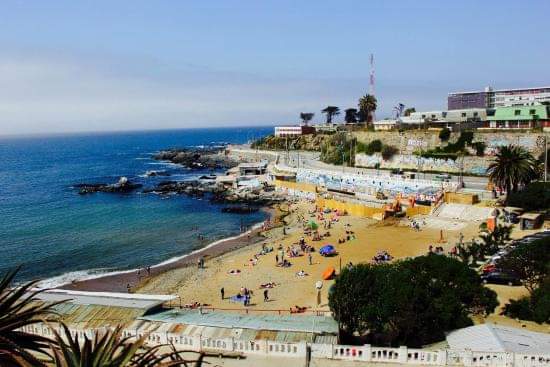
Playa Las Torpederas

Chapel of the Resurrection
Find Accommodations Nearby
Recommended Tours & Activities
Visitor Reviews
There are no reviews yet. Be the first one to write one.
Share Your Experience
Have you visited Valparaíso? Help other travelers by leaving a review.