
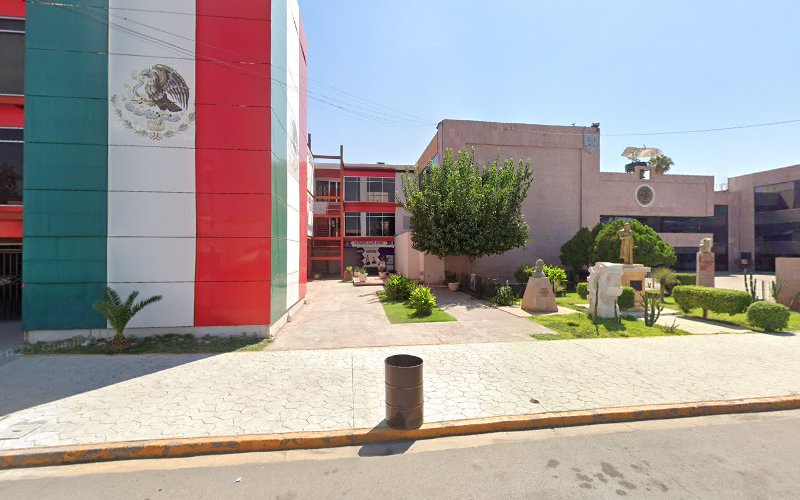
Estatua Miguel Hidalgo
About Estatua Miguel Hidalgo
Description
The Estatua Miguel Hidalgo stands proudly in the heart of Guadalajara’s Plaza de la Liberación, a bronze monument that captures the fiery spirit of Mexico’s independence. Created by architect Ignacio Díaz Morales in 1952, this four-meter-tall statue depicts Miguel Hidalgo y Costilla—the father of Mexican Independence—breaking the chains of oppression, his face filled with determination and defiance. It’s not just a statue; it’s a symbol of freedom, courage, and the unyielding will of a people who refused to remain silent.
If you’ve ever stood before a monument and felt goosebumps crawl up your arms, you’ll know exactly what I mean when you see this one. There’s an energy here that’s hard to explain. Maybe it’s the way Hidalgo’s expression seems to look right through you, or maybe it’s the way the sunlight hits the bronze at certain times of day, making it glow like a living flame. Either way, this is one of those places that makes history feel alive.
Families often stop here with their kids to share stories about independence and bravery. And honestly, it’s a great way to teach children about Mexico’s past in a way that feels real and tangible. The plaza surrounding the statue is open and spacious, often filled with laughter, street musicians, and the hum of local life. There’s something grounding about being here, surrounded by the rhythm of Guadalajara while standing before one of its most powerful symbols of liberty.
Key Features
- Historical significance: The statue commemorates Miguel Hidalgo’s decree abolishing slavery in 1810, marking one of the most important moments in Mexican history.
- Artistic design: A four-meter bronze sculpture designed by Ignacio Díaz Morales, showcasing Hidalgo in a dynamic pose breaking chains of servitude.
- Location: Positioned in front of the Legislative Palace within Plaza de la Liberación, a central gathering place in Guadalajara’s historic core.
- Symbolism: The broken chains represent freedom and the end of oppression, a message that continues to resonate deeply with visitors today.
- Accessibility: The site is open to the public and easy to reach on foot from most nearby attractions in the city center.
- Family-friendly: The open plaza and nearby shaded areas make it a comfortable stop for families with children.
What makes this monument special isn’t just its size or its craftsmanship—it’s the emotion it carries. You can almost feel Hidalgo’s anger and hope sculpted into every fold of his robe. I’ve visited plenty of statues across Mexico, but few manage to capture such raw emotion. It’s the kind of place where you might find yourself pausing longer than you expected, just taking it in.
Best Time to Visit
The best time to visit the Estatua Miguel Hidalgo is during the early morning or late afternoon. The lighting at these hours brings out the rich tones of the bronze, and the plaza feels calm yet alive. Mornings are perfect if you prefer quiet reflection and fewer crowds—ideal for photography too. Late afternoons, on the other hand, are when the place really hums with activity. Locals gather, street performers appear, and the air fills with the scent of roasted corn and fresh churros from nearby vendors.
If you happen to be in Guadalajara around September 16th—Mexico’s Independence Day—the plaza transforms into a sea of flags, music, and celebration. It’s loud, colorful, and unforgettable. Standing before Hidalgo’s statue while fireworks light up the sky feels like stepping right into history.
Avoid visiting during the hottest hours of midday, especially in summer, when the sun can be unrelenting. There’s limited shade, and even though the plaza is beautiful, you’ll enjoy it more when the temperature is a bit gentler.
How to Get There
Getting to the Estatua Miguel Hidalgo is pretty straightforward if you’re staying anywhere near Guadalajara’s historic center. You can easily walk from landmarks like the Guadalajara Cathedral or Teatro Degollado—it’s all within a few minutes’ stroll. The plaza is pedestrian-friendly, so you won’t have to worry about traffic once you’re nearby.
If you’re coming from farther out, local buses and taxis frequently stop near the area. Rideshare apps also work well in Guadalajara, and they’re usually inexpensive. For those who enjoy exploring on foot, I recommend starting at the cathedral and making your way through the series of plazas that connect the city’s main attractions. It’s like walking through layers of history—each square telling a different part of Guadalajara’s story.
And if you’re the kind of traveler who likes to plan your route precisely, just remember that the statue sits right in front of the Legislative Palace. You can’t miss it—it’s one of those landmarks that naturally draws your eye even from a distance.
Tips for Visiting
Visiting the Estatua Miguel Hidalgo isn’t just about snapping a quick photo; it’s about slowing down and taking in the story it tells. Here are a few tips that might make your visit even better:
- Take your time: Don’t rush. Walk around the statue, notice the details, and imagine the moment Hidalgo broke those chains. It’s a powerful feeling when you let it sink in.
- Bring water and sunscreen: The plaza is open and sunny most of the day, so staying hydrated is key—especially if you’re exploring other nearby landmarks afterward.
- Visit nearby attractions: Since you’re already in the center, check out the Guadalajara Cathedral, Plaza de Armas, and Teatro Degollado—all within a short walk.
- Photography tip: For the best shots, aim for early morning or golden hour. The lighting adds warmth to the bronze and creates dramatic shadows that highlight the statue’s emotion.
- Respect the monument: This isn’t just art—it’s a national symbol. Avoid climbing or touching the statue, and encourage others to do the same.
- Engage with locals: Sometimes, older residents sitting nearby will share stories about the monument or the independence movement. These spontaneous conversations are often the most memorable part of the visit.
One thing I always tell fellow travelers: don’t underestimate the quiet power of places like this. Sure, it’s not as flashy as some modern attractions, but it’s rich in meaning. When I first visited, I remember standing there as the afternoon bells from the cathedral rang in the distance, and for a moment, it felt like time slowed down. You could almost hear the echoes of history in the air.
If you’re traveling with kids, this is a great stop to introduce them to Mexico’s independence story in a way that feels real and engaging. They’ll see the broken chains and immediately get the idea—it’s a visual lesson in freedom. Plus, the open plaza gives them space to move around safely while you soak in the atmosphere.
And here’s a little insider tip: grab a coffee or a cold drink from one of the nearby cafés, find a bench facing the statue, and just watch life unfold around it. You’ll see locals passing by, couples taking photos, maybe a musician playing a soft tune—it’s everyday Guadalajara at its best.
In the end, the Estatua Miguel Hidalgo isn’t just a monument—it’s a conversation between the past and the present. It reminds visitors that freedom wasn’t given; it was fought for. And standing there, surrounded by the hum of the city, you can’t help but feel a sense of gratitude for that fight. Whether you’re a history buff, a casual traveler, or someone just wandering through the city, this statue will leave an impression that lingers long after you’ve left.
Key Features
- Key Features
- Best Time to Visit
- How to Get There
- Tips for Visiting
More Details
Updated December 1, 2025
Table of Contents
Description
The Estatua Miguel Hidalgo stands proudly in the heart of Guadalajara’s Plaza de la Liberación, a bronze monument that captures the fiery spirit of Mexico’s independence. Created by architect Ignacio Díaz Morales in 1952, this four-meter-tall statue depicts Miguel Hidalgo y Costilla—the father of Mexican Independence—breaking the chains of oppression, his face filled with determination and defiance. It’s not just a statue; it’s a symbol of freedom, courage, and the unyielding will of a people who refused to remain silent.
If you’ve ever stood before a monument and felt goosebumps crawl up your arms, you’ll know exactly what I mean when you see this one. There’s an energy here that’s hard to explain. Maybe it’s the way Hidalgo’s expression seems to look right through you, or maybe it’s the way the sunlight hits the bronze at certain times of day, making it glow like a living flame. Either way, this is one of those places that makes history feel alive.
Families often stop here with their kids to share stories about independence and bravery. And honestly, it’s a great way to teach children about Mexico’s past in a way that feels real and tangible. The plaza surrounding the statue is open and spacious, often filled with laughter, street musicians, and the hum of local life. There’s something grounding about being here, surrounded by the rhythm of Guadalajara while standing before one of its most powerful symbols of liberty.
Key Features
- Historical significance: The statue commemorates Miguel Hidalgo’s decree abolishing slavery in 1810, marking one of the most important moments in Mexican history.
- Artistic design: A four-meter bronze sculpture designed by Ignacio Díaz Morales, showcasing Hidalgo in a dynamic pose breaking chains of servitude.
- Location: Positioned in front of the Legislative Palace within Plaza de la Liberación, a central gathering place in Guadalajara’s historic core.
- Symbolism: The broken chains represent freedom and the end of oppression, a message that continues to resonate deeply with visitors today.
- Accessibility: The site is open to the public and easy to reach on foot from most nearby attractions in the city center.
- Family-friendly: The open plaza and nearby shaded areas make it a comfortable stop for families with children.
What makes this monument special isn’t just its size or its craftsmanship—it’s the emotion it carries. You can almost feel Hidalgo’s anger and hope sculpted into every fold of his robe. I’ve visited plenty of statues across Mexico, but few manage to capture such raw emotion. It’s the kind of place where you might find yourself pausing longer than you expected, just taking it in.
Best Time to Visit
The best time to visit the Estatua Miguel Hidalgo is during the early morning or late afternoon. The lighting at these hours brings out the rich tones of the bronze, and the plaza feels calm yet alive. Mornings are perfect if you prefer quiet reflection and fewer crowds—ideal for photography too. Late afternoons, on the other hand, are when the place really hums with activity. Locals gather, street performers appear, and the air fills with the scent of roasted corn and fresh churros from nearby vendors.
If you happen to be in Guadalajara around September 16th—Mexico’s Independence Day—the plaza transforms into a sea of flags, music, and celebration. It’s loud, colorful, and unforgettable. Standing before Hidalgo’s statue while fireworks light up the sky feels like stepping right into history.
Avoid visiting during the hottest hours of midday, especially in summer, when the sun can be unrelenting. There’s limited shade, and even though the plaza is beautiful, you’ll enjoy it more when the temperature is a bit gentler.
How to Get There
Getting to the Estatua Miguel Hidalgo is pretty straightforward if you’re staying anywhere near Guadalajara’s historic center. You can easily walk from landmarks like the Guadalajara Cathedral or Teatro Degollado—it’s all within a few minutes’ stroll. The plaza is pedestrian-friendly, so you won’t have to worry about traffic once you’re nearby.
If you’re coming from farther out, local buses and taxis frequently stop near the area. Rideshare apps also work well in Guadalajara, and they’re usually inexpensive. For those who enjoy exploring on foot, I recommend starting at the cathedral and making your way through the series of plazas that connect the city’s main attractions. It’s like walking through layers of history—each square telling a different part of Guadalajara’s story.
And if you’re the kind of traveler who likes to plan your route precisely, just remember that the statue sits right in front of the Legislative Palace. You can’t miss it—it’s one of those landmarks that naturally draws your eye even from a distance.
Tips for Visiting
Visiting the Estatua Miguel Hidalgo isn’t just about snapping a quick photo; it’s about slowing down and taking in the story it tells. Here are a few tips that might make your visit even better:
- Take your time: Don’t rush. Walk around the statue, notice the details, and imagine the moment Hidalgo broke those chains. It’s a powerful feeling when you let it sink in.
- Bring water and sunscreen: The plaza is open and sunny most of the day, so staying hydrated is key—especially if you’re exploring other nearby landmarks afterward.
- Visit nearby attractions: Since you’re already in the center, check out the Guadalajara Cathedral, Plaza de Armas, and Teatro Degollado—all within a short walk.
- Photography tip: For the best shots, aim for early morning or golden hour. The lighting adds warmth to the bronze and creates dramatic shadows that highlight the statue’s emotion.
- Respect the monument: This isn’t just art—it’s a national symbol. Avoid climbing or touching the statue, and encourage others to do the same.
- Engage with locals: Sometimes, older residents sitting nearby will share stories about the monument or the independence movement. These spontaneous conversations are often the most memorable part of the visit.
One thing I always tell fellow travelers: don’t underestimate the quiet power of places like this. Sure, it’s not as flashy as some modern attractions, but it’s rich in meaning. When I first visited, I remember standing there as the afternoon bells from the cathedral rang in the distance, and for a moment, it felt like time slowed down. You could almost hear the echoes of history in the air.
If you’re traveling with kids, this is a great stop to introduce them to Mexico’s independence story in a way that feels real and engaging. They’ll see the broken chains and immediately get the idea—it’s a visual lesson in freedom. Plus, the open plaza gives them space to move around safely while you soak in the atmosphere.
And here’s a little insider tip: grab a coffee or a cold drink from one of the nearby cafés, find a bench facing the statue, and just watch life unfold around it. You’ll see locals passing by, couples taking photos, maybe a musician playing a soft tune—it’s everyday Guadalajara at its best.
In the end, the Estatua Miguel Hidalgo isn’t just a monument—it’s a conversation between the past and the present. It reminds visitors that freedom wasn’t given; it was fought for. And standing there, surrounded by the hum of the city, you can’t help but feel a sense of gratitude for that fight. Whether you’re a history buff, a casual traveler, or someone just wandering through the city, this statue will leave an impression that lingers long after you’ve left.
Key Highlights
- Key Features
- Best Time to Visit
- How to Get There
- Tips for Visiting
Location
Places to Stay Near Estatua Miguel Hidalgo
Find and Book a Tour
Explore More Travel Guides
No reviews found! Be the first to review!
Traveler Reviews for Estatua Miguel Hidalgo
There are no reviews yet. Be the first one to write one.
Have you visited Estatua Miguel Hidalgo? Help other travelers by sharing your review.
You Might Also Like
Casa Faya Museum
Monumento a la libertad
El Campestre
Find Accommodations Nearby
Recommended Tours & Activities
Visitor Reviews
There are no reviews yet. Be the first one to write one.
Share Your Experience
Have you visited Estatua Miguel Hidalgo? Help other travelers by leaving a review.