
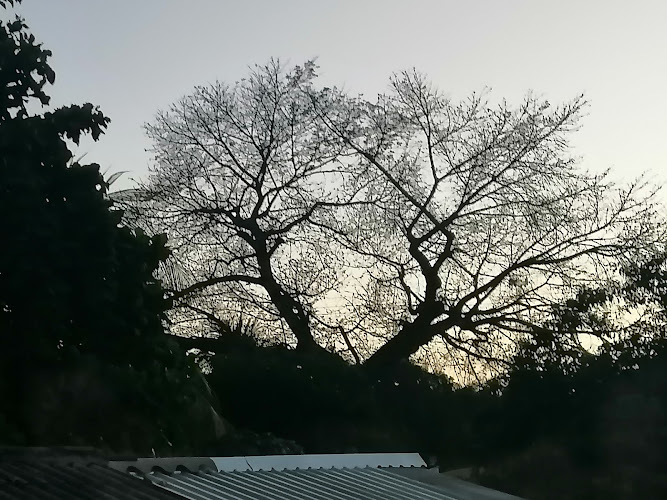
Gran Árbol
About Gran Árbol
Description
The Gran Árbol is one of those places that sounds simple on paper and then totally sneaks up on you in real life. It’s a tree, yes. A very big one. But calling it “just a tree” feels almost disrespectful once you’re standing there, craning your neck, trying to take it all in. Travelers come expecting a quick stop and end up lingering, staring at the bark, tracing shapes, and arguing quietly about what they see hidden in the trunk. I’ve watched grown adults turn into curious kids here, pointing and laughing and then going silent for a second, like they’ve just realized how small they are.
This attraction is famous mainly because of its sheer size. The trunk alone is massive, wider than many houses, and the canopy stretches out like it’s claiming territory. Depending on who you ask, it’s anywhere from 1,500 to over 2,000 years old. Nobody agrees exactly, and that’s part of the charm. Trees this old don’t need precise birth certificates. They just exist, stubbornly, long after civilizations change around them.
What I appreciate most about the Gran Árbol is that it’s not overly polished. It hasn’t been turned into a flashy theme attraction. You won’t find loud music or cheesy gimmicks. Instead, you’ll see families, solo travelers, school groups, and the occasional exhausted backpacker all sharing the same space. Some people breeze through in ten minutes. Others sit on a bench for half an hour, soaking it in. Both reactions feel valid.
It’s also a surprisingly emotional place. I didn’t expect that the first time I visited. I remember thinking about how many storms this tree has survived, how many people have walked past it without leaving a trace. There’s something grounding about that thought, especially if you’ve been bouncing from city to city. And yeah, it’s good for kids too. They love the scale of it, the weird shapes, the idea that something alive can be this old.
Key Features
The Gran Árbol stands out for reasons that go far beyond its Instagram appeal. Here are some of the features that make travelers stop, stare, and sometimes come back again.
- Record-breaking trunk size: The circumference is the star of the show. It’s considered one of the widest tree trunks in the world, and photos rarely do it justice.
- Ancient age: Estimated to be over a millennium old, making it older than many historical landmarks people travel hours to see.
- Natural shapes in the bark: Locals and guides point out figures in the trunk that resemble animals and faces. You might see a lion, an elephant, or something totally different. That’s half the fun.
- Easy access for all ages: The area around the tree is mostly flat and walkable, which makes it friendly for kids and older visitors.
- Cultural importance: The tree isn’t just big; it’s meaningful. It plays a role in local identity and community pride.
- Short visit potential: You don’t need hours to enjoy it, which makes it perfect to combine with nearby attractions.
Best Time to Visit
Timing matters more than people think when it comes to the Gran Árbol. Technically, you can visit year-round, but your experience will change depending on when you go. Mornings are hands down the best. The light is softer, the crowds are thinner, and the whole place feels calmer. I once arrived just after opening time and had a few quiet minutes where it felt like the tree and I were having a moment. Cheesy, maybe. Memorable, definitely.
Late mornings and early afternoons tend to be busier, especially during high travel seasons and weekends. Tour buses roll in, and the space fills up fast. It doesn’t ruin the experience, but it does change the vibe. If you’re traveling with kids, midday might actually work fine because there’s more energy and activity around.
Weather-wise, dry months are more comfortable. Rainy season brings lush surroundings, but also mud and humidity. The tree looks incredible after rain, darker and richer in color, but you’ll want decent shoes. And if you hate crowds with a passion, avoid major holidays. Locals visit too, which is lovely in theory, but it can feel cramped.
How to Get There
Getting to the Gran Árbol is refreshingly straightforward, which is probably one reason it’s so popular with travelers who don’t want logistical headaches. Most visitors arrive from a nearby city or town using public transportation, taxis, or rental cars. Public transport is cheap and frequent, though it can get crowded. If you’re comfortable navigating local buses or colectivos, you’ll be fine.
Taxis and rideshares are the easiest option if you’re short on time or traveling with family. Drivers know the spot well. Just saying “Gran Árbol” usually does the trick, no long explanations needed. If you’re driving yourself, parking is generally available nearby, though it can fill up fast during peak hours.
I once made the mistake of walking part of the way under the assumption it was “not that far.” It was farther than expected. Learn from my stubbornness. Transportation is affordable and saves energy for actually enjoying the place.
Tips for Visiting
To make the most of your visit to the Gran Árbol, a little planning goes a long way. This isn’t a complicated attraction, but these small tips can seriously improve your experience.
First, bring some cash. There may be small entrance fees or local vendors selling snacks and souvenirs. Supporting them feels right, and you might find handmade items that are way more interesting than generic souvenirs.
Second, don’t rush. I know it sounds obvious, but many people treat this as a checkbox stop. Walk around the entire tree. Look closely at the bark. Read the plaques if available. Sit for a minute. Let your brain slow down. This place rewards patience.
If you’re traveling with kids, turn it into a game. Ask them what shapes they see in the trunk. How old they think the tree really is. Kids engage better when they’re invited into the mystery rather than just told facts.
Photography tip: wide-angle lenses help, but even then, it’s tricky. Try stepping back and including people in the frame to show scale. Some of my favorite photos are slightly imperfect, with heads cut off or crooked angles. They feel more real.
And finally, respect the tree. That sounds obvious, but you’d be surprised. Don’t climb it. Don’t carve anything. This tree has survived centuries. It doesn’t need modern humans leaving marks.
The Gran Árbol isn’t about adrenaline or spectacle. It’s about perspective. It reminds you that some of the most powerful travel experiences come from standing still, looking up, and realizing the world has been here long before you and will keep going long after. And honestly, that’s a pretty comforting thought to take home with you.
Key Features
- Key Features
- Best Time to Visit
- How to Get There
- Tips for Visiting
More Details
Updated December 31, 2025
Table of Contents
Description
The Gran Árbol is one of those places that sounds simple on paper and then totally sneaks up on you in real life. It’s a tree, yes. A very big one. But calling it “just a tree” feels almost disrespectful once you’re standing there, craning your neck, trying to take it all in. Travelers come expecting a quick stop and end up lingering, staring at the bark, tracing shapes, and arguing quietly about what they see hidden in the trunk. I’ve watched grown adults turn into curious kids here, pointing and laughing and then going silent for a second, like they’ve just realized how small they are.
This attraction is famous mainly because of its sheer size. The trunk alone is massive, wider than many houses, and the canopy stretches out like it’s claiming territory. Depending on who you ask, it’s anywhere from 1,500 to over 2,000 years old. Nobody agrees exactly, and that’s part of the charm. Trees this old don’t need precise birth certificates. They just exist, stubbornly, long after civilizations change around them.
What I appreciate most about the Gran Árbol is that it’s not overly polished. It hasn’t been turned into a flashy theme attraction. You won’t find loud music or cheesy gimmicks. Instead, you’ll see families, solo travelers, school groups, and the occasional exhausted backpacker all sharing the same space. Some people breeze through in ten minutes. Others sit on a bench for half an hour, soaking it in. Both reactions feel valid.
It’s also a surprisingly emotional place. I didn’t expect that the first time I visited. I remember thinking about how many storms this tree has survived, how many people have walked past it without leaving a trace. There’s something grounding about that thought, especially if you’ve been bouncing from city to city. And yeah, it’s good for kids too. They love the scale of it, the weird shapes, the idea that something alive can be this old.
Key Features
The Gran Árbol stands out for reasons that go far beyond its Instagram appeal. Here are some of the features that make travelers stop, stare, and sometimes come back again.
- Record-breaking trunk size: The circumference is the star of the show. It’s considered one of the widest tree trunks in the world, and photos rarely do it justice.
- Ancient age: Estimated to be over a millennium old, making it older than many historical landmarks people travel hours to see.
- Natural shapes in the bark: Locals and guides point out figures in the trunk that resemble animals and faces. You might see a lion, an elephant, or something totally different. That’s half the fun.
- Easy access for all ages: The area around the tree is mostly flat and walkable, which makes it friendly for kids and older visitors.
- Cultural importance: The tree isn’t just big; it’s meaningful. It plays a role in local identity and community pride.
- Short visit potential: You don’t need hours to enjoy it, which makes it perfect to combine with nearby attractions.
Best Time to Visit
Timing matters more than people think when it comes to the Gran Árbol. Technically, you can visit year-round, but your experience will change depending on when you go. Mornings are hands down the best. The light is softer, the crowds are thinner, and the whole place feels calmer. I once arrived just after opening time and had a few quiet minutes where it felt like the tree and I were having a moment. Cheesy, maybe. Memorable, definitely.
Late mornings and early afternoons tend to be busier, especially during high travel seasons and weekends. Tour buses roll in, and the space fills up fast. It doesn’t ruin the experience, but it does change the vibe. If you’re traveling with kids, midday might actually work fine because there’s more energy and activity around.
Weather-wise, dry months are more comfortable. Rainy season brings lush surroundings, but also mud and humidity. The tree looks incredible after rain, darker and richer in color, but you’ll want decent shoes. And if you hate crowds with a passion, avoid major holidays. Locals visit too, which is lovely in theory, but it can feel cramped.
How to Get There
Getting to the Gran Árbol is refreshingly straightforward, which is probably one reason it’s so popular with travelers who don’t want logistical headaches. Most visitors arrive from a nearby city or town using public transportation, taxis, or rental cars. Public transport is cheap and frequent, though it can get crowded. If you’re comfortable navigating local buses or colectivos, you’ll be fine.
Taxis and rideshares are the easiest option if you’re short on time or traveling with family. Drivers know the spot well. Just saying “Gran Árbol” usually does the trick, no long explanations needed. If you’re driving yourself, parking is generally available nearby, though it can fill up fast during peak hours.
I once made the mistake of walking part of the way under the assumption it was “not that far.” It was farther than expected. Learn from my stubbornness. Transportation is affordable and saves energy for actually enjoying the place.
Tips for Visiting
To make the most of your visit to the Gran Árbol, a little planning goes a long way. This isn’t a complicated attraction, but these small tips can seriously improve your experience.
First, bring some cash. There may be small entrance fees or local vendors selling snacks and souvenirs. Supporting them feels right, and you might find handmade items that are way more interesting than generic souvenirs.
Second, don’t rush. I know it sounds obvious, but many people treat this as a checkbox stop. Walk around the entire tree. Look closely at the bark. Read the plaques if available. Sit for a minute. Let your brain slow down. This place rewards patience.
If you’re traveling with kids, turn it into a game. Ask them what shapes they see in the trunk. How old they think the tree really is. Kids engage better when they’re invited into the mystery rather than just told facts.
Photography tip: wide-angle lenses help, but even then, it’s tricky. Try stepping back and including people in the frame to show scale. Some of my favorite photos are slightly imperfect, with heads cut off or crooked angles. They feel more real.
And finally, respect the tree. That sounds obvious, but you’d be surprised. Don’t climb it. Don’t carve anything. This tree has survived centuries. It doesn’t need modern humans leaving marks.
The Gran Árbol isn’t about adrenaline or spectacle. It’s about perspective. It reminds you that some of the most powerful travel experiences come from standing still, looking up, and realizing the world has been here long before you and will keep going long after. And honestly, that’s a pretty comforting thought to take home with you.
Key Highlights
- Key Features
- Best Time to Visit
- How to Get There
- Tips for Visiting
Location
Places to Stay Near Gran Árbol
Find and Book a Tour
Explore More Travel Guides
No reviews found! Be the first to review!
Traveler Reviews for Gran Árbol
There are no reviews yet. Be the first one to write one.
Have you visited Gran Árbol? Help other travelers by sharing your review.
You Might Also Like

Usulutan
Central Park of Usulután "Raúl Francisco Munguía"

Monumento Gregorio Melara
Find Accommodations Nearby
Recommended Tours & Activities
Visitor Reviews
There are no reviews yet. Be the first one to write one.
Share Your Experience
Have you visited Gran Árbol? Help other travelers by leaving a review.