
Riyadh
About Riyadh
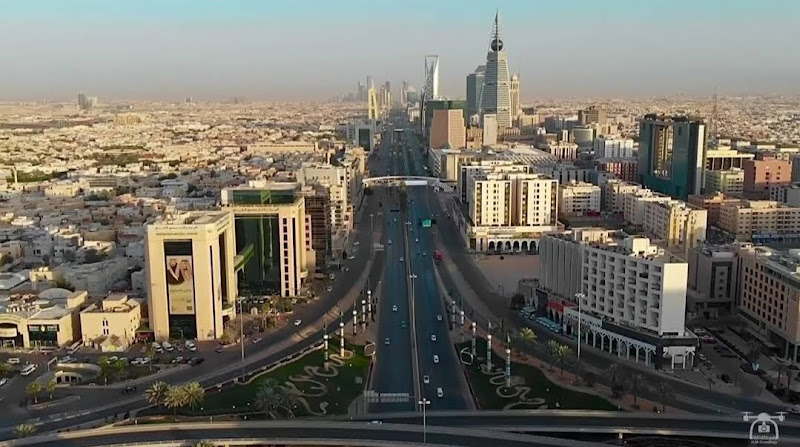
Riyadh sits right in the middle of Saudi Arabia like it knows it runs the show. And, honestly, it kind of does. As the capital and the country’s main financial engine, the city moves fast, but not in a frantic way. More like confident. Glass towers rise from a sandy plateau, traffic hums along wide highways, and then—almost without warning—you find a centuries-old fort standing its ground, reminding everyone how this place started.
The modern skyline grabs attention first. Kingdom Centre, shooting up 302 meters, feels impossible to ignore. The sky bridge at the top looks dramatic in photos, sure, but standing up there in real life is another thing entirely. The city stretches out in all directions, flat desert fading into development, and you suddenly understand how big Riyadh really is. Al Faisaliah Centre, with its glass globe perched near the top, is older but still iconic. It has a certain elegance, less flashy, more assured.
But Riyadh isn’t just steel and glass. The Deira district tells a much older story. Masmak Fort, thick-walled and sandy brown, marks the 1902 raid that changed Saudi history forever. Walking through it, the noise of the city seems to drop a notch. This writer remembers stepping inside on a hot afternoon, thinking it would be a quick stop, and then losing track of time reading about battles, alliances, and family power plays that still shape the country today. History here isn’t abstract. It’s personal.
For travelers, Riyadh can feel like a city of contrasts. Business suits in coffee shops sit next to men in traditional thobes. Luxury malls share space with old souks where bargaining is still an art form. And while some visitors find it serious at first glance, others—this writer included—realize it opens up once you slow down and pay attention. Riyadh doesn’t perform for tourists. It expects you to meet it halfway.
Key Features
- Kingdom Centre Sky Bridge: Offers sweeping city views and a surprising sense of calm above the chaos.
- Al Faisaliah Centre: Known for its glass globe and long-standing role in Riyadh’s skyline.
- Masmak Fort: A key historical site tied to the founding of modern Saudi Arabia.
- Expanding food scene: From traditional Saudi dishes to experimental cafes that feel almost rebellious.
- Wide boulevards and districts: The city is spread out, giving each area its own personality.
- Cultural transformation: Museums, art spaces, and public events have grown fast in recent years.
Best Time to Visit
Timing matters in Riyadh. A lot. The best months to visit fall between November and March, when temperatures cool down enough to enjoy being outdoors. Days are pleasant, evenings can even feel chilly, and walking around no longer feels like an endurance sport. This is when the city feels most approachable, especially if you plan on exploring historical areas or just wandering.
Summer, on the other hand, is intense. Temperatures regularly push past 40°C (104°F), and even locals adjust their schedules around the heat. Indoor attractions, malls, and cafes become social hubs. If you visit during this time, expect to move between air-conditioned spaces like a pro. But some travelers like the quieter streets and lower hotel demand. There’s a trade-off.
Ramadan brings a different rhythm. Days are slower, nights come alive. Restaurants open after sunset, and the city feels more reflective, more communal. Visitors who respect local customs often find this period deeply memorable. And yes, planning takes a bit more effort, but the payoff is a richer understanding of daily life.
How to Get There
Riyadh is well connected, especially for a city sitting in the middle of a desert. King Khalid International Airport handles flights from across the Middle East, Europe, Asia, and beyond. It’s efficient, modern, and surprisingly calm compared to some mega airports. Immigration processes have improved a lot in recent years, something frequent travelers tend to notice right away.
Getting around the city itself is another story. Riyadh is big, spread out, and designed with cars in mind. Ride-hailing apps are widely used and usually the easiest option for visitors. Renting a car works too, though traffic can test your patience, especially during peak hours. Public transport is improving, with metro projects rolling out, but many travelers still rely on private rides.
And here’s a small, honest tip from experience: build extra time into your plans. Distances look short on maps but can take longer than expected. Riyadh teaches patience whether you ask for it or not.
Tips for Visiting
Dress with awareness. Riyadh is more relaxed than it once was, but modest clothing is still the norm. Visitors don’t need to overthink it—just aim for respectful. Long sleeves and pants make life easier, especially when entering cultural or historical spaces.
Learn a few Arabic phrases. English is widely spoken, but even a simple salam or shukran goes a long way. This writer once saw a shopkeeper’s face light up over a badly pronounced thank you. Worth it.
Plan your days around prayer times. Shops and attractions may pause briefly. It’s not an inconvenience; it’s part of the rhythm of the city. Use those breaks to slow down, grab a coffee, or just observe.
Food is your gateway. Try traditional dishes like kabsa and jareesh, but also explore newer restaurants experimenting with flavors. Riyadh’s food scene is evolving fast, and some of the best meals happen in places you wouldn’t expect.
Be curious, not judgmental. Riyadh challenges assumptions. Some travelers arrive expecting rigid rules and leave surprised by openness and warmth. Ask questions, listen more than you talk, and you’ll gain far more from the experience.
Respect photography norms. Always ask before photographing people, especially locals. Certain sites may restrict photography altogether, and that’s okay.
Riyadh isn’t a city that begs for approval. It’s complex, ambitious, sometimes confusing, and often rewarding. For travelers willing to engage with it on its own terms, the city offers stories you won’t find on postcards. And those are usually the best ones to take home.
You Might Also Like
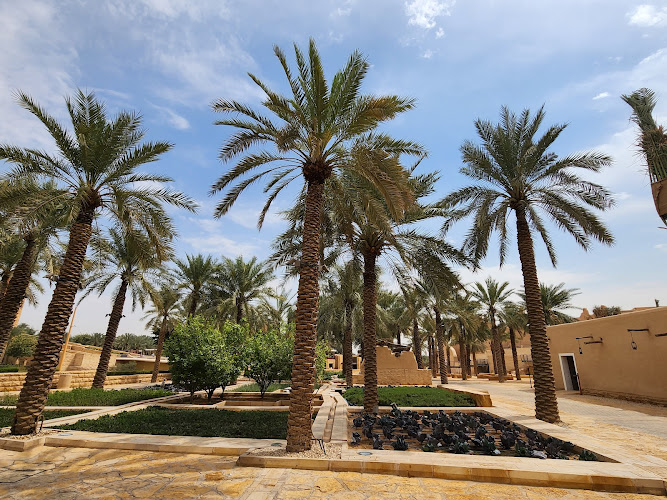
Al Bujairi Heritage Park
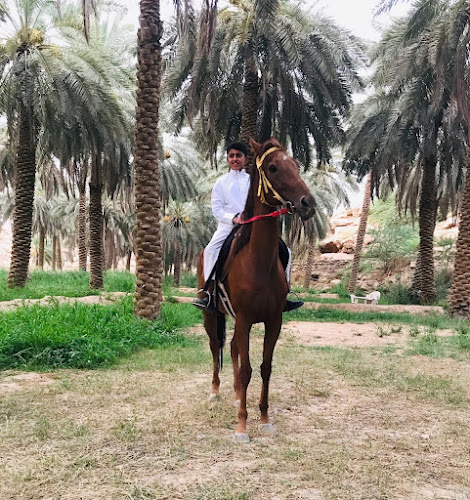
Al Haeer Park Khamsa Khamsa
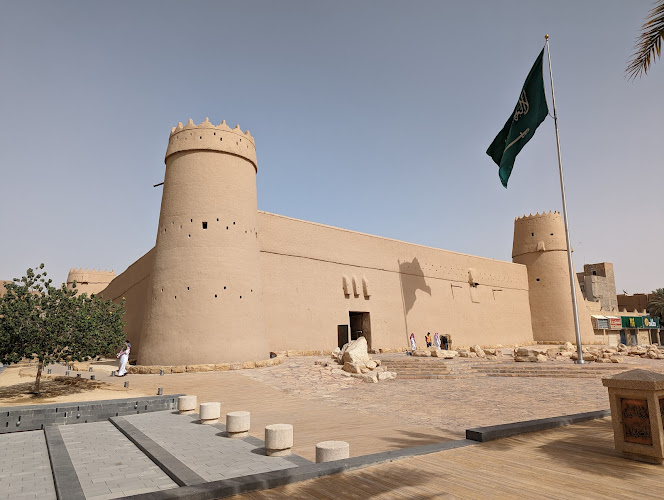
Al Masmak Palace Museum
Tours & Activities
GetYourGuide provides this tour inventory. We may earn a commission if you book through it; verify current availability, prices, and terms with the provider.
Visitor Reviews
There are no reviews yet. Be the first one to write one.
Share Your Experience
Have you visited Riyadh? Help other travelers by leaving a review.