
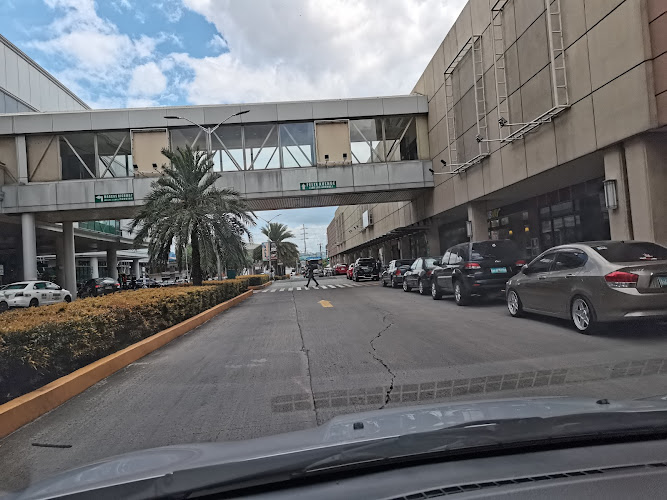
Cainta
About Cainta
Description
Cainta, officially the Municipality of Cainta in the province of Rizal, sits right on the edge of Metro Manila and yet somehow feels like its own little universe. With a population of over 386,000 as of the 2024 census packed into roughly 4,299 hectares, it’s dense, busy, sometimes loud, and often surprising. Travelers who only see it as a place you pass through are missing the point. Cainta is one of the oldest municipalities in Luzon, and that long history quietly hums beneath the modern traffic, food stalls, subdivisions, and shopping strips.
This is not the kind of destination that shouts at you with postcard views. Instead, Cainta reveals itself slowly. One jeepney ride at a time. One neighborhood bakery at dawn. One conversation with a local who’s lived there long enough to remember when the roads were narrower and the fields wider. And yes, it can be chaotic. But that chaos is part of its personality. Travelers who enjoy places that feel lived-in rather than staged tend to appreciate Cainta more.
The municipality’s story goes way back to the Spanish colonial period, which is wild when you think about how urban it feels today. Old churches and heritage zones still exist, though you have to look for them. They’re not fenced off or curated for tourists, and that’s exactly why they’re interesting. A visitor once told me that walking around Cainta felt like flipping through a family photo album where old and new photos are mixed together. That description stuck with me.
Food is a big deal here, even if it’s not marketed that way. Locals are fiercely loyal to their favorite panciterias, barbecue stalls, and small eateries that don’t even have signs. And if you ask politely, someone will always give you directions, plus unsolicited advice on what to order. It’s that kind of place.
Key Features
- One of the oldest municipalities in Luzon, with layers of history still visible if you slow down and look
- A dense urban layout that shows how local life really works near Metro Manila
- Traditional churches and heritage spots that remain part of everyday community life
- Strong local food culture, especially affordable Filipino comfort dishes
- Easy access to neighboring cities and provinces, making it a practical base for travelers
- A mix of residential areas, commercial zones, and old neighborhoods coexisting side by side
- Friendly, curious locals who are used to visitors but not jaded by them
Best Time to Visit
Cainta doesn’t really have a “bad” season, but timing matters if you want to enjoy it without feeling overwhelmed. The dry months, roughly from November to May, are generally more comfortable for walking around. December in particular has a nice buzz. There’s holiday traffic, sure, but also decorations, street food everywhere, and that familiar Filipino Christmas energy that somehow makes even crowded sidewalks feel warmer.
Rainy season, from June to October, can be tricky. Flooding happens in some areas, and getting around takes patience. But there’s a flip side. Everything slows down a bit. Cafes feel cozier. Local markets are less hectic. If you’re the type who likes observing daily life rather than checking off attractions, rainy afternoons in Cainta can be oddly memorable. I once got stuck under a shop awning during a downpour and ended up chatting with a shop owner for an hour about how the town had changed. Not exactly a guidebook moment, but it stayed with me.
Weekdays are better for exploring if you don’t like crowds. Weekends bring families out, especially near food hubs and shopping areas. Early mornings, though, are gold. Streets are calmer, bakeries are active, and you get a sense of the town before the noise kicks in.
How to Get There
Getting to Cainta is straightforward, which is one reason it works well for travelers who don’t want logistical headaches. From Metro Manila, multiple transport options funnel into the municipality. Jeepneys, buses, UV express vans, and ride-hailing services all operate regularly. The roads connecting Cainta to nearby cities are busy but well-used, so even first-time visitors won’t feel completely lost.
For those coming from central Manila or Quezon City, public transport is often the most practical choice. It’s cheaper, and honestly, it gives you a better sense of how locals move around. Just expect traffic. Cainta traffic is… an experience. Bring patience. Or good music. Or both.
Travelers coming from other parts of Rizal will find Cainta a natural stopover or base. It’s positioned in a way that makes day trips to nearby towns manageable. Many people underestimate this, but staying in Cainta can actually simplify a multi-stop itinerary in the region.
Tips for Visiting
First tip, and this comes from personal trial and error: don’t rush Cainta. If you treat it like a checklist destination, you’ll probably leave unimpressed. Give it time. Wander. Sit down somewhere random and watch people go by. That’s when the place starts making sense.
Wear comfortable shoes. The municipality is walkable in parts, but sidewalks can be uneven or suddenly disappear. This isn’t a flaw so much as a reality. Locals adapt, and so will you. Light clothing is a must, especially during warmer months.
Food-wise, ask locals where they eat. Skip the big chains if you can. Some of the best meals are found in places that look unassuming, even a bit rough around the edges. And yes, hygiene standards vary, so use common sense. But don’t be overly cautious either. Half the joy is taking small, calculated risks.
Be mindful of peak hours. Morning and late afternoon traffic can slow everything down. Plan indoor activities or meals during those times. And if you’re commuting, give yourself buffer time. Always.
Respect local rhythms. Cainta is not a theme park. People live, work, and raise families here. Be polite when taking photos, especially around churches and residential areas. A smile and a nod go a long way.
Finally, manage expectations. Cainta won’t dazzle you with grand landmarks. What it offers instead is texture, stories, and a very real sense of place. For travelers who value authenticity over polish, that’s a pretty good deal. And who knows, you might leave with your own small story to tell, like getting lost and finding the best bowl of noodles you didn’t know you needed.
Key Features
- One of the oldest municipalities in Luzon, with layers of history still visible if you slow down and look
- A dense urban layout that shows how local life really works near Metro Manila
- Traditional churches and heritage spots that remain part of everyday community life
- Strong local food culture, especially affordable Filipino comfort dishes
- Easy access to neighboring cities and provinces, making it a practical base for travelers
- A mix of residential areas, commercial zones, and old neighborhoods coexisting side by side
- Friendly, curious locals who are used to visitors but not jaded by them
More Details
Updated December 31, 2025
Table of Contents
Description
Cainta, officially the Municipality of Cainta in the province of Rizal, sits right on the edge of Metro Manila and yet somehow feels like its own little universe. With a population of over 386,000 as of the 2024 census packed into roughly 4,299 hectares, it’s dense, busy, sometimes loud, and often surprising. Travelers who only see it as a place you pass through are missing the point. Cainta is one of the oldest municipalities in Luzon, and that long history quietly hums beneath the modern traffic, food stalls, subdivisions, and shopping strips.
This is not the kind of destination that shouts at you with postcard views. Instead, Cainta reveals itself slowly. One jeepney ride at a time. One neighborhood bakery at dawn. One conversation with a local who’s lived there long enough to remember when the roads were narrower and the fields wider. And yes, it can be chaotic. But that chaos is part of its personality. Travelers who enjoy places that feel lived-in rather than staged tend to appreciate Cainta more.
The municipality’s story goes way back to the Spanish colonial period, which is wild when you think about how urban it feels today. Old churches and heritage zones still exist, though you have to look for them. They’re not fenced off or curated for tourists, and that’s exactly why they’re interesting. A visitor once told me that walking around Cainta felt like flipping through a family photo album where old and new photos are mixed together. That description stuck with me.
Food is a big deal here, even if it’s not marketed that way. Locals are fiercely loyal to their favorite panciterias, barbecue stalls, and small eateries that don’t even have signs. And if you ask politely, someone will always give you directions, plus unsolicited advice on what to order. It’s that kind of place.
Key Features
- One of the oldest municipalities in Luzon, with layers of history still visible if you slow down and look
- A dense urban layout that shows how local life really works near Metro Manila
- Traditional churches and heritage spots that remain part of everyday community life
- Strong local food culture, especially affordable Filipino comfort dishes
- Easy access to neighboring cities and provinces, making it a practical base for travelers
- A mix of residential areas, commercial zones, and old neighborhoods coexisting side by side
- Friendly, curious locals who are used to visitors but not jaded by them
Best Time to Visit
Cainta doesn’t really have a “bad” season, but timing matters if you want to enjoy it without feeling overwhelmed. The dry months, roughly from November to May, are generally more comfortable for walking around. December in particular has a nice buzz. There’s holiday traffic, sure, but also decorations, street food everywhere, and that familiar Filipino Christmas energy that somehow makes even crowded sidewalks feel warmer.
Rainy season, from June to October, can be tricky. Flooding happens in some areas, and getting around takes patience. But there’s a flip side. Everything slows down a bit. Cafes feel cozier. Local markets are less hectic. If you’re the type who likes observing daily life rather than checking off attractions, rainy afternoons in Cainta can be oddly memorable. I once got stuck under a shop awning during a downpour and ended up chatting with a shop owner for an hour about how the town had changed. Not exactly a guidebook moment, but it stayed with me.
Weekdays are better for exploring if you don’t like crowds. Weekends bring families out, especially near food hubs and shopping areas. Early mornings, though, are gold. Streets are calmer, bakeries are active, and you get a sense of the town before the noise kicks in.
How to Get There
Getting to Cainta is straightforward, which is one reason it works well for travelers who don’t want logistical headaches. From Metro Manila, multiple transport options funnel into the municipality. Jeepneys, buses, UV express vans, and ride-hailing services all operate regularly. The roads connecting Cainta to nearby cities are busy but well-used, so even first-time visitors won’t feel completely lost.
For those coming from central Manila or Quezon City, public transport is often the most practical choice. It’s cheaper, and honestly, it gives you a better sense of how locals move around. Just expect traffic. Cainta traffic is… an experience. Bring patience. Or good music. Or both.
Travelers coming from other parts of Rizal will find Cainta a natural stopover or base. It’s positioned in a way that makes day trips to nearby towns manageable. Many people underestimate this, but staying in Cainta can actually simplify a multi-stop itinerary in the region.
Tips for Visiting
First tip, and this comes from personal trial and error: don’t rush Cainta. If you treat it like a checklist destination, you’ll probably leave unimpressed. Give it time. Wander. Sit down somewhere random and watch people go by. That’s when the place starts making sense.
Wear comfortable shoes. The municipality is walkable in parts, but sidewalks can be uneven or suddenly disappear. This isn’t a flaw so much as a reality. Locals adapt, and so will you. Light clothing is a must, especially during warmer months.
Food-wise, ask locals where they eat. Skip the big chains if you can. Some of the best meals are found in places that look unassuming, even a bit rough around the edges. And yes, hygiene standards vary, so use common sense. But don’t be overly cautious either. Half the joy is taking small, calculated risks.
Be mindful of peak hours. Morning and late afternoon traffic can slow everything down. Plan indoor activities or meals during those times. And if you’re commuting, give yourself buffer time. Always.
Respect local rhythms. Cainta is not a theme park. People live, work, and raise families here. Be polite when taking photos, especially around churches and residential areas. A smile and a nod go a long way.
Finally, manage expectations. Cainta won’t dazzle you with grand landmarks. What it offers instead is texture, stories, and a very real sense of place. For travelers who value authenticity over polish, that’s a pretty good deal. And who knows, you might leave with your own small story to tell, like getting lost and finding the best bowl of noodles you didn’t know you needed.
Key Highlights
- One of the oldest municipalities in Luzon, with layers of history still visible if you slow down and look
- A dense urban layout that shows how local life really works near Metro Manila
- Traditional churches and heritage spots that remain part of everyday community life
- Strong local food culture, especially affordable Filipino comfort dishes
- Easy access to neighboring cities and provinces, making it a practical base for travelers
- A mix of residential areas, commercial zones, and old neighborhoods coexisting side by side
- Friendly, curious locals who are used to visitors but not jaded by them
Location
Places to Stay Near Cainta
Find and Book a Tour
Explore More Travel Guides
No reviews found! Be the first to review!
Traveler Reviews for Cainta
There are no reviews yet. Be the first one to write one.
Have you visited Cainta? Help other travelers by sharing your review.
You Might Also Like
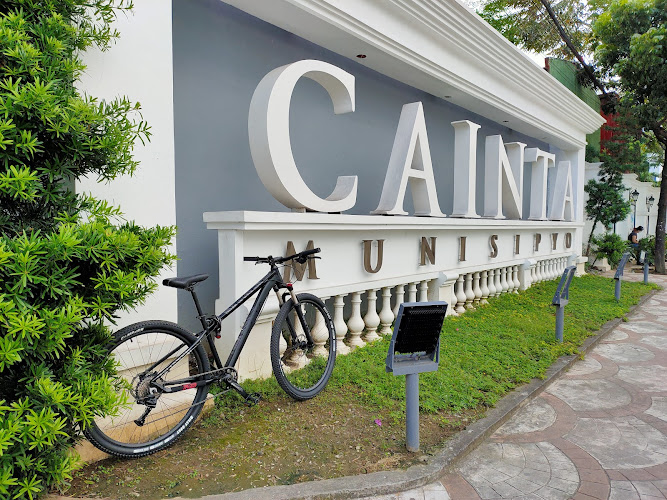
Cainta Munisipyo Signage
Aling Aleng

One Cainta Oval Park
Find Accommodations Nearby
Recommended Tours & Activities
Visitor Reviews
There are no reviews yet. Be the first one to write one.
Share Your Experience
Have you visited Cainta? Help other travelers by leaving a review.