About Arlington Museum of Art

Description

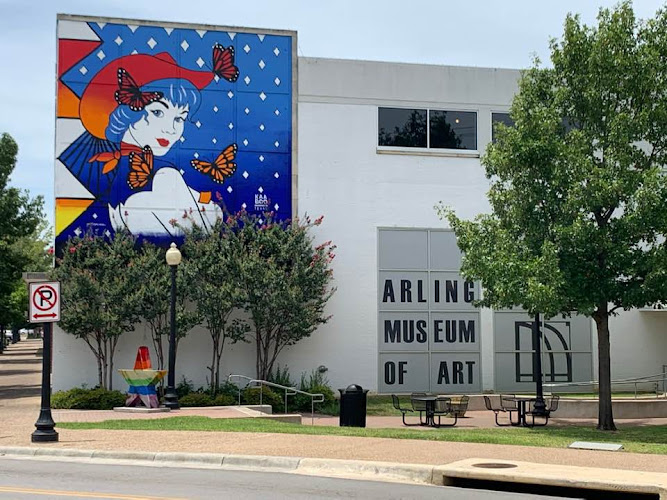
The Arlington Museum of Art is one of those places that quietly earns your respect the longer you spend inside. It isn’t massive or flashy, and honestly, that’s part of the charm. This museum focuses on rotating traveling exhibitions, with a strong emphasis on contemporary Texan art, and that rotation keeps things fresh in a way a permanent collection sometimes can’t. You might visit this year and see bold, experimental works from Texas-based artists, then come back later and find photography, sculpture, or mixed media that feels totally different. What stands out most is the museum’s willingness to take risks. Some exhibits hit you right in the gut, others make you scratch your head and mutter, “Okay… I think I get it?” And a few won’t be your thing at all. That’s fine. Art isn’t supposed to be safe. I remember one visit where a single installation kept me pacing back and forth for a good ten minutes, trying to decide whether I loved it or hated it. I left without a clear answer, which oddly felt like the point. The building itself feels approachable, not intimidating. You don’t need an art history degree or a fancy outfit to walk in. Families wander through, couples make a quiet afternoon of it, and solo travelers linger longer than they planned. There’s a calm, thoughtful atmosphere, but it never feels stuffy. And yes, you’ll hear kids laughing sometimes, which I personally take as a good sign. Art should live in the real world, noise and all. Because exhibitions rotate, the museum has a reputation for being unpredictable in a good way. Travelers who like discovering local culture beyond food and shopping will appreciate how deeply it taps into the creative pulse of Texas. It’s not trying to be New York or Los Angeles. It’s doing its own thing, and that confidence comes through.

Key Features

  • Rotating traveling exhibitions focused largely on contemporary Texan art, meaning repeat visits rarely feel repetitive
  • Live performances and special events that blur the line between visual art, music, and theater
  • A small but thoughtfully curated gift shop with locally inspired items you won’t see in airport stores
  • Onsite theater space used for performances, talks, and creative programming
  • Guided tours available, which are surprisingly helpful if modern art usually leaves you confused
  • Wheelchair-accessible entrance, parking, and restrooms, making it easier for everyone to enjoy the space
  • Family-friendly vibe that welcomes kids without dumbing things down
  • Active military discounts, a detail many visitors appreciate but don’t always expect
  • Free and paid parking options nearby, depending on timing and events

Best Time to Visit

Timing your visit to the Arlington Museum of Art can change the entire experience. Weekday afternoons tend to be the quietest. If you like having space to think, wander, and maybe sit on a bench staring at one piece for way too long, that’s your sweet spot. I’ve gone on a Tuesday when there were moments I was the only person in a gallery, which felt almost luxurious. Weekends bring more energy. Families, out-of-town visitors, and the occasional art group fill the rooms, especially when a new exhibition opens or there’s a live performance scheduled. It can feel busier, but also more social. You overhear snippets of conversation, interpretations you’d never come up with on your own. Sometimes that adds a lot. As for seasons, Texas weather matters. Summers can be brutally hot, so an indoor museum becomes a welcome escape. Air conditioning plus art is a solid combo. Fall and spring are great if you’re pairing the museum with walking around Arlington before or after. Winter is quieter overall, and honestly a nice time to go if you don’t love crowds. One tip from experience: check what exhibition is currently showing before you go. Not because you should avoid anything, but because knowing a little context can make the visit feel more intentional. Some exhibits are visually loud and playful, others are subtle and emotional. Matching that with your mood makes a difference.

How to Get There

Getting to the Arlington Museum of Art is pretty straightforward, especially if you’re already in the Dallas–Fort Worth area. Arlington sits right between the two cities, which makes it a common stop for road-trippers. If you’re driving, parking is usually manageable, and having both free and paid options nearby takes some of the stress out of it. I’ve never had to circle endlessly, which in Texas feels like a small miracle. If you’re relying on rideshare services, it’s an easy drop-off point, and drivers generally know the area well. For travelers staying nearby, walking can be pleasant, depending on the time of year and the heat. Just keep water handy. Trust me on that one. Public transportation options are more limited compared to larger cities, so planning ahead is smart. This is one of those destinations where a car makes life easier, especially if the museum is just one stop on a bigger Arlington itinerary that includes sports venues or shopping.

Tips for Visiting

First tip, and I say this from mild regret: buy tickets in advance if you can. While walk-ins are often possible, popular exhibitions and events do sell out, and there’s nothing worse than standing there thinking, wow, I should’ve planned better. Give yourself more time than you think you need. The museum isn’t huge, but contemporary art has a way of slowing you down. Some pieces demand attention. Others sneak up on you later, when you’re halfway through the next room and suddenly want to go back. If modern art intimidates you, consider joining a tour. I used to roll my eyes at guided tours, thinking they’d be boring. Turns out, a good guide can completely change how you see a piece. Not by telling you what to think, but by giving you just enough background to unlock it. Don’t skip the live performances if one happens to be scheduled during your visit. These events add a whole other layer to the museum’s personality. Seeing the space used for performance makes it feel alive, less like a quiet box of objects and more like a creative hub. Traveling with kids? Let them react honestly. This museum is good for kids not because it’s full of interactive buttons, but because it doesn’t underestimate them. Ask them what they see. Their answers will probably be better than yours. Accessibility is solid here, but if you have specific needs, it’s still worth checking ahead for current exhibitions and layouts. Rotating shows sometimes change how space is used. Finally, allow yourself to not like everything. That’s part of the experience. Some visitors leave glowing, others feel mixed, and both reactions are valid. The Arlington Museum of Art isn’t trying to please everyone all the time. It’s trying to spark conversation, curiosity, and maybe a little discomfort. And as a traveler, that’s often the stuff you remember long after the trip ends.

Key Features

  • Rotating traveling exhibitions focused largely on contemporary Texan art, meaning repeat visits rarely feel repetitive
  • Live performances and special events that blur the line between visual art, music, and theater
  • A small but thoughtfully curated gift shop with locally inspired items you won’t see in airport stores
  • Onsite theater space used for performances, talks, and creative programming
  • Guided tours available, which are surprisingly helpful if modern art usually leaves you confused
  • Wheelchair-accessible entrance, parking, and restrooms, making it easier for everyone to enjoy the space
  • Family-friendly vibe that welcomes kids without dumbing things down
  • Active military discounts, a detail many visitors appreciate but don’t always expect

More Details

Updated December 31, 2025

Description

The Arlington Museum of Art is one of those places that quietly earns your respect the longer you spend inside. It isn’t massive or flashy, and honestly, that’s part of the charm. This museum focuses on rotating traveling exhibitions, with a strong emphasis on contemporary Texan art, and that rotation keeps things fresh in a way a permanent collection sometimes can’t. You might visit this year and see bold, experimental works from Texas-based artists, then come back later and find photography, sculpture, or mixed media that feels totally different.

What stands out most is the museum’s willingness to take risks. Some exhibits hit you right in the gut, others make you scratch your head and mutter, “Okay… I think I get it?” And a few won’t be your thing at all. That’s fine. Art isn’t supposed to be safe. I remember one visit where a single installation kept me pacing back and forth for a good ten minutes, trying to decide whether I loved it or hated it. I left without a clear answer, which oddly felt like the point.

The building itself feels approachable, not intimidating. You don’t need an art history degree or a fancy outfit to walk in. Families wander through, couples make a quiet afternoon of it, and solo travelers linger longer than they planned. There’s a calm, thoughtful atmosphere, but it never feels stuffy. And yes, you’ll hear kids laughing sometimes, which I personally take as a good sign. Art should live in the real world, noise and all.

Because exhibitions rotate, the museum has a reputation for being unpredictable in a good way. Travelers who like discovering local culture beyond food and shopping will appreciate how deeply it taps into the creative pulse of Texas. It’s not trying to be New York or Los Angeles. It’s doing its own thing, and that confidence comes through.

Key Features

  • Rotating traveling exhibitions focused largely on contemporary Texan art, meaning repeat visits rarely feel repetitive
  • Live performances and special events that blur the line between visual art, music, and theater
  • A small but thoughtfully curated gift shop with locally inspired items you won’t see in airport stores
  • Onsite theater space used for performances, talks, and creative programming
  • Guided tours available, which are surprisingly helpful if modern art usually leaves you confused
  • Wheelchair-accessible entrance, parking, and restrooms, making it easier for everyone to enjoy the space
  • Family-friendly vibe that welcomes kids without dumbing things down
  • Active military discounts, a detail many visitors appreciate but don’t always expect
  • Free and paid parking options nearby, depending on timing and events

Best Time to Visit

Timing your visit to the Arlington Museum of Art can change the entire experience. Weekday afternoons tend to be the quietest. If you like having space to think, wander, and maybe sit on a bench staring at one piece for way too long, that’s your sweet spot. I’ve gone on a Tuesday when there were moments I was the only person in a gallery, which felt almost luxurious.

Weekends bring more energy. Families, out-of-town visitors, and the occasional art group fill the rooms, especially when a new exhibition opens or there’s a live performance scheduled. It can feel busier, but also more social. You overhear snippets of conversation, interpretations you’d never come up with on your own. Sometimes that adds a lot.

As for seasons, Texas weather matters. Summers can be brutally hot, so an indoor museum becomes a welcome escape. Air conditioning plus art is a solid combo. Fall and spring are great if you’re pairing the museum with walking around Arlington before or after. Winter is quieter overall, and honestly a nice time to go if you don’t love crowds.

One tip from experience: check what exhibition is currently showing before you go. Not because you should avoid anything, but because knowing a little context can make the visit feel more intentional. Some exhibits are visually loud and playful, others are subtle and emotional. Matching that with your mood makes a difference.

How to Get There

Getting to the Arlington Museum of Art is pretty straightforward, especially if you’re already in the Dallas–Fort Worth area. Arlington sits right between the two cities, which makes it a common stop for road-trippers. If you’re driving, parking is usually manageable, and having both free and paid options nearby takes some of the stress out of it. I’ve never had to circle endlessly, which in Texas feels like a small miracle.

If you’re relying on rideshare services, it’s an easy drop-off point, and drivers generally know the area well. For travelers staying nearby, walking can be pleasant, depending on the time of year and the heat. Just keep water handy. Trust me on that one.

Public transportation options are more limited compared to larger cities, so planning ahead is smart. This is one of those destinations where a car makes life easier, especially if the museum is just one stop on a bigger Arlington itinerary that includes sports venues or shopping.

Tips for Visiting

First tip, and I say this from mild regret: buy tickets in advance if you can. While walk-ins are often possible, popular exhibitions and events do sell out, and there’s nothing worse than standing there thinking, wow, I should’ve planned better.

Give yourself more time than you think you need. The museum isn’t huge, but contemporary art has a way of slowing you down. Some pieces demand attention. Others sneak up on you later, when you’re halfway through the next room and suddenly want to go back.

If modern art intimidates you, consider joining a tour. I used to roll my eyes at guided tours, thinking they’d be boring. Turns out, a good guide can completely change how you see a piece. Not by telling you what to think, but by giving you just enough background to unlock it.

Don’t skip the live performances if one happens to be scheduled during your visit. These events add a whole other layer to the museum’s personality. Seeing the space used for performance makes it feel alive, less like a quiet box of objects and more like a creative hub.

Traveling with kids? Let them react honestly. This museum is good for kids not because it’s full of interactive buttons, but because it doesn’t underestimate them. Ask them what they see. Their answers will probably be better than yours.

Accessibility is solid here, but if you have specific needs, it’s still worth checking ahead for current exhibitions and layouts. Rotating shows sometimes change how space is used.

Finally, allow yourself to not like everything. That’s part of the experience. Some visitors leave glowing, others feel mixed, and both reactions are valid. The Arlington Museum of Art isn’t trying to please everyone all the time. It’s trying to spark conversation, curiosity, and maybe a little discomfort. And as a traveler, that’s often the stuff you remember long after the trip ends.

Key Highlights

  • Rotating traveling exhibitions focused largely on contemporary Texan art, meaning repeat visits rarely feel repetitive
  • Live performances and special events that blur the line between visual art, music, and theater
  • A small but thoughtfully curated gift shop with locally inspired items you won’t see in airport stores
  • Onsite theater space used for performances, talks, and creative programming
  • Guided tours available, which are surprisingly helpful if modern art usually leaves you confused
  • Wheelchair-accessible entrance, parking, and restrooms, making it easier for everyone to enjoy the space
  • Family-friendly vibe that welcomes kids without dumbing things down
  • Active military discounts, a detail many visitors appreciate but don’t always expect

Location

Places to Stay Near Arlington Museum of Art

Find and Book a Tour

Explore More Travel Guides

No reviews found! Be the first to review!

Traveler Reviews for Arlington Museum of Art

There are no reviews yet. Be the first one to write one.

Share Your Experience

Have you visited Arlington Museum of Art? Help other travelers by sharing your review.

Find Accommodations Nearby

Recommended Tours & Activities

Visitor Reviews

There are no reviews yet. Be the first one to write one.

Share Your Experience

Have you visited Arlington Museum of Art? Help other travelers by leaving a review.