
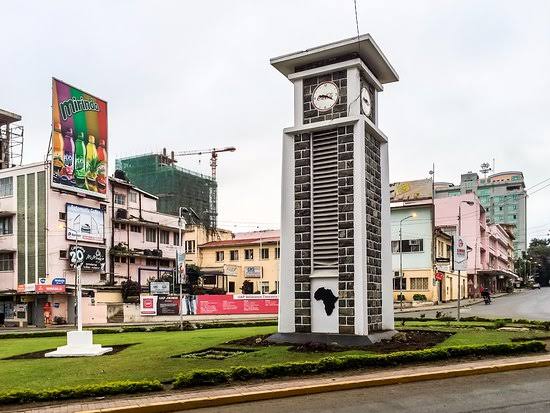
Arusha Clock Tower
About Arusha Clock Tower
Description
The Arusha Clock Tower stands as one of Tanzania's most recognizable landmarks, marking what locals proudly claim as the geographical midpoint between Cairo and Cape Town. When travelers first arrive in Arusha, this modest yet historically significant monument often becomes their first point of reference in understanding the city's layout and character. I remember the first time I stood there myself, slightly underwhelmed by its size but completely captivated by the energy surrounding it. The tower isn't some towering architectural marvel that'll have you craning your neck in awe—it's actually quite humble in stature. But that's precisely what makes it special. This roundabout monument serves as the beating heart of Arusha's city center, where roads converge and life happens in real time. The Clock Tower has become more than just a timepiece or a traffic circle feature. It's a meeting spot where locals arrange to connect with friends, a navigation point that taxi drivers reference constantly, and a symbolic marker that represents Arusha's role as the gateway to Tanzania's northern safari circuit. Many travelers pass through here without giving it much thought, treating it as merely another landmark to tick off a list. And that would be missing the point entirely. What makes this spot genuinely interesting is the daily theater that unfolds around it. Street vendors selling roasted corn and fresh juice set up shop nearby, tour operators hustle to arrange last-minute safari bookings, and business people rush between meetings in the surrounding office buildings. The Clock Tower area pulses with authentic Tanzanian urban life—something that sanitized tourist attractions can never quite capture. The monument itself underwent reconstruction in recent years, transforming from a simple pillar into a more elaborate structure with four clock faces visible from different approaches. Whether the clocks actually show the correct time on any given day remains a delightful mystery that adds to its character. But honestly, precise timekeeping isn't really why anyone comes here.Key Features
The Arusha Clock Tower offers visitors several noteworthy aspects that make it worth incorporating into your travel plans:- Geographic significance as the claimed midpoint between Cairo and Cape Town along the Cape-Cairo road, making it a symbolic location for trans-African travelers and dreamers
- Central location that provides easy access to nearby shops, restaurants, banks, and tour operator offices within walking distance
- Wheelchair accessible facilities including parking areas and restrooms, making it one of the more accessible public spaces in the city center
- Excellent photo opportunities, particularly during golden hour when the light hits just right and the surrounding activity creates dynamic backgrounds
- Proximity to local markets where authentic Tanzanian goods, from Maasai crafts to fresh produce, can be purchased at reasonable prices
- Public restroom facilities that accept both credit and debit card payments—surprisingly modern amenities for this part of East Africa
- Safe environment for families with children, as the area sees constant foot traffic and maintains a welcoming atmosphere throughout daylight hours
- Starting point for many organized city tours and safari departures, making it a practical meeting location for travelers joining group activities
- Surrounding cafes and restaurants where visitors can grab authentic Tanzanian coffee while observing daily city life unfold
Best Time to Visit
The Clock Tower area can be visited year-round since it's an outdoor monument in the heart of the city, but timing definitely matters if you want the best experience. Early mornings between 7 and 9 AM offer a completely different vibe compared to other times. The city awakens around you—commuters rushing to work, street food vendors setting up their stalls, and the air still carrying that cool freshness before the equatorial sun asserts itself. I've found these morning hours perfect for photography, and you'll encounter far fewer tourist crowds. Midday can be brutally hot, especially during the dry seasons from June through October and December through March. The sun beats down mercilessly on this exposed roundabout, and frankly, there's not much shade to seek. Unless you're specifically trying to experience the full intensity of equatorial noon, I'd recommend avoiding the Clock Tower area between 11 AM and 3 PM. Late afternoons from 4 PM onwards bring renewed energy to the area. Office workers start wrapping up their day, students head home from schools, and the temperature becomes far more pleasant. This is when the Clock Tower truly comes alive as a social gathering spot. You'll see groups of friends meeting up, vendors doing brisk business, and the whole scene takes on this golden-hour glow that makes everything look better. Weekdays generally provide a more authentic experience than weekends. The area maintains its working character with genuine daily rhythms rather than becoming too tourist-focused. However, if you're hoping to observe local weekend culture, Saturday mornings bring interesting market activity to nearby streets. The rainy seasons—primarily April, May, and November—don't necessarily ruin a visit but do bring afternoon downpours that can disrupt plans. Come prepared with rain gear if visiting during these months, and plan your Clock Tower stop for morning hours before the clouds typically open up.How to Get There
Getting to the Arusha Clock Tower couldn't be much easier given its central location. Most visitors staying anywhere in Arusha's city center can actually walk there within 10-15 minutes. If you're staying at one of the hotels on the outskirts or in areas like Njiro or Sakina, taxis remain the most straightforward option. Here's where it gets interesting though—every single taxi driver in Arusha knows the Clock Tower. You don't need to fumble with addresses or GPS coordinates. Just say "Clock Tower" and they'll know exactly where you mean. Fares from most accommodation areas shouldn't exceed 5,000-10,000 Tanzanian shillings, though tourists sometimes get quoted higher. Always negotiate the price before getting in or insist on using the meter if available. The local dala-dala minibuses serve as the most economical transport option, costing just a few hundred shillings. Routes from various parts of the city pass through or near the Clock Tower area. But be warned—these packed minibuses aren't for everyone. They operate on flexible schedules, make frequent stops, and can be overwhelming for first-time visitors unfamiliar with the system. If you're adventurous and want authentic local transport experience, absolutely give it a try. Just keep valuables secure and be prepared for some serious crowding during peak hours. Many tour operators actually use the Clock Tower as a pickup point for safari departures heading to Serengeti, Ngorongoro Crater, or other northern circuit destinations. If you've booked a tour, there's a good chance you'll meet your guide here anyway, giving you an opportunity to explore the immediate area while waiting. Walking remains my preferred method for reaching the Clock Tower from anywhere in the central business district. The streets around it form a grid pattern that's relatively easy to navigate, and you'll discover interesting shops, cafes, and local businesses along the way. Just maintain awareness of your surroundings as you would in any urban environment.Tips for Visiting
Let me share some practical advice that'll help you make the most of your Clock Tower visit, based on both my own experiences and countless conversations with other travelers. First thing—watch your belongings. The Clock Tower area is generally safe, but it's also busy and attracts opportunistic pickpockets who target distracted tourists. Keep cameras strapped around your neck rather than dangling loosely, wear backpacks on your front in crowded moments, and avoid flashing expensive jewelry or large amounts of cash. This isn't meant to scare you, just basic urban awareness that applies anywhere. Dress modestly and comfortably. Arusha isn't as conservative as coastal regions, but respectful clothing choices are appreciated. Light, breathable fabrics work best in the climate, and comfortable walking shoes are essential since you'll likely explore the surrounding streets. Women sometimes receive unwanted attention when wearing revealing clothing, so consider that when packing. Bring small denominations of Tanzanian shillings. If you plan to buy snacks, drinks, or small items from street vendors around the Clock Tower, having 1,000 and 5,000 shilling notes makes transactions much smoother. Many vendors can't break large bills, and you'll avoid the awkward negotiation about change. The Clock Tower makes an excellent orientation point for exploring the rest of Arusha. Use it as your mental compass—tour operators, the main post office, several banks with ATMs, and decent restaurants all sit within a short walk. Spend some time simply walking the streets radiating from the tower to get a feel for the city's layout. Photography here is allowed and even encouraged, but always ask permission before photographing local people. Some folks don't mind, others prefer not to be in tourist photos, and respecting those boundaries creates better interactions. The monument itself photographs well from multiple angles, and capturing the surrounding street life adds authenticity to your shots. If street vendors approach you—and they will—a polite "hapana, asante" (no, thank you) usually suffices. Some vendors can be persistent, but aggressive hassling is relatively rare compared to other tourist areas I've experienced. A few vendors actually offer decent quality crafts at reasonable prices if you're interested in shopping. Just expect to negotiate, as initial prices quoted to tourists are typically inflated. Plan to spend about 30-45 minutes in the immediate Clock Tower area unless you're combining it with shopping or dining at nearby establishments. The monument itself doesn't require more than 10 minutes to see and photograph, but the surrounding streets and atmosphere deserve some exploration time. Visit a nearby cafe for Tanzanian coffee after checking out the Clock Tower. Several establishments within a two-minute walk serve excellent locally-grown coffee that rivals anything you'll find at tourist lodges, and prices are considerably lower. It's a perfect way to pause, process your observations, and plan your next move. For families traveling with kids, the area works well as a brief stop rather than a main attraction. Children might enjoy the activity and energy but won't find specific entertainment geared toward them at the monument itself. However, the wheelchair accessible facilities and generally family-friendly atmosphere make it manageable with strollers or mobility devices. Finally, use your Clock Tower visit as an opportunity to engage with Arusha beyond the safari-centric tourism industry. Strike up conversations with locals, observe daily life, and appreciate this working African city for what it genuinely is rather than what tourist brochures sometimes present. That authentic experience—not the monument itself—is what makes the Arusha Clock Tower worth your time.Key Features
- Historic mid-20th-century clock tower with colonial-era significance
- Central location at Clocktower Roundabout — prominent meeting point
- Photogenic urban landmark popular with tourists
- Adjacent Maasai Market and street vendors offering local crafts
- Convenient starting point for safaris and day trips to nearby parks
More Details
Updated January 5, 2026
Table of Contents
Description
The Arusha Clock Tower stands as one of Tanzania’s most recognizable landmarks, marking what locals proudly claim as the geographical midpoint between Cairo and Cape Town. When travelers first arrive in Arusha, this modest yet historically significant monument often becomes their first point of reference in understanding the city’s layout and character.
I remember the first time I stood there myself, slightly underwhelmed by its size but completely captivated by the energy surrounding it. The tower isn’t some towering architectural marvel that’ll have you craning your neck in awe—it’s actually quite humble in stature. But that’s precisely what makes it special. This roundabout monument serves as the beating heart of Arusha’s city center, where roads converge and life happens in real time.
The Clock Tower has become more than just a timepiece or a traffic circle feature. It’s a meeting spot where locals arrange to connect with friends, a navigation point that taxi drivers reference constantly, and a symbolic marker that represents Arusha’s role as the gateway to Tanzania’s northern safari circuit. Many travelers pass through here without giving it much thought, treating it as merely another landmark to tick off a list. And that would be missing the point entirely.
What makes this spot genuinely interesting is the daily theater that unfolds around it. Street vendors selling roasted corn and fresh juice set up shop nearby, tour operators hustle to arrange last-minute safari bookings, and business people rush between meetings in the surrounding office buildings. The Clock Tower area pulses with authentic Tanzanian urban life—something that sanitized tourist attractions can never quite capture.
The monument itself underwent reconstruction in recent years, transforming from a simple pillar into a more elaborate structure with four clock faces visible from different approaches. Whether the clocks actually show the correct time on any given day remains a delightful mystery that adds to its character. But honestly, precise timekeeping isn’t really why anyone comes here.
Key Features
The Arusha Clock Tower offers visitors several noteworthy aspects that make it worth incorporating into your travel plans:
- Geographic significance as the claimed midpoint between Cairo and Cape Town along the Cape-Cairo road, making it a symbolic location for trans-African travelers and dreamers
- Central location that provides easy access to nearby shops, restaurants, banks, and tour operator offices within walking distance
- Wheelchair accessible facilities including parking areas and restrooms, making it one of the more accessible public spaces in the city center
- Excellent photo opportunities, particularly during golden hour when the light hits just right and the surrounding activity creates dynamic backgrounds
- Proximity to local markets where authentic Tanzanian goods, from Maasai crafts to fresh produce, can be purchased at reasonable prices
- Public restroom facilities that accept both credit and debit card payments—surprisingly modern amenities for this part of East Africa
- Safe environment for families with children, as the area sees constant foot traffic and maintains a welcoming atmosphere throughout daylight hours
- Starting point for many organized city tours and safari departures, making it a practical meeting location for travelers joining group activities
- Surrounding cafes and restaurants where visitors can grab authentic Tanzanian coffee while observing daily city life unfold
Best Time to Visit
The Clock Tower area can be visited year-round since it’s an outdoor monument in the heart of the city, but timing definitely matters if you want the best experience.
Early mornings between 7 and 9 AM offer a completely different vibe compared to other times. The city awakens around you—commuters rushing to work, street food vendors setting up their stalls, and the air still carrying that cool freshness before the equatorial sun asserts itself. I’ve found these morning hours perfect for photography, and you’ll encounter far fewer tourist crowds.
Midday can be brutally hot, especially during the dry seasons from June through October and December through March. The sun beats down mercilessly on this exposed roundabout, and frankly, there’s not much shade to seek. Unless you’re specifically trying to experience the full intensity of equatorial noon, I’d recommend avoiding the Clock Tower area between 11 AM and 3 PM.
Late afternoons from 4 PM onwards bring renewed energy to the area. Office workers start wrapping up their day, students head home from schools, and the temperature becomes far more pleasant. This is when the Clock Tower truly comes alive as a social gathering spot. You’ll see groups of friends meeting up, vendors doing brisk business, and the whole scene takes on this golden-hour glow that makes everything look better.
Weekdays generally provide a more authentic experience than weekends. The area maintains its working character with genuine daily rhythms rather than becoming too tourist-focused. However, if you’re hoping to observe local weekend culture, Saturday mornings bring interesting market activity to nearby streets.
The rainy seasons—primarily April, May, and November—don’t necessarily ruin a visit but do bring afternoon downpours that can disrupt plans. Come prepared with rain gear if visiting during these months, and plan your Clock Tower stop for morning hours before the clouds typically open up.
How to Get There
Getting to the Arusha Clock Tower couldn’t be much easier given its central location. Most visitors staying anywhere in Arusha’s city center can actually walk there within 10-15 minutes.
If you’re staying at one of the hotels on the outskirts or in areas like Njiro or Sakina, taxis remain the most straightforward option. Here’s where it gets interesting though—every single taxi driver in Arusha knows the Clock Tower. You don’t need to fumble with addresses or GPS coordinates. Just say “Clock Tower” and they’ll know exactly where you mean. Fares from most accommodation areas shouldn’t exceed 5,000-10,000 Tanzanian shillings, though tourists sometimes get quoted higher. Always negotiate the price before getting in or insist on using the meter if available.
The local dala-dala minibuses serve as the most economical transport option, costing just a few hundred shillings. Routes from various parts of the city pass through or near the Clock Tower area. But be warned—these packed minibuses aren’t for everyone. They operate on flexible schedules, make frequent stops, and can be overwhelming for first-time visitors unfamiliar with the system. If you’re adventurous and want authentic local transport experience, absolutely give it a try. Just keep valuables secure and be prepared for some serious crowding during peak hours.
Many tour operators actually use the Clock Tower as a pickup point for safari departures heading to Serengeti, Ngorongoro Crater, or other northern circuit destinations. If you’ve booked a tour, there’s a good chance you’ll meet your guide here anyway, giving you an opportunity to explore the immediate area while waiting.
Walking remains my preferred method for reaching the Clock Tower from anywhere in the central business district. The streets around it form a grid pattern that’s relatively easy to navigate, and you’ll discover interesting shops, cafes, and local businesses along the way. Just maintain awareness of your surroundings as you would in any urban environment.
Tips for Visiting
Let me share some practical advice that’ll help you make the most of your Clock Tower visit, based on both my own experiences and countless conversations with other travelers.
First thing—watch your belongings. The Clock Tower area is generally safe, but it’s also busy and attracts opportunistic pickpockets who target distracted tourists. Keep cameras strapped around your neck rather than dangling loosely, wear backpacks on your front in crowded moments, and avoid flashing expensive jewelry or large amounts of cash. This isn’t meant to scare you, just basic urban awareness that applies anywhere.
Dress modestly and comfortably. Arusha isn’t as conservative as coastal regions, but respectful clothing choices are appreciated. Light, breathable fabrics work best in the climate, and comfortable walking shoes are essential since you’ll likely explore the surrounding streets. Women sometimes receive unwanted attention when wearing revealing clothing, so consider that when packing.
Bring small denominations of Tanzanian shillings. If you plan to buy snacks, drinks, or small items from street vendors around the Clock Tower, having 1,000 and 5,000 shilling notes makes transactions much smoother. Many vendors can’t break large bills, and you’ll avoid the awkward negotiation about change.
The Clock Tower makes an excellent orientation point for exploring the rest of Arusha. Use it as your mental compass—tour operators, the main post office, several banks with ATMs, and decent restaurants all sit within a short walk. Spend some time simply walking the streets radiating from the tower to get a feel for the city’s layout.
Photography here is allowed and even encouraged, but always ask permission before photographing local people. Some folks don’t mind, others prefer not to be in tourist photos, and respecting those boundaries creates better interactions. The monument itself photographs well from multiple angles, and capturing the surrounding street life adds authenticity to your shots.
If street vendors approach you—and they will—a polite “hapana, asante” (no, thank you) usually suffices. Some vendors can be persistent, but aggressive hassling is relatively rare compared to other tourist areas I’ve experienced. A few vendors actually offer decent quality crafts at reasonable prices if you’re interested in shopping. Just expect to negotiate, as initial prices quoted to tourists are typically inflated.
Plan to spend about 30-45 minutes in the immediate Clock Tower area unless you’re combining it with shopping or dining at nearby establishments. The monument itself doesn’t require more than 10 minutes to see and photograph, but the surrounding streets and atmosphere deserve some exploration time.
Visit a nearby cafe for Tanzanian coffee after checking out the Clock Tower. Several establishments within a two-minute walk serve excellent locally-grown coffee that rivals anything you’ll find at tourist lodges, and prices are considerably lower. It’s a perfect way to pause, process your observations, and plan your next move.
For families traveling with kids, the area works well as a brief stop rather than a main attraction. Children might enjoy the activity and energy but won’t find specific entertainment geared toward them at the monument itself. However, the wheelchair accessible facilities and generally family-friendly atmosphere make it manageable with strollers or mobility devices.
Finally, use your Clock Tower visit as an opportunity to engage with Arusha beyond the safari-centric tourism industry. Strike up conversations with locals, observe daily life, and appreciate this working African city for what it genuinely is rather than what tourist brochures sometimes present. That authentic experience—not the monument itself—is what makes the Arusha Clock Tower worth your time.
Key Highlights
- Historic mid-20th-century clock tower with colonial-era significance
- Central location at Clocktower Roundabout — prominent meeting point
- Photogenic urban landmark popular with tourists
- Adjacent Maasai Market and street vendors offering local crafts
- Convenient starting point for safaris and day trips to nearby parks
Location
Places to Stay Near Arusha Clock Tower
Find and Book a Tour
Explore More Travel Guides
No reviews found! Be the first to review!
Traveler Reviews for Arusha Clock Tower
There are no reviews yet. Be the first one to write one.
Have you visited Arusha Clock Tower? Help other travelers by sharing your review.
Nearby Attractions
You Might Also Like
Lemboranisms tour and safaris

The Milimani Garden

Kibowhy Safaris
Find Accommodations Nearby
Recommended Tours & Activities
Visitor Reviews
There are no reviews yet. Be the first one to write one.
Share Your Experience
Have you visited Arusha Clock Tower? Help other travelers by leaving a review.