
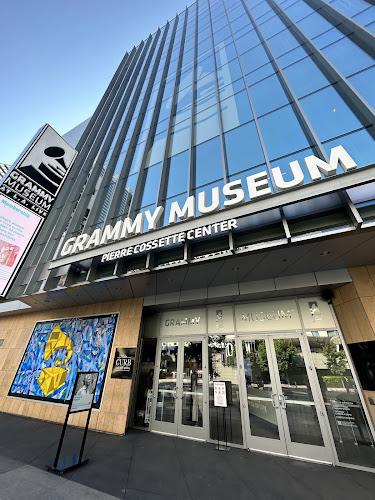
GRAMMY Museum
About GRAMMY Museum
Description
The GRAMMY Museum stands as a dedicated celebration of music's profound impact on American culture and beyond. Spread across multiple floors of interactive exhibits and carefully curated displays, this institution offers visitors an immersive journey through decades of musical evolution, from early recording techniques to today's digital revolution. Unlike traditional museums where you're just looking at things behind glass, this place actually lets you engage with the material in ways that'll surprise you. What makes this museum particularly special is how it bridges the gap between honoring music legends of the past while simultaneously spotlighting emerging artists who are shaping the industry right now. You'll find yourself standing in front of stage costumes worn by icons whose music shaped generations, then turn a corner and discover technology that lets you mix your own tracks or try your hand at songwriting. And honestly, that combination of reverence for history and hands-on experimentation is what sets this place apart from other music-focused attractions. The museum doesn't just focus on one genre either, which I think is crucial. Whether you're into classic rock, hip-hop, jazz, country, or electronic music, you'll find exhibits that speak to your musical soul. I've heard from friends who visited with their teenagers that everyone in their group found something that resonated, which is pretty rare when you're dealing with different generations and tastes. The facility itself sprawls across enough space that you could easily spend half a day here without feeling rushed. But it never feels overwhelming or like you're just wandering aimlessly. The layout guides you through music history in a way that feels natural, building on what you've just seen and learned.Key Features
The GRAMMY Museum packs in features that go way beyond what you'd expect from a typical museum experience:- Interactive exhibits that let visitors record their own music, experiment with instruments, and understand the technical side of music production
- Rotating exhibits featuring artifacts from music's biggest names, including iconic outfits, handwritten lyrics, instruments actually played on famous recordings, and awards
- Live performance spaces where emerging artists and established musicians perform intimate sets throughout the year
- Hands-on mixing boards and recording equipment that give you a taste of what it's like to work in a professional studio environment
- Educational programs and workshops designed for all age groups, from school children to adults looking to deepen their musical knowledge
- A comprehensive theater showing documentaries and performances that provide context to the exhibits
- Special military discounts for active service members and their families
- A well-stocked gift shop featuring music memorabilia, books, and unique items you won't find elsewhere
- An onsite cafe where visitors can refuel between exhibits without having to leave the building
- Complete wheelchair accessibility throughout the facility, including entrances, parking, restrooms, and exhibit spaces
- Guided tours that provide insider knowledge and stories behind the artifacts on display
Best Time to Visit
Timing your visit to the GRAMMY Museum can make a significant difference in your experience. Weekday mornings, particularly Tuesday through Thursday, tend to be the quietest times. You'll have more space to really engage with the interactive exhibits without waiting in line, and you can spend as much time as you want reading the detailed information accompanying each display. Weekends naturally draw bigger crowds, especially during afternoon hours when families are out exploring. If you're visiting on a Saturday or Sunday, try to arrive right when doors open. That first hour is golden - you'll get to experience the most popular exhibits before the groups start rolling in. School groups frequently visit during the academic year, so if you're trying to avoid large crowds of students, summer months might work in your favor. But then again, summer also brings tourists, so there's always a trade-off. Late afternoons on weekdays, around 3-4 PM, often see a lull before the after-work crowd arrives. If you're specifically interested in catching one of their live performances, you'll want to plan your visit around their event schedule. These performances add a whole different dimension to the experience, and they're often included with general admission. Just make sure to book your tickets in advance because these shows can fill up quickly. The museum occasionally hosts special exhibitions tied to major music events or anniversaries, which can draw substantial crowds but also offer unique experiences you won't get during regular times. Weather isn't really a factor here since it's entirely indoors, which makes it a perfect destination year-round.How to Get There
Getting to the GRAMMY Museum requires some planning, but it's definitely manageable with multiple transportation options available. The museum operates a paid parking lot onsite, which is probably your most convenient option if you're driving. Just factor in parking costs when budgeting for your visit - parking in this area isn't exactly cheap, but having your car right there eliminates the hassle of finding street parking or walking long distances. Public transportation is a solid alternative that many locals prefer. The metro system provides access to the area, and you can walk to the museum from the nearest stations. It takes a bit longer than driving directly, but you'll save money on parking and won't have to deal with traffic headaches. Ride-sharing services work well too, especially if you're coming from a hotel in the area or don't want to deal with parking at all. Just plan for surge pricing during peak hours and major events happening nearby. The drop-off area is clearly marked and convenient. If you're staying at a downtown hotel, walking might actually be your best bet depending on the distance. The neighborhood has improved significantly over the years, though like any urban area, you'll want to stay aware of your surroundings and stick to well-trafficked routes. For visitors coming from out of town, coordinating your museum visit with other downtown attractions makes sense. You're already paying for parking or transportation, so maximizing your time in the area helps you get the most value from your trip.Tips for Visiting
Book your tickets online ahead of time. Seriously, don't skip this step. The museum recommends advance purchase for good reason - it saves you time at the entrance and guarantees admission during busy periods. Plus, you'll often find that buying ahead gives you a clearer picture of what your day will cost. Wear comfortable shoes because you'll be standing and walking more than you probably expect. The museum spans multiple floors, and when you get caught up in the exhibits (which you will), you might find yourself spending three or four hours here without even realizing it. Start at the top floor and work your way down if you want to follow the chronological flow of music history. But honestly, there's no wrong way to explore this place. Some people prefer jumping straight to the exhibits that interest them most, then filling in the gaps afterward. Don't rush through the interactive elements. Those mixing boards and recording stations aren't just gimmicks - they're genuinely educational and fun. I know it might feel a bit awkward at first if there are people around, but everyone else is doing the same thing. Nobody's judging your musical abilities here. Bring your phone or camera for photos, though be respectful of any no-photography zones around certain artifacts. The museum is pretty photogenic, and you'll want to capture some memories. Just keep your flash off where indicated. Check their website before visiting to see what special exhibits are currently running. The rotating nature of their displays means your experience could be quite different from someone who visited six months ago. That's actually a great reason to return if you've been before. The cafe onsite is convenient but prices are what you'd expect from a museum facility. You might want to eat a substantial meal before arriving and just grab a snack there if needed. But having that option available is nice when you're midway through your visit and need an energy boost. If you're visiting with kids, the interactive exhibits will keep them engaged much better than traditional museum displays. But younger children can get overstimulated, so having a game plan and building in breaks will make everyone's experience more enjoyable. Military families should definitely take advantage of those active duty discounts - it's a nice gesture that makes admission more affordable. Bring your military ID to ensure you get the discount at the ticket counter. Finally, give yourself permission to geek out here. Whether you're a casual music fan or someone who obsesses over liner notes and production credits, this museum rewards enthusiasm. Talk to the staff, ask questions, and really dive into the exhibits that speak to you. That's when the GRAMMY Museum transforms from just another tourist stop into something genuinely memorable.Key Features
- Interactive exhibits that let visitors record their own music, experiment with instruments, and understand the technical side of music production
- Rotating exhibits featuring artifacts from music's biggest names, including iconic outfits, handwritten lyrics, instruments actually played on famous recordings, and awards
- Live performance spaces where emerging artists and established musicians perform intimate sets throughout the year
- Hands-on mixing boards and recording equipment that give you a taste of what it's like to work in a professional studio environment
- Educational programs and workshops designed for all age groups, from school children to adults looking to deepen their musical knowledge
- A comprehensive theater showing documentaries and performances that provide context to the exhibits
- Special military discounts for active service members and their families
- A well-stocked gift shop featuring music memorabilia, books, and unique items you won't find elsewhere
More Details
Updated January 6, 2026
Table of Contents
Description
The GRAMMY Museum stands as a dedicated celebration of music’s profound impact on American culture and beyond. Spread across multiple floors of interactive exhibits and carefully curated displays, this institution offers visitors an immersive journey through decades of musical evolution, from early recording techniques to today’s digital revolution. Unlike traditional museums where you’re just looking at things behind glass, this place actually lets you engage with the material in ways that’ll surprise you.
What makes this museum particularly special is how it bridges the gap between honoring music legends of the past while simultaneously spotlighting emerging artists who are shaping the industry right now. You’ll find yourself standing in front of stage costumes worn by icons whose music shaped generations, then turn a corner and discover technology that lets you mix your own tracks or try your hand at songwriting. And honestly, that combination of reverence for history and hands-on experimentation is what sets this place apart from other music-focused attractions.
The museum doesn’t just focus on one genre either, which I think is crucial. Whether you’re into classic rock, hip-hop, jazz, country, or electronic music, you’ll find exhibits that speak to your musical soul. I’ve heard from friends who visited with their teenagers that everyone in their group found something that resonated, which is pretty rare when you’re dealing with different generations and tastes.
The facility itself sprawls across enough space that you could easily spend half a day here without feeling rushed. But it never feels overwhelming or like you’re just wandering aimlessly. The layout guides you through music history in a way that feels natural, building on what you’ve just seen and learned.
Key Features
The GRAMMY Museum packs in features that go way beyond what you’d expect from a typical museum experience:
- Interactive exhibits that let visitors record their own music, experiment with instruments, and understand the technical side of music production
- Rotating exhibits featuring artifacts from music’s biggest names, including iconic outfits, handwritten lyrics, instruments actually played on famous recordings, and awards
- Live performance spaces where emerging artists and established musicians perform intimate sets throughout the year
- Hands-on mixing boards and recording equipment that give you a taste of what it’s like to work in a professional studio environment
- Educational programs and workshops designed for all age groups, from school children to adults looking to deepen their musical knowledge
- A comprehensive theater showing documentaries and performances that provide context to the exhibits
- Special military discounts for active service members and their families
- A well-stocked gift shop featuring music memorabilia, books, and unique items you won’t find elsewhere
- An onsite cafe where visitors can refuel between exhibits without having to leave the building
- Complete wheelchair accessibility throughout the facility, including entrances, parking, restrooms, and exhibit spaces
- Guided tours that provide insider knowledge and stories behind the artifacts on display
Best Time to Visit
Timing your visit to the GRAMMY Museum can make a significant difference in your experience. Weekday mornings, particularly Tuesday through Thursday, tend to be the quietest times. You’ll have more space to really engage with the interactive exhibits without waiting in line, and you can spend as much time as you want reading the detailed information accompanying each display.
Weekends naturally draw bigger crowds, especially during afternoon hours when families are out exploring. If you’re visiting on a Saturday or Sunday, try to arrive right when doors open. That first hour is golden – you’ll get to experience the most popular exhibits before the groups start rolling in.
School groups frequently visit during the academic year, so if you’re trying to avoid large crowds of students, summer months might work in your favor. But then again, summer also brings tourists, so there’s always a trade-off. Late afternoons on weekdays, around 3-4 PM, often see a lull before the after-work crowd arrives.
If you’re specifically interested in catching one of their live performances, you’ll want to plan your visit around their event schedule. These performances add a whole different dimension to the experience, and they’re often included with general admission. Just make sure to book your tickets in advance because these shows can fill up quickly.
The museum occasionally hosts special exhibitions tied to major music events or anniversaries, which can draw substantial crowds but also offer unique experiences you won’t get during regular times. Weather isn’t really a factor here since it’s entirely indoors, which makes it a perfect destination year-round.
How to Get There
Getting to the GRAMMY Museum requires some planning, but it’s definitely manageable with multiple transportation options available. The museum operates a paid parking lot onsite, which is probably your most convenient option if you’re driving. Just factor in parking costs when budgeting for your visit – parking in this area isn’t exactly cheap, but having your car right there eliminates the hassle of finding street parking or walking long distances.
Public transportation is a solid alternative that many locals prefer. The metro system provides access to the area, and you can walk to the museum from the nearest stations. It takes a bit longer than driving directly, but you’ll save money on parking and won’t have to deal with traffic headaches.
Ride-sharing services work well too, especially if you’re coming from a hotel in the area or don’t want to deal with parking at all. Just plan for surge pricing during peak hours and major events happening nearby. The drop-off area is clearly marked and convenient.
If you’re staying at a downtown hotel, walking might actually be your best bet depending on the distance. The neighborhood has improved significantly over the years, though like any urban area, you’ll want to stay aware of your surroundings and stick to well-trafficked routes.
For visitors coming from out of town, coordinating your museum visit with other downtown attractions makes sense. You’re already paying for parking or transportation, so maximizing your time in the area helps you get the most value from your trip.
Tips for Visiting
Book your tickets online ahead of time. Seriously, don’t skip this step. The museum recommends advance purchase for good reason – it saves you time at the entrance and guarantees admission during busy periods. Plus, you’ll often find that buying ahead gives you a clearer picture of what your day will cost.
Wear comfortable shoes because you’ll be standing and walking more than you probably expect. The museum spans multiple floors, and when you get caught up in the exhibits (which you will), you might find yourself spending three or four hours here without even realizing it.
Start at the top floor and work your way down if you want to follow the chronological flow of music history. But honestly, there’s no wrong way to explore this place. Some people prefer jumping straight to the exhibits that interest them most, then filling in the gaps afterward.
Don’t rush through the interactive elements. Those mixing boards and recording stations aren’t just gimmicks – they’re genuinely educational and fun. I know it might feel a bit awkward at first if there are people around, but everyone else is doing the same thing. Nobody’s judging your musical abilities here.
Bring your phone or camera for photos, though be respectful of any no-photography zones around certain artifacts. The museum is pretty photogenic, and you’ll want to capture some memories. Just keep your flash off where indicated.
Check their website before visiting to see what special exhibits are currently running. The rotating nature of their displays means your experience could be quite different from someone who visited six months ago. That’s actually a great reason to return if you’ve been before.
The cafe onsite is convenient but prices are what you’d expect from a museum facility. You might want to eat a substantial meal before arriving and just grab a snack there if needed. But having that option available is nice when you’re midway through your visit and need an energy boost.
If you’re visiting with kids, the interactive exhibits will keep them engaged much better than traditional museum displays. But younger children can get overstimulated, so having a game plan and building in breaks will make everyone’s experience more enjoyable.
Military families should definitely take advantage of those active duty discounts – it’s a nice gesture that makes admission more affordable. Bring your military ID to ensure you get the discount at the ticket counter.
Finally, give yourself permission to geek out here. Whether you’re a casual music fan or someone who obsesses over liner notes and production credits, this museum rewards enthusiasm. Talk to the staff, ask questions, and really dive into the exhibits that speak to you. That’s when the GRAMMY Museum transforms from just another tourist stop into something genuinely memorable.
Key Highlights
- Interactive exhibits that let visitors record their own music, experiment with instruments, and understand the technical side of music production
- Rotating exhibits featuring artifacts from music's biggest names, including iconic outfits, handwritten lyrics, instruments actually played on famous recordings, and awards
- Live performance spaces where emerging artists and established musicians perform intimate sets throughout the year
- Hands-on mixing boards and recording equipment that give you a taste of what it's like to work in a professional studio environment
- Educational programs and workshops designed for all age groups, from school children to adults looking to deepen their musical knowledge
- A comprehensive theater showing documentaries and performances that provide context to the exhibits
- Special military discounts for active service members and their families
- A well-stocked gift shop featuring music memorabilia, books, and unique items you won't find elsewhere
Location
Places to Stay Near GRAMMY Museum
Find and Book a Tour
Explore More Travel Guides
No reviews found! Be the first to review!
Traveler Reviews for GRAMMY Museum
There are no reviews yet. Be the first one to write one.
Have you visited GRAMMY Museum? Help other travelers by sharing your review.
You Might Also Like
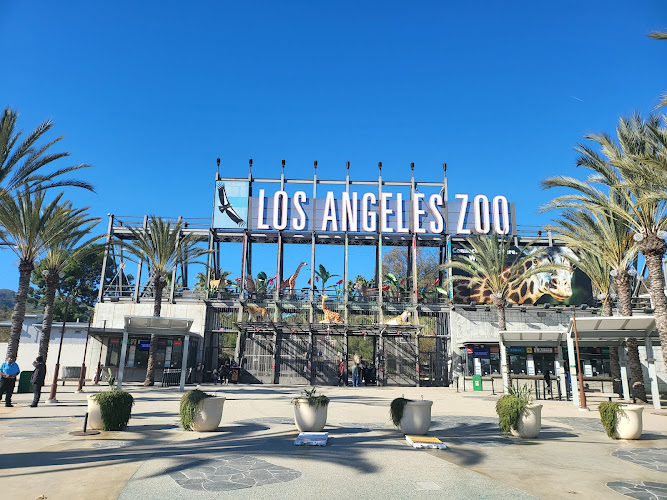
Los Angeles Zoo
Travel Town Gift Shop
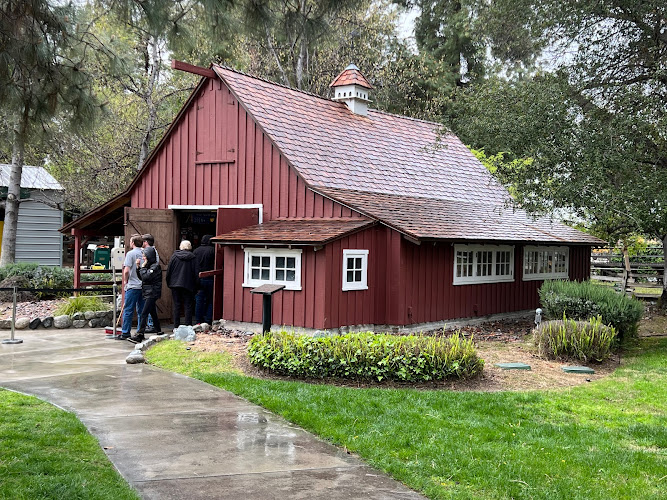
Walt Disney’s Carolwood Barn
Find Accommodations Nearby
Recommended Tours & Activities
Visitor Reviews
There are no reviews yet. Be the first one to write one.
Share Your Experience
Have you visited GRAMMY Museum? Help other travelers by leaving a review.