
Nitra
About Nitra
Description
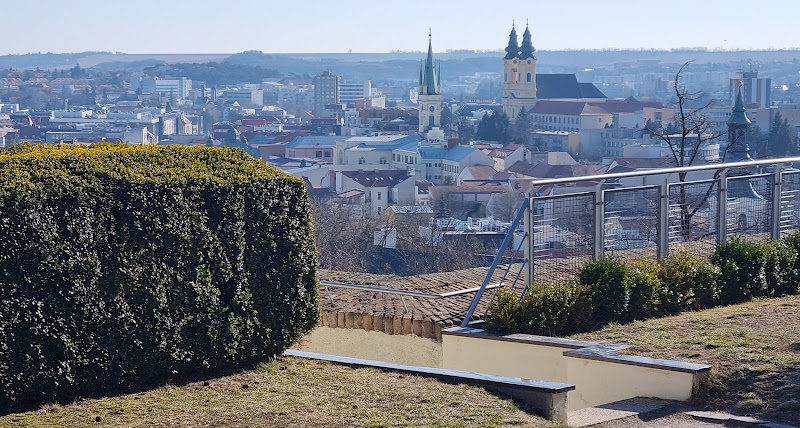
Nitra sits comfortably in southwestern Slovakia, about 90 kilometers from Bratislava, and honestly, it's one of those places that deserves way more attention than it gets. I remember my first visit there – I was expecting just another small European city, but what I found was something much more layered and interesting. The Zobor Mountain provides this gorgeous backdrop to the whole place, and the Nitra River Valley gives the city a certain character that's hard to pin down exactly, but you feel it when you're walking around. With around 78,000 people calling it home, Nitra ranks as Slovakia's fifth-largest city, though it never feels overwhelming or too crowded. What really sets this place apart is its age – we're talking about one of the oldest cities in Slovakia, with roots stretching back over a thousand years. The city played a crucial role in the early Christian history of Central Europe, and you can literally see that history written into the architecture and urban layout. The old town area features this interesting mix of architectural periods all squashed together in a way that somehow works. You've got Baroque buildings standing next to Gothic structures, with some modern additions thrown in that don't completely ruin the aesthetic. And the Nitra Castle complex dominates the skyline in a way that constantly reminds you you're somewhere with serious historical weight. But what I found most appealing about Nitra was how it exists primarily for its residents rather than tourists. This isn't Prague or even Bratislava – you won't find tour groups clogging every street corner. Instead, you get an authentic glimpse into Slovak life, with locals going about their daily business, students filling the cafes (there's a major university here), and that relaxed Central European pace that makes you want to slow down and actually experience things rather than just checking boxes on an itinerary.Key Features
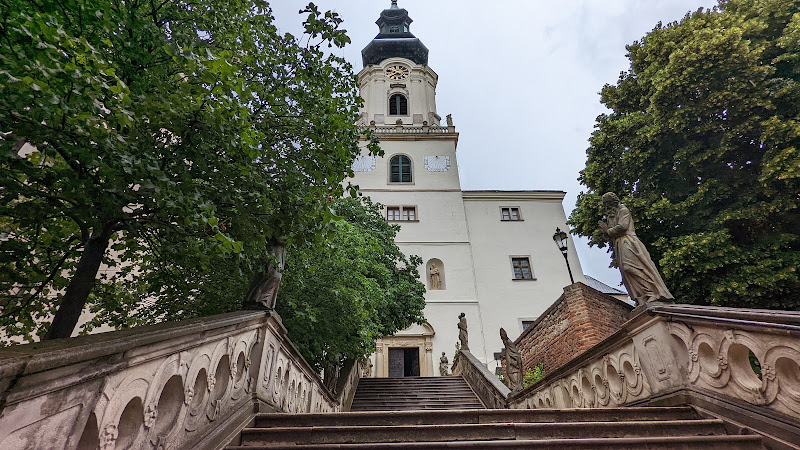
The city offers several distinctive attributes that make it worth your time and travel effort:- Nitra Castle – This isn't just one building but an entire complex sitting on a hill overlooking the city. The castle houses the oldest parts of Nitra, including St. Emmeram's Cathedral with its impressive Romanesque and Gothic elements. Walking up here gives you spectacular views across the valley, and the whole area has this quiet, contemplative atmosphere that larger tourist sites have long since lost.
- Zobor Mountain – Rising behind the city, Zobor provides hiking opportunities right on Nitra's doorstep. The trails aren't overly challenging, making them accessible for most fitness levels, and the forested slopes offer a quick escape from urban life. The mountain holds spiritual significance too, with monastery ruins dating back centuries.
- Historic Old Town – The pedestrian zones in the city center showcase beautifully restored buildings housing cafes, restaurants, and shops. The architecture tells the story of different eras, and you can spend hours just wandering and discovering hidden courtyards and interesting facades.
- Agrokomplex Exhibition Center – This might sound odd to include, but Nitra hosts one of Central Europe's largest agricultural fairs here. If you happen to visit during one of the major exhibitions, you'll see a completely different side of Slovak culture and economy.
- University Atmosphere – Constantine the Philosopher University brings a youthful energy to the city, with student life creating a cafe culture and nightlife scene you might not expect in a city of this size.
- Religious Heritage – Beyond the castle cathedral, numerous churches dot the cityscape, each with its own architectural merit and historical significance. The city's role in early Christian Slovakia is evident everywhere you look.
- Thermal Spas Nearby – The surrounding region features several thermal spa facilities, making Nitra a good base for combining cultural exploration with some relaxation and wellness activities.
Best Time to Visit
Timing your visit to Nitra really depends on what you're after, and I'll be straight with you – each season offers something different, though some are definitely more comfortable than others. Late spring, particularly May through early June, hits that sweet spot where the weather's genuinely pleasant without being too hot. The trees around Zobor Mountain turn properly green, outdoor cafes open their terraces, and locals seem happier after the long winter. Temperatures usually hover in the comfortable 18-24°C range, perfect for walking around the old town without working up a sweat. Plus, you'll catch the tail end of university term, so the city still has that energetic feel before students head home for summer. September and early October bring similar weather conditions, and autumn in the Nitra River Valley is genuinely beautiful. The foliage changes color, there's this crisp quality to the air, and the tourist season (such as it is in Nitra) has wound down. I actually prefer this time because the light is incredible for photography, and the harvest season means local restaurants feature seasonal specialties you won't find at other times. Summer, particularly July and August, can get hot – sometimes uncomfortably so, with temperatures occasionally pushing past 30°C. But the upside is longer days, various cultural festivals and events, and everything is definitely open and operating at full capacity. If heat doesn't bother you, summer works fine. Winter is trickier. December can be charming with Christmas markets and festive decorations, and if you luck into snow, the castle looks absolutely magical. But January and February can be properly cold and grey, with temperatures dropping well below freezing. Some attractions have reduced hours, and the general vibe gets more subdued. However, if you're looking for off-season prices and don't mind bundling up, winter has its appeal – just maybe avoid it for a first visit. One insider tip: check the Agrokomplex event calendar before booking. During major agricultural fairs, hotel prices spike and availability drops. Unless you're specifically interested in these events, you might want to avoid those dates.How to Get There
Getting to Nitra is actually more straightforward than you might think, though it does require a bit of planning since the city doesn't have its own airport. Most international visitors fly into Bratislava Airport, which sits about 90 kilometers southwest of Nitra. From there, you've got several options. Renting a car gives you the most flexibility and the drive takes roughly an hour via highway, which is in decent condition. The route is pretty simple and well-signposted. If you're not comfortable driving, buses run regularly between Bratislava and Nitra. The journey takes about 90 minutes to two hours depending on the service, and tickets are reasonably priced. You can catch buses from Bratislava's main bus station, and they arrive at Nitra's bus station, which is within walking distance of the city center or a short taxi ride away. Another option is flying into Vienna International Airport in Austria, which is actually slightly closer than Bratislava at about 150 kilometers away. Vienna's a major hub with more international connections, so you might find better flight options and prices. From Vienna, you can take a bus to Bratislava and then continue to Nitra, or rent a car and drive directly. Train connections exist but they're slower and less frequent than buses. Slovakia's rail network isn't the fastest in Europe, though if you're already traveling through the country by train, Nitra does have a station with connections to Bratislava and other Slovak cities. Budapest is another feasible option for your arrival airport, sitting about 210 kilometers southeast of Nitra. The journey takes longer but if you're doing a Central European tour, it might make sense logistically. Once you're actually in Nitra, getting around is pretty easy. The city center is compact and walkable, which is how you'll want to experience it anyway. Local buses serve the outer areas if needed, but honestly, comfortable walking shoes are your best transportation investment here.Tips for Visiting
After spending time in Nitra, I've picked up some practical insights that'll make your visit smoother and more enjoyable. First off, learn a few basic Slovak phrases. Unlike Bratislava or Prague where English is widely spoken, Nitra is less touristy and you'll encounter plenty of locals with limited English. A simple "dobrý deň" (good day) or "ďakujem" (thank you) goes surprisingly far in creating positive interactions. Most younger people speak some English, especially around the university, but don't count on it everywhere. Cash remains important here. While larger establishments accept cards, smaller cafes, shops, and especially market vendors often prefer cash. ATMs are readily available throughout the city, but grab some euros before heading to more remote areas like Zobor Mountain. The castle complex deserves at least two to three hours of your time – don't rush it. Many visitors make the mistake of doing a quick walkthrough, but there's real depth here if you take time to explore properly. The cathedral alone warrants careful examination, and the views from different vantage points around the complex change throughout the day as the light shifts. For food, skip the overly touristy-looking places around the main square and venture into side streets where locals actually eat. Slovak cuisine is hearty and delicious – think dumplings, cabbage, pork, and cheese – but it's not always presented well in tourist-oriented restaurants. Ask students or young locals for recommendations; they'll point you toward authentic spots with reasonable prices. Timing your Zobor Mountain hike matters. Start early morning or late afternoon to avoid midday heat in summer. The trails are well-marked but bring water because there aren't facilities once you're on the mountain. The monastery ruins are worth reaching, though the trail does get moderately steep in sections. If you're visiting religious sites, dress respectfully. This should be obvious but I've seen tourists turned away from the cathedral for inappropriate clothing. Shoulders and knees covered is the safe bet. Public transportation is cheap and efficient if you need it, but get a transit app or paper schedule because English information at bus stops can be limited. Taxis are affordable by Western European standards but agree on price beforehand or ensure the meter's running. The Nitra region produces wine, and you'll find local varieties in restaurants that you won't encounter elsewhere. Don't be afraid to try them – Slovak wine doesn't have international recognition but some of it's genuinely good. Finally, adjust your expectations appropriately. Nitra isn't going to blow you away with Instagram-worthy moments at every corner like some European cities. What it offers instead is authenticity, history you can actually feel rather than just read about, and a window into Slovak life that mass tourism hasn't commercialized yet. If you approach it with that mindset, you'll appreciate what makes this city special rather than being disappointed by what it isn't.Key Features
- Historic hilltop and archaeological remains linked to early medieval Nitra
- Short, well-marked walking and interpretive trails
- Scenic viewpoints over the Nitra River valley
- Urban-adjacent green space ideal for picnics and birdwatching
- Easy walking access from Nitra city center and cultural sites
More Details
Updated January 17, 2026
Table of Contents
Description
Nitra sits comfortably in southwestern Slovakia, about 90 kilometers from Bratislava, and honestly, it’s one of those places that deserves way more attention than it gets. I remember my first visit there – I was expecting just another small European city, but what I found was something much more layered and interesting. The Zobor Mountain provides this gorgeous backdrop to the whole place, and the Nitra River Valley gives the city a certain character that’s hard to pin down exactly, but you feel it when you’re walking around.
With around 78,000 people calling it home, Nitra ranks as Slovakia’s fifth-largest city, though it never feels overwhelming or too crowded. What really sets this place apart is its age – we’re talking about one of the oldest cities in Slovakia, with roots stretching back over a thousand years. The city played a crucial role in the early Christian history of Central Europe, and you can literally see that history written into the architecture and urban layout.
The old town area features this interesting mix of architectural periods all squashed together in a way that somehow works. You’ve got Baroque buildings standing next to Gothic structures, with some modern additions thrown in that don’t completely ruin the aesthetic. And the Nitra Castle complex dominates the skyline in a way that constantly reminds you you’re somewhere with serious historical weight.
But what I found most appealing about Nitra was how it exists primarily for its residents rather than tourists. This isn’t Prague or even Bratislava – you won’t find tour groups clogging every street corner. Instead, you get an authentic glimpse into Slovak life, with locals going about their daily business, students filling the cafes (there’s a major university here), and that relaxed Central European pace that makes you want to slow down and actually experience things rather than just checking boxes on an itinerary.
Key Features
The city offers several distinctive attributes that make it worth your time and travel effort:
- Nitra Castle – This isn’t just one building but an entire complex sitting on a hill overlooking the city. The castle houses the oldest parts of Nitra, including St. Emmeram’s Cathedral with its impressive Romanesque and Gothic elements. Walking up here gives you spectacular views across the valley, and the whole area has this quiet, contemplative atmosphere that larger tourist sites have long since lost.
- Zobor Mountain – Rising behind the city, Zobor provides hiking opportunities right on Nitra’s doorstep. The trails aren’t overly challenging, making them accessible for most fitness levels, and the forested slopes offer a quick escape from urban life. The mountain holds spiritual significance too, with monastery ruins dating back centuries.
- Historic Old Town – The pedestrian zones in the city center showcase beautifully restored buildings housing cafes, restaurants, and shops. The architecture tells the story of different eras, and you can spend hours just wandering and discovering hidden courtyards and interesting facades.
- Agrokomplex Exhibition Center – This might sound odd to include, but Nitra hosts one of Central Europe’s largest agricultural fairs here. If you happen to visit during one of the major exhibitions, you’ll see a completely different side of Slovak culture and economy.
- University Atmosphere – Constantine the Philosopher University brings a youthful energy to the city, with student life creating a cafe culture and nightlife scene you might not expect in a city of this size.
- Religious Heritage – Beyond the castle cathedral, numerous churches dot the cityscape, each with its own architectural merit and historical significance. The city’s role in early Christian Slovakia is evident everywhere you look.
- Thermal Spas Nearby – The surrounding region features several thermal spa facilities, making Nitra a good base for combining cultural exploration with some relaxation and wellness activities.
Best Time to Visit
Timing your visit to Nitra really depends on what you’re after, and I’ll be straight with you – each season offers something different, though some are definitely more comfortable than others.
Late spring, particularly May through early June, hits that sweet spot where the weather’s genuinely pleasant without being too hot. The trees around Zobor Mountain turn properly green, outdoor cafes open their terraces, and locals seem happier after the long winter. Temperatures usually hover in the comfortable 18-24°C range, perfect for walking around the old town without working up a sweat. Plus, you’ll catch the tail end of university term, so the city still has that energetic feel before students head home for summer.
September and early October bring similar weather conditions, and autumn in the Nitra River Valley is genuinely beautiful. The foliage changes color, there’s this crisp quality to the air, and the tourist season (such as it is in Nitra) has wound down. I actually prefer this time because the light is incredible for photography, and the harvest season means local restaurants feature seasonal specialties you won’t find at other times.
Summer, particularly July and August, can get hot – sometimes uncomfortably so, with temperatures occasionally pushing past 30°C. But the upside is longer days, various cultural festivals and events, and everything is definitely open and operating at full capacity. If heat doesn’t bother you, summer works fine.
Winter is trickier. December can be charming with Christmas markets and festive decorations, and if you luck into snow, the castle looks absolutely magical. But January and February can be properly cold and grey, with temperatures dropping well below freezing. Some attractions have reduced hours, and the general vibe gets more subdued. However, if you’re looking for off-season prices and don’t mind bundling up, winter has its appeal – just maybe avoid it for a first visit.
One insider tip: check the Agrokomplex event calendar before booking. During major agricultural fairs, hotel prices spike and availability drops. Unless you’re specifically interested in these events, you might want to avoid those dates.
How to Get There
Getting to Nitra is actually more straightforward than you might think, though it does require a bit of planning since the city doesn’t have its own airport.
Most international visitors fly into Bratislava Airport, which sits about 90 kilometers southwest of Nitra. From there, you’ve got several options. Renting a car gives you the most flexibility and the drive takes roughly an hour via highway, which is in decent condition. The route is pretty simple and well-signposted.
If you’re not comfortable driving, buses run regularly between Bratislava and Nitra. The journey takes about 90 minutes to two hours depending on the service, and tickets are reasonably priced. You can catch buses from Bratislava’s main bus station, and they arrive at Nitra’s bus station, which is within walking distance of the city center or a short taxi ride away.
Another option is flying into Vienna International Airport in Austria, which is actually slightly closer than Bratislava at about 150 kilometers away. Vienna’s a major hub with more international connections, so you might find better flight options and prices. From Vienna, you can take a bus to Bratislava and then continue to Nitra, or rent a car and drive directly.
Train connections exist but they’re slower and less frequent than buses. Slovakia’s rail network isn’t the fastest in Europe, though if you’re already traveling through the country by train, Nitra does have a station with connections to Bratislava and other Slovak cities.
Budapest is another feasible option for your arrival airport, sitting about 210 kilometers southeast of Nitra. The journey takes longer but if you’re doing a Central European tour, it might make sense logistically.
Once you’re actually in Nitra, getting around is pretty easy. The city center is compact and walkable, which is how you’ll want to experience it anyway. Local buses serve the outer areas if needed, but honestly, comfortable walking shoes are your best transportation investment here.
Tips for Visiting
After spending time in Nitra, I’ve picked up some practical insights that’ll make your visit smoother and more enjoyable.
First off, learn a few basic Slovak phrases. Unlike Bratislava or Prague where English is widely spoken, Nitra is less touristy and you’ll encounter plenty of locals with limited English. A simple “dobrý deň” (good day) or “ďakujem” (thank you) goes surprisingly far in creating positive interactions. Most younger people speak some English, especially around the university, but don’t count on it everywhere.
Cash remains important here. While larger establishments accept cards, smaller cafes, shops, and especially market vendors often prefer cash. ATMs are readily available throughout the city, but grab some euros before heading to more remote areas like Zobor Mountain.
The castle complex deserves at least two to three hours of your time – don’t rush it. Many visitors make the mistake of doing a quick walkthrough, but there’s real depth here if you take time to explore properly. The cathedral alone warrants careful examination, and the views from different vantage points around the complex change throughout the day as the light shifts.
For food, skip the overly touristy-looking places around the main square and venture into side streets where locals actually eat. Slovak cuisine is hearty and delicious – think dumplings, cabbage, pork, and cheese – but it’s not always presented well in tourist-oriented restaurants. Ask students or young locals for recommendations; they’ll point you toward authentic spots with reasonable prices.
Timing your Zobor Mountain hike matters. Start early morning or late afternoon to avoid midday heat in summer. The trails are well-marked but bring water because there aren’t facilities once you’re on the mountain. The monastery ruins are worth reaching, though the trail does get moderately steep in sections.
If you’re visiting religious sites, dress respectfully. This should be obvious but I’ve seen tourists turned away from the cathedral for inappropriate clothing. Shoulders and knees covered is the safe bet.
Public transportation is cheap and efficient if you need it, but get a transit app or paper schedule because English information at bus stops can be limited. Taxis are affordable by Western European standards but agree on price beforehand or ensure the meter’s running.
The Nitra region produces wine, and you’ll find local varieties in restaurants that you won’t encounter elsewhere. Don’t be afraid to try them – Slovak wine doesn’t have international recognition but some of it’s genuinely good.
Finally, adjust your expectations appropriately. Nitra isn’t going to blow you away with Instagram-worthy moments at every corner like some European cities. What it offers instead is authenticity, history you can actually feel rather than just read about, and a window into Slovak life that mass tourism hasn’t commercialized yet. If you approach it with that mindset, you’ll appreciate what makes this city special rather than being disappointed by what it isn’t.
Key Highlights
- Historic hilltop and archaeological remains linked to early medieval Nitra
- Short, well-marked walking and interpretive trails
- Scenic viewpoints over the Nitra River valley
- Urban-adjacent green space ideal for picnics and birdwatching
- Easy walking access from Nitra city center and cultural sites
Location
Places to Stay Near Nitra
Find and Book a Tour
Explore More Travel Guides
No reviews found! Be the first to review!
Traveler Reviews for Nitra
There are no reviews yet. Be the first one to write one.
Have you visited Nitra? Help other travelers by sharing your review.
Nearby Attractions
You Might Also Like
Basilica of Saint Emeram

Župný dom
Sihoť 1642
Find Accommodations Nearby
Recommended Tours & Activities
Visitor Reviews
There are no reviews yet. Be the first one to write one.
Share Your Experience
Have you visited Nitra? Help other travelers by leaving a review.