
15093-000
About 15093-000
Description
The 15093-000 postal code encompasses a fascinating slice of Brazilian territory that most international travelers overlook, and honestly, that's part of its charm. Located in the southeastern region of Brazil, this area represents a unique opportunity to experience authentic Brazilian life away from the typical tourist circuits that dominate most travel itineraries. What strikes me most about this region is how it manages to balance accessibility with genuine local character. You won't find hoards of tourists here clutching their guidebooks and fighting for the perfect Instagram shot. Instead, you'll discover a place where daily Brazilian life unfolds naturally, where local markets bustle with actual residents doing their shopping, and where the restaurants serve food meant for locals first and visitors second. The postal code area offers travelers a chance to immerse themselves in real Brazilian culture without the filters and modifications that come with heavily touristed destinations. And let me tell you, there's something incredibly refreshing about that. When I think about the most memorable travel experiences, they're rarely the ones where everything was perfectly orchestrated for tourists – they're the ones where you stumble into a local celebration, strike up a conversation with a shop owner, or discover a restaurant that doesn't even have an English menu. This region serves as an excellent base for exploring the broader São Paulo state area while maintaining a more residential, lived-in feel that gives you authentic insights into Brazilian daily life. The infrastructure is solid enough to accommodate visitors comfortably, but it hasn't been transformed into something artificial for tourist consumption.Key Features
The 15093-000 postal code area presents several distinctive characteristics that make it worth considering for travelers seeking something beyond the standard tourist experience:- Authentic Local Atmosphere: The area maintains its genuine residential character, providing travelers with an unfiltered look at everyday Brazilian life and culture without tourist-oriented modifications
- Strategic Location: Positioned within Brazil's most economically dynamic region, the area offers convenient access to broader exploration opportunities while serving as a peaceful base
- Local Commerce: Small businesses, family-owned restaurants, and neighborhood markets dominate the commercial landscape, offering genuine interactions and traditional Brazilian products
- Residential Infrastructure: Well-developed local amenities including markets, pharmacies, and service providers that cater primarily to residents rather than tourists
- Cultural Immersion Opportunities: The predominantly local population creates natural opportunities for cultural exchange and language practice for those learning Portuguese
- Affordable Accommodation Options: Without the tourist premium that inflates prices in more famous destinations, lodging options tend to be more budget-friendly
- Public Transportation Access: Connected to the broader regional transportation network, making it practical for day trips and exploration
- Safety Considerations: As a residential area, it maintains the security profile typical of established neighborhoods rather than high-traffic tourist zones
Best Time to Visit
Planning your visit to the 15093-000 area requires understanding Brazil's seasonal patterns, and I've learned through experience that timing can make or break a trip to this part of the world. The optimal visiting window runs from April through September, which corresponds to Brazil's autumn and winter months. Now, don't let the word "winter" scare you – we're not talking about snow and freezing temperatures here. Brazilian winter means milder temperatures, lower humidity, and significantly less rainfall. The weather during these months typically ranges from comfortable to pleasantly warm, making it ideal for exploring neighborhoods on foot and spending time outdoors. But here's the thing about visiting during this period – you'll experience the area as locals do during their more temperate season. Markets are bustling, street life is active, and the reduced rainfall means fewer disruptions to your daily explorations. I remember once visiting São Paulo state during the rainy season, and while it wasn't a disaster, the afternoon downpours definitely complicated plans and made spontaneous wandering less appealing. The summer months from December through March bring higher temperatures and significant rainfall. And I mean significant – we're talking about heavy tropical downpours that can flood streets and make transportation challenging. If you don't mind occasional weather interruptions and actually enjoy warm, humid conditions, summer visits are perfectly viable. Plus, accommodation prices sometimes drop during this period since it's outside the peak tourist season. One thing worth considering is Brazilian holidays and school vacation periods. July is winter vacation month for Brazilian schools, which means some areas experience increased domestic tourism. If you prefer fewer crowds, aim for May, June, August, or September. The shoulder months of March-April and October-November offer compromises between weather conditions and crowd levels. Temperatures are moderate, rainfall is transitional, and you'll likely find good deals on accommodations.How to Get There
Reaching the 15093-000 area requires some planning, but it's more straightforward than you might expect for a non-tourist destination. The primary gateway for international travelers is São Paulo's international airports – either Guarulhos International Airport (GRU) or Congonhas Airport (CGH). Guarulhos handles most international flights, while Congonhas focuses on domestic routes. From either airport, you'll need to arrange ground transportation to reach the postal code area. Ground transportation options include ride-sharing services like Uber and 99, which are widely used throughout Brazil and generally reliable. Traditional taxis are available too, though I'd recommend using app-based services for transparency in pricing. The journey time varies depending on traffic conditions (and São Paulo traffic can be intense), but plan for anywhere from 30 minutes to over an hour depending on your starting point and the time of day. Public transportation is another option, though it requires more navigation skills and Portuguese language ability. Brazil's bus system is extensive but can be intimidating for first-time visitors. If you're comfortable with public transit and want to save money, researching specific bus routes ahead of time is essential. For travelers already in Brazil, intercity bus services connect most major cities to the São Paulo state region. Brazilian bus travel is generally comfortable and reliable, with multiple service classes available. Long-distance buses often feature reclining seats, air conditioning, and onboard amenities. Renting a car gives you maximum flexibility, but driving in Brazilian urban areas requires confidence and familiarity with local driving customs. Traffic can be chaotic, parking is often challenging, and navigation requires good GPS support. If you plan to explore rural areas or make multiple stops, a rental car makes sense, but for staying primarily in one area, it's probably more hassle than it's worth.Tips for Visiting
After spending time in similar Brazilian neighborhoods, I've accumulated some practical advice that'll help your visit go more smoothly. Language matters here – probably more than in typical tourist destinations. English isn't widely spoken in residential areas, so having basic Portuguese phrases ready is essential. Download a translation app that works offline, and don't be shy about using it. Brazilians are generally patient and appreciative when visitors make an effort to communicate in Portuguese, even badly. Cash remains important despite Brazil's increasing embrace of digital payments. Many small businesses, neighborhood restaurants, and market vendors prefer cash transactions. ATMs are available, but plan ahead rather than assuming you'll find one exactly when you need it. And always withdraw cash during daytime hours in well-populated areas. Safety awareness is necessary without being paranoid. The 15093-000 area is a residential neighborhood, not a high-crime tourist zone, but standard urban precautions apply. Keep valuables out of sight, stay aware of your surroundings, avoid displaying expensive electronics conspicuously, and stick to well-lit, populated areas after dark. Meal times in Brazil differ from North American and European schedules. Lunch is the main meal, typically served between noon and 2 PM, while dinner happens later, often not until 8 or 9 PM. Many restaurants close between lunch and dinner service, so plan accordingly. And don't miss trying the local padarias (bakeries) – they're neighborhood institutions serving fresh bread, pastries, and coffee throughout the day. Transportation apps are your friends. Download Uber and 99 before you arrive, and make sure you have a working phone plan with data. Having reliable transportation options available through your phone eliminates a major source of travel stress. Accommodations in residential areas typically come through rental apartments rather than hotels. Platforms offering short-term rentals provide numerous options, often giving you a full apartment for less than a hotel room would cost in tourist areas. This setup also includes kitchen facilities, letting you shop at local markets and prepare some meals yourself – both economical and culturally enriching. Learn the local rhythm. Brazilian neighborhoods have their own patterns and schedules. Shops may close for lunch, services might operate on different hours than you expect, and Sundays can be particularly quiet with many businesses closed. Flexibility and patience go a long way. Connect with locals when opportunities arise. Brazilians are generally friendly and welcoming, and a simple conversation can lead to recommendations you'd never find in guidebooks. That hole-in-the-wall restaurant, the best place to buy fresh fruit, the neighborhood festival happening next week – locals know these things. Finally, adjust your expectations. This isn't a polished tourist destination with visitor centers and English signage. It's a real neighborhood where real people live their lives. The reward for accepting that is an authentic experience that few travelers from outside Brazil ever encounter.Key Features
- Key Features
- Best Time to Visit
- How to Get There
- Tips for Visiting
More Details
Updated January 17, 2026
Table of Contents
- Description
- Key Features
- Best Time to Visit
- How to Get There
- Tips for Visiting
- Key Highlights
- Location
- Places to Stay Near Estádio Anísio Haddad"Não entrei, mas parei na frente do estádio para ir no Zappas."
- Find and Book a Tour
- Explore More Travel Guides
- Nearby Places You Might Like
- Traveler Reviews for 15093-000
- Share Your Experience
Description
The 15093-000 postal code encompasses a fascinating slice of Brazilian territory that most international travelers overlook, and honestly, that’s part of its charm. Located in the southeastern region of Brazil, this area represents a unique opportunity to experience authentic Brazilian life away from the typical tourist circuits that dominate most travel itineraries.
What strikes me most about this region is how it manages to balance accessibility with genuine local character. You won’t find hoards of tourists here clutching their guidebooks and fighting for the perfect Instagram shot. Instead, you’ll discover a place where daily Brazilian life unfolds naturally, where local markets bustle with actual residents doing their shopping, and where the restaurants serve food meant for locals first and visitors second.
The postal code area offers travelers a chance to immerse themselves in real Brazilian culture without the filters and modifications that come with heavily touristed destinations. And let me tell you, there’s something incredibly refreshing about that. When I think about the most memorable travel experiences, they’re rarely the ones where everything was perfectly orchestrated for tourists – they’re the ones where you stumble into a local celebration, strike up a conversation with a shop owner, or discover a restaurant that doesn’t even have an English menu.
This region serves as an excellent base for exploring the broader São Paulo state area while maintaining a more residential, lived-in feel that gives you authentic insights into Brazilian daily life. The infrastructure is solid enough to accommodate visitors comfortably, but it hasn’t been transformed into something artificial for tourist consumption.
Key Features
The 15093-000 postal code area presents several distinctive characteristics that make it worth considering for travelers seeking something beyond the standard tourist experience:
- Authentic Local Atmosphere: The area maintains its genuine residential character, providing travelers with an unfiltered look at everyday Brazilian life and culture without tourist-oriented modifications
- Strategic Location: Positioned within Brazil’s most economically dynamic region, the area offers convenient access to broader exploration opportunities while serving as a peaceful base
- Local Commerce: Small businesses, family-owned restaurants, and neighborhood markets dominate the commercial landscape, offering genuine interactions and traditional Brazilian products
- Residential Infrastructure: Well-developed local amenities including markets, pharmacies, and service providers that cater primarily to residents rather than tourists
- Cultural Immersion Opportunities: The predominantly local population creates natural opportunities for cultural exchange and language practice for those learning Portuguese
- Affordable Accommodation Options: Without the tourist premium that inflates prices in more famous destinations, lodging options tend to be more budget-friendly
- Public Transportation Access: Connected to the broader regional transportation network, making it practical for day trips and exploration
- Safety Considerations: As a residential area, it maintains the security profile typical of established neighborhoods rather than high-traffic tourist zones
Best Time to Visit
Planning your visit to the 15093-000 area requires understanding Brazil’s seasonal patterns, and I’ve learned through experience that timing can make or break a trip to this part of the world.
The optimal visiting window runs from April through September, which corresponds to Brazil’s autumn and winter months. Now, don’t let the word “winter” scare you – we’re not talking about snow and freezing temperatures here. Brazilian winter means milder temperatures, lower humidity, and significantly less rainfall. The weather during these months typically ranges from comfortable to pleasantly warm, making it ideal for exploring neighborhoods on foot and spending time outdoors.
But here’s the thing about visiting during this period – you’ll experience the area as locals do during their more temperate season. Markets are bustling, street life is active, and the reduced rainfall means fewer disruptions to your daily explorations. I remember once visiting São Paulo state during the rainy season, and while it wasn’t a disaster, the afternoon downpours definitely complicated plans and made spontaneous wandering less appealing.
The summer months from December through March bring higher temperatures and significant rainfall. And I mean significant – we’re talking about heavy tropical downpours that can flood streets and make transportation challenging. If you don’t mind occasional weather interruptions and actually enjoy warm, humid conditions, summer visits are perfectly viable. Plus, accommodation prices sometimes drop during this period since it’s outside the peak tourist season.
One thing worth considering is Brazilian holidays and school vacation periods. July is winter vacation month for Brazilian schools, which means some areas experience increased domestic tourism. If you prefer fewer crowds, aim for May, June, August, or September.
The shoulder months of March-April and October-November offer compromises between weather conditions and crowd levels. Temperatures are moderate, rainfall is transitional, and you’ll likely find good deals on accommodations.
How to Get There
Reaching the 15093-000 area requires some planning, but it’s more straightforward than you might expect for a non-tourist destination.
The primary gateway for international travelers is São Paulo’s international airports – either Guarulhos International Airport (GRU) or Congonhas Airport (CGH). Guarulhos handles most international flights, while Congonhas focuses on domestic routes. From either airport, you’ll need to arrange ground transportation to reach the postal code area.
Ground transportation options include ride-sharing services like Uber and 99, which are widely used throughout Brazil and generally reliable. Traditional taxis are available too, though I’d recommend using app-based services for transparency in pricing. The journey time varies depending on traffic conditions (and São Paulo traffic can be intense), but plan for anywhere from 30 minutes to over an hour depending on your starting point and the time of day.
Public transportation is another option, though it requires more navigation skills and Portuguese language ability. Brazil’s bus system is extensive but can be intimidating for first-time visitors. If you’re comfortable with public transit and want to save money, researching specific bus routes ahead of time is essential.
For travelers already in Brazil, intercity bus services connect most major cities to the São Paulo state region. Brazilian bus travel is generally comfortable and reliable, with multiple service classes available. Long-distance buses often feature reclining seats, air conditioning, and onboard amenities.
Renting a car gives you maximum flexibility, but driving in Brazilian urban areas requires confidence and familiarity with local driving customs. Traffic can be chaotic, parking is often challenging, and navigation requires good GPS support. If you plan to explore rural areas or make multiple stops, a rental car makes sense, but for staying primarily in one area, it’s probably more hassle than it’s worth.
Tips for Visiting
After spending time in similar Brazilian neighborhoods, I’ve accumulated some practical advice that’ll help your visit go more smoothly.
Language matters here – probably more than in typical tourist destinations. English isn’t widely spoken in residential areas, so having basic Portuguese phrases ready is essential. Download a translation app that works offline, and don’t be shy about using it. Brazilians are generally patient and appreciative when visitors make an effort to communicate in Portuguese, even badly.
Cash remains important despite Brazil’s increasing embrace of digital payments. Many small businesses, neighborhood restaurants, and market vendors prefer cash transactions. ATMs are available, but plan ahead rather than assuming you’ll find one exactly when you need it. And always withdraw cash during daytime hours in well-populated areas.
Safety awareness is necessary without being paranoid. The 15093-000 area is a residential neighborhood, not a high-crime tourist zone, but standard urban precautions apply. Keep valuables out of sight, stay aware of your surroundings, avoid displaying expensive electronics conspicuously, and stick to well-lit, populated areas after dark.
Meal times in Brazil differ from North American and European schedules. Lunch is the main meal, typically served between noon and 2 PM, while dinner happens later, often not until 8 or 9 PM. Many restaurants close between lunch and dinner service, so plan accordingly. And don’t miss trying the local padarias (bakeries) – they’re neighborhood institutions serving fresh bread, pastries, and coffee throughout the day.
Transportation apps are your friends. Download Uber and 99 before you arrive, and make sure you have a working phone plan with data. Having reliable transportation options available through your phone eliminates a major source of travel stress.
Accommodations in residential areas typically come through rental apartments rather than hotels. Platforms offering short-term rentals provide numerous options, often giving you a full apartment for less than a hotel room would cost in tourist areas. This setup also includes kitchen facilities, letting you shop at local markets and prepare some meals yourself – both economical and culturally enriching.
Learn the local rhythm. Brazilian neighborhoods have their own patterns and schedules. Shops may close for lunch, services might operate on different hours than you expect, and Sundays can be particularly quiet with many businesses closed. Flexibility and patience go a long way.
Connect with locals when opportunities arise. Brazilians are generally friendly and welcoming, and a simple conversation can lead to recommendations you’d never find in guidebooks. That hole-in-the-wall restaurant, the best place to buy fresh fruit, the neighborhood festival happening next week – locals know these things.
Finally, adjust your expectations. This isn’t a polished tourist destination with visitor centers and English signage. It’s a real neighborhood where real people live their lives. The reward for accepting that is an authentic experience that few travelers from outside Brazil ever encounter.
Key Highlights
- Key Features
- Best Time to Visit
- How to Get There
- Tips for Visiting
Location
Places to Stay Near Estádio Anísio Haddad"Não entrei, mas parei na frente do estádio para ir no Zappas."
Find and Book a Tour
Explore More Travel Guides
No reviews found! Be the first to review!
Traveler Reviews for 15093-000
There are no reviews yet. Be the first one to write one.
Have you visited 15093-000? Help other travelers by sharing your review.
You Might Also Like
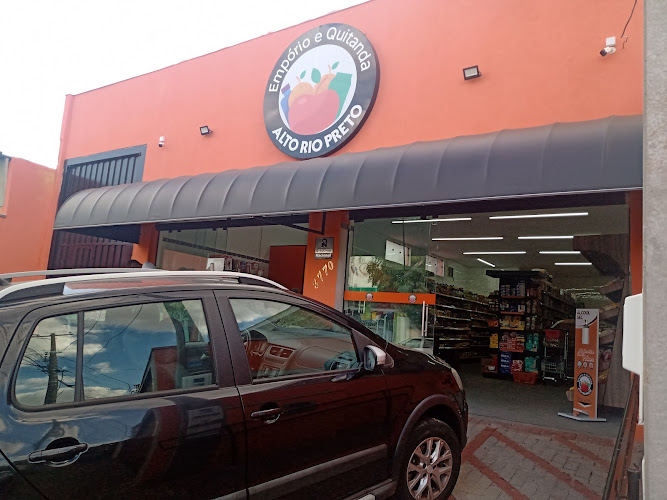
Empório e Quitanda Alto Rio Preto

R. Geraldina Veronica B De Camargo, 214 - Gaivota
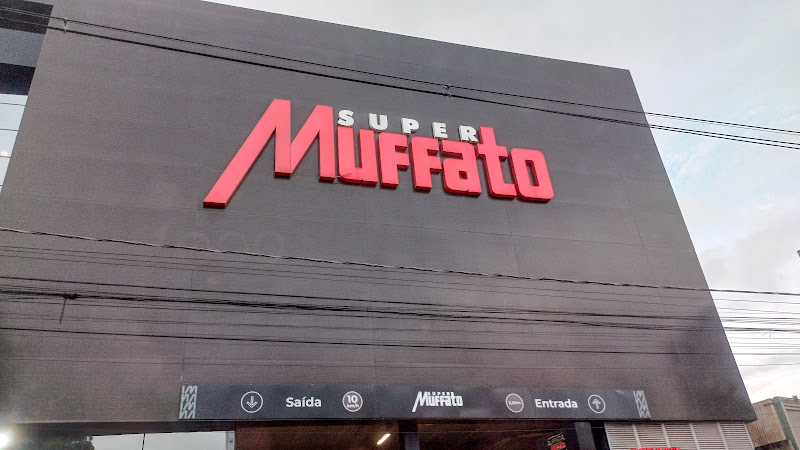
Super Muffato
Find Accommodations Nearby
Recommended Tours & Activities
Visitor Reviews
There are no reviews yet. Be the first one to write one.
Share Your Experience
Have you visited 15093-000? Help other travelers by leaving a review.