
Ujo Park
About Ujo Park
Description
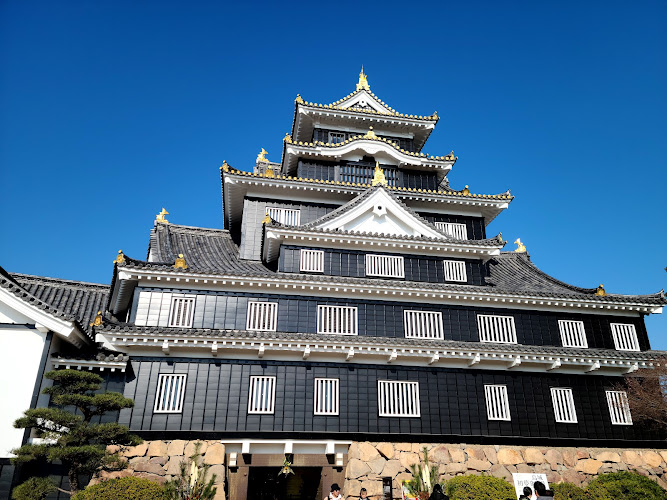
Ujo Park offers visitors a chance to step back into feudal Japan while enjoying the natural beauty of contemporary green spaces along the Asahi River. The park wraps around an impressive black castle that dates back to 1597, creating an atmosphere that's equal parts historical monument and recreational area. I've always found there's something special about parks that incorporate authentic historical architecture—they give you this grounding sense of place that modern attractions just can't replicate. The castle itself commands attention with its distinctive dark exterior, which sets it apart from many of the more common white castles found throughout Japan. Walking through the grounds, visitors get treated to sweeping views of the river while exploring pathways that wind through carefully maintained gardens and open spaces perfect for relaxation. What makes this destination particularly worthwhile is how it manages to serve multiple purposes simultaneously. You're not just visiting a castle or just walking through a park—you're experiencing a piece of living history that local families also use for everyday recreation. On any given day, you might see couples having picnics under cherry trees, kids running around the open lawns, and history enthusiasts photographing every angle of the castle's architecture. The park welcomes visitors throughout the year, and each season brings its own character to the landscape. The riverside location means there's almost always a pleasant breeze, even during warmer months. And honestly, there's something inherently peaceful about water features in park settings that just makes everything feel more serene.Key Features
The attractions and facilities at Ujo Park cater to a diverse range of visitor needs and preferences:- The striking black castle dating to 1597 serves as the park's centerpiece and main historical attraction
- Expansive green spaces along the Asahi River provide perfect spots for picnics and outdoor relaxation
- Wheelchair accessible entrances and parking facilities ensure the park welcomes visitors of all mobility levels
- Public restrooms are available throughout the grounds for visitor convenience
- Dogs are welcome in the park, making it an ideal destination for travelers with four-legged companions
- The riverside setting offers scenic walking paths and photographic opportunities year-round
- Family-friendly atmosphere with plenty of space for children to play safely
- Modern payment options including credit cards and PayPay accepted for paid services
- Paid parking facilities accommodate visitors arriving by car
- Combination of historical significance and natural beauty creates unique cultural experience
Best Time to Visit
Timing your visit to Ujo Park can really make a difference in what kind of experience you'll have. Spring, particularly late March through early April, brings the cherry blossom season that transforms the park into something truly spectacular. The contrast between the dark castle walls and the delicate pink blooms creates photograph opportunities that you simply won't find at other times of year. But fair warning—this is also when crowds peak, so if you're looking for tranquility, you might want to consider other seasons. Autumn presents another excellent window for visiting, typically from mid-October through November. The foliage takes on those gorgeous amber and crimson tones, and the weather sits in that comfortable range where you can walk around for hours without breaking a sweat. I've always preferred autumn visits to popular destinations because the crowds thin out a bit after summer vacation season ends, yet the weather remains cooperative. Summer can get quite warm and humid, which is pretty standard for this region of Japan. However, the riverside location provides some relief, and the extended daylight hours mean you can visit later in the afternoon when temperatures start dropping. Early morning visits during summer months offer the best combination of comfortable weather and fewer crowds. Winter shouldn't be dismissed either. While some travelers avoid colder months, the park takes on a completely different character when there's frost on the ground or even occasional snow. The castle looks particularly dramatic against gray winter skies, and you'll practically have the place to yourself on weekday mornings. Weekdays generally see lighter foot traffic than weekends regardless of season. If your schedule allows flexibility, Tuesday through Thursday mornings tend to offer the most peaceful experience. The park opens early, so arriving shortly after dawn gives you those magical moments when morning light hits the castle just right and you might be one of only a handful of people on the grounds.How to Get There
Getting to Ujo Park requires a bit of planning, but it's definitely manageable for international travelers navigating Japan's transportation systems. The park is located in Okayama, which is well-connected to major cities via Japan's efficient rail network. If you're coming from Tokyo, the Shinkansen bullet train gets you to Okayama Station in roughly three and a half hours. From Osaka or Kyoto, you're looking at less than an hour on the Shinkansen. Once you arrive at Okayama Station, you've got several options for reaching the park itself. The most straightforward approach involves taking a local bus from the station. Several bus lines service the area around the park, and the journey typically takes between 15 to 25 minutes depending on traffic conditions. Bus stops are clearly marked in both Japanese and English, which makes navigation easier for international visitors. You'll want to look for buses heading toward the castle or the riverside district. Taxis represent another viable option, especially if you're traveling with companions and can split the fare. The ride from Okayama Station takes roughly 10 to 15 minutes in normal traffic, and most taxi drivers recognize the castle name or can work from a map on your phone if there's a language barrier. For the more adventurous or budget-conscious traveler, renting a bicycle in Okayama provides an enjoyable way to reach the park while seeing more of the city. The route is mostly flat, and dedicated bike lanes make cycling safer than in many other urban areas. The ride takes approximately 20 to 30 minutes from the station area, and you'll pass through interesting neighborhoods along the way. Walking is technically possible from Okayama Station—it's about a 40 to 50 minute trek—but I'd only recommend this if you really enjoy urban hiking and aren't carrying heavy luggage. The route isn't particularly scenic until you get closer to the river area. If you're driving, the park has paid parking facilities. Just be aware that parking lots fill up quickly during peak seasons and weekends. GPS navigation works reliably in Japan, so you shouldn't have trouble finding the entrance if you've got access to navigation tools.Tips for Visiting
Come prepared with a picnic if you're visiting during pleasant weather. The park really shines as a spot for outdoor dining, and there's something special about eating lunch with a 400-year-old castle as your backdrop. Convenience stores near Okayama Station offer perfect picnic supplies if you don't want to pack food from your hotel. Wear comfortable walking shoes—this seems obvious, but the grounds are more extensive than they initially appear, and you'll likely end up covering more distance than anticipated. The pathways are generally well-maintained, but there are some uneven surfaces and slight inclines near the river. Bring weather-appropriate gear because conditions can change throughout the day. The riverside location means wind can pick up unexpectedly, and there's limited shelter in the open green spaces. A light jacket or windbreaker proves useful even on days that start out warm and sunny. Photography enthusiasts should plan for early morning or late afternoon visits when the lighting works best for capturing the castle's distinctive architecture. The midday sun creates harsh shadows that don't do justice to the building's features. And honestly, golden hour shots of the black castle with the river in the background are absolutely worth adjusting your schedule for. If you're traveling with children, the open spaces provide excellent areas for them to burn energy, but keep an eye on little ones near the river areas. While there are barriers in most places, it's still worth maintaining awareness around water features. The park welcomes dogs, which is fantastic news for travelers with pets, but make sure you've got cleanup supplies and keep your dog leashed. Japanese parks maintain strict cleanliness standards, and being a responsible pet owner helps ensure continued pet-friendly policies. Take advantage of the accessibility features if you or your travel companions have mobility challenges. The wheelchair accessible entrances and parking make this one of the more accommodating historical sites you'll encounter. However, some areas around the castle itself may have limitations due to the historical nature of the architecture. Plan your payment methods in advance. While credit cards and PayPay are accepted for paid services like parking, having some cash on hand never hurts when visiting attractions in Japan. Vending machines near the restrooms typically only accept coins. Don't rush through your visit. I've noticed many travelers allocate just an hour or so for park visits, but Ujo Park really deserves at least two to three hours if you want to properly explore the grounds, tour the castle interior, and soak in the riverside atmosphere. The park has this calming quality that's best appreciated when you're not watching the clock. Check the castle's interior visiting hours before you go, as they sometimes differ from the park's general opening times. Some visitors mistakenly assume they can access everything during park hours, then arrive to find the castle closed for tours. Consider combining your park visit with exploration of the surrounding neighborhood. The area near Ujo Park has local restaurants and shops that give you a taste of everyday Okayama life beyond tourist attractions. Some of my best travel memories come from wandering streets near major attractions rather than just hitting the highlights and moving on. Lastly, manage your expectations based on what kind of traveler you are. This isn't a manicured theme park or a heavily commercialized tourist trap—it's a genuine city park that happens to have significant historical value. Some visitors find it absolutely captivating while others consider it a pleasant but unremarkable stop. Your enjoyment largely depends on your interest in Japanese history and appreciation for spaces that blend recreation with cultural preservation.Key Features
- Scenic views of Okayama Castle (aka Ujō or Crow Castle)
- Riverside walking paths along the Asahi River
- Reconstructed gates and visible stone foundations from the original castle grounds
- Seasonal plantings — notably cherry blossoms in spring
- Free, easy-access urban green space adjacent to Kōraku-en Garden
More Details
Updated January 18, 2026
Table of Contents
Description
Ujo Park offers visitors a chance to step back into feudal Japan while enjoying the natural beauty of contemporary green spaces along the Asahi River. The park wraps around an impressive black castle that dates back to 1597, creating an atmosphere that’s equal parts historical monument and recreational area. I’ve always found there’s something special about parks that incorporate authentic historical architecture—they give you this grounding sense of place that modern attractions just can’t replicate.
The castle itself commands attention with its distinctive dark exterior, which sets it apart from many of the more common white castles found throughout Japan. Walking through the grounds, visitors get treated to sweeping views of the river while exploring pathways that wind through carefully maintained gardens and open spaces perfect for relaxation.
What makes this destination particularly worthwhile is how it manages to serve multiple purposes simultaneously. You’re not just visiting a castle or just walking through a park—you’re experiencing a piece of living history that local families also use for everyday recreation. On any given day, you might see couples having picnics under cherry trees, kids running around the open lawns, and history enthusiasts photographing every angle of the castle’s architecture.
The park welcomes visitors throughout the year, and each season brings its own character to the landscape. The riverside location means there’s almost always a pleasant breeze, even during warmer months. And honestly, there’s something inherently peaceful about water features in park settings that just makes everything feel more serene.
Key Features
The attractions and facilities at Ujo Park cater to a diverse range of visitor needs and preferences:
- The striking black castle dating to 1597 serves as the park’s centerpiece and main historical attraction
- Expansive green spaces along the Asahi River provide perfect spots for picnics and outdoor relaxation
- Wheelchair accessible entrances and parking facilities ensure the park welcomes visitors of all mobility levels
- Public restrooms are available throughout the grounds for visitor convenience
- Dogs are welcome in the park, making it an ideal destination for travelers with four-legged companions
- The riverside setting offers scenic walking paths and photographic opportunities year-round
- Family-friendly atmosphere with plenty of space for children to play safely
- Modern payment options including credit cards and PayPay accepted for paid services
- Paid parking facilities accommodate visitors arriving by car
- Combination of historical significance and natural beauty creates unique cultural experience
Best Time to Visit
Timing your visit to Ujo Park can really make a difference in what kind of experience you’ll have. Spring, particularly late March through early April, brings the cherry blossom season that transforms the park into something truly spectacular. The contrast between the dark castle walls and the delicate pink blooms creates photograph opportunities that you simply won’t find at other times of year. But fair warning—this is also when crowds peak, so if you’re looking for tranquility, you might want to consider other seasons.
Autumn presents another excellent window for visiting, typically from mid-October through November. The foliage takes on those gorgeous amber and crimson tones, and the weather sits in that comfortable range where you can walk around for hours without breaking a sweat. I’ve always preferred autumn visits to popular destinations because the crowds thin out a bit after summer vacation season ends, yet the weather remains cooperative.
Summer can get quite warm and humid, which is pretty standard for this region of Japan. However, the riverside location provides some relief, and the extended daylight hours mean you can visit later in the afternoon when temperatures start dropping. Early morning visits during summer months offer the best combination of comfortable weather and fewer crowds.
Winter shouldn’t be dismissed either. While some travelers avoid colder months, the park takes on a completely different character when there’s frost on the ground or even occasional snow. The castle looks particularly dramatic against gray winter skies, and you’ll practically have the place to yourself on weekday mornings.
Weekdays generally see lighter foot traffic than weekends regardless of season. If your schedule allows flexibility, Tuesday through Thursday mornings tend to offer the most peaceful experience. The park opens early, so arriving shortly after dawn gives you those magical moments when morning light hits the castle just right and you might be one of only a handful of people on the grounds.
How to Get There
Getting to Ujo Park requires a bit of planning, but it’s definitely manageable for international travelers navigating Japan’s transportation systems. The park is located in Okayama, which is well-connected to major cities via Japan’s efficient rail network.
If you’re coming from Tokyo, the Shinkansen bullet train gets you to Okayama Station in roughly three and a half hours. From Osaka or Kyoto, you’re looking at less than an hour on the Shinkansen. Once you arrive at Okayama Station, you’ve got several options for reaching the park itself.
The most straightforward approach involves taking a local bus from the station. Several bus lines service the area around the park, and the journey typically takes between 15 to 25 minutes depending on traffic conditions. Bus stops are clearly marked in both Japanese and English, which makes navigation easier for international visitors. You’ll want to look for buses heading toward the castle or the riverside district.
Taxis represent another viable option, especially if you’re traveling with companions and can split the fare. The ride from Okayama Station takes roughly 10 to 15 minutes in normal traffic, and most taxi drivers recognize the castle name or can work from a map on your phone if there’s a language barrier.
For the more adventurous or budget-conscious traveler, renting a bicycle in Okayama provides an enjoyable way to reach the park while seeing more of the city. The route is mostly flat, and dedicated bike lanes make cycling safer than in many other urban areas. The ride takes approximately 20 to 30 minutes from the station area, and you’ll pass through interesting neighborhoods along the way.
Walking is technically possible from Okayama Station—it’s about a 40 to 50 minute trek—but I’d only recommend this if you really enjoy urban hiking and aren’t carrying heavy luggage. The route isn’t particularly scenic until you get closer to the river area.
If you’re driving, the park has paid parking facilities. Just be aware that parking lots fill up quickly during peak seasons and weekends. GPS navigation works reliably in Japan, so you shouldn’t have trouble finding the entrance if you’ve got access to navigation tools.
Tips for Visiting
Come prepared with a picnic if you’re visiting during pleasant weather. The park really shines as a spot for outdoor dining, and there’s something special about eating lunch with a 400-year-old castle as your backdrop. Convenience stores near Okayama Station offer perfect picnic supplies if you don’t want to pack food from your hotel.
Wear comfortable walking shoes—this seems obvious, but the grounds are more extensive than they initially appear, and you’ll likely end up covering more distance than anticipated. The pathways are generally well-maintained, but there are some uneven surfaces and slight inclines near the river.
Bring weather-appropriate gear because conditions can change throughout the day. The riverside location means wind can pick up unexpectedly, and there’s limited shelter in the open green spaces. A light jacket or windbreaker proves useful even on days that start out warm and sunny.
Photography enthusiasts should plan for early morning or late afternoon visits when the lighting works best for capturing the castle’s distinctive architecture. The midday sun creates harsh shadows that don’t do justice to the building’s features. And honestly, golden hour shots of the black castle with the river in the background are absolutely worth adjusting your schedule for.
If you’re traveling with children, the open spaces provide excellent areas for them to burn energy, but keep an eye on little ones near the river areas. While there are barriers in most places, it’s still worth maintaining awareness around water features.
The park welcomes dogs, which is fantastic news for travelers with pets, but make sure you’ve got cleanup supplies and keep your dog leashed. Japanese parks maintain strict cleanliness standards, and being a responsible pet owner helps ensure continued pet-friendly policies.
Take advantage of the accessibility features if you or your travel companions have mobility challenges. The wheelchair accessible entrances and parking make this one of the more accommodating historical sites you’ll encounter. However, some areas around the castle itself may have limitations due to the historical nature of the architecture.
Plan your payment methods in advance. While credit cards and PayPay are accepted for paid services like parking, having some cash on hand never hurts when visiting attractions in Japan. Vending machines near the restrooms typically only accept coins.
Don’t rush through your visit. I’ve noticed many travelers allocate just an hour or so for park visits, but Ujo Park really deserves at least two to three hours if you want to properly explore the grounds, tour the castle interior, and soak in the riverside atmosphere. The park has this calming quality that’s best appreciated when you’re not watching the clock.
Check the castle’s interior visiting hours before you go, as they sometimes differ from the park’s general opening times. Some visitors mistakenly assume they can access everything during park hours, then arrive to find the castle closed for tours.
Consider combining your park visit with exploration of the surrounding neighborhood. The area near Ujo Park has local restaurants and shops that give you a taste of everyday Okayama life beyond tourist attractions. Some of my best travel memories come from wandering streets near major attractions rather than just hitting the highlights and moving on.
Lastly, manage your expectations based on what kind of traveler you are. This isn’t a manicured theme park or a heavily commercialized tourist trap—it’s a genuine city park that happens to have significant historical value. Some visitors find it absolutely captivating while others consider it a pleasant but unremarkable stop. Your enjoyment largely depends on your interest in Japanese history and appreciation for spaces that blend recreation with cultural preservation.
Key Highlights
- Scenic views of Okayama Castle (aka Ujō or Crow Castle)
- Riverside walking paths along the Asahi River
- Reconstructed gates and visible stone foundations from the original castle grounds
- Seasonal plantings — notably cherry blossoms in spring
- Free, easy-access urban green space adjacent to Kōraku-en Garden
Location
Places to Stay Near Ujo Park
Find and Book a Tour
Explore More Travel Guides
No reviews found! Be the first to review!
Traveler Reviews for Ujo Park
There are no reviews yet. Be the first one to write one.
Have you visited Ujo Park? Help other travelers by sharing your review.
Nearby Attractions
You Might Also Like
Okayama City Handayama Botanical Gardens
Ikeda Zoo
Statue of Momotaro
Find Accommodations Nearby
Recommended Tours & Activities
Visitor Reviews
There are no reviews yet. Be the first one to write one.
Share Your Experience
Have you visited Ujo Park? Help other travelers by leaving a review.