
NASA Johnson Space Center
About NASA Johnson Space Center
Description
The NASA Johnson Space Center stands as one of America's most significant aerospace facilities, sprawling across 1,700 acres of Houston, Texas terrain. This isn't just some ordinary museum or tourist trap – it's an active research institute where real astronauts train for actual space missions and where mission control still operates today. I remember the first time I visited, expecting a quick walk-through with some space suits on display, and boy was I wrong. The sheer scale of operations happening here is mind-blowing. What makes this place genuinely special is that you're not just looking at history behind glass cases. You're stepping into a working facility where tomorrow's space missions are being planned right now. The center has been the hub of human spaceflight activities since the 1960s, and it continues to serve as the training ground for astronauts heading to the International Space Station. When someone's floating around in space above our heads, chances are excellent that their journey was coordinated from this very location. The facility welcomes visitors through Space Center Houston, which serves as the official visitor center for JSC. And let me tell you, it's designed with accessibility in mind – wheelchair users will find proper entrances and parking throughout the complex. The best part? Parking won't cost you a dime, which is refreshing when so many attractions nickel and dime you before you even get through the door.Key Features
The Johnson Space Center offers travelers an impressive array of experiences that you simply can't replicate anywhere else: • Mission Control Historic Tour – Walk into the actual Apollo Mission Control room where controllers guided Neil Armstrong to the moon. The consoles, the screens, even the ashtrays are still there, frozen in time from that incredible era. • Astronaut Training Facility – Watch where current astronauts prepare for their missions. You might even spot someone training in their space suit if you time your visit right. • Space Vehicle Mockup Facility – This massive warehouse contains full-scale replicas of space station modules and spacecraft. It's where astronauts practice their procedures before heading to orbit. • Rocket Park – Stand beneath an actual Saturn V rocket, one of only three remaining in the world. These beasts launched humans to the moon, and seeing one up close is absolutely humbling. • Starship Gallery – Real spacecraft that have been to space are displayed here, including flown Mercury, Gemini, and Apollo capsules. These aren't replicas – they're the genuine articles that carried Americans into the cosmos. • Independence Plaza – Explore a shuttle replica mounted on the original NASA 905 shuttle carrier aircraft. You can walk through both the shuttle and the 747 that transported it. • Space Center Plaza – Interactive exhibits let you try your hand at docking a spacecraft or landing a shuttle trainer. It's harder than it looks, trust me. • Astronaut Gallery – Meet astronauts during select presentations and hear firsthand accounts of life in space. • Kids Space Place – Younger travelers have their own dedicated area with age-appropriate activities and climbing structures. • Blast Off Theater and Destiny Theater – Immersive film experiences that transport you into various aspects of space exploration.Best Time to Visit
Timing your visit to the Johnson Space Center can make the difference between a good experience and an absolutely stellar one. The facility operates year-round, but certain periods offer distinct advantages. Weekdays during the school year, particularly Tuesday through Thursday, tend to be the quietest times. You'll avoid the massive field trip crowds and have more breathing room in the exhibits. I made the mistake once of visiting on a Friday in October – the place was absolutely packed with school groups, and getting near any of the popular exhibits required the patience of a saint. Weather-wise, Houston's climate is something to consider seriously. Summer months from June through August bring sweltering heat and humidity that'll have you sweating through your shirt before lunch. But here's the thing – since most of the attractions are indoors, summer actually works fine if you can handle the dash between air-conditioned buildings. Plus, summer brings longer operating hours. Spring (March through May) and fall (September through November) offer the most comfortable weather for exploring the outdoor exhibits like Rocket Park. The temperatures hover in the pleasant range, and you won't feel like you're training for Venus exploration just by walking outside. Winter months are surprisingly good for visiting. Houston winters are mild compared to most of the country, and you'll encounter smaller crowds. December can be particularly nice, though some days get cool enough that you'll want a light jacket. Special events throughout the year can enhance your visit tremendously. The center hosts astronaut appearances, Apollo anniversary celebrations, and various STEM-focused events. Check their calendar before planning your trip – meeting an actual astronaut who's been to space adds an unforgettable dimension to the experience. Avoid major holidays if possible. Memorial Day, Fourth of July, and Labor Day weekend bring crowds that rival anything you'd see at a major theme park. And unlike theme parks, the Johnson Space Center's tram tours have limited capacity, so you might spend more time waiting than exploring.How to Get There
Getting to the NASA Johnson Space Center requires a bit of planning since it's not located in downtown Houston proper. The facility sits about 25 miles southeast of downtown in the Clear Lake area, near the waters of Galveston Bay. If you're flying in, Houston's two major airports both work, though they're not created equal for this destination. George Bush Intercontinental Airport (IAH) is larger but sits north of the city, meaning you're looking at roughly 40 miles and 45-60 minutes of driving depending on Houston's notoriously unpredictable traffic. William P. Hobby Airport (HOU) is smaller and closer – only about 20 miles away with a 25-35 minute drive in normal conditions. Driving is honestly the most practical way to reach the center. From downtown Houston, take I-45 South toward Galveston, then exit at NASA Parkway (Exit 26). Head east on NASA Parkway for about three miles, and you'll see the entrance. The free parking lot is spacious and rarely fills completely, even on busy days. Public transportation to the Johnson Space Center is... well, let's just say it's not Houston's strong suit. The METRO bus system technically serves the area with Route 249, but it's time-consuming and requires connections that might test your patience. Unless you're really committed to avoiding a rental car, I'd skip this option. Ride-sharing services like Uber and Lyft operate throughout Houston and can get you there easily. However, since the center is somewhat isolated from other attractions, you'll need to arrange your return trip carefully. The last thing you want is to be stuck waiting for a ride in the Texas heat after a full day of exploring. If you're staying in the Clear Lake area near the center, several hotels offer shuttle services. This can be a convenient option that eliminates parking concerns and lets you start your day relaxed. One thing that surprises many visitors – the Johnson Space Center and Space Center Houston are technically separate entities. The visitor center (Space Center Houston) is what most travelers actually visit, while JSC itself is the working NASA facility. They're adjacent to each other, and your visit to Space Center Houston includes tram tours into select areas of the working facility.Tips for Visiting
After multiple visits to the Johnson Space Center, I've picked up some insights that'll help you maximize your experience and avoid the common pitfalls that trip up first-timers. Arrive early – and I mean really early. The gates open at 10 AM on most days, and you want to be there within the first hour. The tram tours to Mission Control and the astronaut training facilities operate on a first-come basis, and they fill up quickly. Getting there at opening time means you can snag tour tickets for desirable time slots and then explore other exhibits while you wait. Speaking of tram tours, don't skip them. Some visitors make the mistake of getting distracted by the visitor center exhibits and running out of time for the tours. Big mistake. The tram tours take you into the actual working NASA facility where real space program activities happen. That's the authentic experience you can't get anywhere else. Plan for at least 5-6 hours minimum, though a full day is better if you want to see everything without rushing. I've tried to "quickly" visit before, and it never works. There's simply too much ground to cover, and you'll kick yourself later for missing exhibits because you underestimated the time needed. Wear comfortable walking shoes – this isn't negotiable. You'll be on your feet for hours, and the facility is enormous. Those cute sandals or brand new sneakers will have you limping by early afternoon. Break in your shoes before the trip. Bring a refillable water bottle. Houston's climate will dehydrate you faster than you realize, and while water fountains are available, having your own bottle saves time and keeps you properly hydrated. The center allows outside beverages, which is a money-saver too. Food at the center is typical attraction fare – decent enough but nothing special and priced accordingly. The Space Trader cafe and Java Junction coffee shop will feed you, but consider eating a substantial breakfast beforehand to save money. Outside food isn't officially allowed, but I've seen plenty of families with snacks for young kids without any issues. Download the Space Center Houston app before arriving. It provides maps, show times, and real-time updates about astronaut appearances or special events. Cell reception inside some exhibits can be spotty, so having information downloaded helps. Photography is permitted and encouraged throughout most of the facility, but pay attention to signage. Some areas of the working NASA facility prohibit photos for security reasons. And honestly? Put your phone down occasionally and just experience things. I know it's tempting to document everything, but you'll remember the moments you were present for more than the ones you viewed through a screen. The gift shop is massive and actually worth browsing. Sure, there's plenty of touristy stuff, but they also carry genuine NASA merchandise, astronaut-themed items, and space memorabilia you won't find elsewhere. Budget extra time and money for this – those freeze-dried astronaut ice cream sandwiches make excellent gifts. Consider visiting during an astronaut encounter if possible. These presentations put you in the same room as someone who's actually been to space, and the Q&A sessions are fascinating. Hearing firsthand stories about living on the International Space Station or training for missions adds a personal dimension that exhibits alone can't match. If you're traveling with children, pace yourself and build in breaks. Kids get overstimulated here quickly – there's just so much to see and do. The Kids Space Place offers a good spot for younger children to burn energy in a more free-form way when structured exhibits become overwhelming. Check for any mission launches or significant space events happening during your visit. While JSC doesn't conduct launches (that's Kennedy Space Center in Florida), the facility buzzes with extra energy when major missions are underway. You might catch special programming or exhibits tied to current events. Accessibility services deserve mention because the center genuinely does this well. Wheelchair rentals are available, all major exhibits are accessible, and staff members are trained to assist visitors with various needs. Don't hesitate to ask for help if you need it. One last thing – manage your expectations about seeing actual astronauts casually walking around. While it's possible during training days, the working facility is separate from public areas. You won't randomly bump into someone who's been to space while grabbing coffee. The scheduled astronaut encounters are your best bet for those interactions. The Johnson Space Center represents more than just a tourist destination. It's a living, working piece of America's space program where the future of human spaceflight is being written today. Whether you're a space enthusiast or just someone looking for a unique experience in Houston, this facility delivers something genuinely special that you won't find replicated anywhere else on Earth.Key Features
- Tram tours of the Johnson Space Center campus (including exterior views of operational facilities)
- Historic Mission Control exhibits and Apollo-era artifacts
- Interactive astronaut training simulators and hands-on STEM exhibits
- Rocket Park with real rockets and flight hardware
- Special exhibits on Artemis, commercial crew, and current human spaceflight programs
More Details
Updated March 30, 2026
Table of Contents
Description
The NASA Johnson Space Center stands as one of America’s most significant aerospace facilities, sprawling across 1,700 acres of Houston, Texas terrain. This isn’t just some ordinary museum or tourist trap – it’s an active research institute where real astronauts train for actual space missions and where mission control still operates today. I remember the first time I visited, expecting a quick walk-through with some space suits on display, and boy was I wrong. The sheer scale of operations happening here is mind-blowing.
What makes this place genuinely special is that you’re not just looking at history behind glass cases. You’re stepping into a working facility where tomorrow’s space missions are being planned right now. The center has been the hub of human spaceflight activities since the 1960s, and it continues to serve as the training ground for astronauts heading to the International Space Station. When someone’s floating around in space above our heads, chances are excellent that their journey was coordinated from this very location.
The facility welcomes visitors through Space Center Houston, which serves as the official visitor center for JSC. And let me tell you, it’s designed with accessibility in mind – wheelchair users will find proper entrances and parking throughout the complex. The best part? Parking won’t cost you a dime, which is refreshing when so many attractions nickel and dime you before you even get through the door.
Key Features
The Johnson Space Center offers travelers an impressive array of experiences that you simply can’t replicate anywhere else:
• Mission Control Historic Tour – Walk into the actual Apollo Mission Control room where controllers guided Neil Armstrong to the moon. The consoles, the screens, even the ashtrays are still there, frozen in time from that incredible era.
• Astronaut Training Facility – Watch where current astronauts prepare for their missions. You might even spot someone training in their space suit if you time your visit right.
• Space Vehicle Mockup Facility – This massive warehouse contains full-scale replicas of space station modules and spacecraft. It’s where astronauts practice their procedures before heading to orbit.
• Rocket Park – Stand beneath an actual Saturn V rocket, one of only three remaining in the world. These beasts launched humans to the moon, and seeing one up close is absolutely humbling.
• Starship Gallery – Real spacecraft that have been to space are displayed here, including flown Mercury, Gemini, and Apollo capsules. These aren’t replicas – they’re the genuine articles that carried Americans into the cosmos.
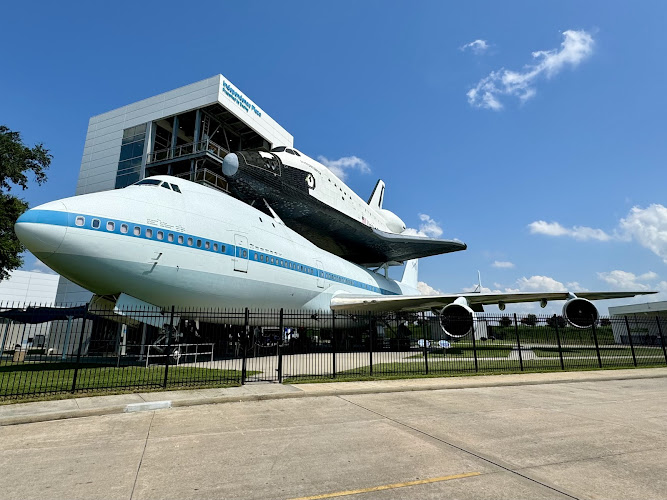
• Independence Plaza – Explore a shuttle replica mounted on the original NASA 905 shuttle carrier aircraft. You can walk through both the shuttle and the 747 that transported it.
• Space Center Plaza – Interactive exhibits let you try your hand at docking a spacecraft or landing a shuttle trainer. It’s harder than it looks, trust me.
• Astronaut Gallery – Meet astronauts during select presentations and hear firsthand accounts of life in space.
• Kids Space Place – Younger travelers have their own dedicated area with age-appropriate activities and climbing structures.
• Blast Off Theater and Destiny Theater – Immersive film experiences that transport you into various aspects of space exploration.
Best Time to Visit
Timing your visit to the Johnson Space Center can make the difference between a good experience and an absolutely stellar one. The facility operates year-round, but certain periods offer distinct advantages.
Weekdays during the school year, particularly Tuesday through Thursday, tend to be the quietest times. You’ll avoid the massive field trip crowds and have more breathing room in the exhibits. I made the mistake once of visiting on a Friday in October – the place was absolutely packed with school groups, and getting near any of the popular exhibits required the patience of a saint.
Weather-wise, Houston’s climate is something to consider seriously. Summer months from June through August bring sweltering heat and humidity that’ll have you sweating through your shirt before lunch. But here’s the thing – since most of the attractions are indoors, summer actually works fine if you can handle the dash between air-conditioned buildings. Plus, summer brings longer operating hours.
Spring (March through May) and fall (September through November) offer the most comfortable weather for exploring the outdoor exhibits like Rocket Park. The temperatures hover in the pleasant range, and you won’t feel like you’re training for Venus exploration just by walking outside.
Winter months are surprisingly good for visiting. Houston winters are mild compared to most of the country, and you’ll encounter smaller crowds. December can be particularly nice, though some days get cool enough that you’ll want a light jacket.
Special events throughout the year can enhance your visit tremendously. The center hosts astronaut appearances, Apollo anniversary celebrations, and various STEM-focused events. Check their calendar before planning your trip – meeting an actual astronaut who’s been to space adds an unforgettable dimension to the experience.
Avoid major holidays if possible. Memorial Day, Fourth of July, and Labor Day weekend bring crowds that rival anything you’d see at a major theme park. And unlike theme parks, the Johnson Space Center’s tram tours have limited capacity, so you might spend more time waiting than exploring.
How to Get There
Getting to the NASA Johnson Space Center requires a bit of planning since it’s not located in downtown Houston proper. The facility sits about 25 miles southeast of downtown in the Clear Lake area, near the waters of Galveston Bay.
If you’re flying in, Houston’s two major airports both work, though they’re not created equal for this destination. George Bush Intercontinental Airport (IAH) is larger but sits north of the city, meaning you’re looking at roughly 40 miles and 45-60 minutes of driving depending on Houston’s notoriously unpredictable traffic. William P. Hobby Airport (HOU) is smaller and closer – only about 20 miles away with a 25-35 minute drive in normal conditions.
Driving is honestly the most practical way to reach the center. From downtown Houston, take I-45 South toward Galveston, then exit at NASA Parkway (Exit 26). Head east on NASA Parkway for about three miles, and you’ll see the entrance. The free parking lot is spacious and rarely fills completely, even on busy days.
Public transportation to the Johnson Space Center is… well, let’s just say it’s not Houston’s strong suit. The METRO bus system technically serves the area with Route 249, but it’s time-consuming and requires connections that might test your patience. Unless you’re really committed to avoiding a rental car, I’d skip this option.
Ride-sharing services like Uber and Lyft operate throughout Houston and can get you there easily. However, since the center is somewhat isolated from other attractions, you’ll need to arrange your return trip carefully. The last thing you want is to be stuck waiting for a ride in the Texas heat after a full day of exploring.
If you’re staying in the Clear Lake area near the center, several hotels offer shuttle services. This can be a convenient option that eliminates parking concerns and lets you start your day relaxed.
One thing that surprises many visitors – the Johnson Space Center and Space Center Houston are technically separate entities. The visitor center (Space Center Houston) is what most travelers actually visit, while JSC itself is the working NASA facility. They’re adjacent to each other, and your visit to Space Center Houston includes tram tours into select areas of the working facility.
Tips for Visiting
After multiple visits to the Johnson Space Center, I’ve picked up some insights that’ll help you maximize your experience and avoid the common pitfalls that trip up first-timers.
Arrive early – and I mean really early. The gates open at 10 AM on most days, and you want to be there within the first hour. The tram tours to Mission Control and the astronaut training facilities operate on a first-come basis, and they fill up quickly. Getting there at opening time means you can snag tour tickets for desirable time slots and then explore other exhibits while you wait.
Speaking of tram tours, don’t skip them. Some visitors make the mistake of getting distracted by the visitor center exhibits and running out of time for the tours. Big mistake. The tram tours take you into the actual working NASA facility where real space program activities happen. That’s the authentic experience you can’t get anywhere else.
Plan for at least 5-6 hours minimum, though a full day is better if you want to see everything without rushing. I’ve tried to “quickly” visit before, and it never works. There’s simply too much ground to cover, and you’ll kick yourself later for missing exhibits because you underestimated the time needed.
Wear comfortable walking shoes – this isn’t negotiable. You’ll be on your feet for hours, and the facility is enormous. Those cute sandals or brand new sneakers will have you limping by early afternoon. Break in your shoes before the trip.
Bring a refillable water bottle. Houston’s climate will dehydrate you faster than you realize, and while water fountains are available, having your own bottle saves time and keeps you properly hydrated. The center allows outside beverages, which is a money-saver too.
Food at the center is typical attraction fare – decent enough but nothing special and priced accordingly. The Space Trader cafe and Java Junction coffee shop will feed you, but consider eating a substantial breakfast beforehand to save money. Outside food isn’t officially allowed, but I’ve seen plenty of families with snacks for young kids without any issues.
Download the Space Center Houston app before arriving. It provides maps, show times, and real-time updates about astronaut appearances or special events. Cell reception inside some exhibits can be spotty, so having information downloaded helps.
Photography is permitted and encouraged throughout most of the facility, but pay attention to signage. Some areas of the working NASA facility prohibit photos for security reasons. And honestly? Put your phone down occasionally and just experience things. I know it’s tempting to document everything, but you’ll remember the moments you were present for more than the ones you viewed through a screen.
The gift shop is massive and actually worth browsing. Sure, there’s plenty of touristy stuff, but they also carry genuine NASA merchandise, astronaut-themed items, and space memorabilia you won’t find elsewhere. Budget extra time and money for this – those freeze-dried astronaut ice cream sandwiches make excellent gifts.
Consider visiting during an astronaut encounter if possible. These presentations put you in the same room as someone who’s actually been to space, and the Q&A sessions are fascinating. Hearing firsthand stories about living on the International Space Station or training for missions adds a personal dimension that exhibits alone can’t match.
If you’re traveling with children, pace yourself and build in breaks. Kids get overstimulated here quickly – there’s just so much to see and do. The Kids Space Place offers a good spot for younger children to burn energy in a more free-form way when structured exhibits become overwhelming.
Check for any mission launches or significant space events happening during your visit. While JSC doesn’t conduct launches (that’s Kennedy Space Center in Florida), the facility buzzes with extra energy when major missions are underway. You might catch special programming or exhibits tied to current events.
Accessibility services deserve mention because the center genuinely does this well. Wheelchair rentals are available, all major exhibits are accessible, and staff members are trained to assist visitors with various needs. Don’t hesitate to ask for help if you need it.
One last thing – manage your expectations about seeing actual astronauts casually walking around. While it’s possible during training days, the working facility is separate from public areas. You won’t randomly bump into someone who’s been to space while grabbing coffee. The scheduled astronaut encounters are your best bet for those interactions.
The Johnson Space Center represents more than just a tourist destination. It’s a living, working piece of America’s space program where the future of human spaceflight is being written today. Whether you’re a space enthusiast or just someone looking for a unique experience in Houston, this facility delivers something genuinely special that you won’t find replicated anywhere else on Earth.
Key Highlights
- Tram tours of the Johnson Space Center campus (including exterior views of operational facilities)
- Historic Mission Control exhibits and Apollo-era artifacts
- Interactive astronaut training simulators and hands-on STEM exhibits
- Rocket Park with real rockets and flight hardware
- Special exhibits on Artemis, commercial crew, and current human spaceflight programs
Location
Places to Stay Near NASA Johnson Space Center
Find and Book a Tour
Explore More Travel Guides
No reviews found! Be the first to review!
NASA Johnson Space Center is a prominent Research institute located in Houston.
Visit us at: 2101 E NASA Pkwy, Houston, TX 77058, États-Unis.
Traveler Reviews for NASA Johnson Space Center
There are no reviews yet. Be the first one to write one.
Have you visited NASA Johnson Space Center? Help other travelers by sharing your review.
Nearby Attractions
You Might Also Like
Downtown Aquarium

The Menil Collection

Cockrell Butterfly Center
Find Accommodations Nearby
Recommended Tours & Activities
Visitor Reviews
There are no reviews yet. Be the first one to write one.
Share Your Experience
Have you visited NASA Johnson Space Center? Help other travelers by leaving a review.