
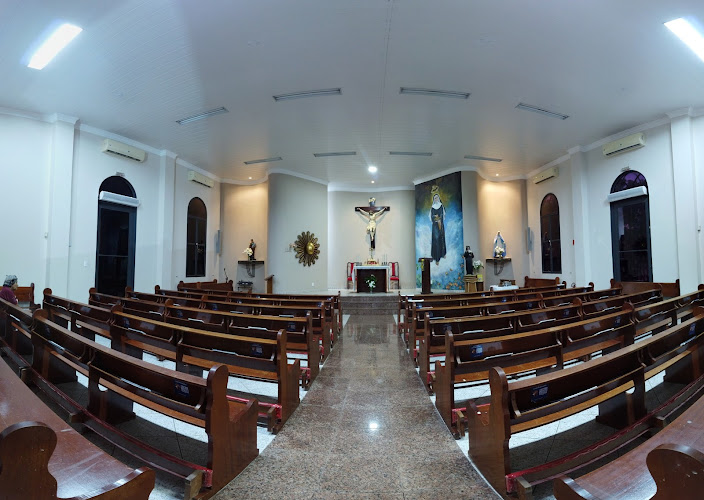
Capela Santa Rita de Cássia (Arena Pantanal)
About Capela Santa Rita de Cássia (Arena Pantanal)
Description
Capela Santa Rita de Cássia sits in what might seem like an unusual location for a Catholic church—right within the grounds of Arena Pantanal, one of Brazil's modern football stadiums in Cuiabá. And honestly, that's what makes this little chapel so wonderfully unexpected. When most travelers think about visiting a stadium, they're picturing the roar of crowds and the excitement of match day. But tucked away in this contemporary sports complex is a genuinely peaceful sanctuary that offers something completely different. The chapel serves as a quiet reminder that spirituality can exist anywhere, even in the most unlikely places. I've always found it fascinating how faith communities create sacred spaces in modern environments, and this chapel does exactly that. It's dedicated to Santa Rita de Cássia, the patron saint of impossible causes and difficult circumstances, which feels somehow fitting for a place where so many hopes and dreams play out on the pitch nearby. What strikes visitors most is the contrast. You walk through a bustling sports facility, surrounded by the energy and architecture of 21st-century stadium design, and then you step into this serene space that immediately changes the atmosphere. The chapel isn't enormous or grandiose—it doesn't need to be. Its purpose is contemplation, prayer, and providing a moment of calm for anyone who needs it, whether they're stadium employees, visitors to Cuiabá, or faithful parishioners from the local community. The accessibility features make this chapel particularly welcoming to all visitors, which isn't always a given in religious spaces, especially older ones. There's something genuinely thoughtful about ensuring everyone can experience this peaceful spot regardless of their physical capabilities.Key Features
The Capela Santa Rita de Cássia offers several distinctive characteristics that make it worth including in any Cuiabá itinerary: • Complete wheelchair accessibility throughout the chapel, including dedicated parking, entrance ramps, and restroom facilities designed for visitors with mobility challenges • A peaceful atmosphere that provides stark contrast to the energetic stadium environment surrounding it • Modern architectural integration that demonstrates how contemporary spaces can incorporate traditional religious elements • Restroom facilities available for visitors, which is practical for travelers exploring the area • Clothing recycling program that reflects the chapel's commitment to community service and environmental responsibility • Location within Arena Pantanal grounds, making it accessible during stadium operating hours • Dedication to Santa Rita de Cássia, offering a meaningful spiritual experience for those familiar with this beloved saint's story • An unconventional setting that challenges typical expectations of where sacred spaces can exist • Free admission, allowing budget-conscious travelers to experience this unique location • Opportunity to see how Brazilians blend their passionate football culture with their equally passionate Catholic faithBest Time to Visit
Timing your visit to Capela Santa Rita de Cássia requires thinking about a few different factors, and honestly, it depends on what kind of experience you're after. If you're seeking the quietest, most contemplative atmosphere, visiting on weekday mornings is your best bet. The stadium complex tends to be less busy when there aren't events scheduled, and you'll likely have the chapel mostly to yourself. There's something special about having a sacred space all to yourself—your footsteps echo a bit differently, and you can really sink into that peaceful feeling the chapel offers. But here's the thing—visiting during match days or events at Arena Pantanal creates an entirely different experience. The juxtaposition between the excitement outside and the tranquility inside becomes even more pronounced. You might hear distant cheers or music while you're inside this calm space, which creates this interesting meditation on how different aspects of human experience coexist. I personally think there's value in experiencing both sides of that contrast. The climate in Cuiabá plays a role too. The city is known for its hot temperatures, especially between September and November when things can get seriously warm. The dry season runs from May through September, which generally means more comfortable weather for exploring. If you're sensitive to heat, you'll probably appreciate visiting during these cooler months. The rainy season from October through April brings afternoon thunderstorms pretty regularly, so morning visits work better during this period. For those interested in religious observances, visiting during the feast day of Santa Rita de Cássia on May 22nd could offer a more ceremonial experience, though you'd want to confirm any special services scheduled at the chapel beforehand. Catholic holidays throughout the year might also see increased activity and special celebrations. Cuiabá doesn't experience the massive tourist crowds that cities like Rio de Janeiro or Salvador see, which means the chapel remains relatively peaceful year-round. This is actually refreshing for travelers who get tired of fighting crowds at every attraction.How to Get There
Getting to Capela Santa Rita de Cássia means navigating to Arena Pantanal, which is actually pretty straightforward since the stadium serves as a major landmark in Cuiabá. The chapel's location within the stadium complex means you'll be heading to the same destination sports fans use for matches. If you're staying in Cuiabá's city center, you're looking at roughly 5 kilometers to the stadium. Taxis and ride-sharing services like Uber operate throughout the city and can get you there in about 15-20 minutes depending on traffic. The drivers will know Arena Pantanal immediately—you don't need to explain or show complicated directions. Just say you're visiting the chapel at the arena, and they'll understand. Public transportation exists in Cuiabá, though it's not as comprehensive as what you'd find in São Paulo or other major Brazilian cities. Several bus routes serve the stadium area, but you'll need to check current schedules and routes since these can change. The local tourism office or your hotel staff can help identify which buses run from your location to the arena. For visitors renting cars, Arena Pantanal is well-signposted throughout the city. The stadium has parking facilities, and the chapel's wheelchair-accessible parking makes it convenient for visitors with mobility needs. Just be aware that parking availability and any associated costs might vary depending on whether there's an event happening at the stadium. Many travelers fly into Marechal Rondon International Airport, which sits about 10 kilometers from the city center. From the airport, you could take a taxi or ride-share directly to the stadium, though most people prefer settling into their accommodation first before exploring. Walking to the chapel is possible if you're staying nearby, though Cuiabá's heat makes long walks challenging during midday hours. The city isn't particularly known for pedestrian-friendly infrastructure in all areas, so evaluate your specific location before deciding to walk.Tips for Visiting
Visiting Capela Santa Rita de Cássia successfully means preparing for both the religious nature of the space and its unusual stadium location. Dress modestly out of respect for the sacred space. Brazil can be casual, but churches still expect visitors to cover shoulders and knees. You don't need formal wear—just avoid beach clothes or anything too revealing. And comfortable shoes matter because you might be walking around the stadium complex a bit. Check whether the stadium has events scheduled during your planned visit. While the chapel should remain accessible, large events mean crowds, traffic, and potentially restricted access to certain areas. The Arena Pantanal website or a quick phone call can clarify the schedule. Bring water, especially during Cuiabá's hotter months. The climate here doesn't mess around, and even short periods outside can leave you dehydrated. The chapel has restrooms, which is helpful, but staying hydrated before you need facilities is smarter. Photography policies can vary in religious spaces. While the chapel seems welcoming based on visitor experiences, it's respectful to keep photography quiet and non-disruptive. Flash photography during any services would definitely be inappropriate. When in doubt, ask permission. The clothing recycling program the chapel operates is worth supporting if you have items to donate. Travelers who've been on extended trips sometimes accumulate clothing they no longer need, and donating to the chapel supports their community work while lightening your luggage. Spending time actually experiencing the peaceful atmosphere is the point here. Too many travelers rush through religious sites checking boxes on itineraries. Give yourself at least 20-30 minutes to sit, reflect, or simply appreciate the quiet. You didn't come all this way to snap a photo and leave. Language considerations matter in Cuiabá. English isn't widely spoken outside tourist-heavy businesses. Learning a few Portuguese phrases helps, though religious spaces tend to transcend language barriers pretty well. A smile and respectful demeanor communicate across any language gap. Combine your chapel visit with exploring other aspects of Arena Pantanal if you're interested in sports tourism. The stadium itself represents modern Brazilian architecture and was built for the 2014 FIFA World Cup. Seeing both the sporting and spiritual sides of the complex makes for a more complete experience. Respect any services or prayers happening when you arrive. If you walk in during mass or private worship, enter quietly and either participate respectfully or wait until it concludes before moving around the space. This isn't your living room—it's someone's sacred place. The chapel's accessibility features make it particularly welcoming for visitors with disabilities, but confirming specific needs ahead of time never hurts. While the infrastructure exists, knowing exactly where accessible entrances and facilities are located saves frustration. Cuiabá serves as a gateway to the Pantanal wetlands, one of the world's most biodiverse regions. Many travelers visit this chapel as part of a longer journey that includes wildlife viewing and ecological tourism. Planning your Cuiabá time to include both urban religious sites and natural wonders creates a balanced Brazilian experience.Key Features
- Key Features
- Best Time to Visit
- How to Get There
- Tips for Visiting
More Details
Updated March 30, 2026
Table of Contents
- Description
- Key Features
- Best Time to Visit
- How to Get There
- Tips for Visiting
- Key Highlights
- Location
- Places to Stay Near Capela Santa Rita de Cássia (Arena Pantanal)
- Find and Book a Tour
- Explore More Travel Guides
- Nearby Places You Might Like
- Traveler Reviews for Capela Santa Rita de Cássia (Arena Pantanal)
- Share Your Experience
Description
Capela Santa Rita de Cássia sits in what might seem like an unusual location for a Catholic church—right within the grounds of Arena Pantanal, one of Brazil’s modern football stadiums in Cuiabá. And honestly, that’s what makes this little chapel so wonderfully unexpected. When most travelers think about visiting a stadium, they’re picturing the roar of crowds and the excitement of match day. But tucked away in this contemporary sports complex is a genuinely peaceful sanctuary that offers something completely different.
The chapel serves as a quiet reminder that spirituality can exist anywhere, even in the most unlikely places. I’ve always found it fascinating how faith communities create sacred spaces in modern environments, and this chapel does exactly that. It’s dedicated to Santa Rita de Cássia, the patron saint of impossible causes and difficult circumstances, which feels somehow fitting for a place where so many hopes and dreams play out on the pitch nearby.
What strikes visitors most is the contrast. You walk through a bustling sports facility, surrounded by the energy and architecture of 21st-century stadium design, and then you step into this serene space that immediately changes the atmosphere. The chapel isn’t enormous or grandiose—it doesn’t need to be. Its purpose is contemplation, prayer, and providing a moment of calm for anyone who needs it, whether they’re stadium employees, visitors to Cuiabá, or faithful parishioners from the local community.
The accessibility features make this chapel particularly welcoming to all visitors, which isn’t always a given in religious spaces, especially older ones. There’s something genuinely thoughtful about ensuring everyone can experience this peaceful spot regardless of their physical capabilities.
Key Features
The Capela Santa Rita de Cássia offers several distinctive characteristics that make it worth including in any Cuiabá itinerary:
• Complete wheelchair accessibility throughout the chapel, including dedicated parking, entrance ramps, and restroom facilities designed for visitors with mobility challenges
• A peaceful atmosphere that provides stark contrast to the energetic stadium environment surrounding it
• Modern architectural integration that demonstrates how contemporary spaces can incorporate traditional religious elements
• Restroom facilities available for visitors, which is practical for travelers exploring the area
• Clothing recycling program that reflects the chapel’s commitment to community service and environmental responsibility
• Location within Arena Pantanal grounds, making it accessible during stadium operating hours
• Dedication to Santa Rita de Cássia, offering a meaningful spiritual experience for those familiar with this beloved saint’s story
• An unconventional setting that challenges typical expectations of where sacred spaces can exist
• Free admission, allowing budget-conscious travelers to experience this unique location
• Opportunity to see how Brazilians blend their passionate football culture with their equally passionate Catholic faith
Best Time to Visit
Timing your visit to Capela Santa Rita de Cássia requires thinking about a few different factors, and honestly, it depends on what kind of experience you’re after.
If you’re seeking the quietest, most contemplative atmosphere, visiting on weekday mornings is your best bet. The stadium complex tends to be less busy when there aren’t events scheduled, and you’ll likely have the chapel mostly to yourself. There’s something special about having a sacred space all to yourself—your footsteps echo a bit differently, and you can really sink into that peaceful feeling the chapel offers.
But here’s the thing—visiting during match days or events at Arena Pantanal creates an entirely different experience. The juxtaposition between the excitement outside and the tranquility inside becomes even more pronounced. You might hear distant cheers or music while you’re inside this calm space, which creates this interesting meditation on how different aspects of human experience coexist. I personally think there’s value in experiencing both sides of that contrast.
The climate in Cuiabá plays a role too. The city is known for its hot temperatures, especially between September and November when things can get seriously warm. The dry season runs from May through September, which generally means more comfortable weather for exploring. If you’re sensitive to heat, you’ll probably appreciate visiting during these cooler months. The rainy season from October through April brings afternoon thunderstorms pretty regularly, so morning visits work better during this period.
For those interested in religious observances, visiting during the feast day of Santa Rita de Cássia on May 22nd could offer a more ceremonial experience, though you’d want to confirm any special services scheduled at the chapel beforehand. Catholic holidays throughout the year might also see increased activity and special celebrations.
Cuiabá doesn’t experience the massive tourist crowds that cities like Rio de Janeiro or Salvador see, which means the chapel remains relatively peaceful year-round. This is actually refreshing for travelers who get tired of fighting crowds at every attraction.
How to Get There
Getting to Capela Santa Rita de Cássia means navigating to Arena Pantanal, which is actually pretty straightforward since the stadium serves as a major landmark in Cuiabá. The chapel’s location within the stadium complex means you’ll be heading to the same destination sports fans use for matches.
If you’re staying in Cuiabá’s city center, you’re looking at roughly 5 kilometers to the stadium. Taxis and ride-sharing services like Uber operate throughout the city and can get you there in about 15-20 minutes depending on traffic. The drivers will know Arena Pantanal immediately—you don’t need to explain or show complicated directions. Just say you’re visiting the chapel at the arena, and they’ll understand.
Public transportation exists in Cuiabá, though it’s not as comprehensive as what you’d find in São Paulo or other major Brazilian cities. Several bus routes serve the stadium area, but you’ll need to check current schedules and routes since these can change. The local tourism office or your hotel staff can help identify which buses run from your location to the arena.
For visitors renting cars, Arena Pantanal is well-signposted throughout the city. The stadium has parking facilities, and the chapel’s wheelchair-accessible parking makes it convenient for visitors with mobility needs. Just be aware that parking availability and any associated costs might vary depending on whether there’s an event happening at the stadium.
Many travelers fly into Marechal Rondon International Airport, which sits about 10 kilometers from the city center. From the airport, you could take a taxi or ride-share directly to the stadium, though most people prefer settling into their accommodation first before exploring.
Walking to the chapel is possible if you’re staying nearby, though Cuiabá’s heat makes long walks challenging during midday hours. The city isn’t particularly known for pedestrian-friendly infrastructure in all areas, so evaluate your specific location before deciding to walk.
Tips for Visiting
Visiting Capela Santa Rita de Cássia successfully means preparing for both the religious nature of the space and its unusual stadium location.
Dress modestly out of respect for the sacred space. Brazil can be casual, but churches still expect visitors to cover shoulders and knees. You don’t need formal wear—just avoid beach clothes or anything too revealing. And comfortable shoes matter because you might be walking around the stadium complex a bit.
Check whether the stadium has events scheduled during your planned visit. While the chapel should remain accessible, large events mean crowds, traffic, and potentially restricted access to certain areas. The Arena Pantanal website or a quick phone call can clarify the schedule.
Bring water, especially during Cuiabá’s hotter months. The climate here doesn’t mess around, and even short periods outside can leave you dehydrated. The chapel has restrooms, which is helpful, but staying hydrated before you need facilities is smarter.
Photography policies can vary in religious spaces. While the chapel seems welcoming based on visitor experiences, it’s respectful to keep photography quiet and non-disruptive. Flash photography during any services would definitely be inappropriate. When in doubt, ask permission.
The clothing recycling program the chapel operates is worth supporting if you have items to donate. Travelers who’ve been on extended trips sometimes accumulate clothing they no longer need, and donating to the chapel supports their community work while lightening your luggage.
Spending time actually experiencing the peaceful atmosphere is the point here. Too many travelers rush through religious sites checking boxes on itineraries. Give yourself at least 20-30 minutes to sit, reflect, or simply appreciate the quiet. You didn’t come all this way to snap a photo and leave.
Language considerations matter in Cuiabá. English isn’t widely spoken outside tourist-heavy businesses. Learning a few Portuguese phrases helps, though religious spaces tend to transcend language barriers pretty well. A smile and respectful demeanor communicate across any language gap.
Combine your chapel visit with exploring other aspects of Arena Pantanal if you’re interested in sports tourism. The stadium itself represents modern Brazilian architecture and was built for the 2014 FIFA World Cup. Seeing both the sporting and spiritual sides of the complex makes for a more complete experience.
Respect any services or prayers happening when you arrive. If you walk in during mass or private worship, enter quietly and either participate respectfully or wait until it concludes before moving around the space. This isn’t your living room—it’s someone’s sacred place.
The chapel’s accessibility features make it particularly welcoming for visitors with disabilities, but confirming specific needs ahead of time never hurts. While the infrastructure exists, knowing exactly where accessible entrances and facilities are located saves frustration.
Cuiabá serves as a gateway to the Pantanal wetlands, one of the world’s most biodiverse regions. Many travelers visit this chapel as part of a longer journey that includes wildlife viewing and ecological tourism. Planning your Cuiabá time to include both urban religious sites and natural wonders creates a balanced Brazilian experience.
Key Highlights
- Key Features
- Best Time to Visit
- How to Get There
- Tips for Visiting
Location
Places to Stay Near Capela Santa Rita de Cássia (Arena Pantanal)
Find and Book a Tour
Explore More Travel Guides
No reviews found! Be the first to review!
Capela Santa Rita de Cássia (Arena Pantanal) is a prominent Igreja católica located in Cuiabá.
Visit us at: R. da Esperança, 66 – Cidade Alta, Cuiabá – MT, 78030-170, Brazil.
Traveler Reviews for Capela Santa Rita de Cássia (Arena Pantanal)
There are no reviews yet. Be the first one to write one.
Have you visited Capela Santa Rita de Cássia (Arena Pantanal)? Help other travelers by sharing your review.
You Might Also Like

Santuário Nossa Senhora Auxiliadora

Museu de História Natural De Mato Grosso

North Pantanal
Find Accommodations Nearby
Recommended Tours & Activities
Visitor Reviews
There are no reviews yet. Be the first one to write one.
Share Your Experience
Have you visited Capela Santa Rita de Cássia (Arena Pantanal)? Help other travelers by leaving a review.