Where to Stay in Oaxaca City: Best Areas & Hotels for Every Traveler
Updated January 2, 2026
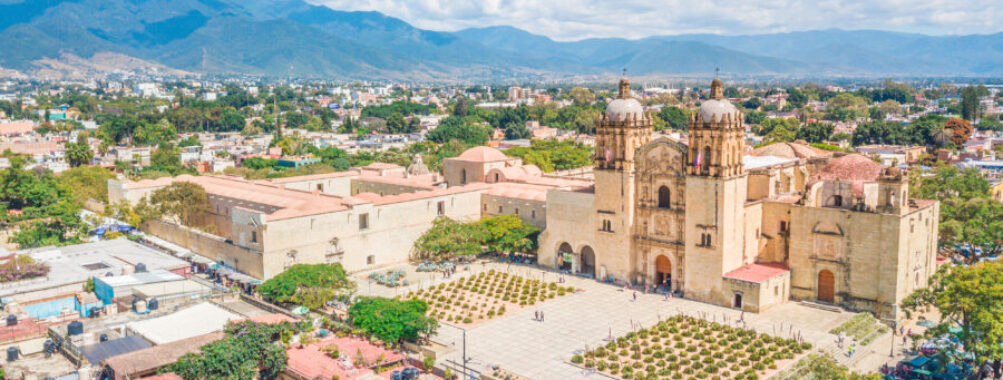
Finding the right place to stay in Oaxaca City can feel tricky at first. Each neighborhood has its own rhythm—Centro pulls you into its colonial plazas and nonstop energy, while the nearby districts offer quieter streets, local food joints, and colorful homes that feel straight out of a storybook. The best place to stay in Oaxaca depends on what you want—Centro for convenience, Santo Domingo for history, Jalatlaco for charm, or Reforma for modern comfort.
Here’s a straightforward guide to help you match a neighborhood to your travel style, with real hotel picks for every budget. No endless scrolling or confusing reviews—just honest advice from time spent wandering those cobbled lanes and chatting with folks who know the city inside out.
Key Takeaways
- See which Oaxaca neighborhoods fit your vibe.
- Find standout hotels for every price range.
- Get local tips that make trip planning easier.
Table of Contents
- Understanding Oaxaca City’s Neighborhoods
- Overview of Areas to Stay in Oaxaca
- UNESCO World Heritage Sites in Oaxaca
- Key Considerations When Choosing Where to Stay
- Centro Oaxaca: Heart of the City
- Best for First-Time Visitors
- Main Attractions in Centro
- Dining and Nightlife in Centro
- Popular Hotels in Centro
- Santo Domingo & Surroundings: Culture and History
- Visiting Oaxaca Botanical Garden
- Museo de las Culturas de Oaxaca
- Cultural Experiences Near Santo Domingo
- Jalatlaco: Artsy, Colorful, and Local
- Atmosphere and Local Vibe
- Recommended Hotels in Jalatlaco
- Barrio de Xochimilco: Historic and Peaceful
- Historic Sights in Xochimilco
- Best Accommodation Options
- Barrio de la Noria: Family-Friendly Stays
- Family-Oriented Features
- Top Places to Stay in La Noria
- Reforma District: Modern Comforts and Shopping
- Why Stay in Reforma
- Popular Hotels in Reforma
- Budget and Boutique Accommodations in Oaxaca City
- Affordable Hostels and Guesthouses
- Top Boutique Hotels to Consider
- Staying Beyond the City: Day Trips & Nearby Destinations
- Monte Alban and Archaeological Sites
- Teotitlán del Valle: Textile Villages
- Beach Escapes: Puerto Escondido
- Essential Travel Tips for Booking in Oaxaca City
- Transportation and Getting Around
- Choosing the Right Hotel for Your Needs
- Booking Advice and Best Times to Visit
- Frequently Asked Questions
- What are the top budget-friendly accommodations in Oaxaca City?
- Which neighborhoods in Oaxaca City are best for tourists seeking an authentic experience?
- Can you recommend unique lodging options for a memorable stay in Oaxaca City?
- What are the premier boutique hotels in Oaxaca City for a distinctive stay?
- How does one choose the ideal location for accommodation during the Day of the Dead celebrations in Oaxaca?
- What areas of Oaxaca City are known for their safety and walkability?
- Book Your Dream Experience
- More Travel Guides
Understanding Oaxaca City’s Neighborhoods
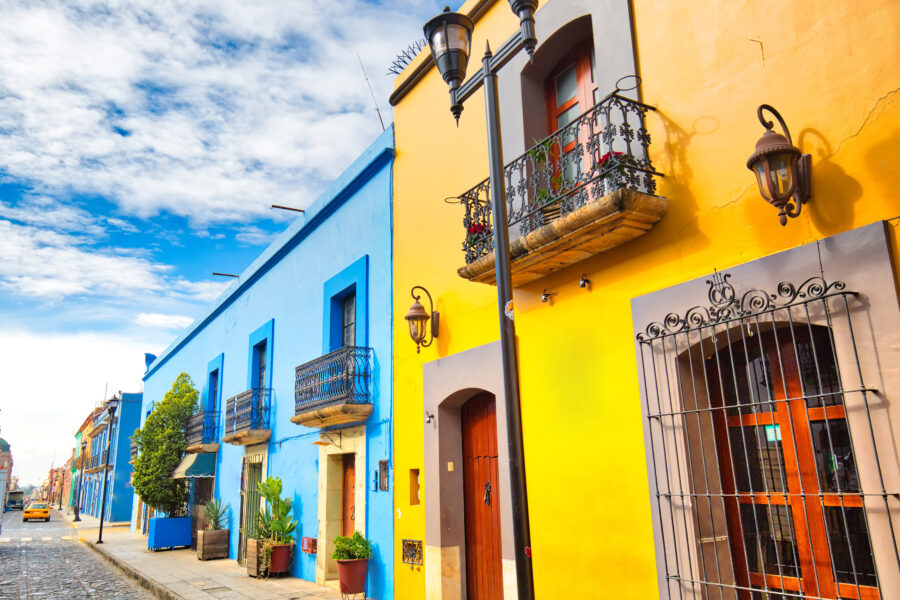
Oaxaca City might seem sprawling at first, but once you start walking, you’ll realize it’s compact and easy to get around. Every neighborhood has its own personality, shaped by history, food, and community. Some buzz late, others wind down early. Where you stay totally shapes your experience.
Overview of Areas to Stay in Oaxaca

You’ll probably spend most of your time in or near Centro Histórico, the heart of the city packed with museums, markets, and colonial architecture. This is also called the Zócalo, where crowds gather day and night. Staying here means you’re steps from restaurants, street performers, and major landmarks.
Head north a few blocks and you’ll find Santo Domingo, a scenic area that mixes lively nightlife with peaceful daytime strolls. It’s anchored by the Templo de Santo Domingo de Guzmán, one of Oaxaca’s signature sights.
Prefer a quieter spot with coffee shops and local art? Jalatlaco and Xochimilco are your best bets. Jalatlaco still feels like a village, with cobblestone streets and murals everywhere. Xochimilco has a true neighborhood feel—you’ll probably end up chatting with locals on your morning walk.
If you want something more modern, go north to Reforma, a newer area with malls and trendy restaurants. Families often like La Noria for its markets and easygoing pace, while Santa Maria del Marquesado draws outdoorsy types who want quick access to hiking near Cerro del Fortín.
| Neighborhood | Best For | Notable Feature |
|---|---|---|
| Centro-Zócalo | First-time visitors | Central location and historic landmarks |
| Santo Domingo | Nightlife and culture | Templo de Santo Domingo |
| Jalatlaco | Local charm | Colorful colonial streets |
| Xochimilco | Tradition and art | Historic aqueduct |
| Reforma | Shopping and dining | Modern amenities |
UNESCO World Heritage Sites in Oaxaca
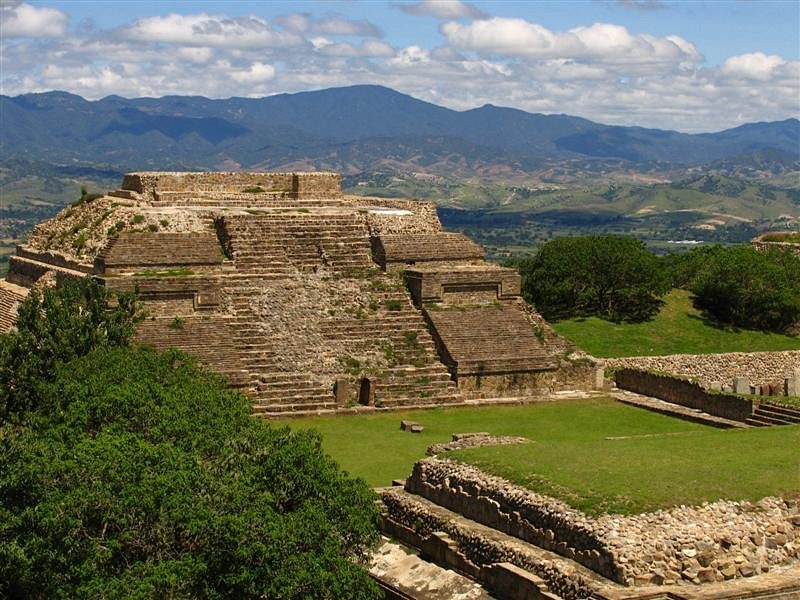
The Historic Center of Oaxaca and the nearby Monte Albán ruins together form a UNESCO World Heritage Site. This status highlights how the region preserves its pre-Hispanic roots while adapting colonial architecture. You’ll see it in the blend of Zapotec ruins and Spanish churches sharing the skyline.
In Centro, buildings follow strict height and design rules to keep that 18th-century look. Even chain stores have to blend in with those pastel facades and wrought-iron balconies.
Monte Albán, just a short drive away, gives you a whole different perspective on local history. The site was once the political and religious center of the Zapotec civilization. If you manage an early start, the sunrise views stretch over the valley and feel pretty magical. It’s one of those places where history feels heavy beneath your feet.
Key Considerations When Choosing Where to Stay

Think about your trip style before booking. If you want to walk everywhere, pick a spot near the Zócalo or Santo Domingo. You’ll skip taxis and still have food, art, and music right outside your door.
If you’re noise-sensitive, look at La Noria or Xochimilco—they’re quieter at night. Oaxaca wakes up early, though, so don’t be shocked by church bells or a parade passing by.
Budget’s a factor too. You’ll find plenty of boutique hotels and homestays that are personal without being pricey. Smaller guesthouses run by local families often include homemade breakfast and a friendly vibe.
Planning a trip for Día de los Muertos in late October? Book months ahead—Centro fills up fast. For longer stays, consider splitting time between neighborhoods. You’ll get a better feel for how Oaxaca changes from day to night and from old to new.
Centro Oaxaca: Heart of the City

Centro Oaxaca is the city’s cultural and architectural core. Here, Spanish colonial charm meets buzzing markets, sacred landmarks, and walkable streets lined with color. History and daily life blur in the plazas, where food stalls sit beside art galleries and centuries-old churches.
Best for First-Time Visitors

If you’re new to Oaxaca, Centro makes exploring a breeze. Almost every major site—Zócalo, Santo Domingo Church, and the markets—are within a few blocks’ walk. The UNESCO-listed architecture gives the area a timeless vibe, and it’s safe and lively during the day.
Mornings are my favorite: cobblestones still cool, shopkeepers sweeping, bakeries offering sweet pan de yema, and locals heading to work. It feels like you’re part of the city, not just watching from the sidelines.
You can often find cheap flight deals, which helps stretch your budget for better hotels or longer stays. Centro has a wide range of options, whatever your style.
Main Attractions in Centro

Centro’s packed with landmarks. The Museo de las Culturas de Oaxaca, inside the old Santo Domingo monastery, covers everything from Zapotec artifacts to colonial art. Right next door, the Oaxaca Botanical Garden shows off native plants from local dry valleys and mountains.
Head downhill to the Zócalo, the city’s main square. You’ll find shaded arcades, restaurants, and the Catedral Metropolitana de Oaxaca. Evenings bring live bands and crowds sipping coffee or hot chocolate. If markets are your thing, don’t miss Mercado 20 de Noviembre—follow the smoke to the grilled meats and veggies.
Wander the side streets too. You’ll stumble on hidden courtyards, art studios, and textile shops. That mix of culture, food, and surprise is what makes Centro special.
Dining and Nightlife in Centro
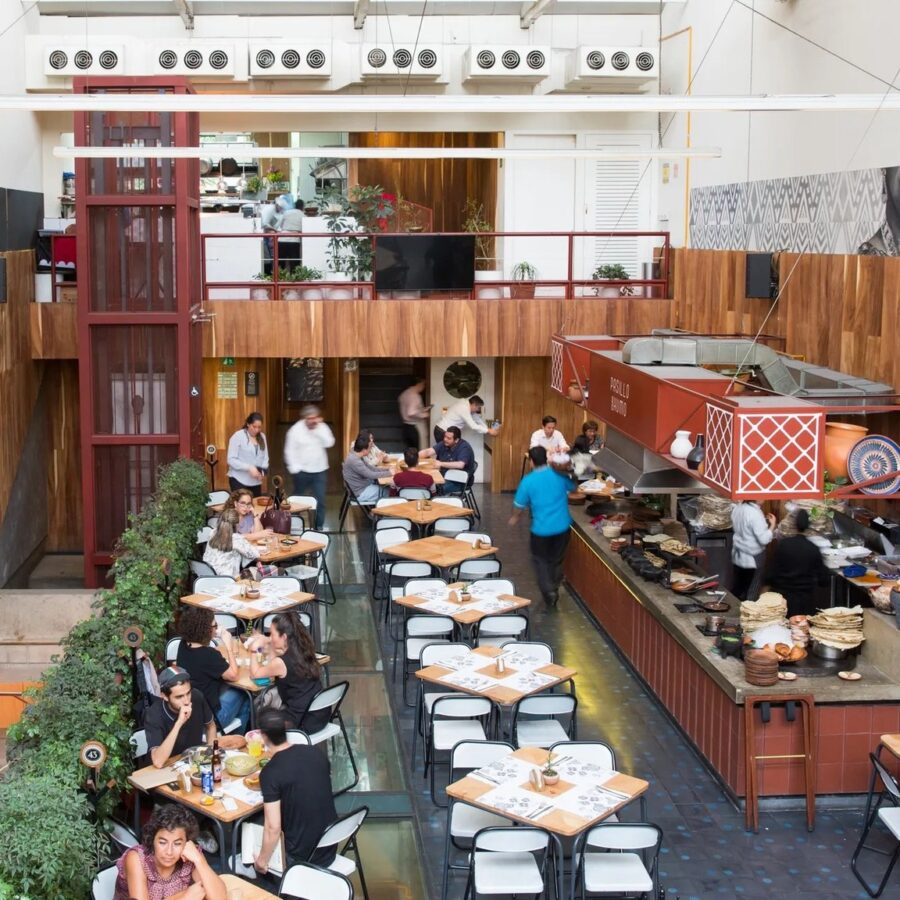
Centro’s food scene runs deep. Classic Oaxacan dishes—mole negro, tlayudas, tamales oaxaqueños—show up everywhere, from street corners to upscale spots. The best meals often come from little places with no signs, just the smell of roasting chiles.
For a sit-down meal, Casa Oaxaca and Origen are top picks for seasonal, local ingredients. In the markets, Pasillo de Humo serves up legendary grilled meats. After dark, the Santo Domingo area buzzes with mezcalerías pouring dozens of small-batch mezcals. Locals love to share samples—some smoky, some floral, some with a peppery bite.
Nightlife here feels real, not forced. You’ll catch live music drifting from bars and impromptu dancing in the plazas, especially on weekends. It’s lively but never overwhelming.
Popular Hotels in Centro
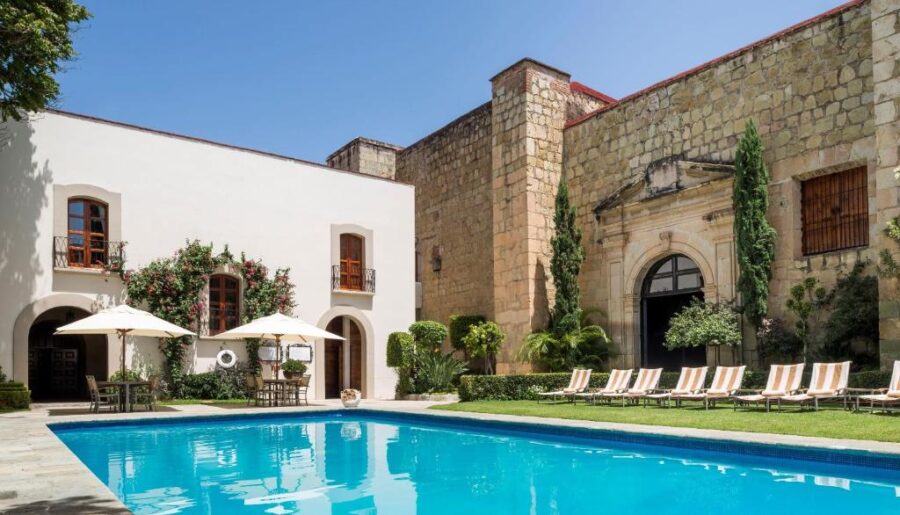
Centro has some of Oaxaca’s best hotels, from grand mansions to simple guesthouses. Standouts include Quinta Real Oaxaca, a converted convent with arches and peaceful courtyards. Hotel Escondido Oaxaca brings modern design and local art. Pug Seal Oaxaca is smaller, with an artsy, quiet vibe.
If you want a familiar brand, Grand Fiesta Americana Oaxaca delivers comfort and views of nearby gardens. Parador de Alcalá is a favorite in the mid-range, just a short walk from Santo Domingo.
| Hotel | Style | Notable Feature |
|---|---|---|
| Quinta Real Oaxaca | Luxury | Historic colonial convent |
| Hotel Escondido Oaxaca | Boutique | Contemporary local design |
| Pug Seal Oaxaca | Mid-range | Artistic rooms and courtyard |
| Parador de Alcalá | Mid-range | Central location, rooftop pool |
| Grand Fiesta Americana Oaxaca | Full-service | Spacious and modern amenities |
Book early, especially during festivals or Día de los Muertos—rooms go fast. Many travelers stay several nights just to soak up everything within walking distance.
Santo Domingo & Surroundings: Culture and History

The Santo Domingo area anchors Oaxaca’s cultural scene. Here, restored colonial streets, stone courtyards, and centuries of local history surround you. It’s not just about seeing the sights—it’s about feeling the connection between art, tradition, and daily life.
Visiting Oaxaca Botanical Garden

The Oaxaca Botanical Garden (Jardín Etnobotánico) sits behind the Santo Domingo Church, hidden by tall stone walls. Step inside and you’ll find a living museum packed with plants that tell Oaxaca’s story—from agave and cactus to lush tropical trees.
Guided tours are required, which keeps the garden peaceful and meaningful. Go early for the best light on the tall cacti—makes for great photos. If you’re staying in Centro or Santo Domingo, it’s a short walk. Bring water, take your time, and look out for carvings in the stone paths—they often hold local symbolism.
Museo de las Culturas de Oaxaca

The Museo de las Culturas de Oaxaca sits inside the old Santo Domingo monastery, and honestly, the building itself is worth the visit. Vaulted ceilings, long stone corridors, and views over the botanical garden set the scene.
Inside, you’ll find artifacts from pre-Hispanic times through the colonial era, including treasures from Monte Albán. The gold jewelry from Tomb 7 is a true highlight—one of those displays that stops you in your tracks.
Tip: Spend extra time in the upstairs galleries. The way natural light hits the sculptures and ceramics is almost cinematic. If you’re into photography or architecture, you’ll get both here.
Cultural Experiences Near Santo Domingo

Around Santo Domingo, culture feels alive. Street musicians play on corners, and sometimes you’ll stumble on a wedding parade (calenda) with dancers and giant papier-mâché figures weaving through the crowds.
Walk along Andador Macedonio Alcalá, the pedestrian street linking Santo Domingo to the Zócalo. It’s lined with art galleries, bookshops, and cafes—perfect for people-watching over a cold tejate (an earthy, traditional chocolate drink).
Nearby workshops offer textile demonstrations and pottery lessons. These hands-on experiences show you how crafts are woven into local identity, not just sold as souvenirs. With everything so close, you can easily spend a day here moving between art, history, and those small moments that define Oaxaca’s charm.
See Related: Best Winter Destinations in the US: Snowy Escapes You Can’t Miss
Jalatlaco: Artsy, Colorful, and Local
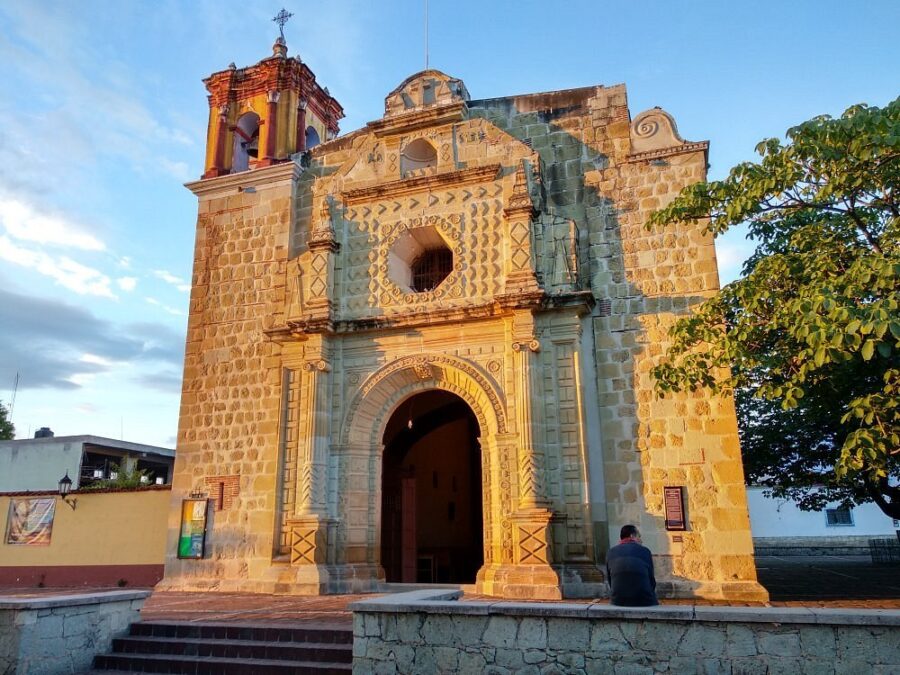
Just east of Oaxaca’s historic center, Jalatlaco feels like a small town inside the city. Expect cobblestone lanes, painted facades, and cafés that double as art spaces. Locals chat under flowering trees, and the whole place hums with detail and craft. It’s calm, never boring, and unmistakably Oaxacan.
Atmosphere and Local Vibe

Jalatlaco moves at its own pace. The crowds thin out, replaced by families heading to the market and artists painting garage doors. Colorful murals pop up on almost every block—many nodding to indigenous traditions or feminist themes. The mix of old adobe homes and new studios gives the area its character.
It’s the kind of neighborhood you can wander. Small mezcalerías, graphic art workshops, and slow cafés invite lingering. I’ve lost hours at Once in Oaxaca, notebook open, watching street cats weave between tables. By evening, bells from Templo de San Matías Jalatlaco echo across the narrow streets. It’s local, art-filled, and quietly beautiful.
Recommended Hotels in Jalatlaco

You’ll find boutique hotels and budget stays here—close to the city, but away from late-night noise. Two favorites with comfort and character:
| Hotel | Price Range | Highlights |
|---|---|---|
| El Callejón Hotel Boutique | $$ | Local design, lush garden courtyard, walkable to cafés and murals |
| Los Pilares Hotel | $ | Colonial-style rooms, rooftop breakfast, small pool for warm afternoons |
| Hotel Cazomalli | $ | Family-run, spotless, friendly hosts with neighborhood tips |
A handful of hostels also sit on Jalatlaco’s edge—handy if you want nightlife nearby but quieter nights. Most travelers agree: waking up to street art and the smell of fresh pan dulce is worth a little extra.
Barrio de Xochimilco: Historic and Peaceful

Barrio de Xochimilco offers a quiet slice of Oaxaca’s story. It’s full of old-world character, from aqueduct arches to sunlit cafés. Staying here means easy access to the city, minus Centro’s constant buzz.
Historic Sights in Xochimilco

This is Oaxaca’s oldest neighborhood. The 18th-century aqueduct still runs through cobbled streets, serving as both landmark and walking route. I like following its line uphill in the morning when the stone is cool and the pastel houses catch the light just right.
You’ll see murals by local artists, many tied to Zapotec identity and women’s stories. These walls tell you more about local life than any museum plaque. Small artisan workshops dot the area—ceramics, looms, backyard woodcarvers. Most artists are happy to chat if you stop by.
Moving north from the Cruz de Piedra leads you into the heart of the neighborhood. It’s easy to lose track of time here, honestly part of the charm. Bring a coffee, take a slow stroll, and you’ll start to see why people call Xochimilco the soul of old Oaxaca.
Best Accommodation Options

Xochimilco’s stays keep the calm atmosphere intact:
| Type | Name | Notable Feature |
|---|---|---|
| Luxury | El Callejón Hotel Boutique | Garden setting, regional restaurant, local art |
| Mid-range | La Casa Carlota | Rooftop terrace, homemade breakfast |
| Boutique | Stay Ortenxia | Modern design, panoramic views |
El Callejón Hotel Boutique blends modern comfort with local design and a leafy courtyard. Nights stay quiet, but you can walk downtown easily.
La Casa Carlota feels more like a friend’s home than a hotel—airy rooms, local artwork, and a rooftop with mountain views.
Budget travelers have options too. Several small hostels offer basic rooms and shared kitchens, minus Centro’s noise. Stay Ortenxia adds a contemporary touch with a rooftop terrace and plunge pool, perfect for unwinding after a day out.
You’ll wake up to birdsong, not honking taxis. That’s rare this close to downtown.
Barrio de la Noria: Family-Friendly Stays
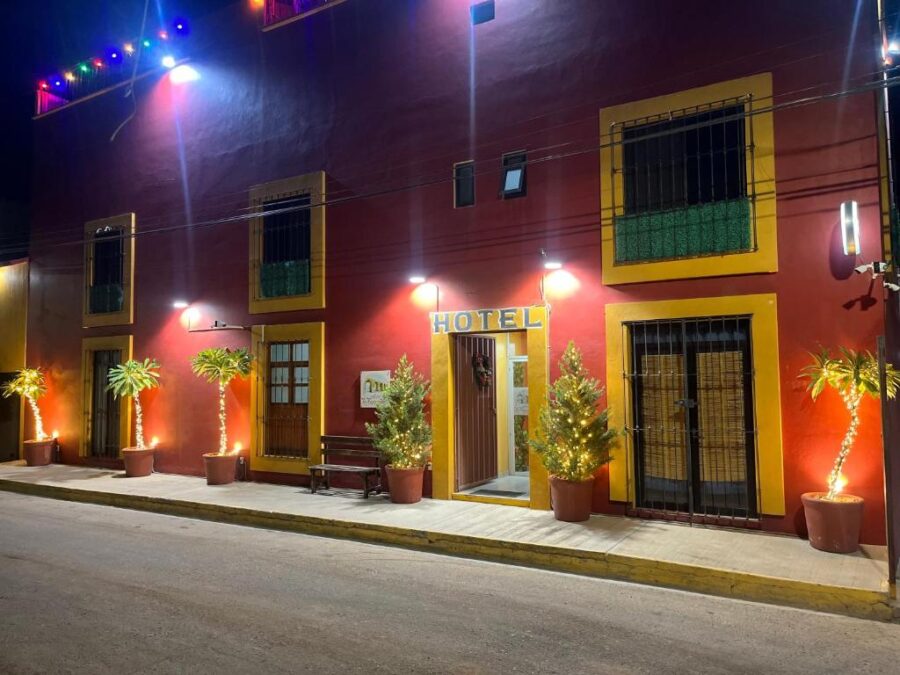
Barrio de la Noria sits just south of Oaxaca’s Centro, offering a calmer rhythm but still close to the city’s energy. Walking to the Zócalo takes 10 to 15 minutes, but the streets here stay quiet in the evenings—an easy pick for families who want safety, space, and real neighborhood feel.
Family-Oriented Features

La Noria feels like a real neighborhood, not a tourist zone. Kids can walk shaded sidewalks, and parents don’t have to stress over traffic or noise late at night. The area’s safe—residents know each other and look out for their neighbors.
You’ll find small playgrounds and cafés that actually welcome children. Mini-markets sell local produce and bakery snacks, perfect for an easy bite after a long day.
Because it’s outside the dense historic core, rooms are usually bigger and prices a bit lower. Parking’s easier too, which matters if you’re driving. Schools, parks, and restaurants keep the neighborhood feeling homey and relaxed after sightseeing.
Top Places to Stay in La Noria
A few hotels stand out for comfort and thoughtful details:
- Los Olivos Spa (Calzada Madero): Boutique style with family practicality. Small pool, garden, wellness spa—helpful if you need a quiet hour while someone else watches the kids.
- Hotel La Cascada: Simple, clean, and friendly. Staff often help plan day trips. The breakfast patio is bright and casual, perfect for an easy start.
For longer stays, several casas and apartments nearby come with kitchens and laundry—gold when you’re traveling with kids. Local bakeries and tamale stands are a short stroll away, and you might get a tip on where to find the best mole. The atmosphere’s authentic, friendly, and just easy to settle into.
Reforma District: Modern Comforts and Shopping

Reforma stands apart from Oaxaca’s older neighborhoods. It’s newer and more spread out, with wide streets, modern stores, and plenty of spots for coffee or a quick meal. You’ll find business hotels, boutique stays, and familiar chains surrounded by gyms, bakeries, and shopping centers.
Why Stay in Reforma

If you like convenience, Reforma keeps things simple. Streets are easy to navigate, traffic moves better than in Centro, and parking’s far less stressful. The area feels safe and organized, with more modern housing than colonial charm. Nights stay quiet—a plus if you’re after calm.
You can walk to Plaza Mazari or Reforma Square for groceries, restaurants, and shops selling everything from textiles to electronics. Food here leans contemporary—sushi, Italian, upscale Oaxacan fusion. Taxis and ride-hailing apps work well; downtown is just a short ride, maybe ten minutes.
I spent a week near Calle de las Rosas last spring. Walking to a full supermarket and still being close enough to Santo Domingo for dinner plans? Pretty convenient. Reforma trades postcard looks for practicality, and sometimes that’s exactly what you need.
Popular Hotels in Reforma

Reforma’s hotels focus on comfort and convenience:
- Holiday Inn Express Oaxaca-Centro Histórico: On the neighborhood’s edge—predictable service, strong Wi-Fi, breakfast included.
- Casa de Adobe Gallery & Luxury Boutique: Local character, modern design, traditional Oaxacan art, small spa, fitness area, rooftop mountain views.
- Hotel Hacienda Los Laureles Spa: Quiet atmosphere, gardens, staff who remember your name quickly.
- Casa Mayo B&B: Budget-friendly, feels like staying with friends. Homemade breakfast, local tips, quiet spot away from traffic.
Reforma gives you a clean, easy place to stay—especially if you value sleep and reliable comfort over colonial atmosphere.
See Related: The Top Vacation Spot in the World: Discover the Ultimate Destination
Budget and Boutique Accommodations in Oaxaca City

Oaxaca’s full of small, heartfelt places to stay—from creative hostels with shared kitchens to intimate hotels that double as modern art galleries. You can experience the city’s culture through its lodgings just as much as through its food or markets.
Affordable Hostels and Guesthouses

Budget stays here have real personality. Azul Cielo Hostel, tucked on a quiet street near the center, mixes colonial charm with murals and a leafy courtyard where travelers trade stories. Beds are clean, showers hot, and the staff point you to the best memelas nearby.
Yabanhi Hostel is more urban, close to downtown with spotless dorms. Rooftop chats happen naturally. If you want more privacy, small guesthouses often cost about the same as a hostel bed elsewhere. City Centro Oaxaca—technically a hotel—sometimes drops rates low enough for backpackers. It has a small pool, bright design, and solid Wi-Fi for working travelers.
Budget here doesn’t mean boring. You’ll still get handmade tiles, shared patios, and the easy pace that defines Oaxacan life.
Top Boutique Hotels to Consider
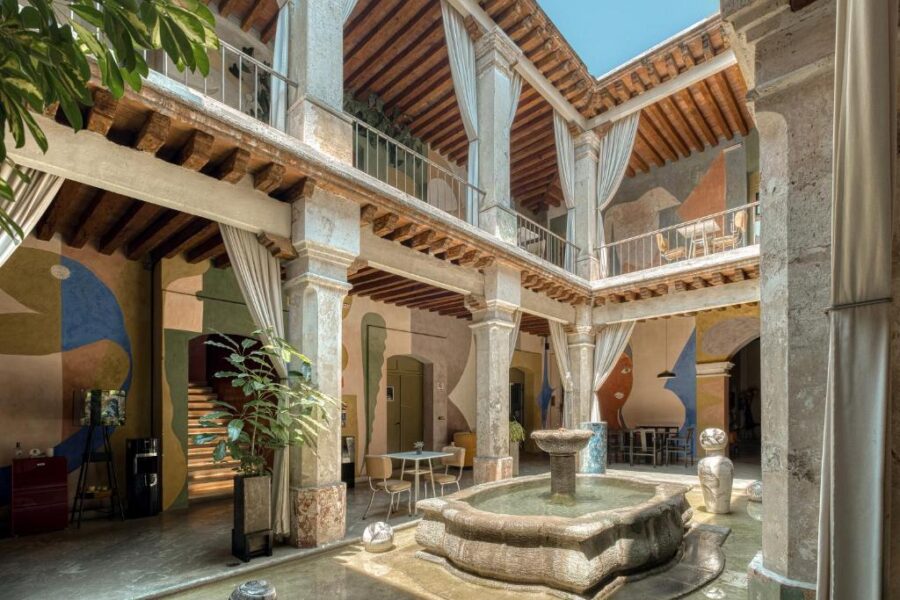
Boutique hotels in Oaxaca lean toward style and calm, not flash. Casa Antonieta—a restored colonial building with high ceilings and soft light—has an attached café serving local coffee and pastries worth waking up for. Each room feels distinct, with exposed stone and handmade furniture.
Hotel Casa Santo Origen, on the city’s edge, offers quiet pools, gardens, and warm wood interiors—a real retreat after market days. Pug Seal Oaxaca mixes Zapotec-inspired art with modern design, close enough to walk almost anywhere. Rooms are large, fresh, and filled with local craft details.
Other favorites—Nardazul Casa de Sueños, El Callejón Hotel Boutique—capture that mix of comfort and Oaxacan flavor. They’re small enough to feel personal, but polished enough to remind you you’re on vacation, not just passing through.
Staying Beyond the City: Day Trips & Nearby Destinations
Oaxaca’s Central Valley is more than city markets and colonial streets. Ancient ruins perch on high plateaus, weaving villages buzz with daily life, and the coast rewards the patient with wide beaches and strong coffee at sunrise.
Monte Alban and Archaeological Sites
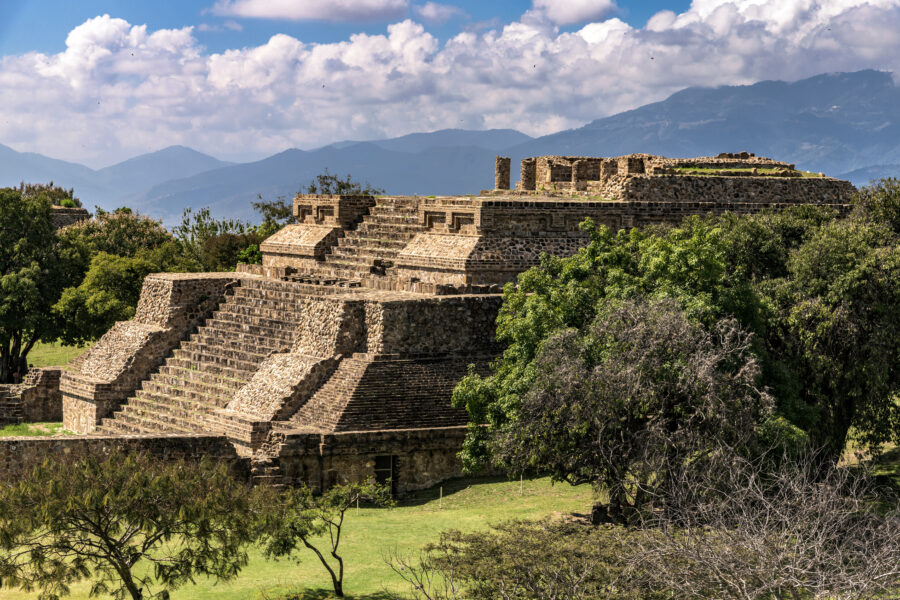
You’ll spot Monte Alban well before you get there. The ancient Zapotec capital sits high on a ridge above the valley, with terraces, plazas, and pyramids dating back over two thousand years. The climb isn’t tough, but the midday sun gets brutal—bring water and go early if you can.
From the summit, Oaxaca City and the surrounding hills spread out below. It’s a view that really helps you grasp the region. If you wander off to the quieter edges, you’ll find the carved stones called Danzantes still standing—worth a detour.
Want to skip the hassle? Local guides can bundle transport, entry, and a history lesson into one trip. You’ll find plenty of small-group tours on platforms where you can book day tours ahead of time.
If you have extra time, check out smaller ruins like Mitla and Yagul. These sites are quieter, with intricate mosaics and fewer vendors. They’re often paired together on half-day trips from the city’s main square.
Teotitlán del Valle: Textile Villages
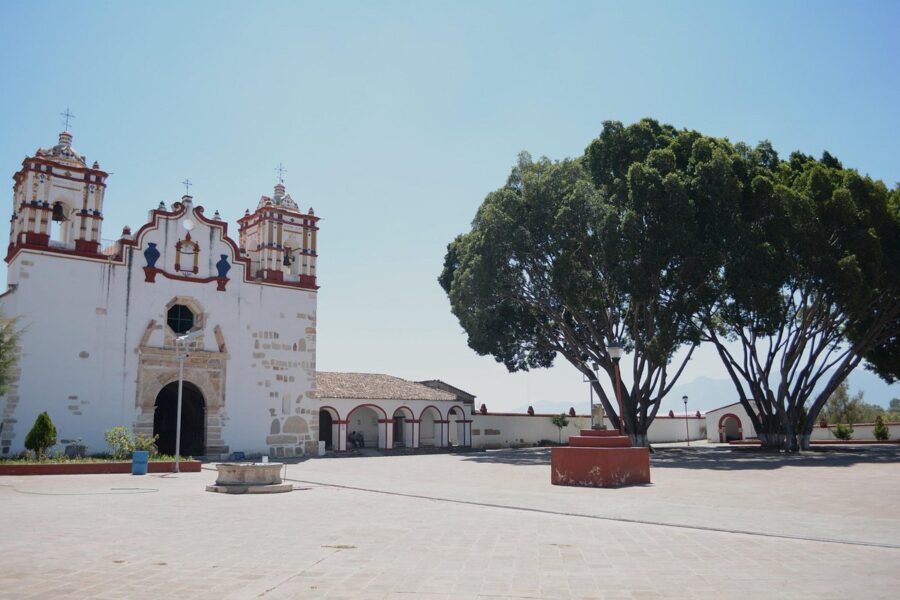
Just east of the city, past the main highway, you’ll reach Teotitlán del Valle—a Zapotec village famous for naturally dyed wool rugs. Nearly every house has a loom, and as you walk the narrow lanes, you’ll hear the steady beat of weaving.
Families open their workshops and show how they use cochineal insects for red, indigo for blue, and local plants for yellow and green. Watching the dye process is fascinating; I once saw a weaver mix pigment with lime juice—sharp smell, vivid color.
Most shops display prices, but it’s fine to negotiate politely. Buses or colectivos from Oaxaca take about 40 minutes, or you can join a guided excursion that also stops at local markets and mezcal tastings.
Beach Escapes: Puerto Escondido

When the city heat gets old, head southwest to Puerto Escondido. It’s a seven-hour drive over the Sierra Madre—definitely not a quick detour—but if you’re after a laid-back beach town, it’s worth the trek.
The main areas—Zicatela, Carrizalillo, and La Punta—each have their own vibe. Zicatela attracts surfers chasing big waves, while Carrizalillo is gentler, good for swimming and grabbing cheap ceviche.
Plan to stay at least two nights so the long bus ride feels worthwhile. Lately, small cafés and yoga studios have popped up, giving the town a friendly, relaxed feel without being overly trendy. If you want a cooler stop on the way, San José del Pacífico offers a night in the forest and a break from the winding drive before you hit the coast.
Essential Travel Tips for Booking in Oaxaca City

Booking your stay in Oaxaca City is easier when you know how to get around, what suits your budget, and when to lock in your plans. The city’s compact layout helps, but smart choices about location and timing can really shape your trip.
Transportation and Getting Around

Most travelers fly into Oaxaca International Airport (OAX), about 25 minutes from downtown. Taxis and airport shuttles are lined up outside the terminal—no need to book ahead. If you want to explore villages or Monte Albán at your own pace, compare car rental rates on KAYAK.
Inside the city, walking is usually fastest. Many hotels in Oaxaca are within a 15–20 minute walk of major sights. El Centro’s cobblestone streets and narrow lanes make driving a headache. Ride-share apps work, but local taxis are everywhere and typically cheaper.
Renting a bike for a day can be fun—you’ll see how compact the city really is. Just watch for uneven roads, and ride early before traffic builds up.
Choosing the Right Hotel for Your Needs
Oaxaca’s hotel scene covers everything from centuries-old convents to modern guesthouses. The main decision is how close you want to be to El Centro. Staying near the Zócalo is convenient for walking to markets and Santo Domingo church.
If you want more peace and local flavor, check Jalatlaco or Xochimilco. These neighborhoods offer family-run inns and a quieter atmosphere. For luxury, Reforma has polished boutique hotels with gardens and pools, but you’ll need a quick ride to reach most sights.
Think about what matters most—parking, breakfast, air conditioning, or a bit of historic charm. In my experience, a small hotel with friendly staff usually beats a big one with too many rules.
Booking Advice and Best Times to Visit

Book early if you’re planning to visit for Day of the Dead in late October or early November. Rooms fill up months in advance. During slower months—May through early September—you’ll find better prices and fewer crowds. I like to compare rates on Booking.com and Expedia to see options side by side.
A week ahead is usually fine in low season, but for holidays, book two or three months out for the best selection. Look for properties with free cancellation—plans can change, and flexibility helps.
For flights, it’s smart to track fares to OAX on Skyscanner before you finalize hotel dates. That little bit of planning can save you money and help line up your stay with the best deals.
See Related: Where to Stay in Mexico City: Top Best Neighborhoods for Every Traveler
Frequently Asked Questions

Finding the right place in Oaxaca City really comes down to your budget, style, and what you want out of your trip. Each area has its own personality, from lively markets and artistic streets to quieter neighborhoods with a more local feel.
What are the top budget-friendly accommodations in Oaxaca City?
If you’re keeping an eye on costs, there are plenty of good options that don’t sacrifice comfort or style. Viajero Oaxaca Hostal and Casa Angel Hostel both have friendly vibes and central locations. You can walk to markets and cafés from either one.
Smaller guesthouses like Hotel Maela are simple but have nice touches—think leafy courtyards and lots of morning light. For Airbnbs, look around El Centro; you’ll find well-rated apartments under $50 a night, usually close to Santo Domingo or the Zócalo.
Which neighborhoods in Oaxaca City are best for tourists seeking an authentic experience?
The Centro Histórico is still the city’s core. Streets here buzz with daily life—vendors selling tamales, musicians, families heading to work. You’ll be right in the middle of it all.
For something a bit quieter but still local, try Jalatlaco. It feels like a small town inside the city, with cobblestone streets and colorful houses. I spent a week there once and loved being able to duck into tiny coffee shops where everyone seemed to know each other.
Can you recommend unique lodging options for a memorable stay in Oaxaca City?
For places with real character, Casa Antonieta stands out—old colonial bones, modern coffee shop energy. You might find yourself lingering in the courtyard longer than expected.
Another creative pick is La Clínica, a mix of café, art space, and B&B in the so-called Northern Quarter. Run by locals who care about design and good espresso, it feels like you’re part of the neighborhood, not just a guest.
What are the premier boutique hotels in Oaxaca City for a distinctive stay?
Hotel Escondido Oaxaca is a standout—modern, minimal, but unmistakably Oaxacan in style and materials. It’s one of the best-designed places in town.
Quinta Real offers a stay in a restored convent, so you’re surrounded by history. It’s a splurge, but memorable. Casa de Tita and Hotel Sin Nombre both blend architecture, art, and comfort in a way that feels stylish but not overdone.
How does one choose the ideal location for accommodation during the Day of the Dead celebrations in Oaxaca?
The Centro area puts you right in the middle of the action, especially near the Zócalo or Santo Domingo. Parades, processions, and altars fill the streets, so staying nearby means you can step right outside and join in.
If you want to experience the festivities but sleep a little quieter, Jalatlaco is just far enough to escape the late-night noise but still close enough to walk back after events. Book early—rooms disappear fast that week.
What areas of Oaxaca City are known for their safety and walkability?
Oaxaca’s central neighborhoods—Centro Histórico, Jalatlaco, and parts of the Northern Quarter—feel safe and are easy to explore on foot. Sidewalks get a bit rough in spots, but you won’t need to walk far, and folks around here are usually happy to help if you look lost.
Stick to daylight hours when you’re checking out new corners, especially as you move away from the heart of town. After dark, taxis or rideshares are affordable and straightforward, and most drivers recognize the smaller guesthouses without any trouble.