
Bernardine monastery
About Bernardine monastery
Description
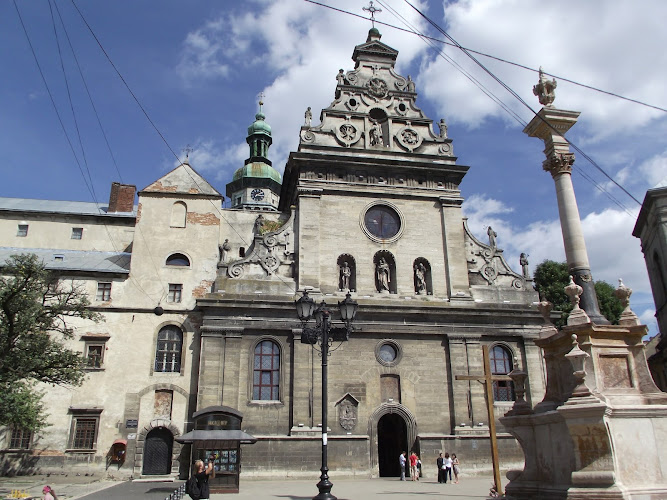
The Bernardine Monastery in Lviv is one of those places that quietly takes your breath away before you even realize it. Standing proudly near the heart of the old city, this centuries-old religious complex carries layers of history, art, and faith that seem to hum through its stone walls. It’s not just another church or monastery—it’s a living piece of Lviv’s soul. Built by the Bernardine monks in the 17th century, the monastery is officially known as the Monastery of St. Andrew the Apostle, and it’s an architectural mosaic of Renaissance and Baroque styles. You can feel the weight of time here, but it’s not heavy—it’s comforting, almost like the building itself is whispering stories from the past.
Walking through the gate, you’ll notice the intricate carvings on the facade, the soft echo of your footsteps against the cobblestones, and the faint scent of incense that lingers in the air. The church’s gilded interior glows in the dim light, with frescoes that seem to shimmer when the sun hits them just right. The artistry is remarkable—gold leaf detailing, vibrant murals, and a ceiling that could keep you looking up for hours. It’s one of those places where even the most restless travelers find themselves slowing down, just to take it all in.
And while it’s a deeply spiritual site, it doesn’t feel exclusive or intimidating. Locals come here to pray, tourists wander in with cameras, and children chase pigeons in the courtyard. There’s a sense of calm acceptance that makes everyone feel welcome. Some people come for the architecture, others for the history, and a few—like me—just to stand quietly and feel connected to something bigger than themselves. It’s a place that rewards curiosity and contemplation in equal measure.
Key Features
- Architectural Fusion: A striking blend of Baroque and Renaissance design, with Gothic remnants that hint at its medieval origins.
- Gilded Interior: The church’s interior is adorned with gold accents, frescoes, and ornate altars that showcase the craftsmanship of 17th-century artisans.
- Historical Significance: Once a fortified monastery, it played an important role in Lviv’s defense and spiritual life for centuries.
- Peaceful Courtyard: The enclosed courtyard offers a serene escape from the city’s bustle—perfect for a quiet moment or a quick rest between sightseeing stops.
- Cultural Heritage: The monastery remains an active place of worship and a symbol of Lviv’s enduring Catholic traditions.
- Accessibility: Located close to the city center, it’s easy to visit as part of a walking tour of Lviv’s historic core.
Best Time to Visit
If you ask me, the Bernardine Monastery is beautiful any time of year, but the experience shifts with the seasons. Spring brings blooming flowers and a soft breeze that carries the scent of lilacs from nearby gardens. Summer is lively—tour groups, street musicians, and the occasional wedding procession passing by. It’s the most energetic time to visit, though it can get crowded around midday.
Autumn, though—that’s my personal favorite. The golden light and crisp air make the monastery’s warm tones stand out even more. The leaves from the nearby trees scatter across the cobblestones, and the whole area feels like a painting come to life. Winter has its own quiet magic too. Fewer visitors mean you can stand alone in the courtyard, listening to the faint echo of church bells. The snow often dusts the roof and statues, making everything look almost ethereal.
If you’re planning your visit, mornings are best for photography—the light hits the facade beautifully—and late afternoons are ideal for soaking in the atmosphere without the daytime rush. Sundays can be busy because of services, but if you don’t mind sitting through a Mass, it’s a lovely way to experience the monastery as it was meant to be: alive with prayer and song.
How to Get There
Reaching the Bernardine Monastery is refreshingly simple, especially if you’re already exploring Lviv’s old town. It’s within easy walking distance from most of the city’s main attractions. Honestly, half the fun is getting there—wandering through narrow cobbled streets lined with pastel buildings, stopping for coffee at a tiny café, and hearing the distant hum of street performers. It feels like stepping through time.
If you’re coming from farther out, public transportation is convenient. Local trams and buses stop nearby, and taxis or rideshares are plentiful and affordable. For those who enjoy a bit of adventure, renting a bike is another great option. Lviv’s compact layout makes it easy to navigate, and cycling gives you a different perspective of the city’s rhythm. Just remember, the streets around the old town can be uneven, so wear comfortable shoes if you choose to walk—it’s part of the charm, but your ankles will thank you later.
Tips for Visiting
A few things I’ve learned from visiting (and from watching other travelers learn the hard way):
- Respect the sacred space. Even if you’re there for the art or architecture, remember it’s an active monastery. Keep your voice low, and avoid flash photography during services.
- Dress modestly. Shoulders covered, no short shorts—it’s just good manners, and you’ll blend in better with the locals.
- Bring small change. Donations are appreciated, and sometimes there’s a small fee to enter certain areas or light a candle.
- Take your time. Don’t rush through. Sit for a few minutes in the pews, look up at the ceiling, and let yourself feel the atmosphere. It’s worth it.
- Explore nearby. The monastery is surrounded by some of Lviv’s best cafes and hidden courtyards. Grab a coffee afterward and watch the world go by—it’s a perfect way to end your visit.
- Good for families. Kids often enjoy the open courtyard and the sense of discovery inside the church. It’s surprisingly family-friendly for such an old place.
And one last thing—don’t just see it, experience it. The Bernardine Monastery isn’t about ticking off a sightseeing list; it’s about feeling the history under your fingertips, hearing the echoes of centuries-old prayers, and realizing that beauty can be both grand and humble at the same time. I’ve been there more than once, and every time I leave, I catch myself glancing back over my shoulder for one last look. It’s that kind of place—the kind that stays with you long after you’ve gone.
Key Features
- Key Features
- Best Time to Visit
- How to Get There
- Tips for Visiting
More Details
Updated November 7, 2025
Table of Contents
Description
The Bernardine Monastery in Lviv is one of those places that quietly takes your breath away before you even realize it. Standing proudly near the heart of the old city, this centuries-old religious complex carries layers of history, art, and faith that seem to hum through its stone walls. It’s not just another church or monastery—it’s a living piece of Lviv’s soul. Built by the Bernardine monks in the 17th century, the monastery is officially known as the Monastery of St. Andrew the Apostle, and it’s an architectural mosaic of Renaissance and Baroque styles. You can feel the weight of time here, but it’s not heavy—it’s comforting, almost like the building itself is whispering stories from the past.
Walking through the gate, you’ll notice the intricate carvings on the facade, the soft echo of your footsteps against the cobblestones, and the faint scent of incense that lingers in the air. The church’s gilded interior glows in the dim light, with frescoes that seem to shimmer when the sun hits them just right. The artistry is remarkable—gold leaf detailing, vibrant murals, and a ceiling that could keep you looking up for hours. It’s one of those places where even the most restless travelers find themselves slowing down, just to take it all in.
And while it’s a deeply spiritual site, it doesn’t feel exclusive or intimidating. Locals come here to pray, tourists wander in with cameras, and children chase pigeons in the courtyard. There’s a sense of calm acceptance that makes everyone feel welcome. Some people come for the architecture, others for the history, and a few—like me—just to stand quietly and feel connected to something bigger than themselves. It’s a place that rewards curiosity and contemplation in equal measure.
Key Features
- Architectural Fusion: A striking blend of Baroque and Renaissance design, with Gothic remnants that hint at its medieval origins.
- Gilded Interior: The church’s interior is adorned with gold accents, frescoes, and ornate altars that showcase the craftsmanship of 17th-century artisans.
- Historical Significance: Once a fortified monastery, it played an important role in Lviv’s defense and spiritual life for centuries.
- Peaceful Courtyard: The enclosed courtyard offers a serene escape from the city’s bustle—perfect for a quiet moment or a quick rest between sightseeing stops.
- Cultural Heritage: The monastery remains an active place of worship and a symbol of Lviv’s enduring Catholic traditions.
- Accessibility: Located close to the city center, it’s easy to visit as part of a walking tour of Lviv’s historic core.
Best Time to Visit
If you ask me, the Bernardine Monastery is beautiful any time of year, but the experience shifts with the seasons. Spring brings blooming flowers and a soft breeze that carries the scent of lilacs from nearby gardens. Summer is lively—tour groups, street musicians, and the occasional wedding procession passing by. It’s the most energetic time to visit, though it can get crowded around midday.
Autumn, though—that’s my personal favorite. The golden light and crisp air make the monastery’s warm tones stand out even more. The leaves from the nearby trees scatter across the cobblestones, and the whole area feels like a painting come to life. Winter has its own quiet magic too. Fewer visitors mean you can stand alone in the courtyard, listening to the faint echo of church bells. The snow often dusts the roof and statues, making everything look almost ethereal.
If you’re planning your visit, mornings are best for photography—the light hits the facade beautifully—and late afternoons are ideal for soaking in the atmosphere without the daytime rush. Sundays can be busy because of services, but if you don’t mind sitting through a Mass, it’s a lovely way to experience the monastery as it was meant to be: alive with prayer and song.
How to Get There
Reaching the Bernardine Monastery is refreshingly simple, especially if you’re already exploring Lviv’s old town. It’s within easy walking distance from most of the city’s main attractions. Honestly, half the fun is getting there—wandering through narrow cobbled streets lined with pastel buildings, stopping for coffee at a tiny café, and hearing the distant hum of street performers. It feels like stepping through time.
If you’re coming from farther out, public transportation is convenient. Local trams and buses stop nearby, and taxis or rideshares are plentiful and affordable. For those who enjoy a bit of adventure, renting a bike is another great option. Lviv’s compact layout makes it easy to navigate, and cycling gives you a different perspective of the city’s rhythm. Just remember, the streets around the old town can be uneven, so wear comfortable shoes if you choose to walk—it’s part of the charm, but your ankles will thank you later.
Tips for Visiting
A few things I’ve learned from visiting (and from watching other travelers learn the hard way):
- Respect the sacred space. Even if you’re there for the art or architecture, remember it’s an active monastery. Keep your voice low, and avoid flash photography during services.
- Dress modestly. Shoulders covered, no short shorts—it’s just good manners, and you’ll blend in better with the locals.
- Bring small change. Donations are appreciated, and sometimes there’s a small fee to enter certain areas or light a candle.
- Take your time. Don’t rush through. Sit for a few minutes in the pews, look up at the ceiling, and let yourself feel the atmosphere. It’s worth it.
- Explore nearby. The monastery is surrounded by some of Lviv’s best cafes and hidden courtyards. Grab a coffee afterward and watch the world go by—it’s a perfect way to end your visit.
- Good for families. Kids often enjoy the open courtyard and the sense of discovery inside the church. It’s surprisingly family-friendly for such an old place.
And one last thing—don’t just see it, experience it. The Bernardine Monastery isn’t about ticking off a sightseeing list; it’s about feeling the history under your fingertips, hearing the echoes of centuries-old prayers, and realizing that beauty can be both grand and humble at the same time. I’ve been there more than once, and every time I leave, I catch myself glancing back over my shoulder for one last look. It’s that kind of place—the kind that stays with you long after you’ve gone.
Key Highlights
- Key Features
- Best Time to Visit
- How to Get There
- Tips for Visiting
Location
Places to Stay Near Bernardine monastery
Find and Book a Tour
Explore More Travel Guides
No reviews found! Be the first to review!
Traveler Reviews for Bernardine monastery
There are no reviews yet. Be the first one to write one.
Have you visited Bernardine monastery? Help other travelers by sharing your review.
You Might Also Like
St. George's Cathedral
Shevchenka Ave, 10

Lychakiv Cemetery
Find Accommodations Nearby
Recommended Tours & Activities
Visitor Reviews
There are no reviews yet. Be the first one to write one.
Share Your Experience
Have you visited Bernardine monastery? Help other travelers by leaving a review.