
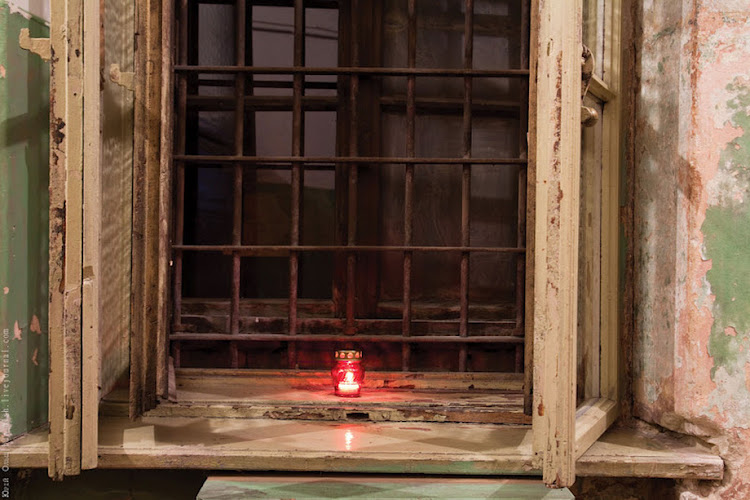
Lonsky Prison National Memorial Museum
About Lonsky Prison National Memorial Museum
Description
The Lonsky Prison National Memorial Museum in Lviv is one of those places that stays with you long after you leave. It’s not the kind of museum where you just stroll through, snapping photos and moving on. No, this one makes you pause, think, and maybe even feel a lump in your throat. Housed in a somber building from the late 19th century, the former prison once held political prisoners under multiple regimes — Polish, Soviet, Nazi, and later, communist authorities. Each era left behind its own dark mark, etched into the walls and the stories told within them.
Walking through its corridors feels almost eerie — the heavy doors, the narrow cells, the faint echo of footsteps on the stone floors. It’s a stark reminder of how fragile freedom can be. The museum doesn’t just display artifacts; it tells human stories. You’ll find personal letters, photographs, and testimonies from those who lived and died here. And while the subject matter is heavy, the museum’s mission is deeply meaningful — to ensure that the suffering of the past is not forgotten.
What I personally found most striking is how the museum balances sorrow with dignity. It doesn’t sensationalize history. Instead, it invites you to reflect quietly. The exhibits are simple but powerful, arranged over two floors that chronicle the evolution of the prison’s use through the 20th century. The atmosphere is heavy, yes, but also strangely peaceful — as if the building itself has accepted its role as a guardian of memory. If you’re someone who appreciates history told truthfully, without sugarcoating, this place will speak to you.
Key Features
- Historic Building: Originally constructed around 1890, the prison’s architecture retains its original structure, offering visitors an authentic glimpse into its grim past.
- Exhibitions on Occupation Regimes: Displays detail the experiences of prisoners under the Polish, Nazi, and Soviet regimes, using documents, photos, and personal belongings.
- Memorial Rooms: Dedicated spaces honor the victims of political repression, particularly during the Stalinist purges and World War II.
- Research Center: The museum also serves as the main office for the Center for Liberation Movement Studies, supporting ongoing research into Ukraine’s fight for independence.
- Authentic Prison Cells: Visitors can step inside original cells and interrogation rooms, preserved to reflect their historical state.
- Educational Programs: Regular lectures, guided tours, and exhibitions aim to deepen understanding of Ukraine’s 20th-century history.
You won’t find fancy amenities here — no cafés, no gift shops, no polished multimedia displays. And honestly, that’s part of its power. The rawness of the place is what makes it real. It’s not trying to entertain; it’s trying to make you remember.
Best Time to Visit
If you’re planning a trip to Lviv, the best time to visit the Lonsky Prison National Memorial Museum is during spring or early autumn. The weather is mild, and you can easily combine your visit with a walk through Lviv’s historic streets afterward — a bit of fresh air helps after such an emotionally intense experience. Summer can be busier, especially with tour groups, while winter visits have their own haunting charm. I once went in late November, and the cold air seeping through the old walls made the experience even more visceral — it’s as if the chill itself carried whispers of the past.
Weekdays are usually quieter, which gives you the space to wander and reflect without feeling rushed. The museum isn’t large, but you’ll want to take your time. Trust me, it’s not something you can rush through in twenty minutes; it deserves your full attention.
How to Get There
Reaching the museum is pretty straightforward if you’re already in Lviv. It’s located not far from the main railway station and within walking distance of the city center. You can easily reach it by tram or bus — public transport in Lviv is affordable and reliable. If you prefer walking, it’s about a 20-minute stroll from the old town, and along the way, you’ll pass some beautiful old architecture that makes the walk worthwhile.
For those using taxis or ride-sharing apps, the ride is short and inexpensive. Just be aware that the entrance isn’t flashy — it looks like an old government building, so you might pass it without realizing at first. There’s no dedicated parking lot nearby, and accessibility can be challenging since the building wasn’t designed with modern facilities in mind. But that’s part of its authenticity; it’s a preserved historical site, not a modern museum complex.
Tips for Visiting
Here’s where a little preparation helps. The Lonsky Prison Museum isn’t your typical tourist attraction, and going in with the right mindset makes all the difference. Below are a few tips I’ve learned (some the hard way) to help you get the most from your visit:
- Allow enough time. You’ll need at least 1–2 hours to fully absorb everything. Rushing through would feel disrespectful, honestly.
- Take a guided tour if possible. The guides are passionate and knowledgeable, and their stories bring the exhibits to life in a way that plaques simply can’t.
- Prepare emotionally. Some of the images and stories are tough to take in. It’s okay to step outside for a moment if it gets too heavy — many people do.
- No flashy photos. Photography is allowed in some areas, but it’s worth remembering this is a memorial site. Quiet respect goes a long way.
- Dress comfortably. The building can be chilly, especially in colder months, and there’s quite a bit of standing and walking involved.
- Bring cash. Entry fees are modest, but not all places in Lviv accept cards, especially smaller institutions like this one.
- Visit nearby attractions afterward. After such a heavy experience, it’s nice to decompress with a walk through Ivan Franko Park or a coffee at one of Lviv’s old cafés.
One thing I’ll say — don’t go expecting entertainment. Go expecting truth. The Lonsky Prison National Memorial Museum isn’t about spectacle; it’s about remembrance. And in a world that often rushes past its own history, that’s something worth slowing down for. You’ll walk out with a deeper understanding of Ukraine’s struggles and resilience, and maybe a renewed appreciation for the freedoms we often take for granted.
And here’s a small personal note — on my first visit, I remember standing in one of the cells where the walls were scratched with names and dates. Some were barely visible, others carved deep. It hit me that these weren’t just marks; they were proof of existence, of resistance, of people refusing to be erased. That moment alone made the entire visit worth it. If you’re someone who values authenticity and history told without filters, this museum deserves a spot on your itinerary.
So, while Lviv is full of charming cafés, art galleries, and lively squares, take a few hours to step into this quieter, heavier corner of the city. It’s not cheerful, but it’s profoundly human — and that’s what makes it unforgettable.
Key Features
- Key Features
- Best Time to Visit
- How to Get There
- Tips for Visiting
More Details
Updated November 7, 2025
Table of Contents
- Description
- Key Features
- Best Time to Visit
- How to Get There
- Tips for Visiting
- Key Highlights
- Location
- Places to Stay Near Lonsky Prison National Memorial Museum
- Find and Book a Tour
- Explore More Travel Guides
- Nearby Places You Might Like
- Traveler Reviews for Lonsky Prison National Memorial Museum
- Share Your Experience
Description
The Lonsky Prison National Memorial Museum in Lviv is one of those places that stays with you long after you leave. It’s not the kind of museum where you just stroll through, snapping photos and moving on. No, this one makes you pause, think, and maybe even feel a lump in your throat. Housed in a somber building from the late 19th century, the former prison once held political prisoners under multiple regimes — Polish, Soviet, Nazi, and later, communist authorities. Each era left behind its own dark mark, etched into the walls and the stories told within them.
Walking through its corridors feels almost eerie — the heavy doors, the narrow cells, the faint echo of footsteps on the stone floors. It’s a stark reminder of how fragile freedom can be. The museum doesn’t just display artifacts; it tells human stories. You’ll find personal letters, photographs, and testimonies from those who lived and died here. And while the subject matter is heavy, the museum’s mission is deeply meaningful — to ensure that the suffering of the past is not forgotten.
What I personally found most striking is how the museum balances sorrow with dignity. It doesn’t sensationalize history. Instead, it invites you to reflect quietly. The exhibits are simple but powerful, arranged over two floors that chronicle the evolution of the prison’s use through the 20th century. The atmosphere is heavy, yes, but also strangely peaceful — as if the building itself has accepted its role as a guardian of memory. If you’re someone who appreciates history told truthfully, without sugarcoating, this place will speak to you.
Key Features
- Historic Building: Originally constructed around 1890, the prison’s architecture retains its original structure, offering visitors an authentic glimpse into its grim past.
- Exhibitions on Occupation Regimes: Displays detail the experiences of prisoners under the Polish, Nazi, and Soviet regimes, using documents, photos, and personal belongings.
- Memorial Rooms: Dedicated spaces honor the victims of political repression, particularly during the Stalinist purges and World War II.
- Research Center: The museum also serves as the main office for the Center for Liberation Movement Studies, supporting ongoing research into Ukraine’s fight for independence.
- Authentic Prison Cells: Visitors can step inside original cells and interrogation rooms, preserved to reflect their historical state.
- Educational Programs: Regular lectures, guided tours, and exhibitions aim to deepen understanding of Ukraine’s 20th-century history.
You won’t find fancy amenities here — no cafés, no gift shops, no polished multimedia displays. And honestly, that’s part of its power. The rawness of the place is what makes it real. It’s not trying to entertain; it’s trying to make you remember.
Best Time to Visit
If you’re planning a trip to Lviv, the best time to visit the Lonsky Prison National Memorial Museum is during spring or early autumn. The weather is mild, and you can easily combine your visit with a walk through Lviv’s historic streets afterward — a bit of fresh air helps after such an emotionally intense experience. Summer can be busier, especially with tour groups, while winter visits have their own haunting charm. I once went in late November, and the cold air seeping through the old walls made the experience even more visceral — it’s as if the chill itself carried whispers of the past.
Weekdays are usually quieter, which gives you the space to wander and reflect without feeling rushed. The museum isn’t large, but you’ll want to take your time. Trust me, it’s not something you can rush through in twenty minutes; it deserves your full attention.
How to Get There
Reaching the museum is pretty straightforward if you’re already in Lviv. It’s located not far from the main railway station and within walking distance of the city center. You can easily reach it by tram or bus — public transport in Lviv is affordable and reliable. If you prefer walking, it’s about a 20-minute stroll from the old town, and along the way, you’ll pass some beautiful old architecture that makes the walk worthwhile.
For those using taxis or ride-sharing apps, the ride is short and inexpensive. Just be aware that the entrance isn’t flashy — it looks like an old government building, so you might pass it without realizing at first. There’s no dedicated parking lot nearby, and accessibility can be challenging since the building wasn’t designed with modern facilities in mind. But that’s part of its authenticity; it’s a preserved historical site, not a modern museum complex.
Tips for Visiting
Here’s where a little preparation helps. The Lonsky Prison Museum isn’t your typical tourist attraction, and going in with the right mindset makes all the difference. Below are a few tips I’ve learned (some the hard way) to help you get the most from your visit:
- Allow enough time. You’ll need at least 1–2 hours to fully absorb everything. Rushing through would feel disrespectful, honestly.
- Take a guided tour if possible. The guides are passionate and knowledgeable, and their stories bring the exhibits to life in a way that plaques simply can’t.
- Prepare emotionally. Some of the images and stories are tough to take in. It’s okay to step outside for a moment if it gets too heavy — many people do.
- No flashy photos. Photography is allowed in some areas, but it’s worth remembering this is a memorial site. Quiet respect goes a long way.
- Dress comfortably. The building can be chilly, especially in colder months, and there’s quite a bit of standing and walking involved.
- Bring cash. Entry fees are modest, but not all places in Lviv accept cards, especially smaller institutions like this one.
- Visit nearby attractions afterward. After such a heavy experience, it’s nice to decompress with a walk through Ivan Franko Park or a coffee at one of Lviv’s old cafés.
One thing I’ll say — don’t go expecting entertainment. Go expecting truth. The Lonsky Prison National Memorial Museum isn’t about spectacle; it’s about remembrance. And in a world that often rushes past its own history, that’s something worth slowing down for. You’ll walk out with a deeper understanding of Ukraine’s struggles and resilience, and maybe a renewed appreciation for the freedoms we often take for granted.
And here’s a small personal note — on my first visit, I remember standing in one of the cells where the walls were scratched with names and dates. Some were barely visible, others carved deep. It hit me that these weren’t just marks; they were proof of existence, of resistance, of people refusing to be erased. That moment alone made the entire visit worth it. If you’re someone who values authenticity and history told without filters, this museum deserves a spot on your itinerary.
So, while Lviv is full of charming cafés, art galleries, and lively squares, take a few hours to step into this quieter, heavier corner of the city. It’s not cheerful, but it’s profoundly human — and that’s what makes it unforgettable.
Key Highlights
- Key Features
- Best Time to Visit
- How to Get There
- Tips for Visiting
Location
Places to Stay Near Lonsky Prison National Memorial Museum
Find and Book a Tour
Explore More Travel Guides
No reviews found! Be the first to review!
Traveler Reviews for Lonsky Prison National Memorial Museum
There are no reviews yet. Be the first one to write one.
Have you visited Lonsky Prison National Memorial Museum? Help other travelers by sharing your review.
You Might Also Like
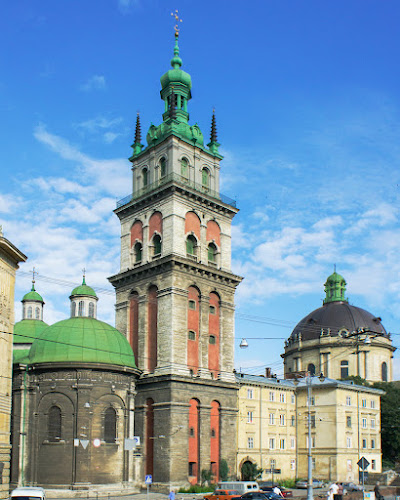
Dormition Church, Korniakt Tower
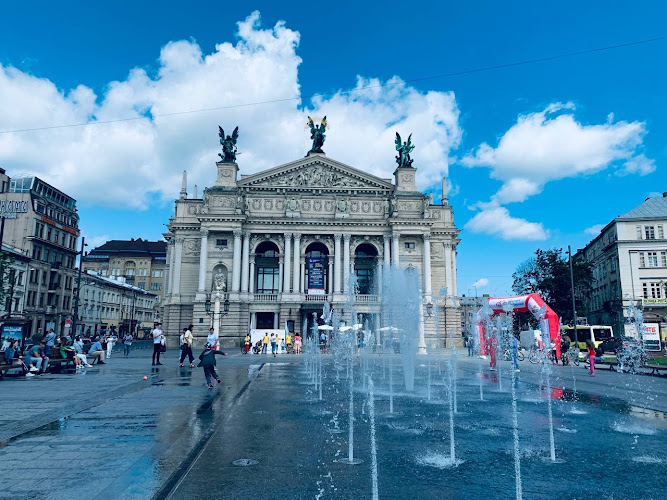
Lviv National Opera
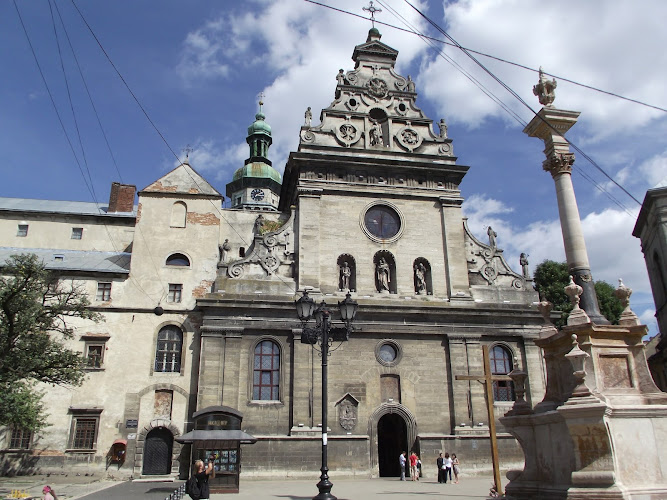
Bernardine monastery
Find Accommodations Nearby
Recommended Tours & Activities
Visitor Reviews
There are no reviews yet. Be the first one to write one.
Share Your Experience
Have you visited Lonsky Prison National Memorial Museum? Help other travelers by leaving a review.