

Center for Urban History of East Central Europe
About Center for Urban History of East Central Europe
Description
There’s something quietly magnetic about the Center for Urban History of East Central Europe. Tucked away in one of Lviv’s more graceful corners, this independent research hub has a way of drawing in not just scholars and historians, but also curious travelers who enjoy peeling back the layers of a city’s story. Founded in 2004 by Austrian historian Harald Binder, the Center has grown into a lively crossroads of ideas, memory, and urban discovery. It’s not your typical museum or gallery—think of it more as a living archive, a place where the past and present keep having conversations with each other.
When you walk through its doors, you quickly realize that this isn’t some stiff academic institution. The Center hums with a kind of quiet energy. Researchers pore over maps and photographs, while visitors wander through exhibitions that reveal the complex histories of Eastern and Central European cities. There’s a palpable sense of purpose here—to understand how cities evolve, how people shape them, and how memory lingers in their walls. And even if you’re not a historian, you’ll find yourself drawn into the stories told through its exhibits and digital archives.
What I personally love about the place is how it manages to balance academia with accessibility. You don’t need a PhD to appreciate what’s going on here. The exhibitions are thoughtfully curated, often blending multimedia, oral histories, and urban photography in ways that make you pause and think. It’s the kind of spot where you might lose track of time, especially if you’ve got a soft spot for old maps or forgotten cityscapes. And even though the building itself isn’t huge, it feels open and welcoming—like a space made for conversation and reflection rather than quiet reverence.
The Center also plays a big role in public history projects, collaborating with artists, educators, and local communities to explore how history is remembered and represented. It’s part research institute, part cultural hub, and part storytelling space. You’ll find lectures, workshops, and film screenings happening throughout the year, many of which are open to the public. And while the building isn’t fully wheelchair accessible yet, it does have inclusive amenities such as gender-neutral restrooms and nearby free street parking, which makes visiting a bit easier for most travelers.
Key Features
- Urban Media Archive: A fascinating digital and physical collection of photographs, maps, films, and personal stories documenting urban life across Eastern and Central Europe.
- Research Library: A specialized library focusing on urban studies, history, and digital humanities—ideal for anyone doing deep research or just indulging a curiosity for city stories.
- Public Exhibitions: Regularly changing displays that reinterpret the region’s urban past through contemporary lenses, often featuring interactive and multimedia elements.
- Conferences and Lectures: The Center hosts international academic events, bringing together thinkers from across Europe to discuss urban transformation and memory.
- Community Engagement: Programs that connect local residents with their city’s history through storytelling projects, workshops, and guided discussions.
- Digital Humanities Projects: Innovative tools and platforms for exploring historical data in dynamic and accessible ways.
Each of these features contributes to what makes the Center so unique—it’s not just about preserving the past, but about reimagining how we engage with it. I remember attending a small lecture there a few years ago, where a historian used old postcards to trace how people once imagined their cities’ futures. It was surprisingly emotional, seeing how hope and nostalgia intertwined in those faded images. That’s the kind of unexpected depth you’ll often find here.
Best Time to Visit
If you’re planning a visit, spring and early autumn are ideal. Lviv itself is stunning during these seasons—the air feels crisp, the light soft, and the city’s rhythm unhurried. The Center’s schedule tends to be busiest during academic months, from March to June and September to November, when it hosts the most public events and exhibitions. Visiting during these times means you’ll likely catch a talk or temporary exhibit that adds an extra layer to your experience.
Summer can be lovely too, though the city gets busier with tourists. The Center offers a cool, quiet retreat from the streets, especially on warm afternoons. Winter visits have their charm as well—imagine stepping in from the snow-dusted streets into a warm space filled with stories, photographs, and the low hum of intellectual curiosity. If you enjoy reflective, less-crowded experiences, winter might actually be your sweet spot.
How to Get There
Reaching the Center for Urban History is straightforward if you’re already in Lviv. The city’s public transport system is efficient and inexpensive, with buses and trams connecting most neighborhoods. Many visitors prefer to walk, as the Center is located within a pleasant, walkable area surrounded by historic architecture and small cafés that are perfect for a pre- or post-visit coffee.
If you’re arriving from outside the city, Lviv’s main railway station and airport are both well-connected to major Ukrainian and European cities. From either point, a short taxi or rideshare trip will get you to the Center in under 20 minutes, depending on traffic. For those driving, free street parking is available nearby, though spaces can fill up quickly during peak hours. I’ve found that arriving a bit earlier in the day makes parking less of a hassle and gives you time to explore the neighborhood on foot.
Tips for Visiting
Before you go, it’s worth checking the Center’s event calendar online to see what’s on. Exhibitions and lectures rotate frequently, and catching one can really enrich your visit. If you’re the type who enjoys diving deep into history, set aside at least two hours—you’ll want time to browse the exhibitions, maybe flip through a few archival materials, and chat with the staff. They’re genuinely passionate about their work and often happy to share insights or recommend other historical sites in Lviv.
Since the building isn’t fully wheelchair accessible yet, those with mobility concerns should plan accordingly. The staff are accommodating, though, and can often assist with access if you reach out in advance. Wear comfortable shoes—Lviv’s cobblestone streets are charming but can be tricky after a while. And if you’re into photography, bring your camera; the Center’s interior, with its mix of modern design and historical elements, makes for some striking shots.
One small but lovely detail: the atmosphere here encourages reflection. It’s not a place you rush through. I once spent half an hour just looking at a single interactive map that showed how Lviv’s neighborhoods changed over the decades—it made me think about how cities carry memory in their very layout. So take your time. Let the stories unfold slowly. And maybe, after your visit, wander into one of the nearby cafés to process what you’ve just seen. That’s the beauty of this place—it doesn’t just tell history; it invites you to feel it.
In short, the Center for Urban History of East Central Europe offers a rare kind of travel experience—one that blends learning, introspection, and cultural connection. Whether you’re a history enthusiast, a digital humanities geek, or simply someone who loves exploring the soul of cities, this spot deserves a place on your Lviv itinerary. It’s not flashy or touristy, but it’s deeply rewarding. And honestly, isn’t that what travel’s really about?
Key Features
- Key Features
- Best Time to Visit
- How to Get There
- Tips for Visiting
More Details
Updated November 7, 2025
Table of Contents
- Description
- Key Features
- Best Time to Visit
- How to Get There
- Tips for Visiting
- Key Highlights
- Location
- Places to Stay Near Center for Urban History of East Central Europe
- Find and Book a Tour
- Explore More Travel Guides
- Nearby Places You Might Like
- Traveler Reviews for Center for Urban History of East Central Europe
- Share Your Experience
Description
There’s something quietly magnetic about the Center for Urban History of East Central Europe. Tucked away in one of Lviv’s more graceful corners, this independent research hub has a way of drawing in not just scholars and historians, but also curious travelers who enjoy peeling back the layers of a city’s story. Founded in 2004 by Austrian historian Harald Binder, the Center has grown into a lively crossroads of ideas, memory, and urban discovery. It’s not your typical museum or gallery—think of it more as a living archive, a place where the past and present keep having conversations with each other.
When you walk through its doors, you quickly realize that this isn’t some stiff academic institution. The Center hums with a kind of quiet energy. Researchers pore over maps and photographs, while visitors wander through exhibitions that reveal the complex histories of Eastern and Central European cities. There’s a palpable sense of purpose here—to understand how cities evolve, how people shape them, and how memory lingers in their walls. And even if you’re not a historian, you’ll find yourself drawn into the stories told through its exhibits and digital archives.
What I personally love about the place is how it manages to balance academia with accessibility. You don’t need a PhD to appreciate what’s going on here. The exhibitions are thoughtfully curated, often blending multimedia, oral histories, and urban photography in ways that make you pause and think. It’s the kind of spot where you might lose track of time, especially if you’ve got a soft spot for old maps or forgotten cityscapes. And even though the building itself isn’t huge, it feels open and welcoming—like a space made for conversation and reflection rather than quiet reverence.
The Center also plays a big role in public history projects, collaborating with artists, educators, and local communities to explore how history is remembered and represented. It’s part research institute, part cultural hub, and part storytelling space. You’ll find lectures, workshops, and film screenings happening throughout the year, many of which are open to the public. And while the building isn’t fully wheelchair accessible yet, it does have inclusive amenities such as gender-neutral restrooms and nearby free street parking, which makes visiting a bit easier for most travelers.
Key Features
- Urban Media Archive: A fascinating digital and physical collection of photographs, maps, films, and personal stories documenting urban life across Eastern and Central Europe.
- Research Library: A specialized library focusing on urban studies, history, and digital humanities—ideal for anyone doing deep research or just indulging a curiosity for city stories.
- Public Exhibitions: Regularly changing displays that reinterpret the region’s urban past through contemporary lenses, often featuring interactive and multimedia elements.
- Conferences and Lectures: The Center hosts international academic events, bringing together thinkers from across Europe to discuss urban transformation and memory.
- Community Engagement: Programs that connect local residents with their city’s history through storytelling projects, workshops, and guided discussions.
- Digital Humanities Projects: Innovative tools and platforms for exploring historical data in dynamic and accessible ways.
Each of these features contributes to what makes the Center so unique—it’s not just about preserving the past, but about reimagining how we engage with it. I remember attending a small lecture there a few years ago, where a historian used old postcards to trace how people once imagined their cities’ futures. It was surprisingly emotional, seeing how hope and nostalgia intertwined in those faded images. That’s the kind of unexpected depth you’ll often find here.
Best Time to Visit
If you’re planning a visit, spring and early autumn are ideal. Lviv itself is stunning during these seasons—the air feels crisp, the light soft, and the city’s rhythm unhurried. The Center’s schedule tends to be busiest during academic months, from March to June and September to November, when it hosts the most public events and exhibitions. Visiting during these times means you’ll likely catch a talk or temporary exhibit that adds an extra layer to your experience.
Summer can be lovely too, though the city gets busier with tourists. The Center offers a cool, quiet retreat from the streets, especially on warm afternoons. Winter visits have their charm as well—imagine stepping in from the snow-dusted streets into a warm space filled with stories, photographs, and the low hum of intellectual curiosity. If you enjoy reflective, less-crowded experiences, winter might actually be your sweet spot.
How to Get There
Reaching the Center for Urban History is straightforward if you’re already in Lviv. The city’s public transport system is efficient and inexpensive, with buses and trams connecting most neighborhoods. Many visitors prefer to walk, as the Center is located within a pleasant, walkable area surrounded by historic architecture and small cafés that are perfect for a pre- or post-visit coffee.
If you’re arriving from outside the city, Lviv’s main railway station and airport are both well-connected to major Ukrainian and European cities. From either point, a short taxi or rideshare trip will get you to the Center in under 20 minutes, depending on traffic. For those driving, free street parking is available nearby, though spaces can fill up quickly during peak hours. I’ve found that arriving a bit earlier in the day makes parking less of a hassle and gives you time to explore the neighborhood on foot.
Tips for Visiting
Before you go, it’s worth checking the Center’s event calendar online to see what’s on. Exhibitions and lectures rotate frequently, and catching one can really enrich your visit. If you’re the type who enjoys diving deep into history, set aside at least two hours—you’ll want time to browse the exhibitions, maybe flip through a few archival materials, and chat with the staff. They’re genuinely passionate about their work and often happy to share insights or recommend other historical sites in Lviv.
Since the building isn’t fully wheelchair accessible yet, those with mobility concerns should plan accordingly. The staff are accommodating, though, and can often assist with access if you reach out in advance. Wear comfortable shoes—Lviv’s cobblestone streets are charming but can be tricky after a while. And if you’re into photography, bring your camera; the Center’s interior, with its mix of modern design and historical elements, makes for some striking shots.
One small but lovely detail: the atmosphere here encourages reflection. It’s not a place you rush through. I once spent half an hour just looking at a single interactive map that showed how Lviv’s neighborhoods changed over the decades—it made me think about how cities carry memory in their very layout. So take your time. Let the stories unfold slowly. And maybe, after your visit, wander into one of the nearby cafés to process what you’ve just seen. That’s the beauty of this place—it doesn’t just tell history; it invites you to feel it.
In short, the Center for Urban History of East Central Europe offers a rare kind of travel experience—one that blends learning, introspection, and cultural connection. Whether you’re a history enthusiast, a digital humanities geek, or simply someone who loves exploring the soul of cities, this spot deserves a place on your Lviv itinerary. It’s not flashy or touristy, but it’s deeply rewarding. And honestly, isn’t that what travel’s really about?
Key Highlights
- Key Features
- Best Time to Visit
- How to Get There
- Tips for Visiting
Location
Places to Stay Near Center for Urban History of East Central Europe
Find and Book a Tour
Explore More Travel Guides
No reviews found! Be the first to review!
Traveler Reviews for Center for Urban History of East Central Europe
There are no reviews yet. Be the first one to write one.
Have you visited Center for Urban History of East Central Europe? Help other travelers by sharing your review.
You Might Also Like
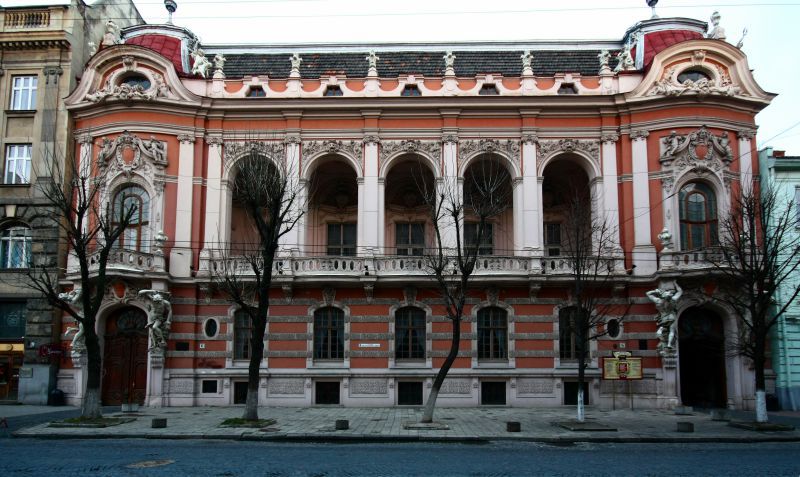
House of Scientists

Lychakiv Cemetery
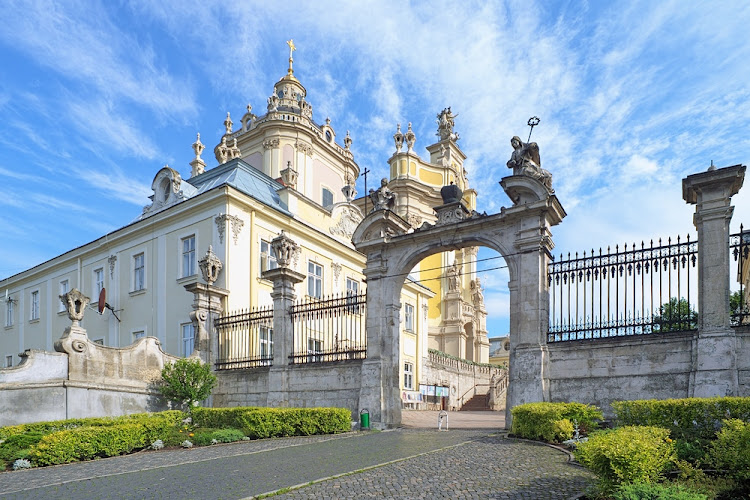
St. George's Cathedral
Find Accommodations Nearby
Recommended Tours & Activities
Visitor Reviews
There are no reviews yet. Be the first one to write one.
Share Your Experience
Have you visited Center for Urban History of East Central Europe? Help other travelers by leaving a review.